58k+ listingsShips to NLResponse within one hour+31 73 711 4717info@questpair.com

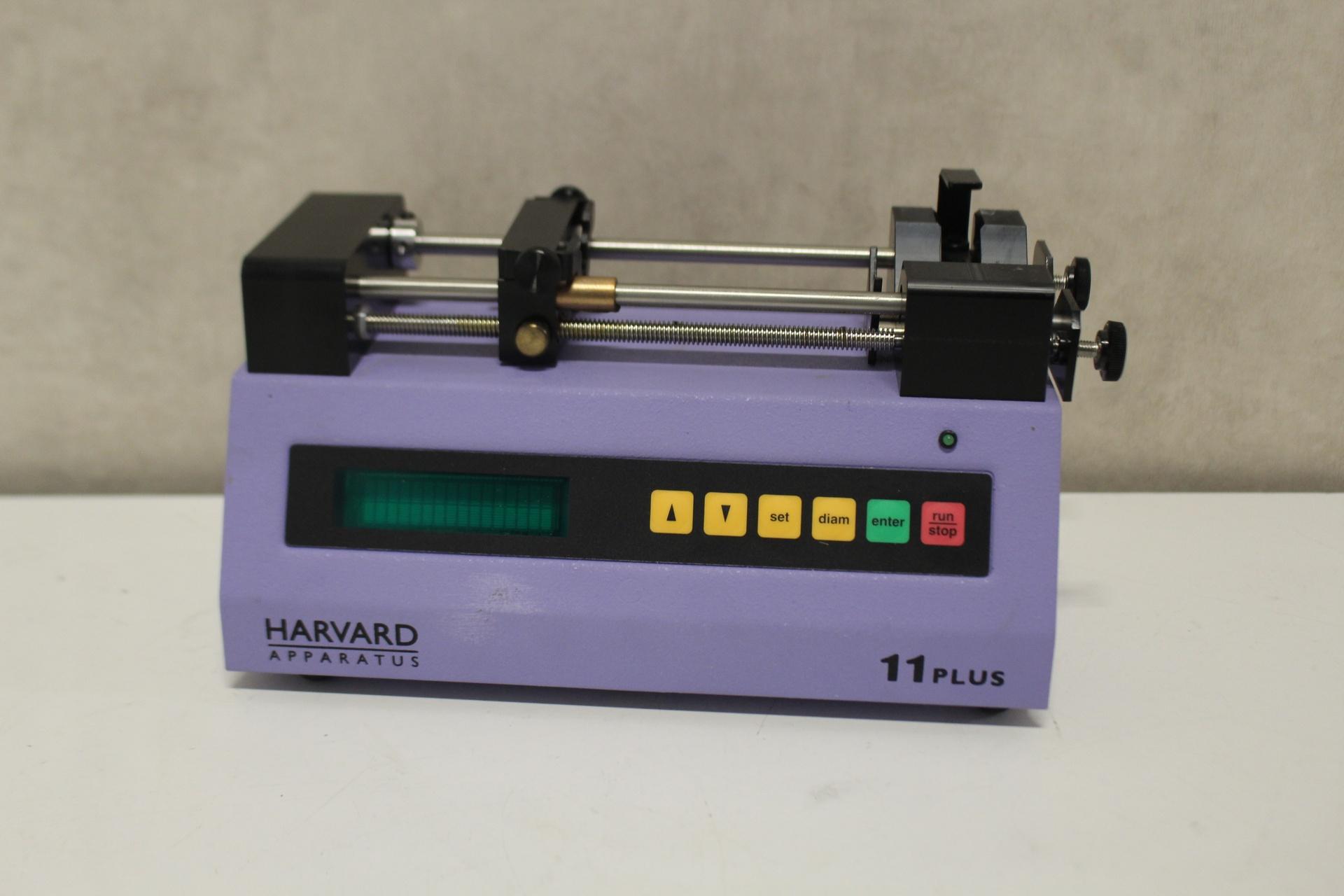
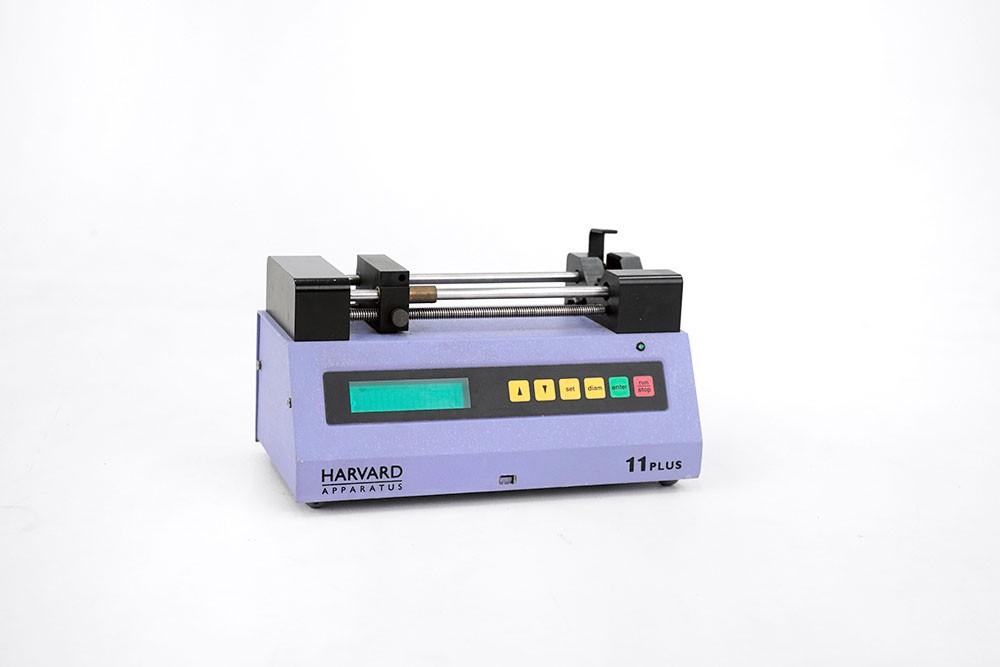
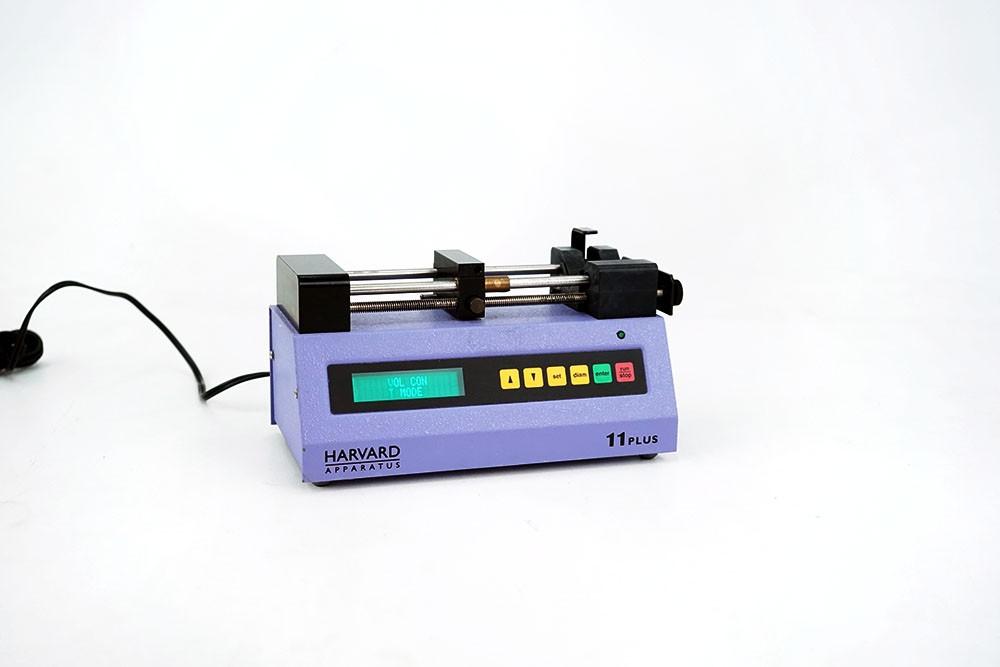
Harvard Apparatus PHD Ultra Microprocessor-Controlled Precision Syringe Pump with Dual Syringe Capability

Price on request

In stock

Can't find what you're looking for?

Pump Function
Infusion Only
Accuracy
±0.25%
Drive Motor
0.9° Stepper Motor
Flow Rate Maximum
216 ml/min using 140 ml syringe
Flow Rate Minimum
1.56 pl/min using 0.5 µl syringe
All 22 specifications
  • Ships to NL
  • Response within 1 hour
  • Warranty available. Buy without worry
  • Support from a scientist

Specifications 22

Brands
Harvard Apparatus
New/Used
Used
Pump Function
Infusion Only
Accuracy
±0.25%
Drive Motor
0.9° Stepper Motor
Flow Rate Maximum
216 ml/min using 140 ml syringe
Flow Rate Minimum
1.56 pl/min using 0.5 µl syringe
Pusher Travel Rate Maximum
190.8 mm/min
Pusher Travel Rate Minimum
0.18 µm/min
Step Rate Maximum
26 µsec/µstep
Step Rate Minimum
27.5 sec/µstep
Max Linear Force
75 lbs @ 100% Force Selection
Mode of Operation
Continuous
No of Syringes
2
Syringe Size Maximum
140 ml
Syringe Size Minimum
0.5 µl
Number of Microsteps per one rev of Lead Screw
12,800
Environmental Humidity
20% to 80% RH, non condensing
Environmental Operating Temperature English
40°F to 104°F/4°C to 40°C
Dimensions
13X15X9″
Weight
11 lbs
Power
100-240 VAC, 50/60 Hz 50 W, 0.5 A fuse

Product description

High-accuracy dual-syringe pump with flow rates from 1.56 pl/min to 216 ml/min, ideal for molecular diagnostics.

The Harvard Apparatus PHD Ultra Syringe Pump is a microprocessor-controlled laboratory infusion system engineered for precise fluid delivery critical in biotechnology, molecular diagnostics, and bioprocessing applications. Featuring dual syringe capability, it supports both infusion and withdrawal functions with continuous operation mode.

Key technical specifications include:

  • Flow rate range: from 1.56 picoliters/min (using a 0.5 µl syringe) up to 216 ml/min (using a 140 ml syringe), accommodating a wide range of volumetric scales for biomanufacturing and synthetic biology workflows.
  • Flow accuracy: ±0.25% and reproducibility within 0.05%, ensuring reliable dosing for gene editing and calibration tasks.
  • Driven by a 0.9° stepper motor with a small step-angle mechanism delivering microsteps at rates between 26 µsec and 27.5 seconds per microstep, effectively eliminating flow pulsation—essential for sensitive live-cell imaging and LC/HPLC analytical protocols.
  • Programmable full-color touch screen interface with preprogrammed methods simplifies setup and calibration, integrating cross-sectional syringe data input for precise flow and volume control.
  • Mechanical performance: max linear force of 75 lbs at full force selection and pusher travel rates ranging from 0.18 µm/min to 190.8 mm/min, making it suitable for demanding drug infusion and chromatography applications in clinical diagnostics.
  • Environmental specs: operates efficiently within 4°C to 40°C temperature and 20% to 80% non-condensing humidity, compatible with typical laboratory conditions.
  • Compact footprint (13 x 15 x 9 inches) and 11 lbs weight facilitate benchtop placement in cell biology and mass spectrometry research labs.

This pump is widely adopted in biotechnology research environments that require high precision fluid handling, including molecular cloning experiments and biopharmaceutical production pipelines. The embedded software enhances versatility by allowing users to create custom protocols, supporting advanced workflows in synthetic biology research and bioprocessing optimization.

Optimized for laboratory scientists, researchers, and medical professionals, the Harvard Apparatus PHD Ultra Syringe Pump delivers scalable precision and reproducibility essential for critical biomedical engineering and fluorescence analysis applications.

Why Questpair exists

Lab equipment markets are fragmented. Buyers spend weeks calling distributors, comparing quotes, and verifying supplier reliability. Sellers struggle to reach global research labs.

We built Questpair to fix this. Every supplier on the platform is verified before listing. Every quote you receive comes from a real, vetted seller. AI prepares your case in minutes, then a real specialist takes over.

We're an independent team based in The Netherlands, working with research labs and procurement teams across Europe and worldwide.

Frequently asked questions

How long does laboratory equipment typically last?

With a service contract, ten to fifteen years is normal for most benchtop instruments. Detectors and pumps are the parts that wear first.

Can I get service for older equipment?

Yes. Every verified supplier states which service partners cover the instrument, and we list that alongside the offer.

Where can I buy parts?

Ask a scientist through the request button. Parts are often available even when the instrument itself is discontinued.

What is the typical lead time for refurbished equipment?

Two to six weeks, depending on refurbishment scope and whether calibration is included.

Does laboratory equipment ship internationally?

We ship to 38 countries. Crating and customs handling are quoted with the instrument.

Reply in one hour

Can't find the exact configuration?

Tell us what you need and a scientist finds it for you, usually within the hour.

Last updated 19 October 2026