
Harvard Apparatus equipment
We personally find you the right new, used & refurbished Harvard Apparatus instruments & equipment from verified suppliers
Harvard Apparatus is an American manufacturer of specialized physiological research laboratory equipment, founded in 1901 by Harvard Medical School physiologist William Townsend Porter. Based in Holliston, United States, the company began by producing physiology teaching equipment and now operates under Harvard Bioscience (Nasdaq: HBIO). Its catalogue spans syringe pumps, peristaltic pumps, perfusion systems, surgical and animal research equipment, cell biology instruments, and neuroscience tools. On Questpair, 55 used Harvard Apparatus items are listed by verified suppliers and distributors across 5 countries.
Updated:
Harvard Apparatus product list
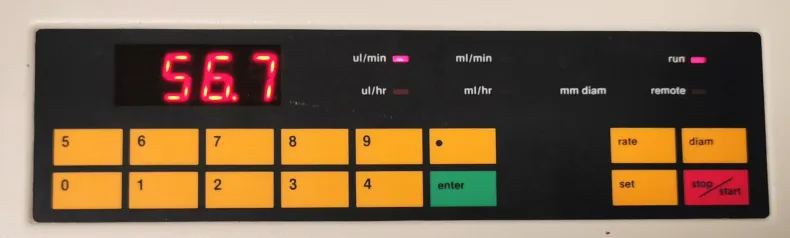
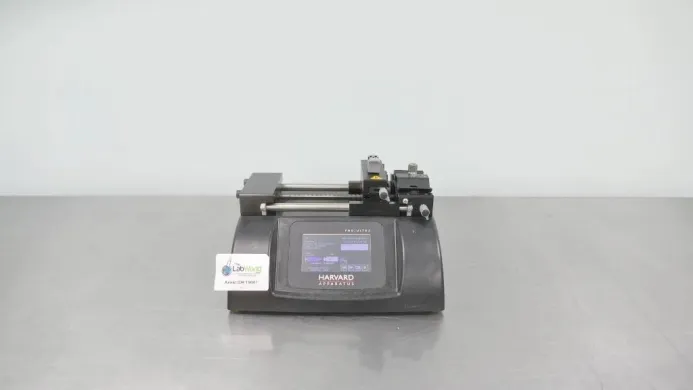
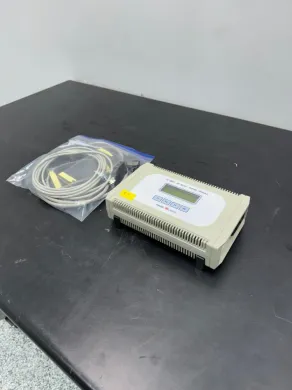
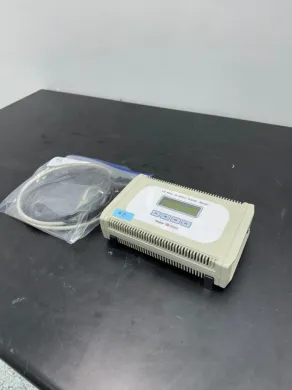


Not the exact instrument you need?
Tell our scientists what you are after. We track it down, including off-market supply.
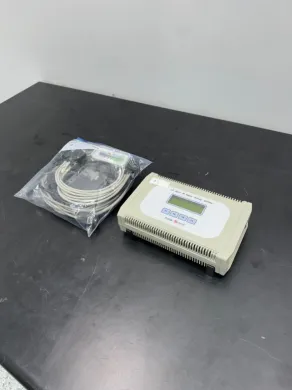
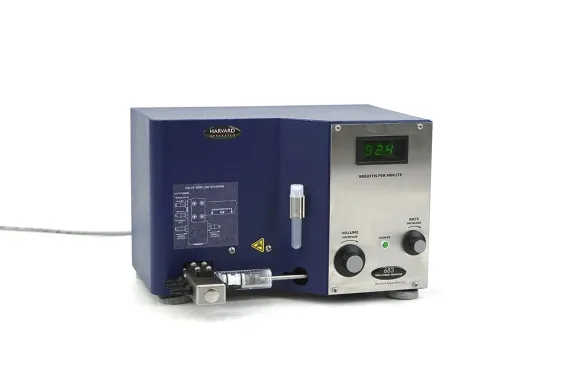
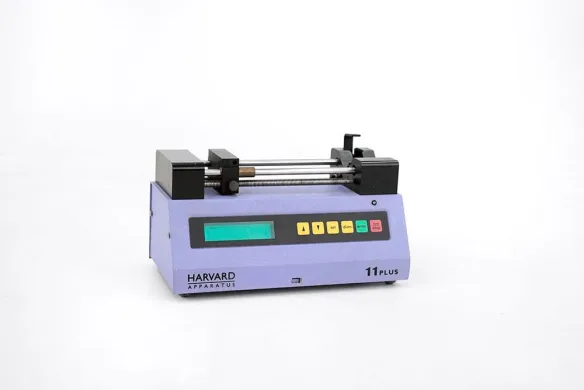
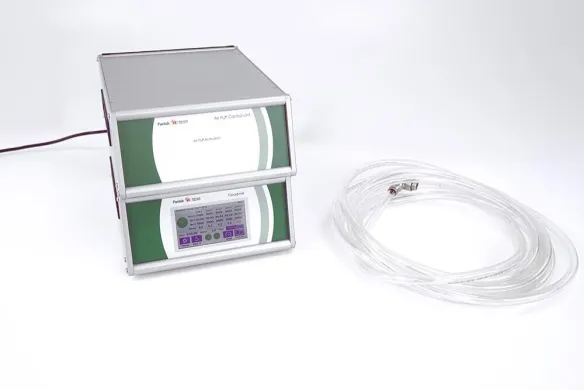
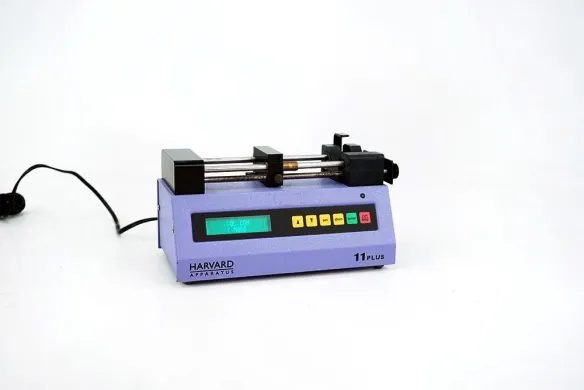
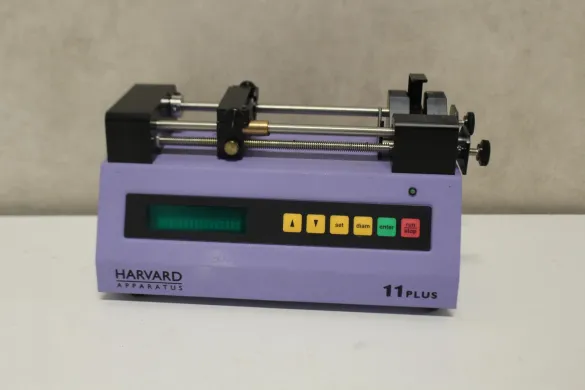
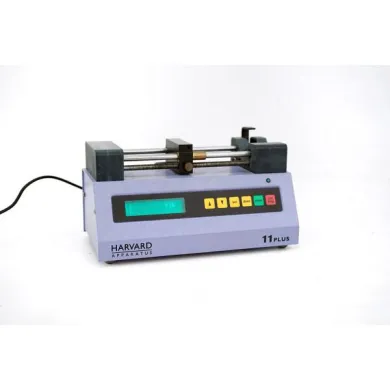
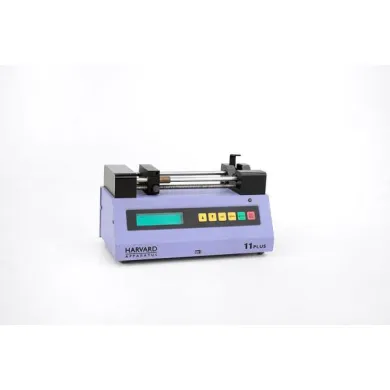
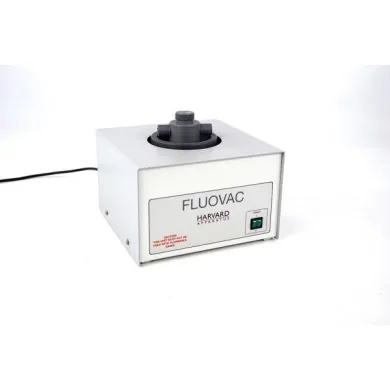
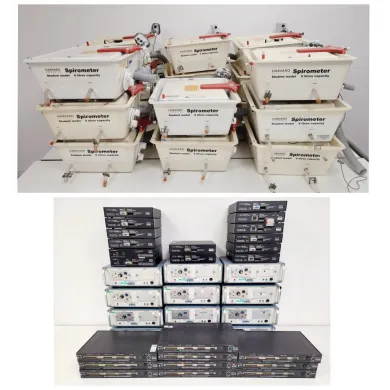
About Harvard Apparatus
Harvard Apparatus is an American manufacturer of physiological research laboratory equipment, founded in 1901 in Holliston, United States. The company was started by Harvard Medical School physiologist William Townsend Porter, who began manufacturing physiology teaching equipment to address the lack of quality affordable lab instruments at the time. It now operates as part of Harvard Bioscience (Nasdaq: HBIO). The product range centres on fluid handling and animal research: syringe pumps, peristaltic pumps, perfusion systems, surgical and animal research equipment, cell biology instruments, neuroscience tools, and liquid handling and fluidics. Syringe pumps are the line most closely tied to the name, with the PHD ULTRA and Pump 11 Elite series in current production and the PHD 22/2000 series now discontinued. On Questpair, the listed inventory is entirely pre-owned and spread across several suppliers and countries.
Syringe pumps do controlled infusion and withdrawal, the work behind microfluidics, drug delivery studies, and calibration of other fluidic instruments. A syringe pump holds a set flow rate over hours, which is what makes it the standard tool for dosing in pharmacology and for feeding reagent streams in cell culture and cell biology protocols. Perfusion systems keep tissue or organ preparations supplied with oxygenated medium, work that sits at the centre of electrophysiology and neuroscience bench studies. The surgical and animal research equipment serves in vivo physiology, where delivery rate and perfusion have to be held constant through a procedure. Peristaltic pumps move fluid without the sample touching the drive, which suits sterile buffer transfer in microbiology and in protein purification setups where contamination has to be kept out of the line.
Harvard Apparatus pump and fluidics lines on Questpair
The listings cluster around the brand's fluid handling identity. Syringe pumps form the core, and the series name on a given listing tells you where it sits: the PHD ULTRA and Pump 11 Elite are the current programmable platforms, while a PHD 22/2000 unit is from the discontinued line and should be checked for parts support before purchase. Peristaltic pumps and perfusion components appear alongside them, and the surgical and animal research items round out the catalogue for labs running in vivo work. Where a listing needs a replacement part, parts can be sourced via Questpair, and documentation can be requested through Questpair with specialists responding within the hour. Because the brand's strength is fluidics rather than a single flagship instrument, the useful way to read the catalogue is by the work a unit does, infusion, withdrawal, or perfusion, rather than by a model name alone.
How condition and price break down on the catalogue
Every Harvard Apparatus listing on Questpair is used, so 100 percent of the inventory is pre-owned. Prices run from EUR 89 to EUR 4.448. The average of EUR 866 sits well below the top of that range, which reflects a catalogue weighted toward single pumps rather than complete multi-channel systems. For a used instrument, condition drives value more than list age: a syringe pump's drive mechanism, lead screw, and seals are the components that determine how much working life remains, and these vary from one listing to the next. A warranty is often possible and is arranged in consultation for the specific listing. The practical approach is to compare individual units on series, condition, and what each one includes, since the spread between a bare pump and a configured system accounts for most of the price range.
Questpair review of Harvard Apparatus
Our take based on listings data and supplier feedback
Harvard Apparatus occupies a narrow but well-defined position in laboratory instrumentation: fluid handling for the life sciences, built around pumps and perfusion rather than analysis or detection. For a buyer scanning the Questpair catalogue, the first benefit is depth within that niche. Listings range from EUR 89 to EUR 4.448, which places an entry-level peristaltic pump and a fully configured perfusion rig in the same brand catalogue. The average sits at EUR 866, so the spread is genuine rather than two outliers around a cluster. That breadth matters because fluidics work scales from a single-channel infusion line in a teaching lab to multi-channel delivery in a surgical or neuroscience protocol, and a brand that covers both ends lets a lab standardise on one instrument family.
The second benefit is the syringe pump lineage itself. The PHD ULTRA and Pump 11 Elite series are the instruments most physiologists associate with the name, used for controlled infusion and withdrawal where flow rate and volume have to hold steady over long runs. The older PHD 22/2000 line is discontinued, which is relevant on a used marketplace: it appears on the second-hand market precisely because labs are rotating to current models, so a buyer should check which series a given listing belongs to before assuming parts availability. Where parts are needed, they can be sourced via Questpair, and a warranty is possible in consultation on the specific listing. These are details that reward reading the individual listing rather than the brand page.
The third benefit, and the one that shapes how this catalogue should be read, is condition. Every one of the 55 Harvard Apparatus listings is used, so 100 percent of the inventory is pre-owned. That is not a drawback so much as a defining feature of what is on offer here: there is no new-versus-used decision to weigh within this brand on Questpair, only a comparison between individual pre-owned units. Pumps and perfusion systems are mechanically durable instruments, and a used syringe pump with a sound drive and an intact lead screw can serve for years, but drive wear and seal condition are the variables that separate one listing from another. Price tracks condition and configuration more than age, which is why the range is as wide as it is.
Taken together, the catalogue suits a lab that knows it needs fluid delivery and wants a recognised instrument family without new-equipment pricing. The 7 suppliers listing across 5 countries give a buyer more than one source to compare, and the individual listing is where the real evaluation happens: series, condition, and what is included. The brand page tells you what Harvard Apparatus makes; the listing tells you what you are actually buying.
**Fluidics specialist with deep catalogue depth**
Harvard Apparatus listings run from EUR 89 to EUR 4.448, covering entry-level pumps through to complete perfusion setups across 7 suppliers.
**Established syringe pump lineage**
The listed inventory includes the PHD ULTRA and Pump 11 Elite syringe pump series, lines built specifically for precise infusion and withdrawal in physiological research.
**Every unit pre-owned and priced accordingly**
All 55 listings are used, so 100 percent of the catalogue sits below new pricing, with individual conditions set per listing.
Frequently asked questions
Where can I get the manual or documentation for a Harvard Apparatus pump?
Documentation for a specific listing can be requested through Questpair, where specialists respond within an hour. This matters for fluidics instruments where you need to confirm the drive, syringe clamp and control electronics against your intended flow rate.
How much does Harvard Apparatus equipment cost?
Across the Questpair catalogue, prices range from EUR 89 to EUR 4.448, with an average of EUR 866. A basic single-channel pump sits at the lower end, while a fully equipped programmable multi-syringe system reaches the higher end.
What's the difference between refurbished and used Harvard Apparatus units?
Used units are sold in their existing condition, while refurbished units have been reconditioned before listing. Both are priced below new equipment; check the individual listing for the mechanical and electronic state of the specific pump.
Is there a warranty on used Harvard Apparatus pumps?
A warranty is often possible and is arranged in consultation for the specific listing. Coverage therefore belongs to the individual unit rather than to the catalogue as a whole.
Is Harvard Apparatus equipment suitable for clinical and research use?
The equipment is built for physiology and life science research: syringe pumps for precision infusion and withdrawal, perfusion systems for ex vivo tissue work, and fluidics hardware for microfluidics and reagent delivery. Fitness for a given clinical or research task depends on the flow range, control interface and condition of the specific listing.
How long do Harvard Apparatus syringe pumps last?
Lifespan depends on duty cycle and how heavily the mechanical drive has been used rather than on a fixed figure. The fact that older PHD 22/2000 generation hardware still appears on the catalogue shows these pumps remain serviceable across long periods when the drive and control electronics hold up.
Can I get spare parts for a Harvard Apparatus pump?
Parts can be sourced via Questpair when a unit needs them. For fluidics instruments the parts most worth confirming are the mechanical drive, the syringe clamp and the control electronics.
What are good alternatives to a Harvard Apparatus syringe pump?
Within the same catalogue, the alternatives are the maker's own lines: the PHD ULTRA for programmable multi-syringe delivery, the Pump 11 Elite as a compact single or paired-syringe option, and peristaltic pumps for continuous flow rather than syringe-metered delivery. Which fits depends on the control interface, programmable flow range and number of syringes your method needs.
How long does delivery take?
Lead time is set by the individual supplier and the listing, since the equipment comes from verified suppliers and distributors across 5 countries. Contact Questpair to confirm the timeline for a specific unit.
What's the difference between parts and spares when buying these pumps?
In practice the terms overlap: both refer to replacement components such as the drive, syringe clamp or control electronics. Whichever a listing calls them, you can source the needed component via Questpair.
Do suppliers ship Harvard Apparatus equipment internationally?
The equipment is listed by verified suppliers and distributors across 5 countries, so cross-border shipping is common. Shipping terms are set per listing, so confirm them with the supplier before purchase.
Which Harvard Apparatus product lines exist and how do they differ?
Named syringe pump series include the PHD ULTRA for programmable infusion and withdrawal with wide flow range and multi-syringe capacity, the Pump 11 Elite as a compact programmable option for single or paired syringes, and the earlier PHD 22/2000 generation. Beyond syringe pumps, the maker's range also covers peristaltic pumps, perfusion systems, surgical and animal research equipment, cell biology and neuroscience instruments, and liquid handling and fluidics hardware.
Which types of Harvard Apparatus instruments are listed here, and in what condition?
The listings centre on fluidics: precision fluid delivery systems, syringe pumps, programmable syringe pumps, bioprocessing pumps, infusion pumps and laboratory pumps. Of the 55 listings, 100 percent are used, so condition should be resolved at the listing level against your intended flow rate and duty cycle.
What separates the cheapest Harvard Apparatus listings from the most expensive?
The lower-priced listings tend to be basic single-channel or single-syringe pumps, while the higher-priced ones are fully equipped programmable multi-syringe systems. The control interface, the programmable flow range and the number of syringes a unit drives are the practical differences behind the price gap from EUR 89 to EUR 4.448.
About Questpair
Questpair is the European marketplace for lab equipment, where AI-prepared cases and personal specialists guide every purchase. We work with 247 verified suppliers across 38 countries to find buyers the right new, used or refurbished instruments, with response within 1 hour and significant savings vs buying new.
Personal · Fast · Reliable · Affordable