
Hamilton equipment
We personally find you the right new, used & refurbished Hamilton instruments & equipment from verified suppliers
Hamilton is an American manufacturer of precision laboratory equipment and automated liquid handling workstations, founded on Clark Hamilton's 1947 invention of the first Microliter syringe and formally incorporated in 1953. The company is privately held and family-owned, headquartered in Reno, United States, with no external parent. Its product range covers robotic liquid handling systems, precision syringes and pipettes, HPLC and GC columns, process sensors, and automated sample storage. On Questpair, 493 Hamilton listings are available from verified suppliers and distributors across 7 countries.
Updated:
Hamilton product list
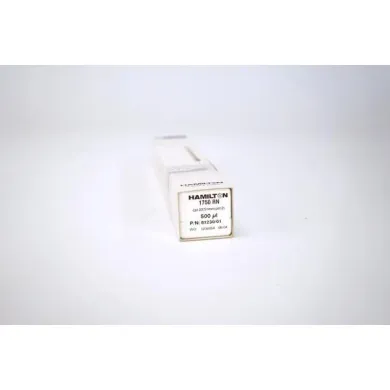
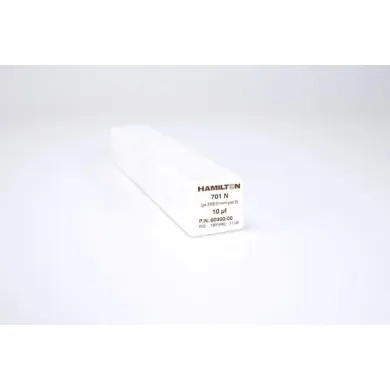


Not the exact instrument you need?
Tell our scientists what you are after. We track it down, including off-market supply.
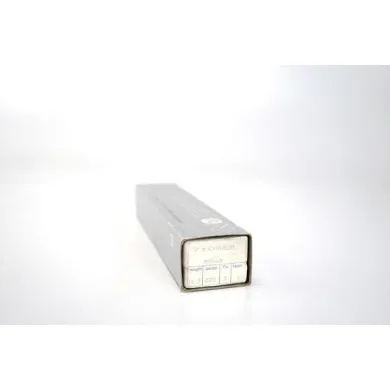
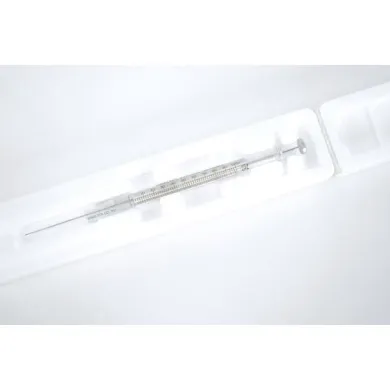
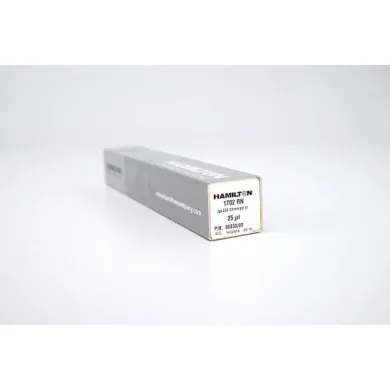
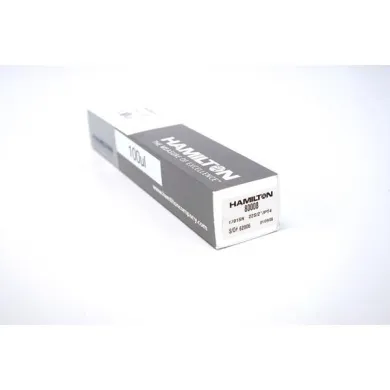
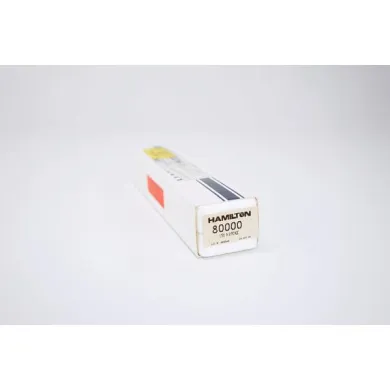
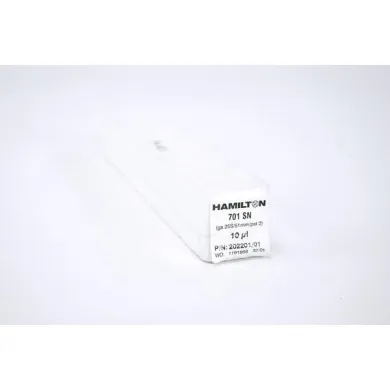
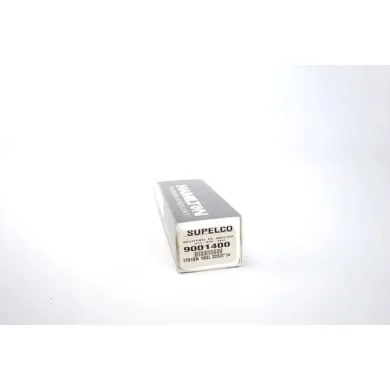
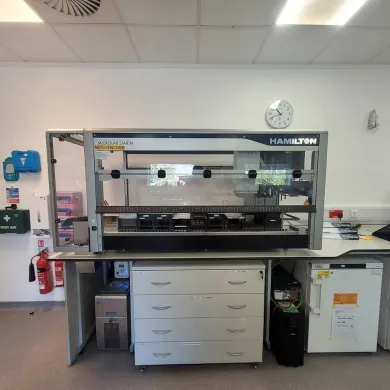
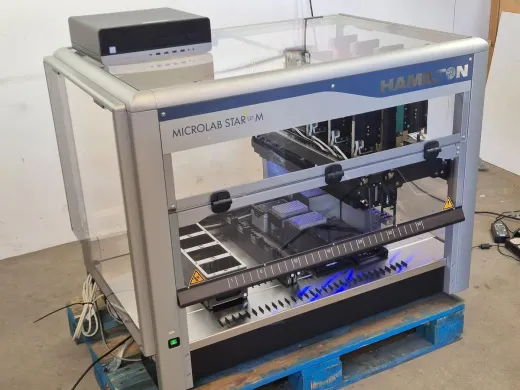
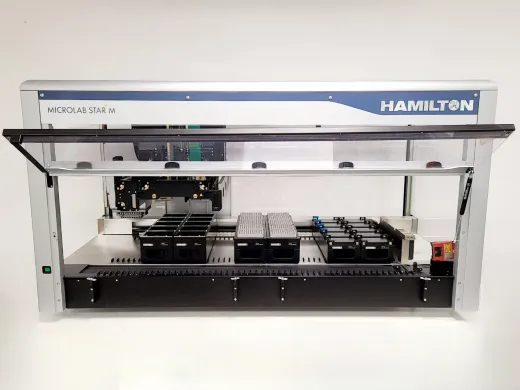




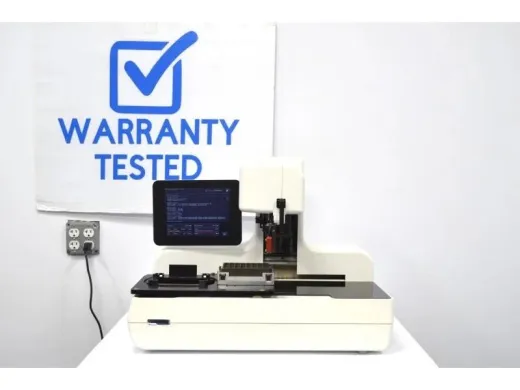
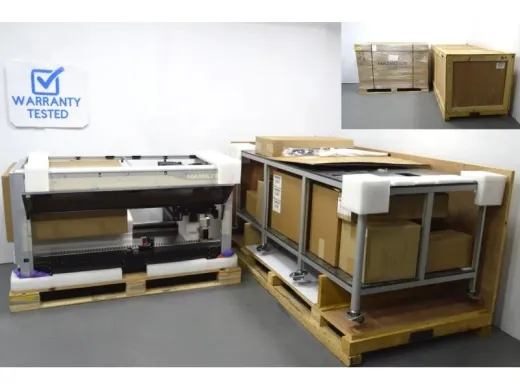
Not the exact instrument you need?
Tell our scientists what you are after. We track it down, including off-market supply.
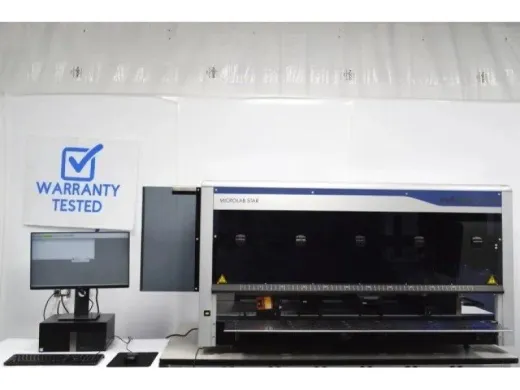
Showing 1–40 of 295 listings
Show 40 more listingsAbout Hamilton
Hamilton is an American manufacturer of precision laboratory equipment and automated liquid handling workstations, with roots in Clark Hamilton's 1947 invention of the first Microliter syringe. The company was formally incorporated in 1953, having begun in a family garage. It is privately held and family-owned, with no confirmed external parent or acquirer. Hamilton is headquartered in Reno, United States. Its catalogue reaches across automated liquid handling workstations, robotic liquid handling systems, precision syringes and pipettes, HPLC and GC columns, process sensors and electrodes, automated sample storage systems, and laboratory automation and robotics. On Questpair, 493 Hamilton listings are available from 11 verified suppliers and distributors across 7 countries.
Automated liquid handling is the work this equipment is built for, and it is central to modern molecular biology and genomics. Robotic liquid handlers move microlitre and nanolitre volumes between plates for high-throughput cell culture, NGS library preparation, and the assay setup behind genomics and proteomics pipelines. These workstations are also used for immunoassay plating, nucleic acid extraction, and the sample normalisation steps that feed molecular diagnostics and synthetic biology workflows. Precision syringes serve chromatography and analytical dosing, while the automated sample storage platforms handle biobanking at low temperature for cell culture and biomanufacturing programmes.
Hamilton liquid handling and automation product lines
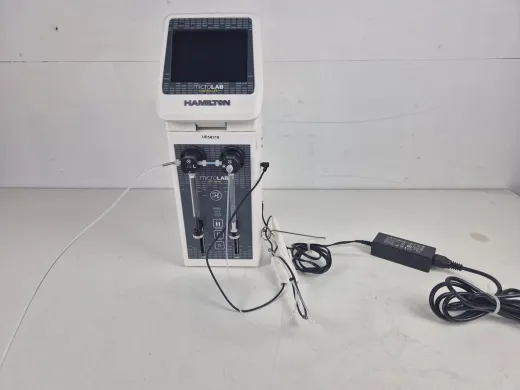
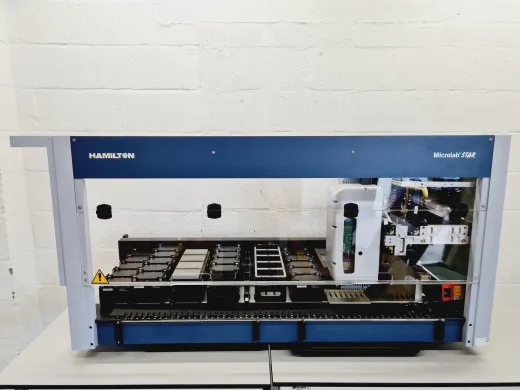
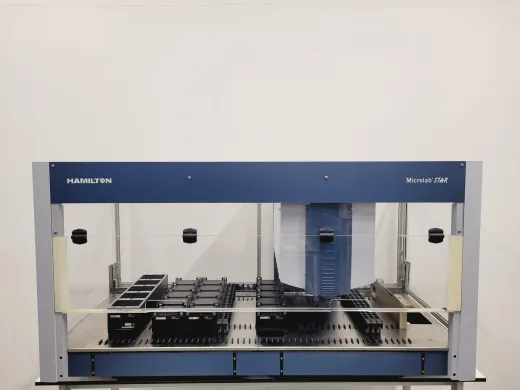
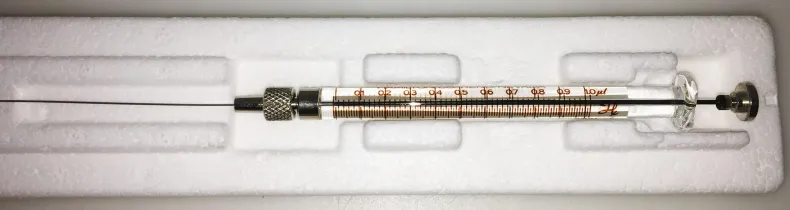
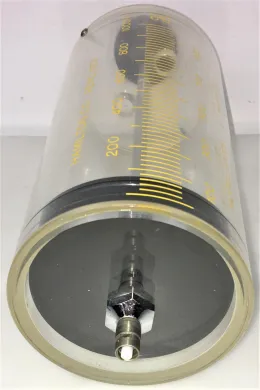
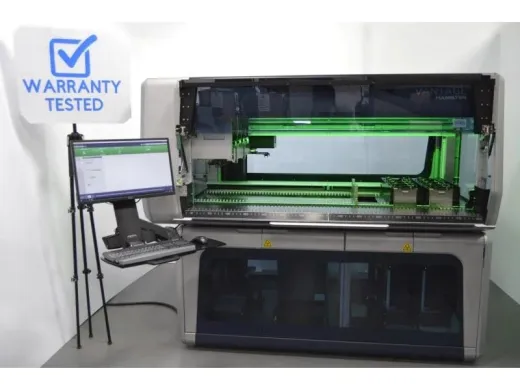
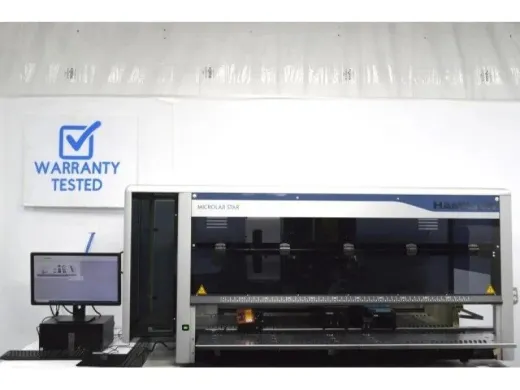
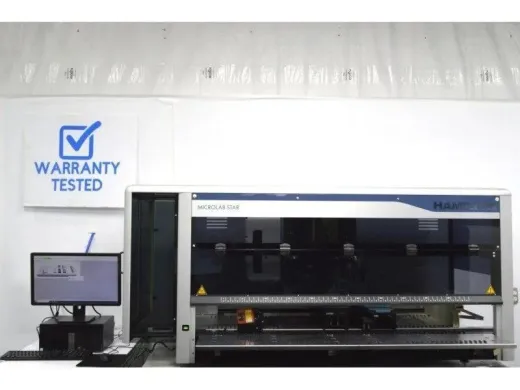
The automation tier is anchored by the Microlab family. The Microlab STAR is Hamilton's modular channel-based workstation, the Microlab VANTAGE a larger reconfigurable platform, and the Microlab NIMBUS a compact benchtop system for smaller footprints. The Microlab Prep and Microlab 600 cover entry-level and semi-automated dispensing. Underpinning the pipetting channels is the CO-RE tip technology, which appears across these systems as a consumable line. For sample management, Hamilton builds the SAM, ASM and BiOS automated storage systems, alongside the BioLevitator for scaffold-free cell culture. Process monitoring runs through the Arc sensors and electrode range. The syringe heritage persists in the Microliter and Gastight lines that gave the company its name, and these remain in active use for analytical chromatography and manual precision dosing.
Spread across so many families, a buyer typically narrows the search by throughput and by whether the task is manual or automated. A single-channel syringe and a multi-deck robotic platform are both Hamilton, but they answer entirely different procurement questions, so matching the line to the protocol is the first step before comparing individual units.
What Hamilton equipment is listed on Questpair?
The Questpair catalogue holds 493 Hamilton listings from 11 suppliers, reaching buyers across 7 countries. Prices range from EUR 4 to EUR 387.400. The average listing sits at EUR 7.872, which reflects how much of the volume falls in the instrument and module band rather than at either end of consumables or complete automated systems.
Condition is weighted toward the secondary market. 95 percent of the listings are used, so a buyer will most often be evaluating previously owned hardware. For liquid handling that means reading each listing closely: configuration, channel condition and calibration history decide whether a given workstation suits the intended assay. Where a warranty is needed, it is arranged in consultation for the specific listing rather than fixed by condition. Replacement parts can be sourced via Questpair, and manuals or documentation can be requested through Questpair, where specialists respond within one hour. Used and refurbished units are listed below new pricing, which is the practical reason many labs enter the Hamilton range through the secondary market before scaling into the automation lines.
Questpair review of Hamilton
Our take based on listings data and supplier feedback
Hamilton occupies an unusual position in laboratory procurement because its catalogue runs from a four-euro syringe component to a six-figure robotic workstation, and the Questpair listings reflect that full spread. A buyer assessing this brand is rarely choosing between comparable units; they are deciding which tier of the Hamilton range matches the work in front of them, and the marketplace data makes that decision easier to frame.
The first thing worth weighing is inventory depth. With 493 listings drawn from 11 suppliers spread over 7 countries, the Hamilton presence on Questpair is wide enough to compare specifications rather than settle for whatever is in stock. That matters most for the automation lines. A Microlab STAR or a VANTAGE workstation is a configured instrument, not an off-the-shelf box, and a buyer who can see several of them side by side is better placed to match deck layout, channel count and installed options to a protocol. The depth also means consumables and spare components appear alongside the instruments, so a lab running Hamilton hardware can source syringes and CO-RE tips from the same catalogue it uses for the workstations.
Price is the second axis, and it is where the range becomes a genuine planning tool rather than a headline. Listings start at EUR 4, which is the territory of individual Microliter and Gastight syringe parts, and reach EUR 387.400 for complete automated systems such as the larger Microlab or storage platforms. The average sits at EUR 7.872, a figure that tells a buyer most of the volume lands in the instrument-and-module band rather than at either extreme. Reading the spread this way is more useful than any single number: it signals that a lab can enter the Hamilton ecosystem at a modest cost through syringes and small liquid handlers, then scale into the robotic lines as throughput demands grow, without changing supplier.
The third consideration is condition, and here the data is clear. 95 percent of the Hamilton listings are used. For precision liquid handling that split rewards scrutiny of the specific listing rather than blanket caution, because the deciding factors are documented calibration history, the state of the dispensing channels and whether the configuration suits the intended assay. Where a warranty matters, it is arranged in consultation for the individual listing, and the right move is to raise that against the particular unit rather than assume a condition carries a fixed guarantee. A used Microlab or NIMBUS can represent capable automation hardware at a cost well below a new build, provided the buyer treats each listing on its own merits.
Taken together, the Questpair data presents Hamilton as a brand bought in deliberate stages. The breadth of suppliers, the wide price band and the used-heavy catalogue all point the same way: toward careful, listing-level evaluation rather than a single purchase decision.
**Deep inventory in automated liquid handling**
The Questpair catalogue holds 493 Hamilton listings from 11 verified suppliers and distributors across 7 countries, spanning both benchtop syringes and full robotic workstations.
**Price range that covers every budget tier**
Listings run from EUR 4 for consumables and syringe components to EUR 387.400 for complete automated systems, with the average Hamilton listing at EUR 7.872.
**A used-dominant market that lowers the entry point**
95 percent of the Hamilton listings are used, which places established laboratory automation hardware below new pricing for buyers equipping or expanding a lab.
Frequently asked questions
Where can I find manuals and documentation for Hamilton equipment?
Contact Questpair for manuals or documentation on a specific Hamilton listing, and specialists respond within one hour. This covers both workstation documentation and syringe specifications.
How much does Hamilton equipment cost?
On Questpair, Hamilton listings range from EUR 4 to EUR 387.400, with an average of around EUR 7.872. Individual syringes and consumables sit at the lower end, while complete automated workstations account for the upper end.
What's the difference between a refurbished and a used Hamilton unit?
A used unit is sold in its working condition as described, while a refurbished unit has been reconditioned before listing. Both are listed at lower prices than new, and the exact condition is stated in each individual listing.
Is there a warranty on Hamilton equipment?
A warranty is often possible and is arranged in consultation for the specific listing. Because terms depend on the individual offer, check the listing you are considering and raise the question before purchase.
Is Hamilton equipment suitable for clinical or research use?
Hamilton automated liquid handling workstations run nucleic acid extraction, PCR setup, library preparation, cell culture plating and immunoassay preparation, which places them in molecular biology and genomics laboratories. The Microliter and Gastight syringes serve analytical laboratories doing gas chromatography and HPLC injection. Confirm that a given unit meets your specific protocol requirements from its listing description.
How long do Hamilton instruments last?
These instruments hold their working value over a long service life, which is why a large share of the Questpair catalogue is pre-owned. Lifespan depends on usage, maintenance history and the condition stated in the individual listing.
Can I get parts for Hamilton systems?
Parts can be sourced via Questpair, including CO-RE pipette tips and components for the Microlab workstations. Describe the part and the model you need when you enquire.
What are the alternatives to Hamilton liquid handling systems?
For automated liquid handling, buyers compare Hamilton against platforms from makers such as Tecan, Beckman Coulter and Eppendorf, which differ in deck configuration, throughput and tip technology. For precision syringes, the relevant comparison is with analytical syringe makers like SGE. Which fits depends on your volume range and whether you need automation at all.
What is the lead time on a Hamilton listing?
Lead time depends on the individual supplier and the condition of the unit. Listings come from 11 verified suppliers and distributors across 7 countries, so timing varies by seller and location.
What is the difference between parts and spares for Hamilton equipment?
The terms are used interchangeably for replacement components such as deck modules, pipette tips and syringe fittings. Both can be sourced via Questpair when you specify the model and the component you need.
Can Hamilton equipment be shipped internationally?
Listings come from verified suppliers and distributors across 7 countries, so international shipping depends on the individual seller. Confirm shipping options and terms with the specific listing before buying.
Which product lines does Hamilton make and how do they differ?
The Microlab family covers automation: the STAR is the high-throughput robotic platform, the VANTAGE is modular, the NIMBUS is a compact deck, and the Microlab Prep and Microlab 600 handle smaller dispensing and dilution tasks. Separately, the Microliter Syringe and Gastight Syringe are precision instruments for gas chromatography and HPLC injection. The catalogue also includes Arc process sensors, the BioLevitator for cell culture, and SAM, ASM and BiOS automated sample storage for biobanking.
Which Hamilton instruments are actually listed on Questpair and in what condition?
The listed types include laboratory syringes, precision syringes, analytical syringes, gastight syringes, automated liquid handling systems and automated liquid handling workstations. The catalogue is built mainly around pre-owned equipment, with 95 percent of listings used and the remainder new.
What separates the cheapest Hamilton listings from the most expensive?
The lower end covers individual syringes and consumables, where a single precision or gastight syringe sits near EUR 4. The upper end, near EUR 387.400, covers complete automated workstations such as the Microlab STAR or VANTAGE, where the deck, modules and robotics drive the price. Condition, whether new, used or refurbished, shifts the figure within each band.
About Questpair
Questpair is the European marketplace for lab equipment, where AI-prepared cases and personal specialists guide every purchase. We work with 247 verified suppliers across 38 countries to find buyers the right new, used or refurbished instruments, with response within 1 hour and significant savings vs buying new.
Personal · Fast · Reliable · Affordable