
Rainin equipment
We personally find you the right new, used & refurbished Rainin instruments & equipment from verified suppliers
Rainin is an American laboratory pipette and liquid handling instrument manufacturer, founded in 1963 when Kenneth Rainin established the Rainin Instrument Company in California to distribute laboratory instruments and supplies. The firm is based in Oakland, United States, and has been part of Mettler-Toledo International since its acquisition in November 2001. Its product range covers manual and electronic pipettes, multichannel models, pipette tips, liquid handling systems and calibration services. On Questpair, 514 Rainin listings are offered by 10 verified suppliers and distributors across 6 countries.
Updated:
Rainin product list
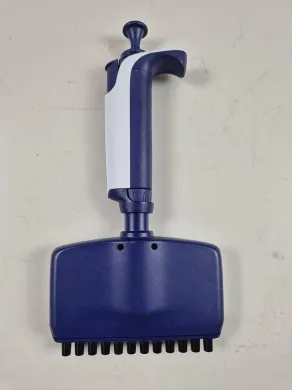
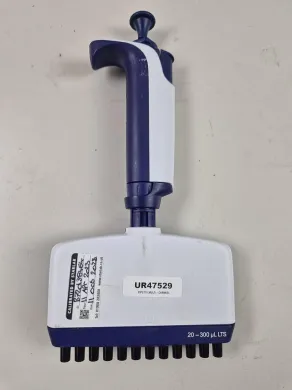
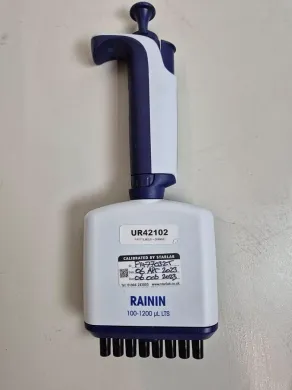
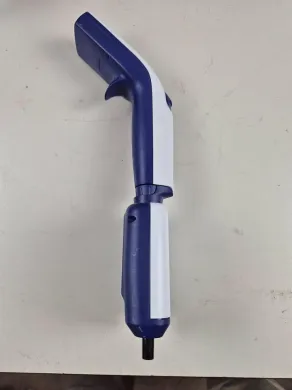
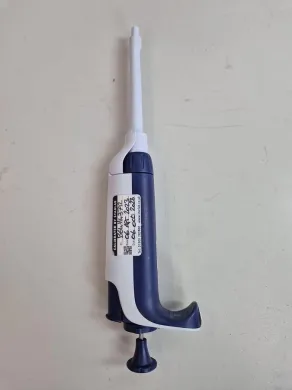


Not the exact instrument you need?
Tell our scientists what you are after. We track it down, including off-market supply.
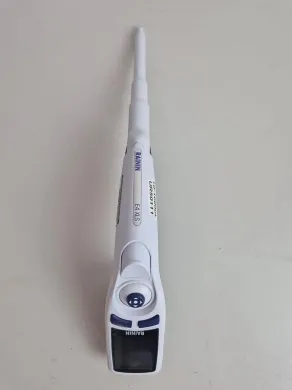
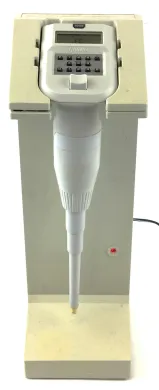
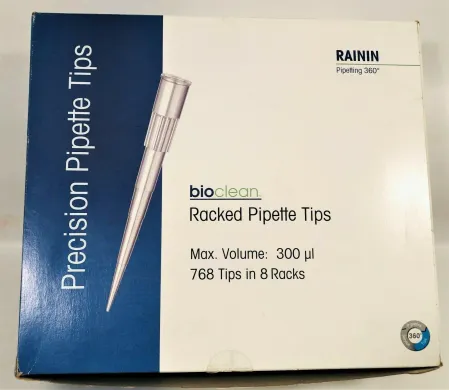

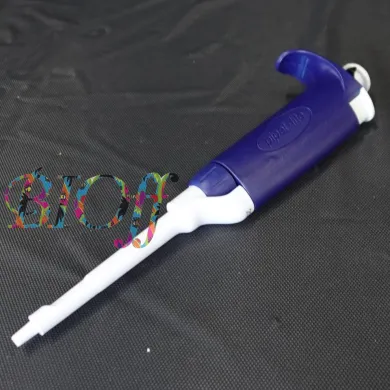
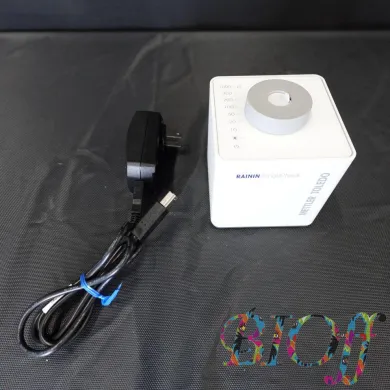
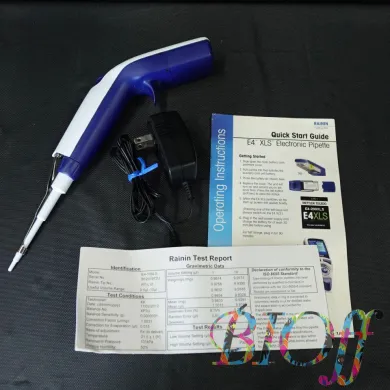
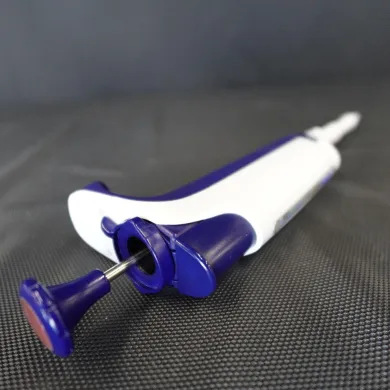
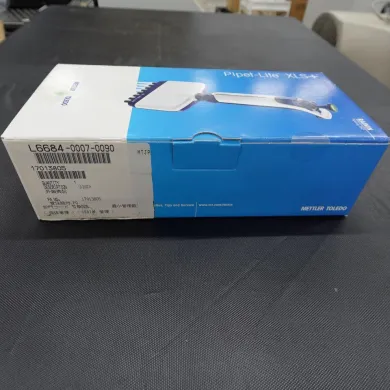
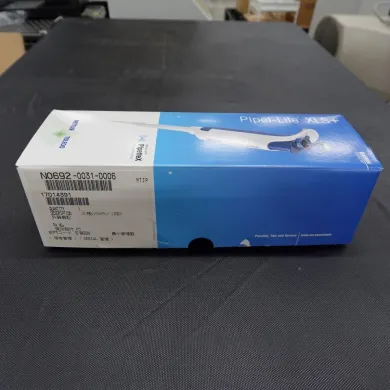
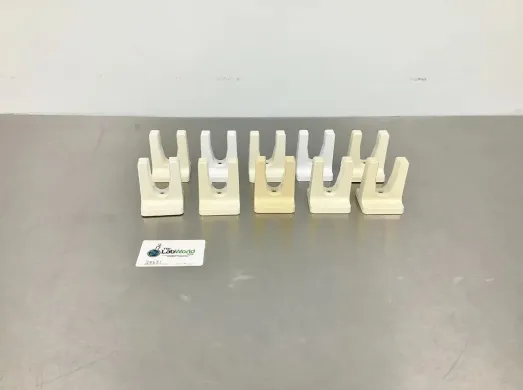
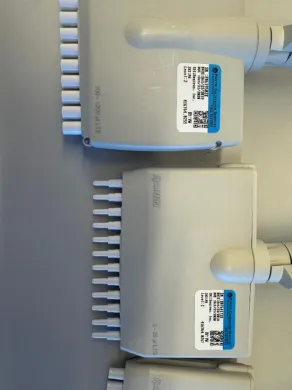
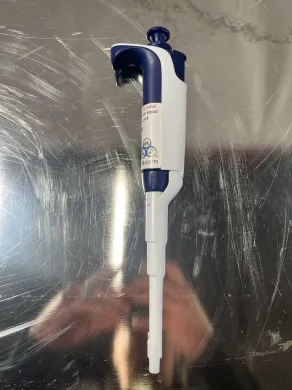
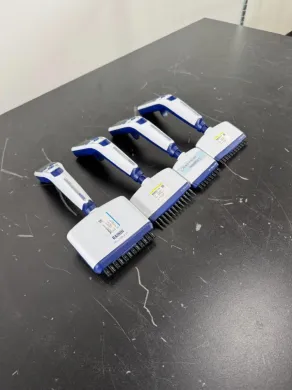
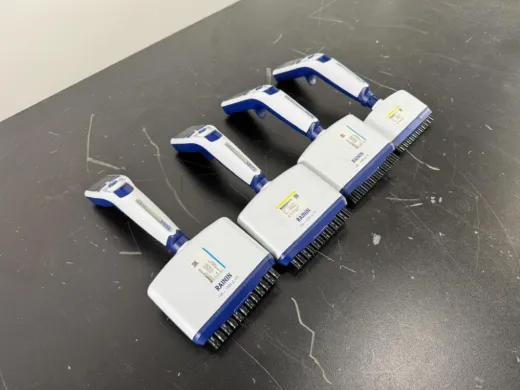
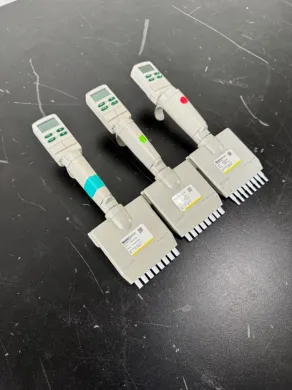
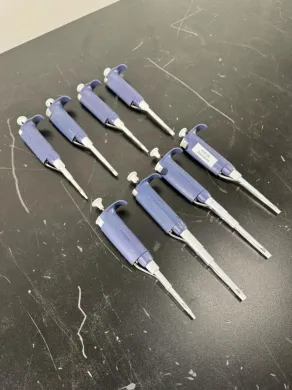
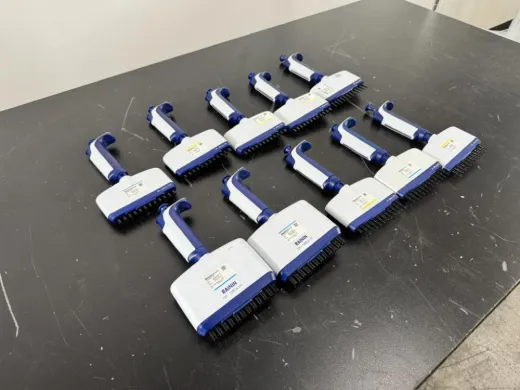
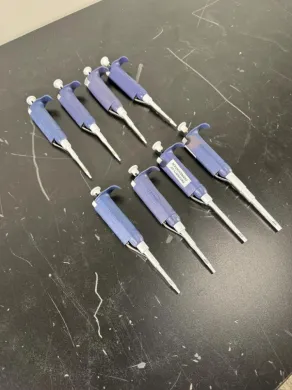
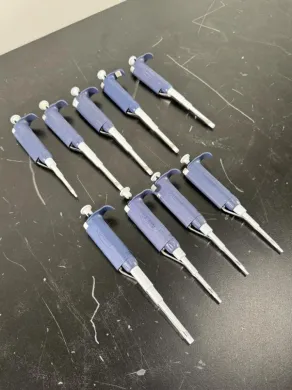
Not the exact instrument you need?
Tell our scientists what you are after. We track it down, including off-market supply.
Showing 1–40 of 133 listings
Show 40 more listingsAbout Rainin
Rainin is an American manufacturer of laboratory pipettes and liquid handling instruments, founded in 1963 by Kenneth Rainin in California. The company began as the Rainin Instrument Company, securing US distribution rights for Gilson pipettes before developing its own lines. It is headquartered in Oakland, United States, and has been a subsidiary of Mettler-Toledo International since November 2001. Its primary categories are manual pipettes, electronic pipettes, multichannel pipettes, pipette tips, liquid handling systems and pipette calibration services. The instruments handle precise volume transfer, from single-microlitre dispensing on a bench up to parallel delivery across microplates. That work underpins much of molecular biology and cell culture, where accurate liquid handling is the step on which an assay stands or falls. On Questpair, 514 Rainin listings are available from verified suppliers and distributors.
Rainin pipette and liquid handling lines
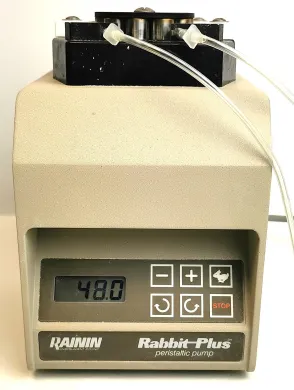
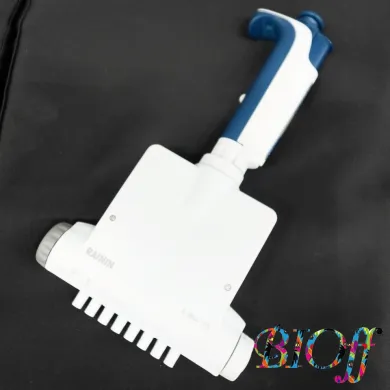
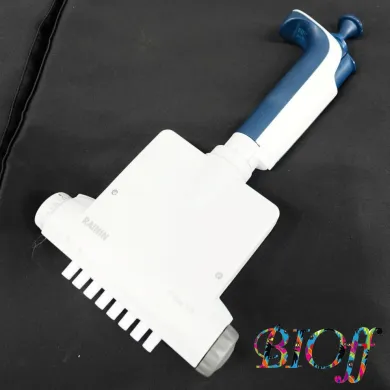
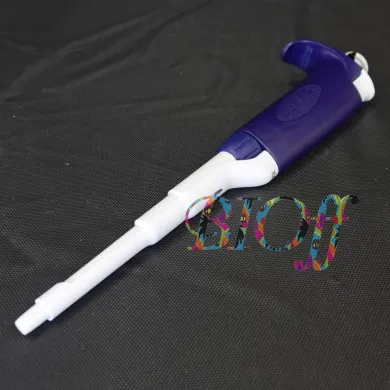
The Rainin range is organised around how a pipette is driven and how many channels it carries. Manual instruments are the plunger-operated workhorses of the discipline, set by hand and read off a dial. Electronic models add a motor and a display, which removes the thumb force that repetitive manual pipetting demands and allows programmable dispensing, serial dilution and mixing to run from stored protocols. Multichannel heads multiply a single action across a row of tips, the configuration that makes 96-well and 384-well work practical.
These instruments do the liquid handling that sits underneath molecular biology and genomics. Loading an electrophoresis gel, setting up a PCR plate, plating cells for culture, dispensing reagents for an immunoassay: each is a pipetting step, and each depends on volume accuracy that holds across hundreds of repetitions. Electronic multichannel pipettes are also used for the plate-based dispensing that high-throughput screening and molecular diagnostics rely on, where consistency across every well of a plate is what makes a result readable. Protein purification and sample preparation workflows draw on the same instruments for the measured transfers they require. Pipette tips and the handling systems complete the picture, from the consumable that touches the sample to the benchtop station that automates a dispensing run.
Calibration runs through all of this. A pipette drifts with use, and Rainin's calibration services exist because dispensing accuracy is a specified property that has to be verified, not assumed. For a used instrument this is the governing fact: condition matters only as it affects the volume spec, and that spec can be checked and restored.
What is listed on Questpair?
The Questpair catalogue holds 514 Rainin listings from 10 verified suppliers and distributors across 6 countries. The range covers manual pipettes, electronic pipettes, multichannel models, tips and liquid handling systems, so a buyer standardising on the brand can source single instruments and complete stations from one place.
Prices run from EUR 39 to EUR 4.304, with an average near EUR 714. The lower figures are individual pipettes and tips, the higher ones electronic multichannel instruments and handling systems. 100 percent of the listings are used, each priced below new equipment. Where a buyer needs a warranty, that is arranged in consultation for the specific listing, and parts can be sourced via Questpair. For manuals or documentation on a particular model, specialists respond within one hour.
Questpair review of Rainin
Our take based on listings data and supplier feedback
Rainin occupies a narrow, well-defined place in the laboratory: hand-held and benchtop liquid handling. That focus shapes what a buyer finds in the catalogue, and the three points above are worth examining against the actual listings.
The first is breadth within a single discipline. The Questpair catalogue holds 514 Rainin listings, and they are not variations on one device. Manual pipettes sit alongside electronic models, single-channel units alongside multichannel heads, and consumable tips alongside full liquid handling systems. For a lab standardising on one maker, that range matters more than a raw count, because pipetting work spans volumes from sub-microlitre dispensing up to serial dilution across 96-well plates, and no single instrument covers all of it. A buyer equipping a cell culture bench and a buyer equipping a high-throughput screening station are both served from the same catalogue, which is unusual for a supplier page built around one brand.
The second point is the spread of price. Listings run from EUR 39 to EUR 4.304, with an average around EUR 714. That spread is not noise. The low end reflects tips and single manual pipettes, the kind of purchase a lab makes in quantity and replaces often. The high end reflects electronic multichannel instruments and liquid handling systems, which carry motors, displays and programmable dispensing and are priced accordingly. The average sits closer to the lower half of that range, which tells a buyer that the bulk of the catalogue is individual instruments rather than complete stations. Anyone budgeting for a fleet of manual pipettes and anyone budgeting for a single automated handler can both read the relevant figure off the same listing set.
The third point is condition. 100 percent of the listings are used. For pipettes this is a meaningful fact rather than a caveat. A pipette is a mechanical instrument whose performance depends on seal integrity and calibration, both of which can be restored, and Rainin itself operates calibration services around that premise. A used instrument that holds its accuracy spec after calibration performs the same dispensing task as a new one. The price difference is the clear advantage here: every used unit is listed below the cost of new equipment. Where a buyer needs to weigh a used instrument against a new one, the decision rests on the individual listing and on the fact that a warranty is arranged in consultation for that specific unit.
Read together, these three points describe a catalogue that suits a lab buying pipetting instruments by function rather than by headline. The range covers the discipline, the pricing covers both consumable-scale and instrument-scale purchases, and the condition data is specific enough to budget against. What the catalogue does not do is substitute for examining a given listing: volume range, channel count and calibration status are properties of the individual unit, and those are where a pipetting purchase is actually decided.
**Deep inventory across the pipetting range**
Across 514 listings from 10 verified suppliers and distributors, the catalogue covers manual, electronic and multichannel instruments rather than a single model family.
**Prices span entry-level tips to full liquid handling systems**
Listings range from EUR 39 to EUR 4.304, so a buyer can match a single manual pipette or a benchtop handling station to a working budget.
**A used-only catalogue at prices below new**
100 percent of the listings are used, which places every unit below the price of new equipment from the maker.
Frequently asked questions
Where can I get the manual or documentation for a Rainin pipette?
Documentation for a specific Rainin pipette can be requested through Questpair, where specialists respond within one hour. Because calibration and service history vary by unit, the paperwork attached to an individual listing is the most relevant source.
How much does a Rainin pipette cost?
Across the Questpair catalogue, Rainin listings range from EUR 39 to EUR 4.304, with an average of EUR 714. Single-channel manual pipettes sit at the lower end, while electronic units and complete liquid handling systems account for the higher figures.
What is the difference between a refurbished and a used Rainin pipette?
A refurbished unit has been reconditioned before resale, while a used unit is sold in its current state; both are listed below the price of new equipment on Questpair. The exact condition and any calibration record belong to each individual listing, so read those details before buying.
Does a Rainin pipette come with a warranty?
A warranty is often possible and is arranged in consultation for the specific listing. Terms depend on the unit and the supplier rather than being set centrally.
Are Rainin pipettes suitable for clinical and research use?
Rainin manual, electronic, and multichannel pipettes handle the reagent transfers behind PCR setup, dilution series, microplate loading, and cell culture media work. For clinical use, accuracy depends on calibration status, which is documented per listing.
How long does a Rainin pipette last?
A well-maintained pipette can remain in service for many years, since the mechanism is serviceable and volumetric accuracy is maintained through regular calibration. Lifespan on any used unit depends on its service history, which is described in its listing.
Can I get replacement parts for a Rainin pipette?
Parts can be sourced via Questpair. Which parts are available depends on the model and volume range, so specify the unit when you enquire.
What are the alternatives to Rainin pipettes?
Rainin began by distributing Gilson pipettes before building its own range, and Gilson remains a comparable maker of manual and electronic pipettes. Other suppliers of manual, electronic, and multichannel pipettes appear in the Questpair catalogue, and the right alternative depends on the volume ranges and tip fit your lab already standardises on.
What is the lead time on a Rainin pipette?
Lead time depends on the individual listing and the supplier holding the item, since stock and location vary. The specifics for a given unit can be confirmed through Questpair before purchase.
Is there a difference between parts and spares for these pipettes?
The terms refer to the same thing here: components used to repair or maintain a pipette, such as seals, pistons, or tip ejectors. These can be sourced via Questpair for the relevant model.
Can a Rainin pipette be shipped internationally?
Rainin items on Questpair are listed by verified suppliers and distributors across 6 countries, so cross-border shipping is often possible. Arrangements and costs are handled per listing with the supplier involved.
What product lines does Rainin make and how do they differ?
Rainin organises its catalogue by handling mode: manual pipettes for single-channel work across volume ranges, electronic pipettes that add motorised and programmable dispensing for repeat and serial dilution, and multichannel pipettes built for standard plate layouts. It also produces pipette tips designed to seat on its instruments and offers calibration services to verify accuracy.
Which types of Rainin instruments are listed on Questpair and in what condition?
The catalogue includes manual pipettes, laboratory pipettes, adjustable volume pipettes, single channel micropipettes, liquid handling instruments, and precision pipettes. Of 514 Rainin items, 100 percent are used, with the remainder new; condition is stated on each listing.
What separates the cheapest Rainin listings from the most expensive?
The lower prices correspond to individual manual pipettes and smaller accessories, while the higher prices reflect electronic units and complete liquid handling systems. Within the same type, a used unit is listed below a new one, so condition also moves the price.
About Questpair
Questpair is the European marketplace for lab equipment, where AI-prepared cases and personal specialists guide every purchase. We work with 247 verified suppliers across 38 countries to find buyers the right new, used or refurbished instruments, with response within 1 hour and significant savings vs buying new.
Personal · Fast · Reliable · Affordable