From€4,912.46excl. VAT
In stock
Can't find what you're looking for?
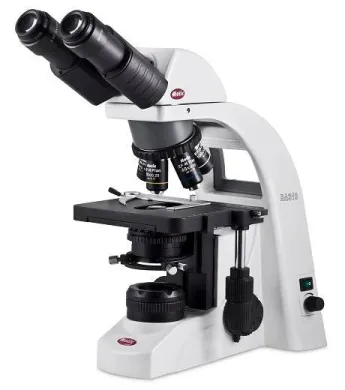
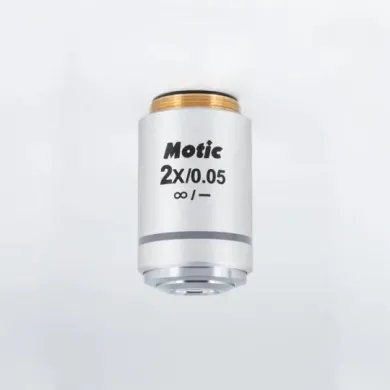
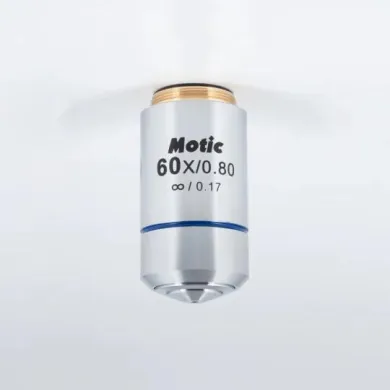
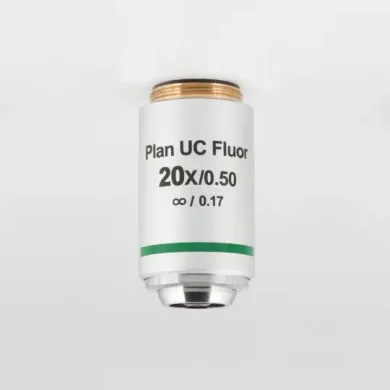
The MOTIC Plan Apochromat ULWD PLAN APO 100X/0.550 microscope objective offers exceptional optical precision and is designed for use with MOTIC PA53MET and PSM1000 Series microscopes. This infinity-corrected Plan apochromat objective lens features:
This Plan Apochromat ULWD objective is critical in biotechnological research applications where high numerical aperture and long working distance are essential, such as live-cell imaging, fluorescence analysis, and molecular cloning workflows. The lens design enhances contrast and minimizes chromatic and spherical aberrations, making it widely adopted in clinical diagnostics, cell imaging, and biomedical engineering fields.
Ideal for researchers focusing on synthetic biology and bioprocessing that require reliable, high-quality imaging to support critical decision-making in biopharmaceutical production pipelines.
Lab equipment markets are fragmented. Buyers spend weeks calling distributors, comparing quotes, and verifying supplier reliability. Sellers struggle to reach global research labs.
We built Questpair to fix this. Every supplier on the platform is verified before listing. Every quote you receive comes from a real, vetted seller. AI prepares your case in minutes, then a real specialist takes over.
We're an independent team based in The Netherlands, working with research labs and procurement teams across Europe and worldwide.
With a service contract, ten to fifteen years is normal for most benchtop instruments. Detectors and pumps are the parts that wear first.
Often, yes. Verified suppliers frequently work with service partners converting the instrument. If applicable, we can list servicing options alongside the offer.
Ask a scientist through the request button. Parts are often available even when the instrument itself is discontinued.
Two to six weeks, depending on refurbishment scope and whether calibration is included.
We ship to 38 countries. Crating and customs handling are quoted with the instrument.
Tell us what you need and a scientist finds it for you, usually within the hour.
Last updated 4 November 2026
€4,912 sits above most microscope accessories here. The middle half of the 3,633 with a price runs from €298 to €1,840.