€1,110.4excl. VAT
In stock
Can't find what you're looking for?
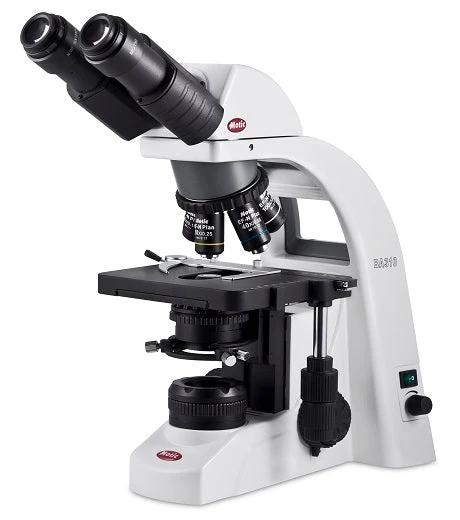
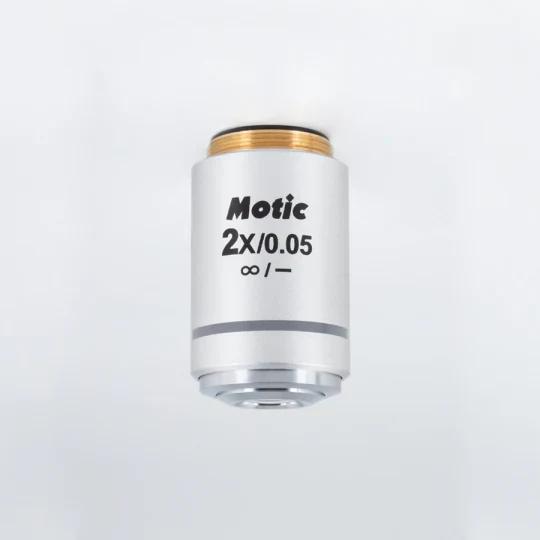
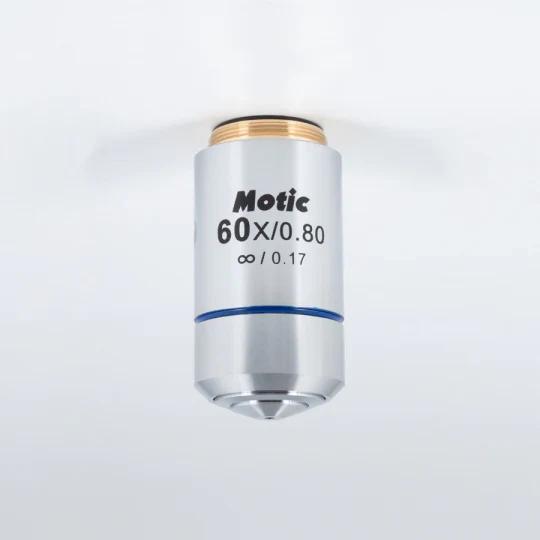
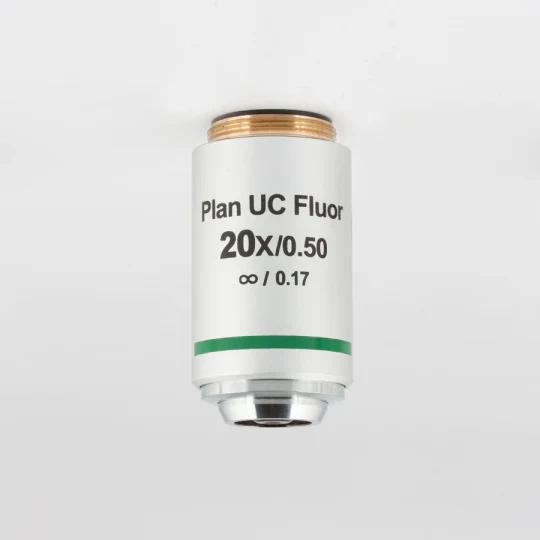
Infinity-corrected MOTIC LM Plan achromatic 50X objective, 0.55 NA, 8.4mm WD for AE2000MET series microscopes.
The MOTIC LM Plan Achromatic Objective LM PL 50X/0.55 is a precision infinity-corrected optical component designed for the AE2000MET series microscopes. It features a 50X magnification combined with a numerical aperture (NA) of 0.55, enabling high-resolution imaging critical for detailed cellular and molecular analysis in biotechnology and clinical diagnostics.
Key technical specifications include:
This objective lens is widely adopted in molecular biology, biomedical engineering, and cell imaging workflows, supporting critical applications such as biomanufacturing quality control and molecular diagnostics. Its design ensures precise optical performance for enhanced visualization of biological specimens, making it a valuable tool for researchers engaged in advanced microscopy within biotechnology domains.
Lab equipment markets are fragmented. Buyers spend weeks calling distributors, comparing quotes, and verifying supplier reliability. Sellers struggle to reach global research labs.
We built Questpair to fix this. Every supplier on the platform is verified before listing. Every quote you receive comes from a real, vetted seller. AI prepares your case in minutes, then a real specialist takes over.
We're an independent team based in The Netherlands, working with research labs and procurement teams across Europe and worldwide.
With a service contract, ten to fifteen years is normal for most benchtop instruments. Detectors and pumps are the parts that wear first.
Yes. Every verified supplier states which service partners cover the instrument, and we list that alongside the offer.
Ask a scientist through the request button. Parts are often available even when the instrument itself is discontinued.
Two to six weeks, depending on refurbishment scope and whether calibration is included.
We ship to 38 countries. Crating and customs handling are quoted with the instrument.
Tell us what you need and a scientist finds it for you, usually within the hour.
Last updated 19 October 2026
€1,110 sits above most microscope accessories here. The middle half of the 4,246 with a price runs from €201 to €1,066.