From€769.26excl. VAT
In stock
Can't find what you're looking for?
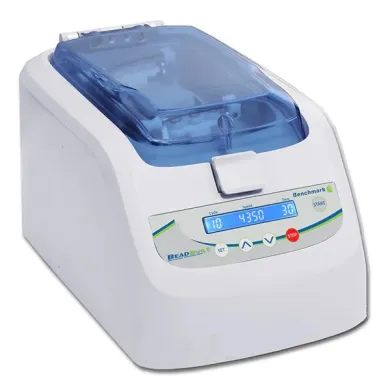
Personal cell disruption and lysis with 3-sample homogenization in seconds.
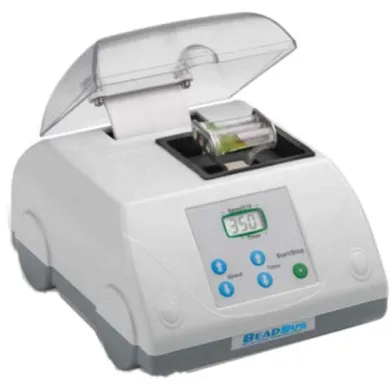
Benchmark BeadBug 3-Position Microtube Homogenizer The BeadBug is a high energy benchtop homogenizer that sets the performance standard for personal sized cell disruption and lysis instruments.
Simultaneous homogenization of up to 3 samples takes place (often within 45 seconds) inside the disposable 2ml screw cap microtubes. Theoptimized mixing motion causes rapid cell disruption through constant high velocity impact from the hardened micro-beads chosen specifically for your sample type.
Developed for samples too tough to be homogenized in a common lab vortexer, the BeadBug provides a convenient and economical alternative. Click Here to View Product Video
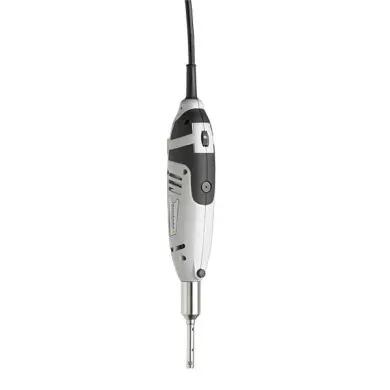
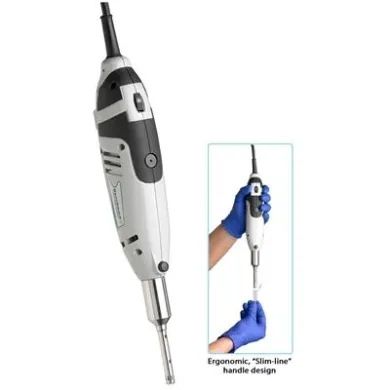
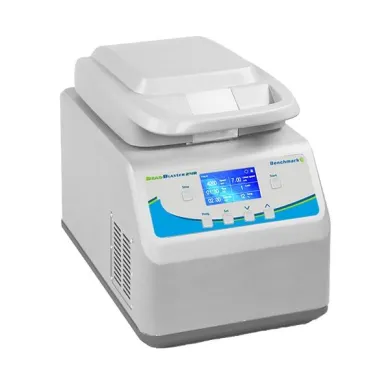
INCLUDED: The Benchmark BeadBug 3-Position Microtube Homogenizer includes:
Lab equipment markets are fragmented. Buyers spend weeks calling distributors, comparing quotes, and verifying supplier reliability. Sellers struggle to reach global research labs.
We built Questpair to fix this. Every supplier on the platform is verified before listing. Every quote you receive comes from a real, vetted seller. AI prepares your case in minutes, then a real specialist takes over.
We're an independent team based in The Netherlands, working with research labs and procurement teams across Europe and worldwide.
With a service contract, ten to fifteen years is normal for most benchtop instruments. Detectors and pumps are the parts that wear first.
Often, yes. Verified suppliers frequently work with service partners converting the instrument. If applicable, we can list servicing options alongside the offer.
Ask a scientist through the request button. Parts are often available even when the instrument itself is discontinued.
Two to six weeks, depending on refurbishment scope and whether calibration is included.
We ship to 38 countries. Crating and customs handling are quoted with the instrument.
Tell us what you need and a scientist finds it for you, usually within the hour.
Last updated 15 November 2026
€769 sits in the middle range homogenisers here. The middle half of the 205 with a price runs from €298 to €1,800.