
Benchmark Scientific equipment
We personally find you the right used, refurbished & new Benchmark Scientific instruments & equipment from verified suppliers
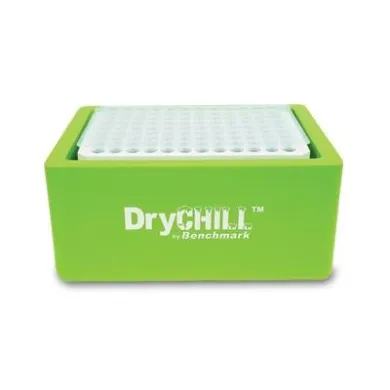
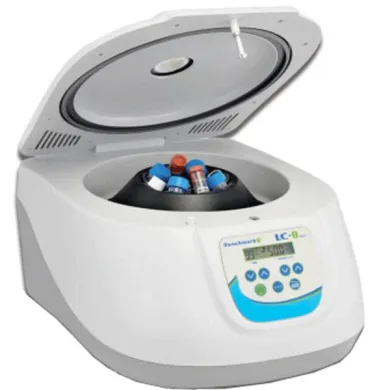
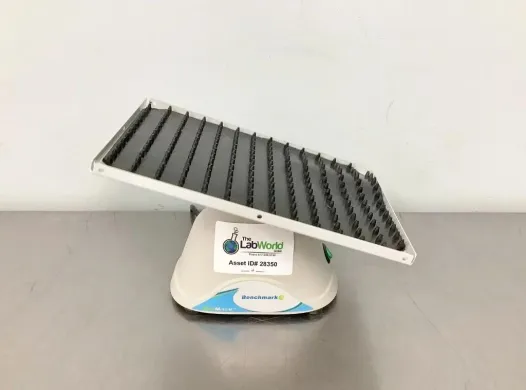
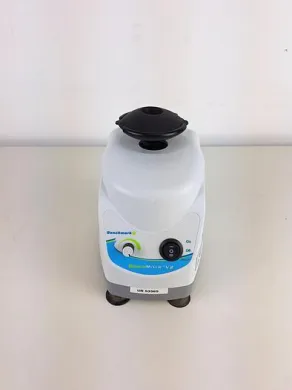
Benchmark Scientific is an American benchtop laboratory equipment manufacturer based in Sayreville, United States. The privately held company is the parent of the MTC Bio and Accuris Instruments subsidiaries, and its own range spans centrifuges, vortex mixers, shakers, thermal cyclers, dry baths and microplate readers. Several of these instruments do routine molecular biology work, from PCR setup to sample mixing. On Questpair, 643 listings carrying this name are available from 9 verified suppliers and distributors across 6 countries.
Updated:
Benchmark Scientific product list
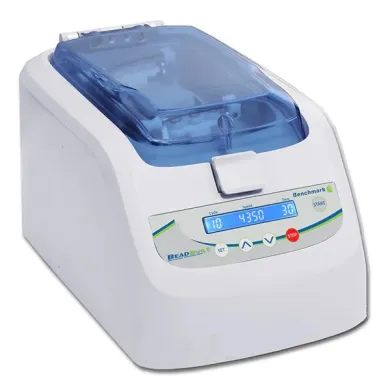
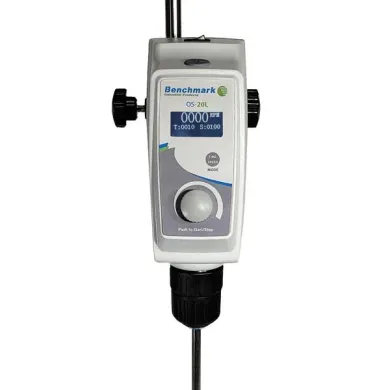
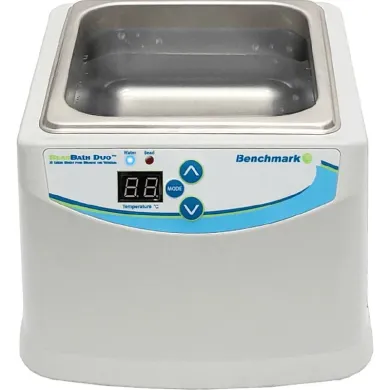
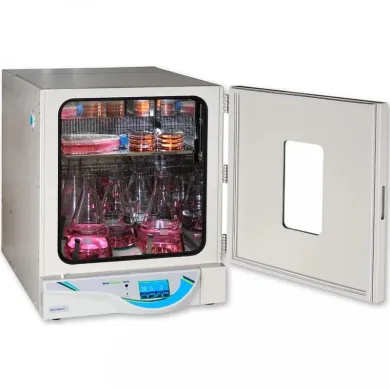


Not the exact instrument you need?
Tell our scientists what you are after. We track it down, including off-market supply.
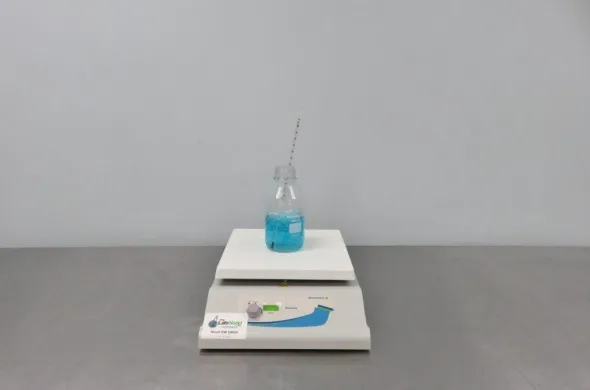
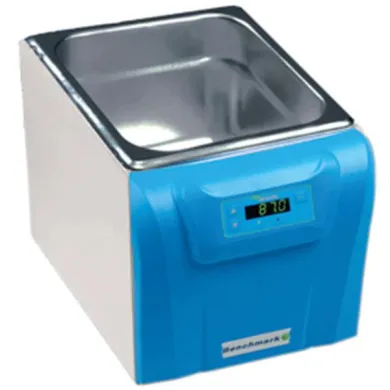
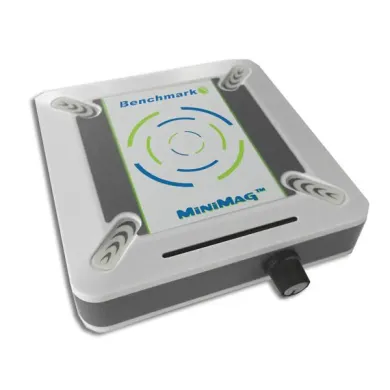
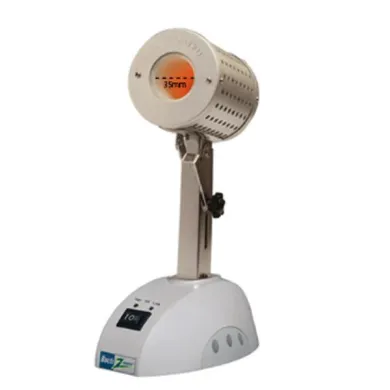

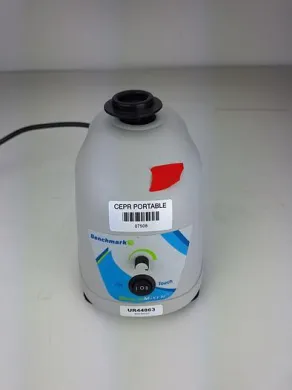
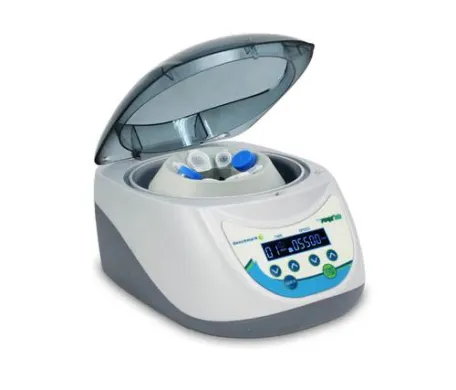
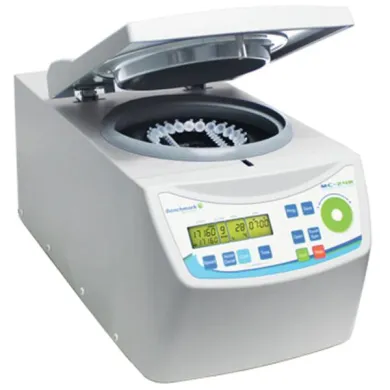
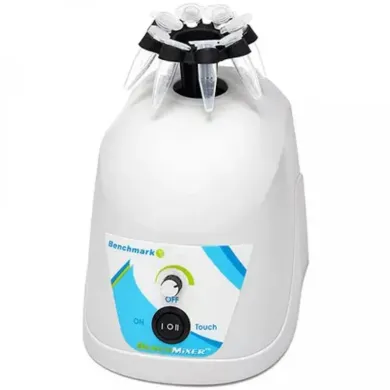
Not the exact instrument you need?
Tell our scientists what you are after. We track it down, including off-market supply.
Showing 1–40 of 433 listings
Show 40 more listingsAbout Benchmark Scientific
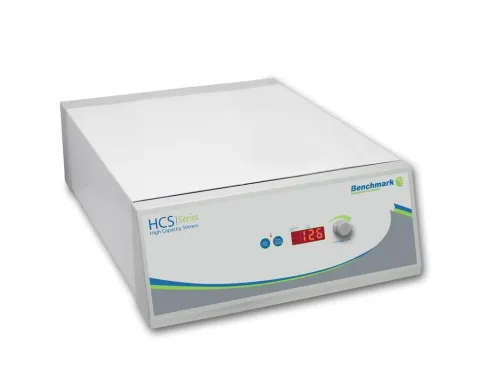
Benchmark Scientific is an American benchtop laboratory equipment manufacturer headquartered in Sayreville, United States. The company is privately held, with no confirmed parent, and it is itself the parent of two subsidiaries, MTC Bio and Accuris Instruments. Its own range spans eleven instrument categories, among them centrifuges, shakers and rockers, vortex mixers, homogenizers, incubators, thermal cyclers, hotplates and stirrers, dry baths, autoclaves, electrophoresis systems and microplate readers. Much of this equipment is aimed at the molecular biology and cell culture bench, where mixing, heating, spinning and amplifying samples are the daily tasks. On Questpair, 643 listings carrying this name are available from 9 verified suppliers and distributors across 6 countries.
Benchmark Scientific product lines and the work they do
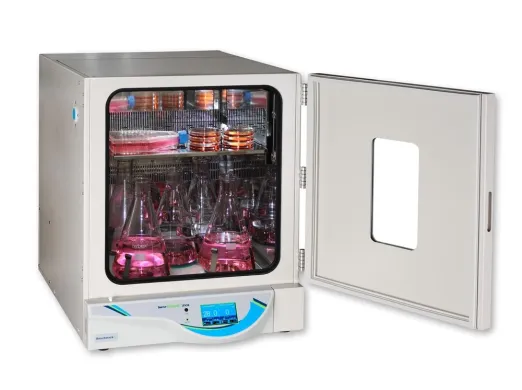
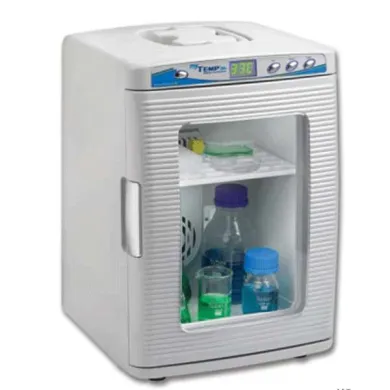
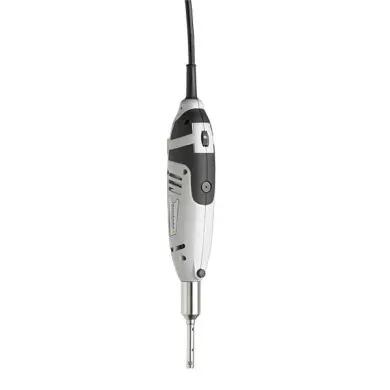
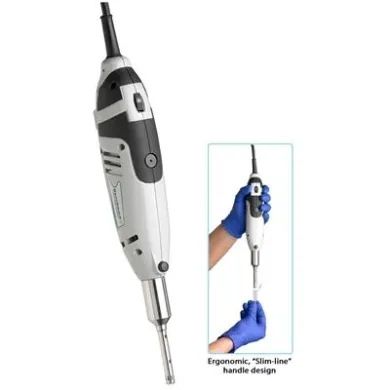
The company organises its equipment under several named lines, and two of them are subsidiaries in their own right. MTC Bio supplies pipettes, tubes and plastic consumables for the molecular biology bench, while Accuris Instruments carries centrifuges, thermal cyclers and spectrophotometers. Under the Benchmark name itself sit a number of distinct lines. The BioClave autoclaves handle sterilization of media and labware. The Pulse ultrasonic homogenizers break open cells and tissue for sample preparation, a step that precedes protein purification and nucleic acid extraction. The MAGic Clamp shaking incubators run cell culture and microbial growth at controlled temperature and agitation. The SureAir PCR workstations give a clean enclosure for setting up polymerase chain reactions, the amplification step at the heart of molecular diagnostics and genomics. Benchmark also distributes Hermle centrifuges, which handle the separation of cells, debris and precipitates by centrifugation.
Several of these instruments serve named research fields rather than general handling. Thermal cyclers run PCR, the method that underpins gene editing, synthetic biology and much of molecular diagnostics. Electrophoresis systems carry out the separation of DNA, RNA and protein fragments by size, the technique that reads out a restriction digest or a cloning result. A benchtop thermal cycler for PCR amplification is the instrument a genomics or molecular biology lab reaches for when preparing a sequencing library or genotyping a sample. Microplate readers do the optical measurement behind an immunoassay, quantifying signal across a 96-well or 384-well plate for cell-based and biochemical assays. Homogenizers and vortex mixers do sample preparation and formulation, the groundwork before any downstream analysis. A shaking incubator for cell culture is also used for bacterial and yeast expression, the growth step that produces recombinant protein ahead of purification. This connects the Benchmark range to the broader work of biomanufacturing and bioprocessing, where controlled growth and consistent sample handling decide what the downstream steps have to work with.
On Questpair
The 643 listings under this name come from 9 verified suppliers and distributors spread across 6 countries. Prices run from EUR 17 to EUR 11.834. The average listing price is EUR 1.299, which sits toward the lower part of that band and reflects a catalogue weighted to everyday benchtop equipment rather than the costliest systems. Condition is mixed: 67 percent of the listings are used. Used and refurbished units are listed below new prices, and that price difference is the clearest reason a budget-conscious buyer compares the two. Where a warranty is wanted, it is arranged in consultation for the specific listing, so the individual listing is where to confirm it. Parts can be sourced via Questpair, and for manuals or documentation a buyer can contact Questpair, where specialists respond within the hour. For a lab building or restocking a general molecular biology or cell culture bench, the catalogue holds the range of instruments and the spread of conditions needed to match a unit to a budget.
Questpair review of Benchmark Scientific
Our take based on listings data and supplier feedback
Benchmark Scientific occupies the part of the market a working lab touches every day: the benchtop. Rather than concentrating on one flagship instrument class, the company fields a wide spread, and that spread is the first thing worth weighing. A buyer looking at the catalogue will find centrifuges alongside vortex mixers, dry baths, shakers, thermal cyclers and microplate readers, all under the same maker. For a lab fitting out a bench from scratch, that breadth matters, because it means several of the core instruments can come from a single source rather than being assembled piece by piece from unrelated names. The eleven categories the company builds across are genuinely distinct pieces of equipment, not variations on a theme, which is what separates a full-range benchtop maker from a specialist.
The second point a buyer notices is price. Across the Questpair catalogue, listings run from EUR 17 to EUR 11.834. That is a deliberately wide band, and it reflects what sits at either end. A small vortex mixer or a dry bath occupies the lower reaches, while a shaking incubator or a microplate reader sits near the top. The average, at EUR 1.299, falls well below the ceiling, which tells a buyer that the bulk of what is listed is the everyday equipment rather than the costliest systems. For a starting lab, the lower end is within reach; for an established one replacing a worn unit, the mid-range is where most of the choice sits.
Condition is the third factor, and it is where the catalogue leans in a useful direction. Of the listings carrying this name, 67 percent are used. A buyer working to a fixed budget therefore has a broad field of lower-priced units to set against new stock, and used and refurbished units are listed below new prices. That is the one firm comparison to draw between the two: the price gap. Beyond it, a buyer should read the individual listing, since condition, included accessories and age vary from one unit to the next. Where a warranty matters, it is arranged in consultation for the specific listing rather than applied as a blanket policy, so the listing itself is the place to settle that question.
Taken together, these three factors suit a particular kind of buyer: one furnishing or restocking a general molecular biology or cell culture bench, who values having the routine instruments available from one name and is comfortable weighing used against new on price. The breadth does not extend into heavy analytical instrumentation, so a lab needing high-resolution separation or spectroscopy will look elsewhere for those. For the benchtop itself, the Benchmark range covers the working day well, and the Questpair listings give a buyer both the price spread and the condition choice to match a unit to a budget.
**Broad benchtop range from one maker**
Benchmark Scientific builds across eleven instrument categories, from centrifuges and vortex mixers to thermal cyclers and microplate readers, so a lab outfitting a bench can source several core instruments under one name.
**Price spread covers entry and established budgets**
Listings on Questpair run from EUR 17 to EUR 11.834, which places small mixers and dry baths within reach of a starting lab and larger systems within range of an established one.
**A catalogue weighted toward used stock**
67 percent of the listings are used, which gives a buyer working to a fixed budget a wide field of lower-priced units to compare against new ones.
Frequently asked questions
Where can I find manuals and documentation for Benchmark Scientific equipment?
Documentation for a specific unit can be requested through Questpair, where specialists respond within the hour. Give the model or series name when you ask, since manuals vary by instrument.
How much does Benchmark Scientific equipment cost?
Across the Questpair listings prices range from EUR 17 to EUR 11.834, with an average of EUR 1.299. The spread reflects the difference between small items like mini centrifuges and vortex mixers and larger instruments such as shaking incubators or autoclaves.
What's the difference between refurbished and used Benchmark Scientific units?
Both are listed below new prices on Questpair. A refurbished unit has been checked and reconditioned, while a used unit is sold in its existing condition, so the individual listing is where to confirm what was done to it.
Do Benchmark Scientific instruments come with a warranty?
A warranty is often possible and is arranged in consultation for the specific listing. Confirm the terms on the listing you are interested in before you buy.
Is Benchmark Scientific equipment suitable for clinical or research use?
The range is aimed at the molecular biology and cell culture bench, with thermal cyclers for PCR, microplate readers for immunoassays, and centrifuges for sample separation. Whether a particular unit meets a clinical requirement depends on the model and your lab's validation needs, so check the specification on the listing.
How long does Benchmark Scientific equipment last?
Benchtop laboratory instruments of this type typically run for many years with routine maintenance, and lifespan depends on usage, duty cycle and upkeep rather than on the brand alone. A used unit's remaining life depends on its history, which the individual listing should describe.
Can I get parts for Benchmark Scientific instruments?
Parts can be sourced via Questpair. Identify the instrument model and the component you need when you enquire.
What are good alternatives to Benchmark Scientific?
Alternatives depend on the instrument class you need: for centrifuges, shakers, vortex mixers and thermal cyclers there are several benchtop manufacturers in each category. The Questpair category pages group listings by instrument type, which is where to compare makers for the specific equipment you are after.
What's the lead time on a Benchmark Scientific order?
Lead time depends on the individual listing and the supplier holding it, since the equipment comes from 9 separate verified suppliers and distributors. The listing or an enquiry through Questpair will give the availability for that unit.
What's the difference between parts and spares when ordering?
In practice the two terms are used for the same thing: components ordered to repair or maintain an instrument. Both can be sourced via Questpair when you specify the model and the part.
Does Benchmark Scientific equipment ship internationally?
The listings come from verified suppliers and distributors across 6 countries, so cross-border shipping is available depending on the supplier. Shipping terms are set per listing, so confirm them for the unit you want.
What product lines does Benchmark Scientific make and how do they differ?
Under the Benchmark name sit the BioClave autoclaves for sterilisation, the Pulse ultrasonic homogenizers for breaking open cells, the MAGic Clamp shaking incubators for cell culture and microbial growth, and the SureAir PCR workstations for clean PCR setup. The company also distributes Hermle centrifuges and is the parent of MTC Bio, which supplies pipettes and plastic consumables, and Accuris Instruments, which carries centrifuges, thermal cyclers and spectrophotometers.
Which Benchmark Scientific instruments are actually listed here and in what condition?
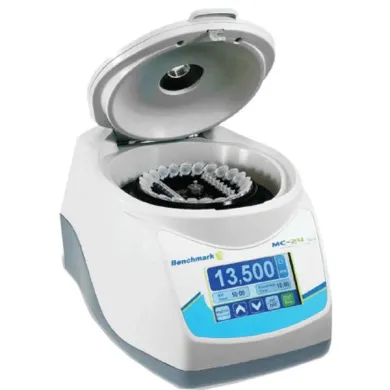
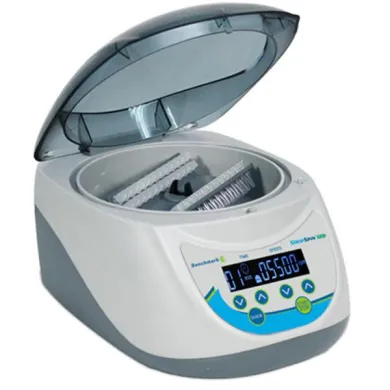
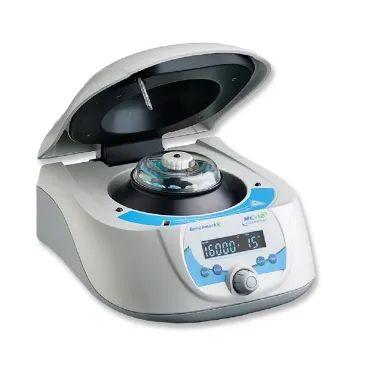
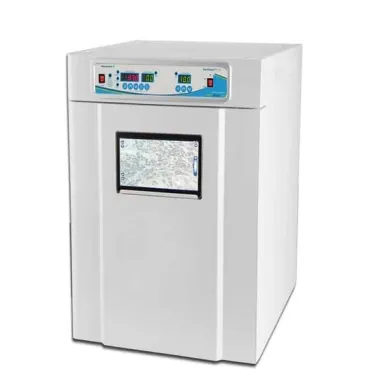
The 643 listings are weighted toward laboratory mixers, benchtop centrifuges, mini centrifuges, microcentrifuges, laboratory incubators and laboratory shakers. Condition is mixed, with 67 percent listed as used and the remainder new; the individual listing states the condition of each unit.
What separates the cheapest Benchmark Scientific listings from the most expensive?
The lower end is made up of small, single-function items like mini centrifuges and vortex mixers, while the upper end covers larger temperature-controlled or sterilisation equipment such as shaking incubators and autoclaves. Condition also moves the price, since used and refurbished units are listed below new ones.
About Questpair
Questpair is the European marketplace for lab equipment, where AI-prepared cases and personal specialists guide every purchase. We work with 247 verified suppliers across 38 countries to find buyers the right used, refurbished or new instruments, with response within 1 hour and significant savings vs buying new.
Personal · Fast · Reliable · Affordable