Price on request
In stock
Can't find what you're looking for?
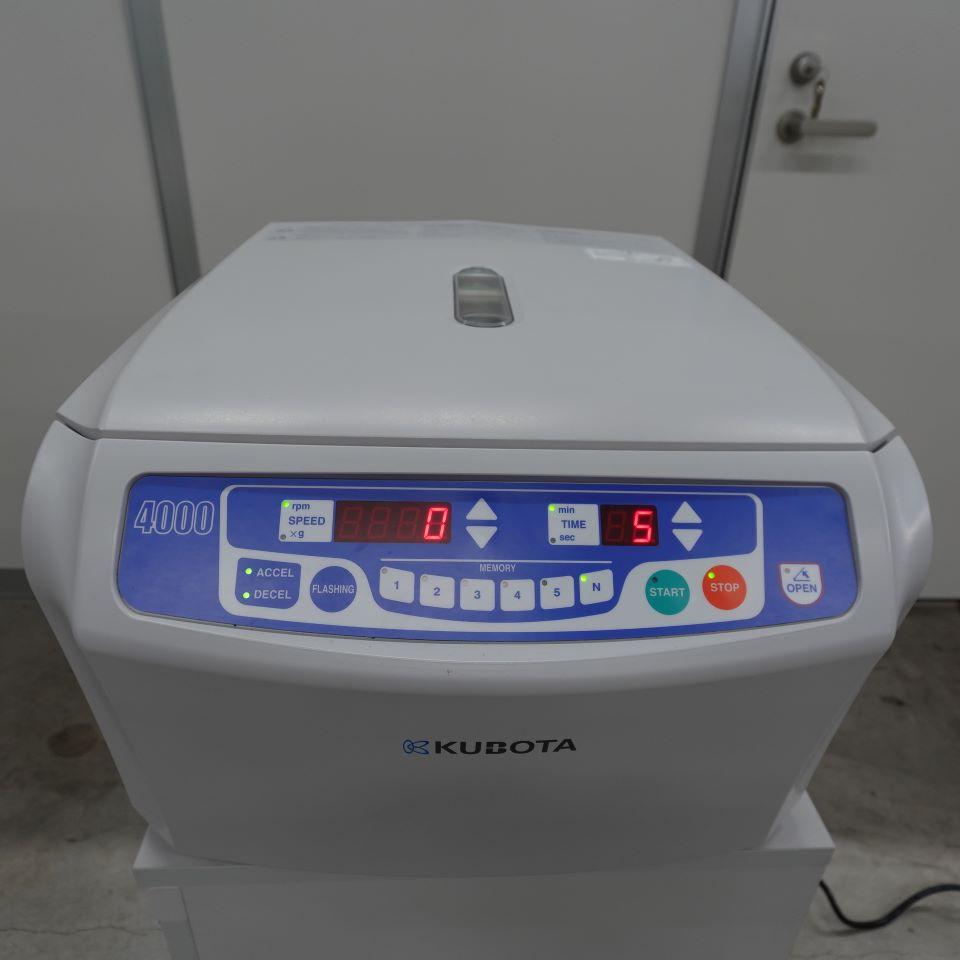
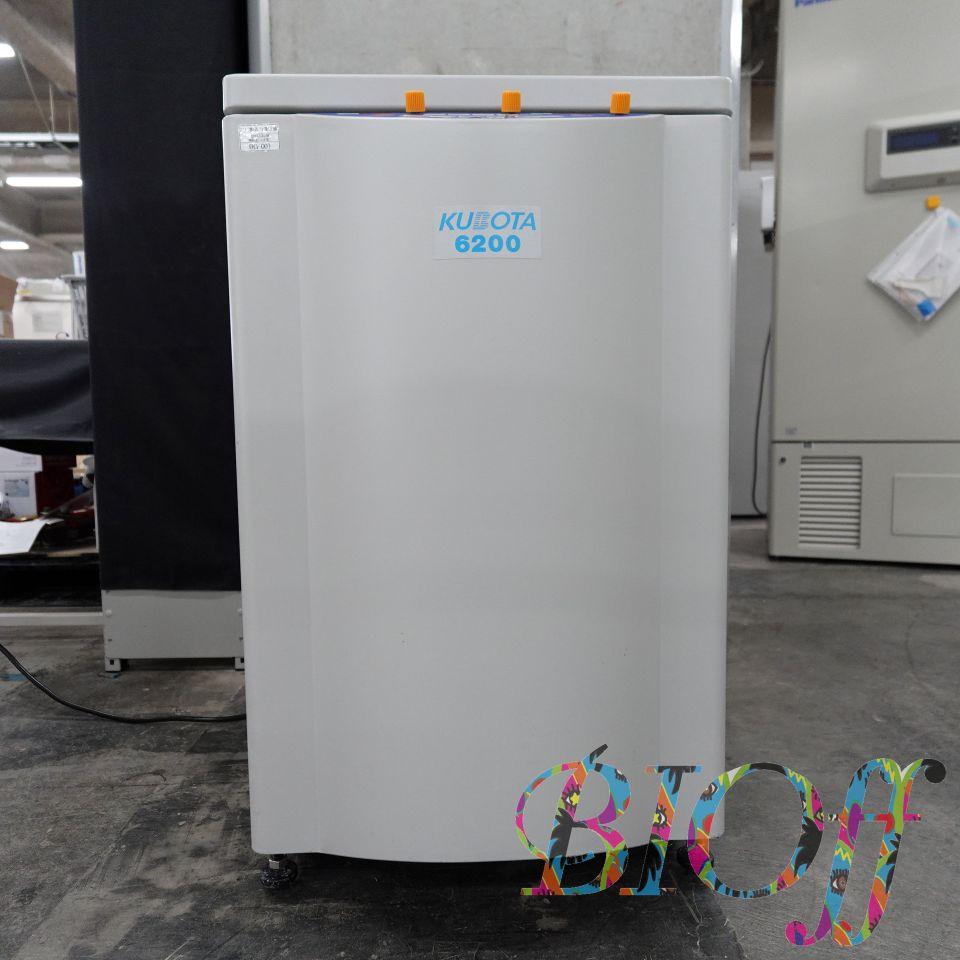
Used benchtop Kubota KN-70 RS-4 centrifuge with RS-4 swing bucket rotor, holds 15ml tubes × 24.
The Kubota KN-70 RS-4 is a benchtop multi-tube centrifuge featuring an RS-4 swing bucket rotor designed to accommodate 24 tubes of 15 ml each. This equipment is widely used in molecular diagnostics, biotechnology sample preparations, and bioprocessing workflows requiring reliable sample separation. The swing bucket rotor provides consistent centrifugal force distribution, essential for uniform pelleting and separation in live-cell imaging and clinical diagnostics.
This centrifuge model is an essential tool for users involved in bioprocessing, molecular cloning workflows, and other research requiring precise centrifugal separation at moderate tube capacities. Being a classic model, it remains relevant for institutions upgrading centrifugation capacity with budget considerations.
Lab equipment markets are fragmented. Buyers spend weeks calling distributors, comparing quotes, and verifying supplier reliability. Sellers struggle to reach global research labs.
We built Questpair to fix this. Every supplier on the platform is verified before listing. Every quote you receive comes from a real, vetted seller. AI prepares your case in minutes, then a real specialist takes over.
We're an independent team based in The Netherlands, working with research labs and procurement teams across Europe and worldwide.
With a service contract, ten to fifteen years is normal for most benchtop instruments. Detectors and pumps are the parts that wear first.
Yes. Every verified supplier states which service partners cover the instrument, and we list that alongside the offer.
Ask a scientist through the request button. Parts are often available even when the instrument itself is discontinued.
Two to six weeks, depending on refurbishment scope and whether calibration is included.
We ship to 38 countries. Crating and customs handling are quoted with the instrument.
Tell us what you need and a scientist finds it for you, usually within the hour.
Last updated 19 October 2026