58k+ listingsShips to NLResponse within one hour+31 73 711 4717info@questpair.com
Procurable · sourced on request

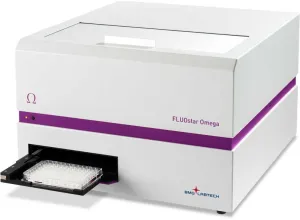
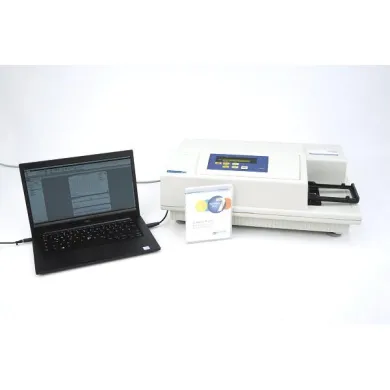
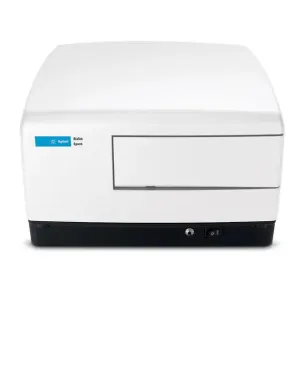
BMG LABTECH FLUOstar

UsedBMG LABTECHMicroplate readersNetherlands
Procurable

Not in stock, available to order through our sourcing team

Not in stock, but we can get it for you

We source this model through our supplier network. Request a quote and we'll come back within one hour.

  1. Request a quote
  2. We confirm price and lead time
  3. You approve, we ship to you
Detection Modes
Fluorescence intensity (including FRET and TRF), Luminescence (including BRET), UV/Vis absorbance
Spectral Range for Absorbance
220 to 1000 nm
Spectral Resolution for Absorbance
1, 2, 5, and 10 nm
Absorbance Measurement Range
0 to 4 OD
Absorbance Accuracy
< 1% at 2 OD
Availability
Procurable
Lead time
Confirmed with your quote
All 31 specifications
  • Ships to NL
  • Response within 1 hour
  • Warranty available. Buy without worry
  • Support from a scientist

Specifications 31

Brands
BMG LABTECH
New/Used
Used
Dimensions
Width: 440 mm, Depth: 480 mm, Height: 300 mm
Weight
28 kg
Detection Modes
Fluorescence intensity (including FRET and TRF), Luminescence (including BRET), UV/Vis absorbance
Spectral Range for Absorbance
220 to 1000 nm
Spectral Resolution for Absorbance
1, 2, 5, and 10 nm
Absorbance Measurement Range
0 to 4 OD
Absorbance Accuracy
< 1% at 2 OD
Absorbance Precision
< 0.5% at 1 OD and < 0.8% at 2 OD
Absorbance Linearity
≤ 0.8% at 2.0 OD
Fluorescence Intensity Sensitivity
< 0.2 fmol/well FITC
Time-Resolved Fluorescence Sensitivity
< 30 amol/well europium
Luminescence Sensitivity
< 20 amol/well ATP
Measurement Time per Well in Absorbance Mode
< 1 second
Measurement Time per Well in Fluorescence and Luminescence Modes
9 seconds (96-well plate), 16 seconds (384-well plate)
Shaking Options
Linear, orbital, and double-orbital with user-definable time and speed
Incubation Temperature Range
+4°C above ambient up to 45°C or 65°C
Power Supply
100-240 V, 50/60 Hz, max. peak 300 VA
Power Consumption in Normal Operating Conditions
25 W
Power Consumption with Incubation Set to 37°C
60 W
Compatible Microplate Formats
6 to 384-well plates; 1536-well plates in absorbance mode; user-definable formats
Low-Volume Measurement Capability
LVis Plate with 16 microspots of 2 μL each
Reagent Injection Capacity
Up to 2 built-in reagent injectors with individual injection volumes for each well (3 to 500 μL)
Reagent Injection Speed
Up to 420 μL/s
Reagent Injection Events per Well
Up to four injection events per well
Reagent Back Flushing Capability
Yes
Data Output Formats
Excel, Absolute Database, or ASCII format
Software Compliance
FDA 21 CFR Part 11 compliant
Availability
Procurable
Lead time
Confirmed with your quote

Product description

Versatile microplate reader with multi-detection modes, ultra-fast UV/Vis, injectors, and temperature control.

The FLUOstar® Omega is a versatile multi-mode microplate reader designed to meet the diverse needs of life science research. This instrument offers rapid and precise measurements across various detection modes, making it an invaluable tool for laboratories seeking efficiency and reliability.

Key features include:

  • Multiple detection modes: Supports fluorescence intensity (including FRET and TRF), luminescence (including BRET), and UV/Vis absorbance, accommodating a wide range of assays.
  • Ultra-fast UV/Vis spectrometer: Captures full absorbance spectra from 220 to 1000 nm in less than one second per well, enhancing throughput.
  • High-precision injectors: Facilitates simultaneous reagent injection and detection, crucial for kinetic studies.
  • Temperature control and shaking: Offers incubation up to 65°C with linear, orbital, and double-orbital shaking options, supporting various experimental conditions.
  • Top and bottom reading capabilities: Ensures flexibility in assay design and sample types.
  • Upgradable design: Allows for the addition of detection modes and accessories, such as the Atmospheric Control Unit (ACU) for O₂ and CO₂ regulation, adapting to evolving research needs.

The FLUOstar® Omega is widely utilised in fields such as molecular biology, biochemistry, pharmacology, and cell biology. Its applications range from nucleic acid quantification and enzyme kinetics to cell viability assays and protein-protein interaction studies.

Commonly found in university laboratories, biomedical research centres, and pharmaceutical companies, this microplate reader has been a reliable asset since its release in 2010. Its enduring relevance is a testament to BMG LABTECH's commitment to quality and innovation in laboratory instrumentation.

Why Questpair exists

Lab equipment markets are fragmented. Buyers spend weeks calling distributors, comparing quotes, and verifying supplier reliability. Sellers struggle to reach global research labs.

We built Questpair to fix this. Every supplier on the platform is verified before listing. Every quote you receive comes from a real, vetted seller. AI prepares your case in minutes, then a real specialist takes over.

We're an independent team based in The Netherlands, working with research labs and procurement teams across Europe and worldwide.

Frequently asked questions

How long does laboratory equipment typically last?

With a service contract, ten to fifteen years is normal for most benchtop instruments. Detectors and pumps are the parts that wear first.

Can I get service for older equipment?

Often, yes. Verified suppliers frequently work with service partners converting the instrument. If applicable, we can list servicing options alongside the offer.

Where can I buy parts?

Ask a scientist through the request button. Parts are often available even when the instrument itself is discontinued.

What is the typical lead time for refurbished equipment?

Two to six weeks, depending on refurbishment scope and whether calibration is included.

Does laboratory equipment ship internationally?

We ship to 38 countries. Crating and customs handling are quoted with the instrument.

Reply in one hour

Can't find the exact configuration?

Tell us what you need and a scientist finds it for you, usually within the hour.

Last updated 22 October 2026