53k+ listingsShips to NLResponse within one hour+31 73 711 4717info@questpair.com
Procurable · sourced on request

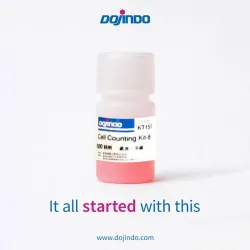
Dojindo Molecular Technologies Inc. Cell Counting Kit-8 (CCK-8)

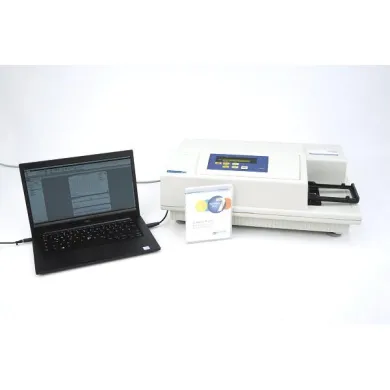
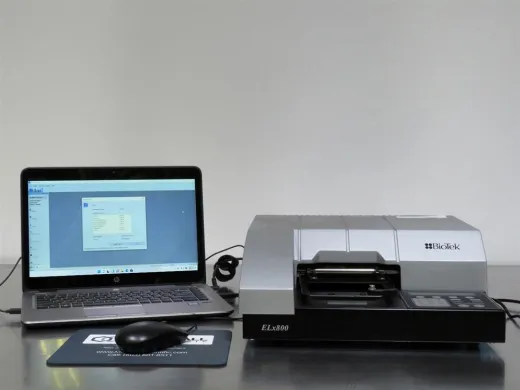
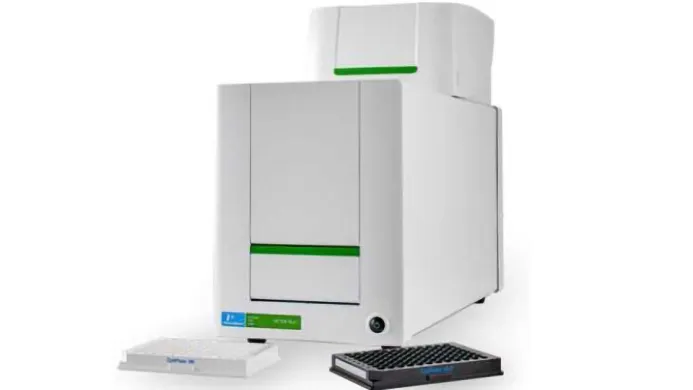
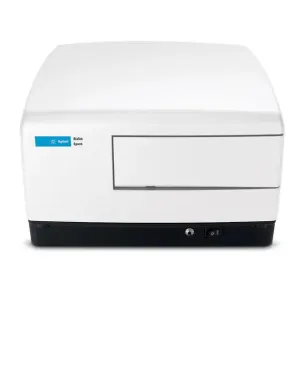
UsedDojindo Molecular Technologies Inc.Microplate readersNetherlands
Procurable

Not in stock, available to order through our sourcing team

Not in stock, but we can get it for you

We source this model through our supplier network. Request a quote and we'll come back within one hour.

  1. Request a quote
  2. We confirm price and lead time
  3. You approve, we ship to you
Cell Counting Kit-8 (CCK-8) Assay
Colorimetric assay for cell viability and proliferation
Absorbance Measurement Wavelength
450 nm
Detection Sensitivity
Detects as few as 10 cells per well
Incubation Time
Up to 48 hours without harming cells
Storage Stability at Room Temperature
6 months
Availability
Procurable
Lead time
Confirmed with your quote
All 14 specifications
  • Ships to NL
  • Response within 1 hour
  • Warranty available. Buy without worry
  • Support from a scientist

Specifications 14

Brands
Dojindo Molecular Technologies Inc.
New/Used
Used
Cell Counting Kit-8 (CCK-8) Assay
Colorimetric assay for cell viability and proliferation
Absorbance Measurement Wavelength
450 nm
Detection Sensitivity
Detects as few as 10 cells per well
Incubation Time
Up to 48 hours without harming cells
Storage Stability at Room Temperature
6 months
Storage Stability at 0-5°C
1 year with protection from light
Storage Stability at -20°C
2 years
Compatible Cell Types
Adherent and suspension cells
Compatible Plate Formats
96-well, 24-well, 6-well, and 384-well plates
Formulation
One-bottle solution; no premixing required
Availability
Procurable
Lead time
Confirmed with your quote

Product description

Sensitive colorimetric assay using WST-8 to quantify viable cells via formazan dye absorbance at 450 nm.

Cell Counting Kit-8 (CCK-8) is a highly sensitive, non-radioactive colorimetric assay designed to assess cell viability and proliferation. This kit employs the water-soluble tetrazolium salt WST-8, which is reduced by cellular dehydrogenases in metabolically active cells to produce an orange formazan dye. The intensity of the color, measurable at 450 nm, is directly proportional to the number of viable cells, facilitating accurate quantification of cell proliferation and cytotoxicity.

Key features:

  • Enhanced sensitivity: Detects as few as 10 cells per well, surpassing traditional assays like MTT, XTT, and MTS.
  • Rapid and straightforward workflow: Requires only a single reagent addition and a short incubation period, with no need for solubilization steps.
  • Low cytotoxicity: Allows for longer incubation times (up to 48 hours) without harming cells, enabling continuous monitoring of cell viability.
  • High reproducibility: Provides consistent results across various cell lines, ensuring reliability in experimental outcomes.
  • Broad compatibility: Suitable for use with both adherent and suspension cells, and compatible with standard microplate readers.

Applications:

  • Biotechnology: Essential for evaluating cell viability in bioprocessing and biomanufacturing workflows.
  • Drug discovery: Widely used in high-throughput screening to assess the cytotoxic effects of compounds on various cell lines.
  • Oncology research: Critical for studying cancer cell proliferation and the efficacy of potential therapeutic agents.
  • Molecular biology: Utilized in gene editing and synthetic biology to monitor cell health post-transfection or genetic modification.
  • Clinical diagnostics: Applied in molecular diagnostics to evaluate cell viability in patient-derived samples.

Commonly used in:

  • Biotechnology companies: For quality control and optimization of cell-based processes.
  • Pharmaceutical firms: In preclinical testing and drug development pipelines.
  • Academic and research institutions: For fundamental studies in cell biology and related fields.
  • Clinical laboratories: To assess cell viability in diagnostic assays.

Since its introduction, CCK-8 has become a staple in laboratories worldwide, offering a reliable and efficient method for cell viability assessment. Its continued relevance underscores its value in advancing research and development across multiple scientific disciplines.

Why Questpair exists

Lab equipment markets are fragmented. Buyers spend weeks calling distributors, comparing quotes, and verifying supplier reliability. Sellers struggle to reach global research labs.

We built Questpair to fix this. Every supplier on the platform is verified before listing. Every quote you receive comes from a real, vetted seller. AI prepares your case in minutes, then a real specialist takes over.

We're an independent team based in The Netherlands, working with research labs and procurement teams across Europe and worldwide.

Frequently asked questions

How long does laboratory equipment typically last?

With a service contract, ten to fifteen years is normal for most benchtop instruments. Detectors and pumps are the parts that wear first.

Can I get service for older equipment?

Often, yes. Verified suppliers frequently work with service partners converting the instrument. If applicable, we can list servicing options alongside the offer.

Where can I buy parts?

Ask a scientist through the request button. Parts are often available even when the instrument itself is discontinued.

What is the typical lead time for refurbished equipment?

Two to six weeks, depending on refurbishment scope and whether calibration is included.

Does laboratory equipment ship internationally?

We ship to 38 countries. Crating and customs handling are quoted with the instrument.

Reply in one hour

Can't find the exact configuration?

Tell us what you need and a scientist finds it for you, usually within the hour.

Last updated 5 November 2026