From€9,750excl. VAT
In stock
Can't find what you're looking for?
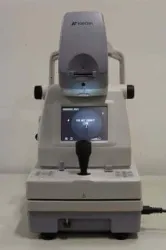
Topcon TRC-NW200 non-mydriatic retinal camera for infrared observation, color fundus photography, digital zoom and image recording.
The Topcon TRC-NW200 non-mydriatic retinal camera is an ophthalmic imaging system for observing and photographing the eye fundus.
The optical system uses infrared observation illumination and visible light photography illumination. A built-in observation CCD camera displays the fundus image on a monitor. A photography CCD camera records images to a memory card, commercial computer or external recording device. Digital zoom changes the illumination aperture and the photographed corneal diameter. Removing the infrared filter enables color photography.
The unit is used. No testing, service history or calibration details are provided.
The Topcon TRC-NW200 is a non-mydriatic retinal camera for ophthalmic fundus imaging.
The separate observation and photography CCD cameras support live fundus viewing and image capture through dedicated imaging paths. The monitor displays the observation image, while captured photographs are stored on a memory card, commercial computer or external recording device.
Digital zoom changes both the illumination aperture and the photographed corneal diameter. This links the zoom setting to the illuminated and photographed area of the eye rather than only changing the displayed image size.
Lab equipment markets are fragmented. Buyers spend weeks calling distributors, comparing quotes, and verifying supplier reliability. Sellers struggle to reach global research labs.
We built Questpair to fix this. Every supplier on the platform is verified before listing. Every quote you receive comes from a real, vetted seller. AI prepares your case in minutes, then a real specialist takes over.
We're an independent team based in The Netherlands, working with research labs and procurement teams across Europe and worldwide.
With a service contract, ten to fifteen years is normal for most benchtop instruments. Detectors and pumps are the parts that wear first.
Often, yes. Verified suppliers frequently work with service partners converting the instrument. If applicable, we can list servicing options alongside the offer.
Ask a scientist through the request button. Parts are often available even when the instrument itself is discontinued.
Two to six weeks, depending on refurbishment scope and whether calibration is included.
We ship to 38 countries. Crating and customs handling are quoted with the instrument.
Tell us what you need and a scientist finds it for you, usually within the hour.
Last updated 28 November 2026
Questpair lists 215 similar items in Cameras.