58k+ listingsShips to NLResponse within one hour+31 73 711 4717info@questpair.com
Procurable · sourced on request

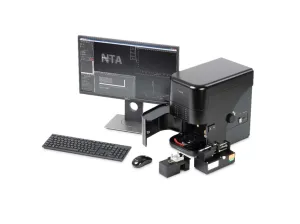
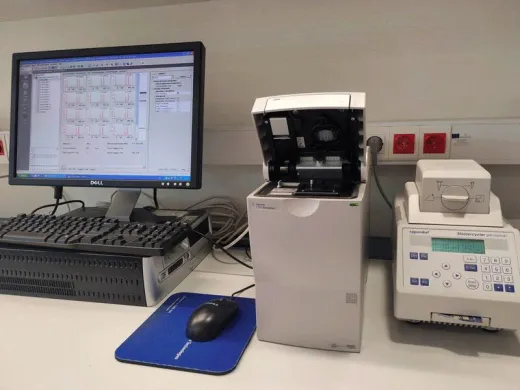
Malvern Panalytical NanoSight NS300

UsedMalvern PanalyticalMicrofluidicsNetherlands
Procurable

Not in stock, available to order through our sourcing team

Not in stock, but we can get it for you

We source this model through our supplier network. Request a quote and we'll come back within one hour.

  1. Request a quote
  2. We confirm price and lead time
  3. You approve, we ship to you
Particle Size Range
10 nm to 2000 nm
Particle Concentration Range
10⁶ to 10⁹ particles per mL
Fluorescence Detection Mode
Yes
Sample Volume
250 μL
Sample Chamber Cleaning
Easy cleaning and assembly with removable top plate and laser module block
Availability
Procurable
Lead time
Confirmed with your quote
All 16 specifications
  • Ships to NL
  • Response within 1 hour
  • Warranty available. Buy without worry
  • Support from a scientist

Specifications 16

Brands
Malvern Panalytical
New/Used
Used
Particle Size Range
10 nm to 2000 nm
Particle Concentration Range
10⁶ to 10⁹ particles per mL
Fluorescence Detection Mode
Yes
Sample Volume
250 μL
Sample Chamber Cleaning
Easy cleaning and assembly with removable top plate and laser module block
Temperature Control Range
5 °C below ambient to 50 °C
Laser Wavelengths
405 nm, 488 nm, 532 nm, 642 nm
Power Requirements
AC 110 – 240 V, 50-60 Hz, 4.0 A
Camera
High sensitivity sCMOS
Fluorescence Filter Wheel
Motorized 6-place filter wheel with choice of filters
Dimensions (W x D x H)
400 mm x 250 mm x 400 mm
Weight
11 kg
Availability
Procurable
Lead time
Confirmed with your quote

Product description

Nanoparticle tracking system measuring size (10 nm–1 µm) and concentration with fluorescence detection.

NanoSight NS300 is a nanoparticle tracking analysis (NTA) system designed to characterise nanoparticles in liquid suspension. This instrument enables precise measurement of particle size distribution and concentration, making it indispensable in biotechnology and nanomedicine research.

Key features include:

  • High-resolution particle size analysis: Accurately measures nanoparticles ranging from 10 nm to 1 µm.
  • Concentration measurement: Provides quantitative data on particle concentration in samples.
  • Fluorescence detection capabilities: Allows differentiation of fluorescently labelled particles, enhancing specificity in complex samples.
  • User-friendly software interface: Simplifies data acquisition and analysis, facilitating efficient workflows.

This system is widely applied in:

  • Biotechnology: Essential for bioprocessing and biomanufacturing, ensuring quality control of nanoparticle-based products.
  • Nanomedicine: Critical for developing and characterising drug delivery systems and gene therapy vectors.
  • Environmental science: Used to monitor nanoparticle pollution and its impact on ecosystems.
  • Material science: Supports the development of novel nanomaterials with tailored properties.

Commonly utilised in:

  • University laboratories: Supporting academic research in nanotechnology and related fields.
  • Biopharmaceutical companies: Ensuring quality control in the production of nanoparticle-based therapeutics.
  • Clinical research centres: Facilitating the development of diagnostic tools and treatments involving nanoparticles.

First released in 2013, this instrument remains a cornerstone in nanoparticle analysis, reflecting the manufacturer's commitment to innovation in nanoparticle characterisation.

Why Questpair exists

Lab equipment markets are fragmented. Buyers spend weeks calling distributors, comparing quotes, and verifying supplier reliability. Sellers struggle to reach global research labs.

We built Questpair to fix this. Every supplier on the platform is verified before listing. Every quote you receive comes from a real, vetted seller. AI prepares your case in minutes, then a real specialist takes over.

We're an independent team based in The Netherlands, working with research labs and procurement teams across Europe and worldwide.

Frequently asked questions

How long does laboratory equipment typically last?

With a service contract, ten to fifteen years is normal for most benchtop instruments. Detectors and pumps are the parts that wear first.

Can I get service for older equipment?

Often, yes. Verified suppliers frequently work with service partners converting the instrument. If applicable, we can list servicing options alongside the offer.

Where can I buy parts?

Ask a scientist through the request button. Parts are often available even when the instrument itself is discontinued.

What is the typical lead time for refurbished equipment?

Two to six weeks, depending on refurbishment scope and whether calibration is included.

Does laboratory equipment ship internationally?

We ship to 38 countries. Crating and customs handling are quoted with the instrument.

Reply in one hour

Can't find the exact configuration?

Tell us what you need and a scientist finds it for you, usually within the hour.

Last updated 22 October 2026