53k+ listingsShips to NLResponse within one hour+31 73 711 4717info@questpair.com
Procurable · sourced on request

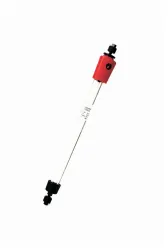
Cytiva Superdex 75 10/300 GL

UsedCytivaChromatography mediaNetherlands
Procurable

Not in stock, available to order through our sourcing team

Not in stock, but we can get it for you

We source this model through our supplier network. Request a quote and we'll come back within one hour.

  1. Request a quote
  2. We confirm price and lead time
  3. You approve, we ship to you
Column Length × Inner Diameter
300 mm × 10 mm
Average Particle Size
13 μm
Bed Support Material
Polyamide
Column Material
Glass
Reinforcement Material
Polypropylene fiber (reinforced glass)
Availability
Procurable
Lead time
Confirmed with your quote
All 18 specifications
  • Ships to NL
  • Response within 1 hour
  • Warranty available. Buy without worry
  • Support from a scientist

Specifications 18

Brands
Cytiva
New/Used
Used
Column Length × Inner Diameter
300 mm × 10 mm
Average Particle Size
13 μm
Bed Support Material
Polyamide
Column Material
Glass
Reinforcement Material
Polypropylene fiber (reinforced glass)
Matrix Composition
Agarose-dextran composite
Bed Volume
24 mL
Sample Volume
25 to 500 μL
Molecular Weight Range
3,000 to 70,000 Da
Separation Technique
Size exclusion chromatography (SEC)
Flow Rate
0.5 to 1 mL/min
Operating pH Range
1 to 14
Storage Temperature
4 to 30 °C
Cleaning Solutions
1 M acetic acid, 8 M urea, 6 M guanidine hydrochloride, 30% isopropanol, 70% ethanol, 1 M NaOH
Availability
Procurable
Lead time
Confirmed with your quote

Product description

High-resolution SEC column for proteins/polynucleotides, molecular weight range 3,000–70,000 Da, pH 1–14, pre-packed.

The Superdex 75/300 is a high-resolution size exclusion chromatography (SEC) column designed for the precise separation of proteins and polynucleotides based on molecular size. This instrument is particularly effective for analysing biomolecules within the molecular weight range of 3,000 to 70,000 Daltons, making it indispensable in various biotechnological applications.

Key features:

  • High-resolution separation: Achieves exceptional resolution for proteins and polynucleotides, facilitating accurate molecular weight determinations.
  • Rapid analysis: Enables swift separations, enhancing laboratory throughput.
  • Chemical and physical stability: Constructed with a cross-linked agarose matrix, ensuring durability and consistent performance.
  • Broad pH compatibility: Operates effectively across a pH range of 1 to 14, accommodating diverse experimental conditions.
  • Pre-packed convenience: Supplied pre-packed for immediate use, ensuring reproducibility and ease of operation.

Applications:

  • Protein purification: Essential for isolating and purifying proteins in research and biopharmaceutical production.
  • Molecular weight analysis: Accurately determines the molecular weight of proteins and polynucleotides.
  • Bioprocessing: Integral in downstream processing for the purification of biopharmaceuticals.
  • Synthetic biology: Facilitates the separation and analysis of engineered biomolecules.

Commonly used in:

  • Biotechnology companies: For the development and production of therapeutic proteins and enzymes.
  • Academic research laboratories: Supporting fundamental research in molecular biology and biochemistry.
  • Pharmaceutical industry: Employed in drug development and quality control processes.

First introduced in the late 1990s, the Superdex 75/300 remains a cornerstone in protein purification and analysis, reflecting its enduring relevance in the biotechnology sector.

Why Questpair exists

Lab equipment markets are fragmented. Buyers spend weeks calling distributors, comparing quotes, and verifying supplier reliability. Sellers struggle to reach global research labs.

We built Questpair to fix this. Every supplier on the platform is verified before listing. Every quote you receive comes from a real, vetted seller. AI prepares your case in minutes, then a real specialist takes over.

We're an independent team based in The Netherlands, working with research labs and procurement teams across Europe and worldwide.

Frequently asked questions

How long does laboratory equipment typically last?

With a service contract, ten to fifteen years is normal for most benchtop instruments. Detectors and pumps are the parts that wear first.

Can I get service for older equipment?

Often, yes. Verified suppliers frequently work with service partners converting the instrument. If applicable, we can list servicing options alongside the offer.

Where can I buy parts?

Ask a scientist through the request button. Parts are often available even when the instrument itself is discontinued.

What is the typical lead time for refurbished equipment?

Two to six weeks, depending on refurbishment scope and whether calibration is included.

Does laboratory equipment ship internationally?

We ship to 38 countries. Crating and customs handling are quoted with the instrument.

Reply in one hour

Can't find the exact configuration?

Tell us what you need and a scientist finds it for you, usually within the hour.

Last updated 6 November 2026