€87excl. VAT
In stock
Can't find what you're looking for?
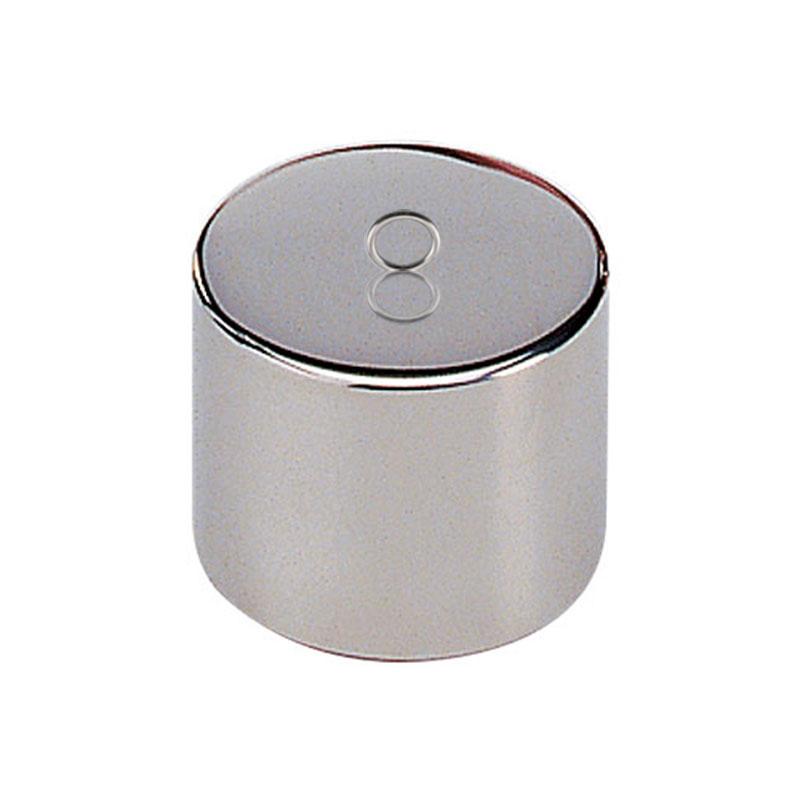
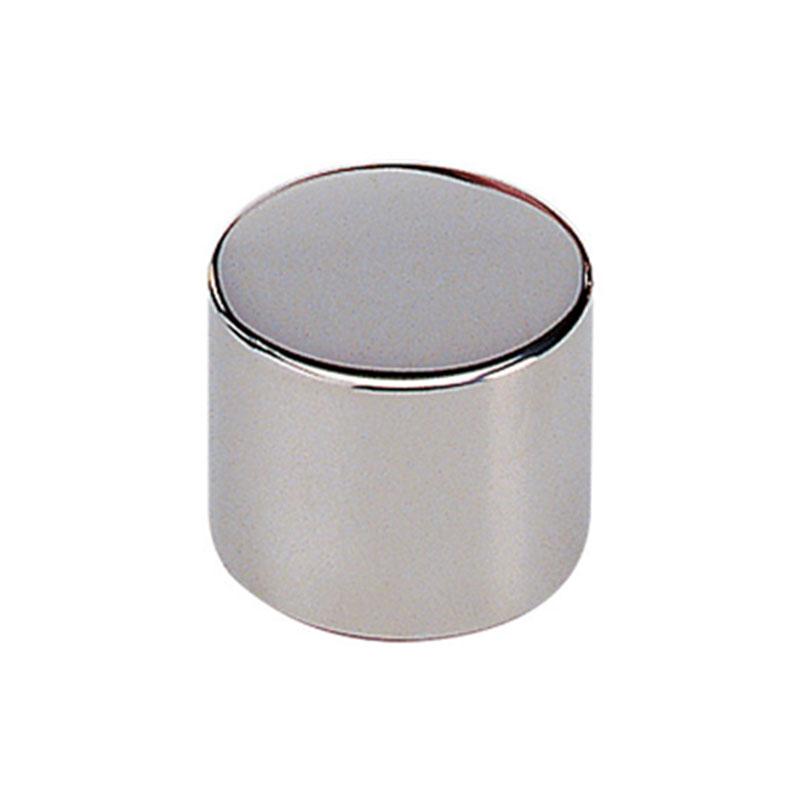
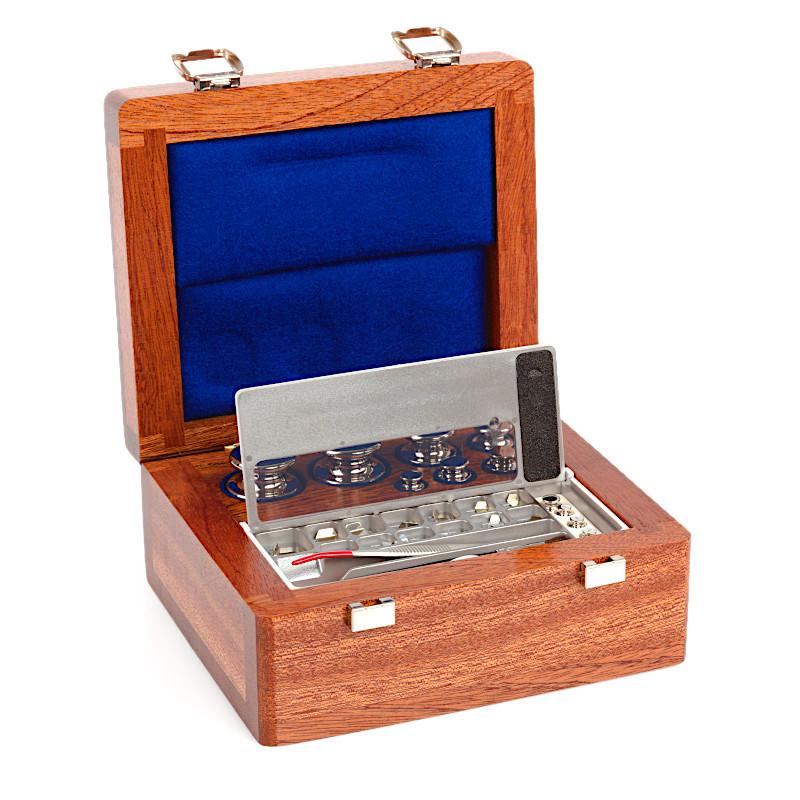
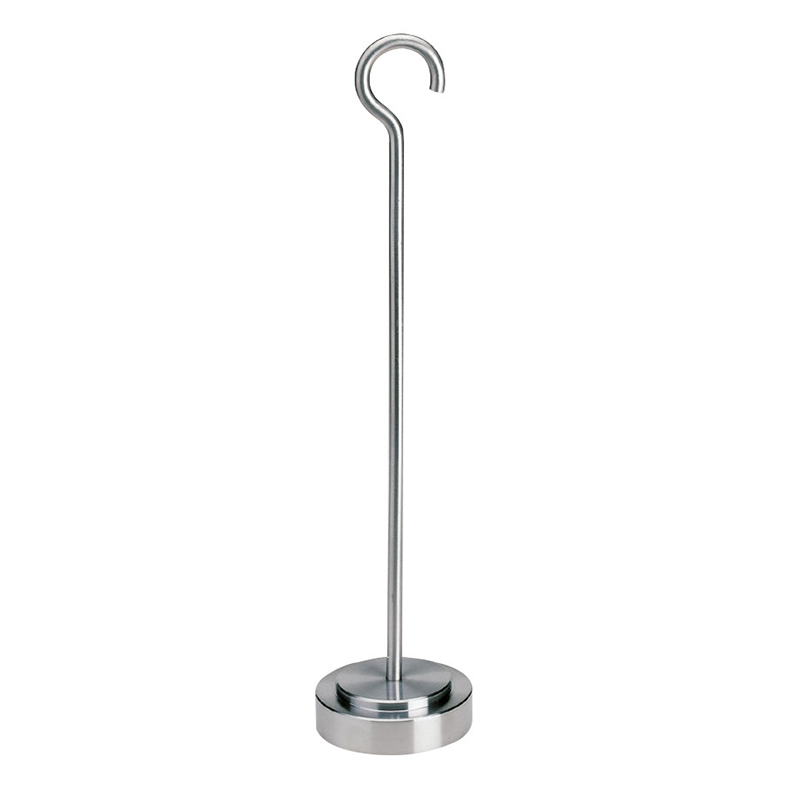
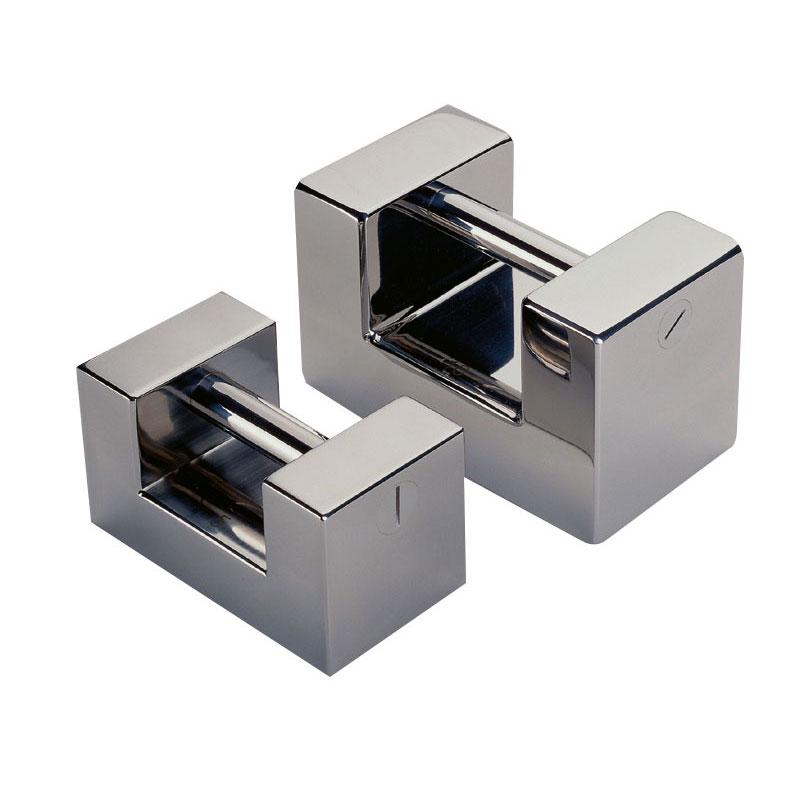
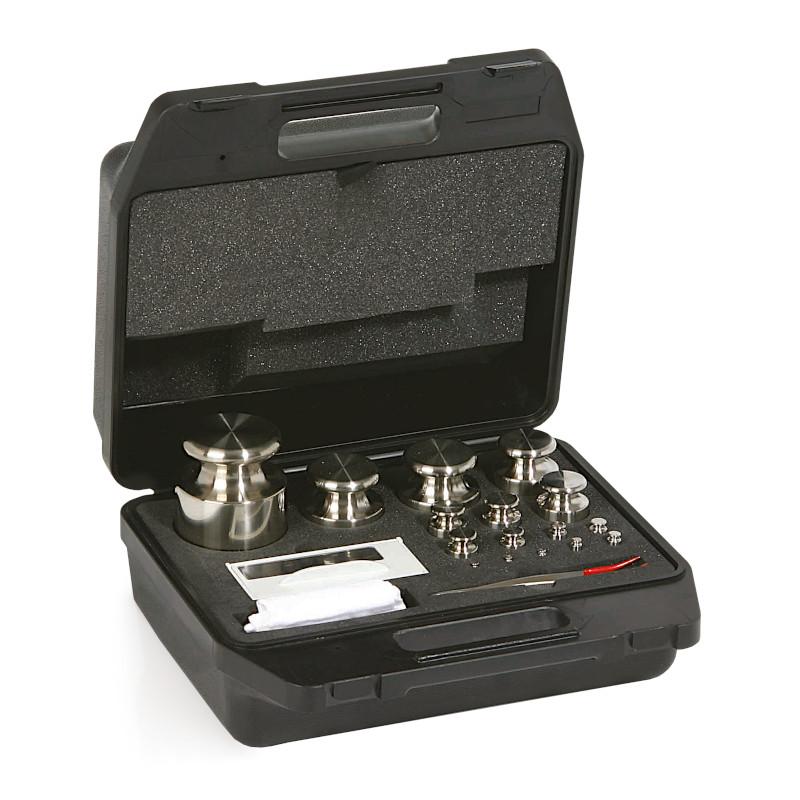
Elite precision mass standard ideal for critical measurements in labs and industry.
E1-class mass standards are the elite in the world of metrology, because standards of this class represent the highest level of precision and accuracy in mass measurement. The E1 classification is one of the most stringent standards that standards must meet in order to be considered the most advanced and trustworthy measurement tools.
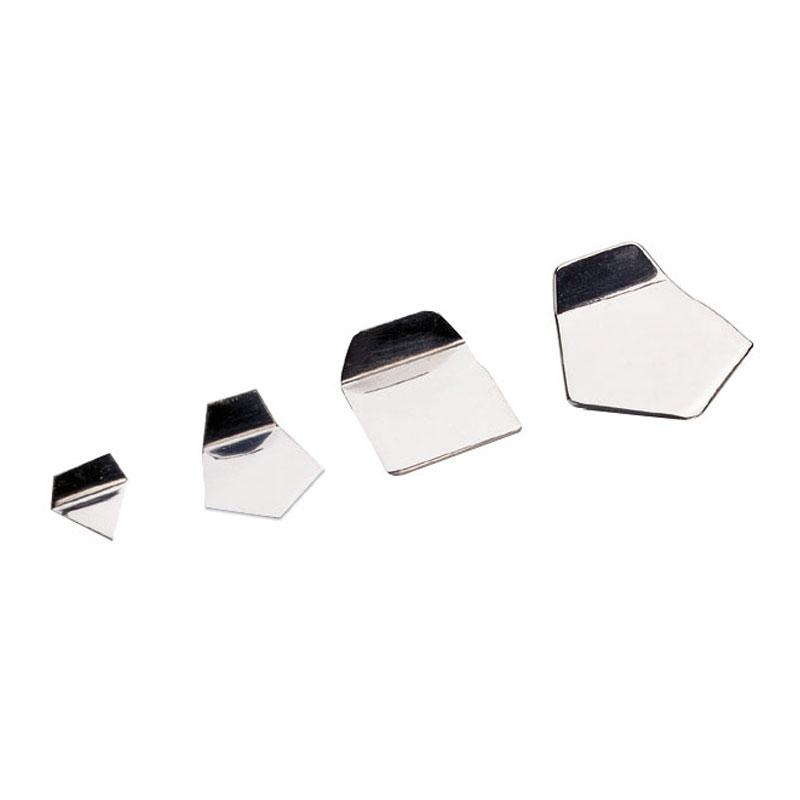
E1 - class standard: flat polygonal sheet Nominal value: 20 mg Material: Stainless steel
What Are the Characteristics of the E1 Class?
Highest Precision
Stability and Repeatability
Accurate Calibration
Materials with Unique Properties - E1 class mass standards are often made of materials with exceptional physical properties, which makes them stable and resistant to changes in environmental conditions.
Application
1. Analytical Laboratories
In analytical laboratories where accurate measurements are crucial, E1 class mass standards are used to calibrate balances with the highest precision.
2. Pharmaceutical Industry
In drug manufacturing, where even the slightest deviation from the standard affects quality, E1 class mass standards are irreplaceable.
3. Scientific Research
In scientific research, especially in areas requiring the highest precision, such as physics or chemistry, E1 class mass standards are used to ensure reliable results.
4. Metrology Industry
In metrology laboratories where research on E1 class mass standards alone is carried out, E1 class standards are the standard of excellence.
Class E1 mass standards are not only measuring tools, but also a symbol of metrological excellence. Their use affects the quality of measurements in various areas of life because they provide precision that can be relied upon. They are a key element in the world of mass measurement, shaping standards and raising the bar for all measurement tools.
Lab equipment markets are fragmented. Buyers spend weeks calling distributors, comparing quotes, and verifying supplier reliability. Sellers struggle to reach global research labs.
We built Questpair to fix this. Every supplier on the platform is verified before listing. Every quote you receive comes from a real, vetted seller. AI prepares your case in minutes, then a real specialist takes over.
We're an independent team based in The Netherlands, working with research labs and procurement teams across Europe and worldwide.
With a service contract, ten to fifteen years is normal for most benchtop instruments. Detectors and pumps are the parts that wear first.
Yes. Every verified supplier states which service partners cover the instrument, and we list that alongside the offer.
Ask a scientist through the request button. Parts are often available even when the instrument itself is discontinued.
Two to six weeks, depending on refurbishment scope and whether calibration is included.
We ship to 38 countries. Crating and customs handling are quoted with the instrument.
Tell us what you need and a scientist finds it for you, usually within the hour.
Last updated 19 October 2026
€87 sits in the middle range mass standards here. The middle half of the 603 with a price runs from €78 to €1,897.