

Industrial scales
We personally find you the right used, refurbished and new industrial scales instruments & equipment from verified suppliers.
Industrial scales are weighing instruments built for commercial and manufacturing environments, where loads range from a few kilograms on a bench to several tonnes on a floor platform. Across the Questpair catalogue, 1522 laboratory and industrial weighing listings are offered by 16 verified suppliers and distributors in 10 countries. New, used and refurbished units appear side by side: 43 percent of the listings are used, the remainder new. Prices run from EUR 9 to EUR 33.658. The spread reflects a field that covers simple parcel scales, hazardous-area instruments, pallet and beam systems, and the terminals and accessories that complete a weighing station.
Updated:
Industrial scales product list


Not the exact instrument you need?
Tell our scientists what you are after. We track it down, including off-market supply.

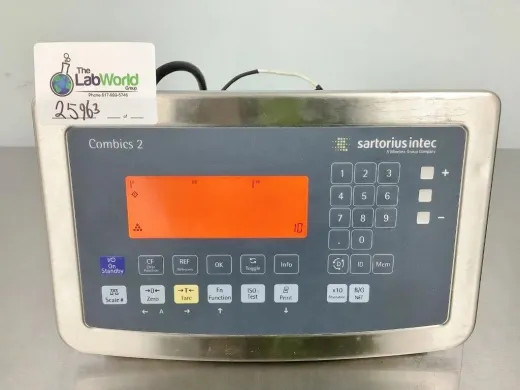
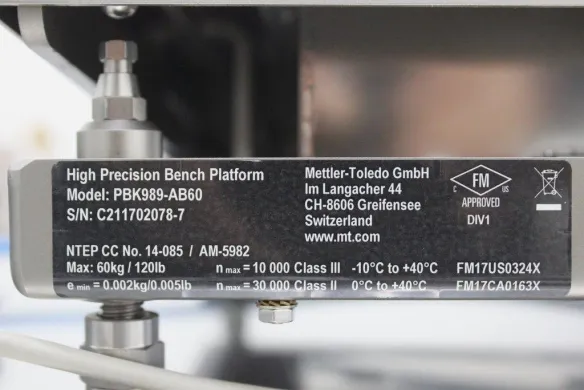
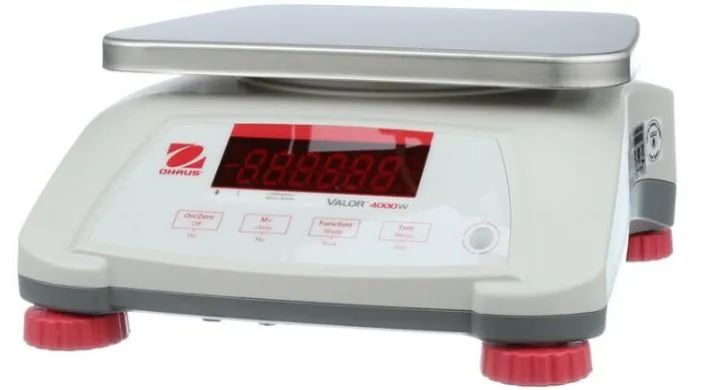
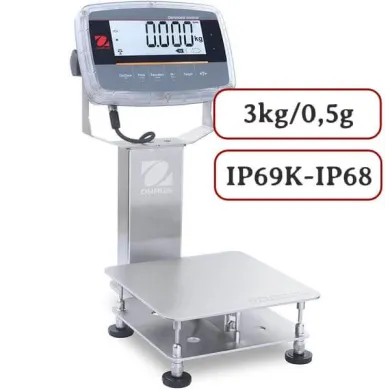



Not the exact instrument you need?
Tell our scientists what you are after. We track it down, including off-market supply.

Showing 1–40 of 1,217 listings
Show 40 more listingsBuying guide
What capacity and readability settle for an industrial scale?
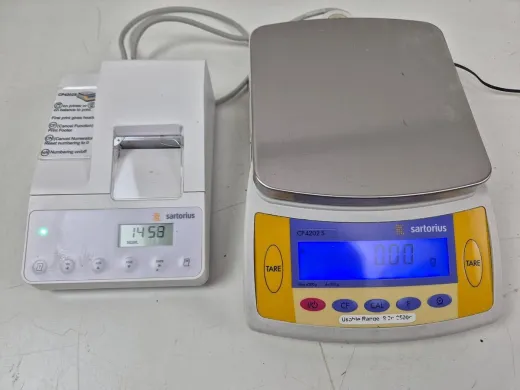
The first number to fix is the working range, because it decides almost everything that follows. An industrial scale has a maximum capacity and a readability, the smallest increment it can resolve, and those two together define what a given unit can actually do. A platform rated for 300 kg reading to 50 g suits packed goods on a dispatch line; a pallet system rated for 3,000 kg reading to 1 kg handles inbound freight. Picking a capacity far above the real load wastes resolution, since readability scales with the maximum, so a buyer matches the rating to the heaviest routine load rather than to the rare exception.
Where the scale will stand matters as much as what it weighs. A unit destined for a loading bay needs an IP-rated enclosure against dust and washdown, and a scale for a solvent store or a flour mill needs an explosion-protected rating for that zone, which is a separate class of instrument entirely and listed here as such. Legal-for-trade use adds another layer, because a scale used to price or bill by weight must carry the right conformity marking for its jurisdiction, and that is worth confirming on the listing before the order goes out.
On a used weighing platform, the load cells and the junction box are what a buyer checks. A platform that has carried forklift traffic can show cell drift or a cracked summing board, and the quickest verification is a span check against a known test weight across the range, corner to corner. Ask whether the instrument was last calibrated and whether a calibration certificate travels with it. Warranty on a used unit is arranged in consultation for the specific listing, so the condition of the cells is the thing to establish first.
Price tracks capacity, enclosure rating and brand. A bench scale from Radwag, Ohaus, Mettler Toledo, Sartorius, OHAUS sits at the low end of the band, while a hazardous-area platform or a full pallet-weighing station sits far higher, and the full range on the catalogue runs from EUR 9 to EUR 33.658. What fits a budget depends less on the headline figure than on whether a new instrument is needed at all: the used and refurbished units listed for sale are more affordable than their new equivalents, and for a workhorse platform that difference buys a higher capacity for the same spend. The averages and the spread are visible in the listings themselves, so a buyer comparing models for sale can read the real band rather than a nominal list price.
Types of Industrial scales
Industrial scales accessories
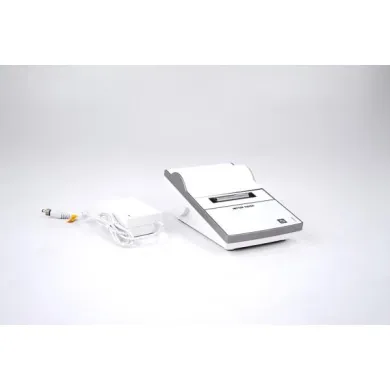
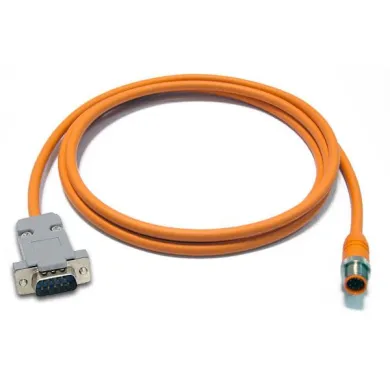
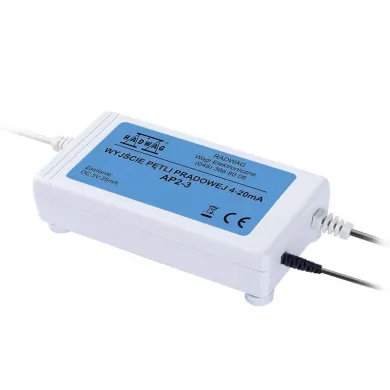
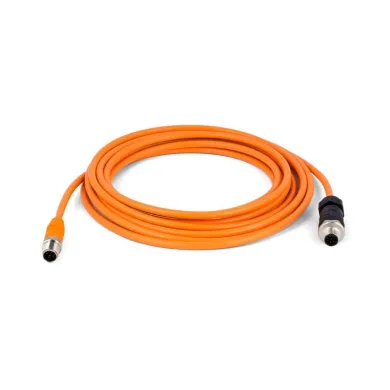
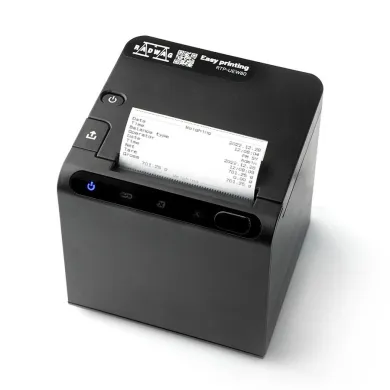
Accessories are the parts and add-ons that keep a weighing station running: load cells, mounting feet, summing boxes, printers, display cables, calibration weights and protective covers. Among the listings that specify a type, this is the largest group on the catalogue, which reflects how much of an industrial scale is replaceable without changing the whole instrument. A buyer reaches for accessories when a cell has drifted, a terminal needs a new printer, or a platform is being recommissioned after a move. Because these items are component-level rather than complete instruments, they sit at the lower end of the price band and are often what brings an older platform back into service rather than retiring it.
Scales for Ex areas
Scales for Ex areas are explosion-protected weighing instruments built for atmospheres where dust or vapour can ignite, such as solvent handling, powder processing and fuel storage. They carry an ATEX or equivalent zone rating that governs where they may be installed, and that certification, not the weighing mechanism, is what separates them from an ordinary platform. A pharmaceutical or chemical plant weighing out flammable solids, or a mill running fine organic dust, buys from this group because a standard scale is not permitted in those zones. The rating is specific to the zone and the substance, so the certification on the individual listing is the detail that decides whether a given unit fits a given room.
Weighing platforms
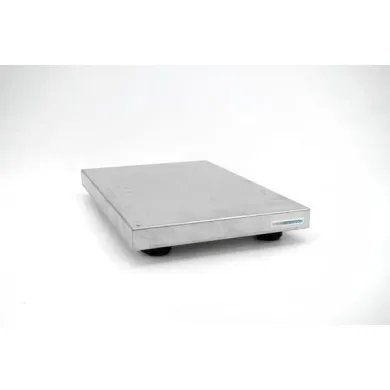
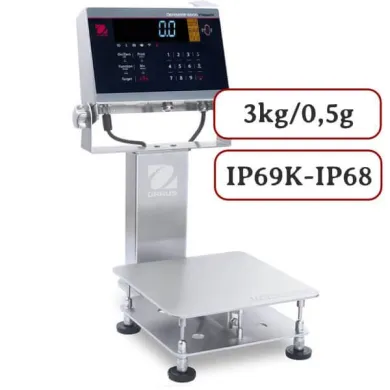
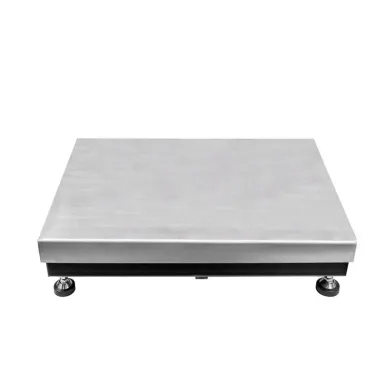
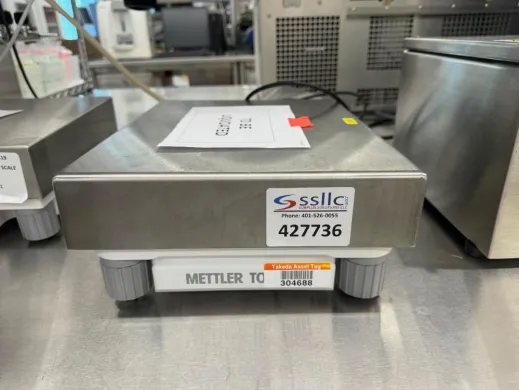
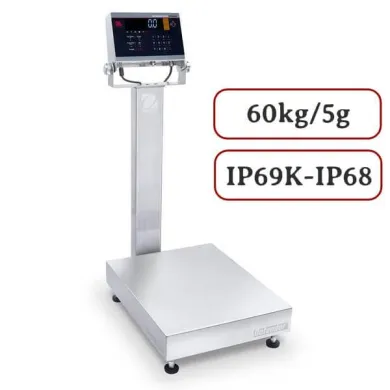
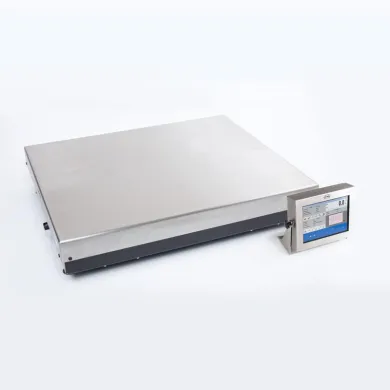
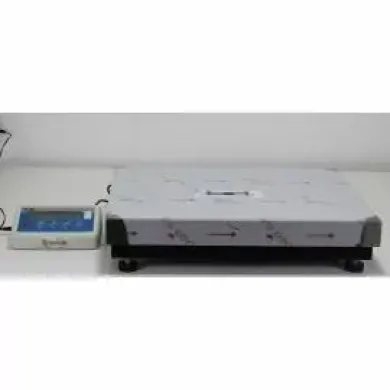
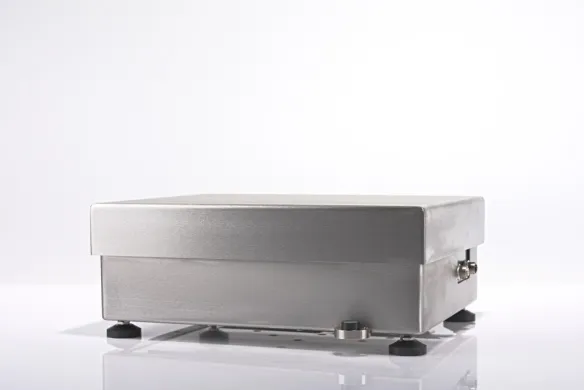
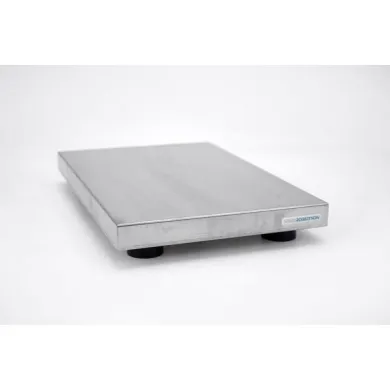
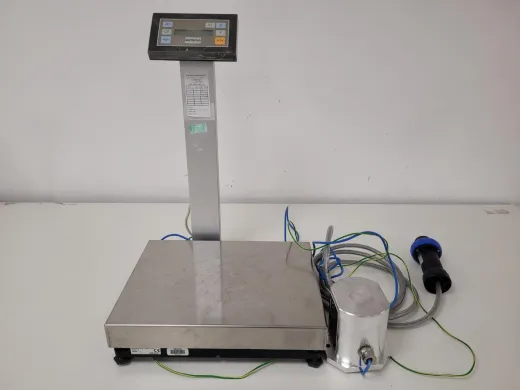
A weighing platform is a flat, load-bearing deck sitting on load cells, the general-purpose floor and bench scale that handles boxes, drums, sacks and parts across capacities from a few kilograms to several tonnes. What separates one platform from another is deck size, capacity and enclosure rating, and the buyer chooses by matching those to the load and the room. A stainless, washdown-rated platform goes into food production or a wet process; a painted-steel deck goes onto a dry dispatch floor. This is the type most operations start from, because almost any weighing task that does not need an enclosed cabinet or a trade-legal certificate can be met by the right platform and terminal.
Ramps
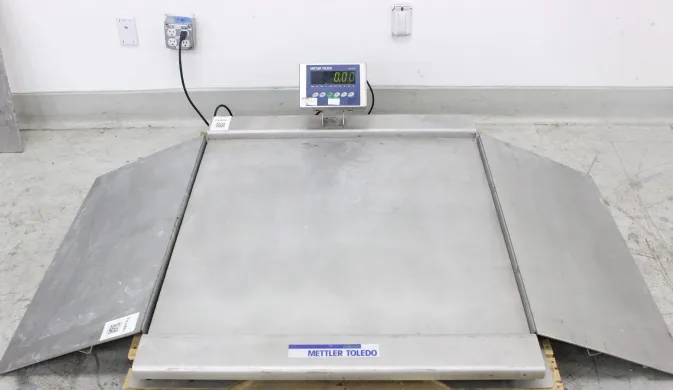
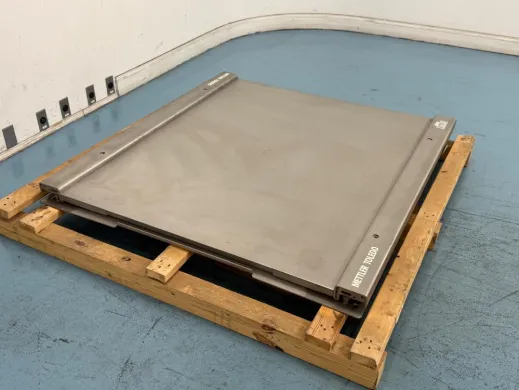
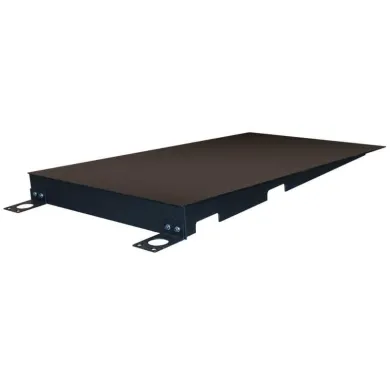
Ramps are the access structures that let a wheeled or palletised load roll onto a low-profile weighing platform, bridging the small height of the deck so a pallet truck or trolley can drive straight on. They are not weighing instruments themselves, but they are listed within this category because a floor platform is rarely usable without one. A warehouse weighing inbound pallets buys a ramp sized to the platform's deck and rated for the same traffic. The distinction that matters to a buyer is the ramp's load rating and width, which must match the platform and the handling equipment that will cross it.
Ramp scales
A ramp scale combines the access ramp and the weighing deck into one unit, so a pallet truck drives up a built-in incline onto an integrated platform and the load is weighed in the same motion. It differs from a separate platform-and-ramp pairing by being a single structure, which saves floor space and removes the step of aligning two components. Operations that weigh pallets in a continuous flow, inbound goods, dispatch, stock checks, reach for this type because the loading and the weighing happen in one pass rather than two. The buyer weighs the convenience of the integrated form against the flexibility of a platform that can be re-sited independently of its ramp.
Pallet and beam scales
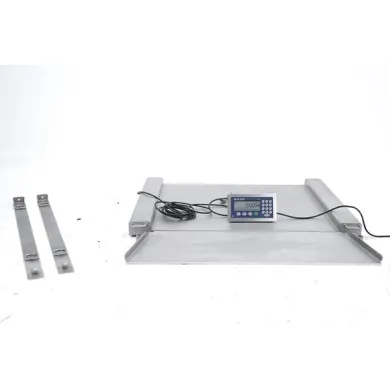
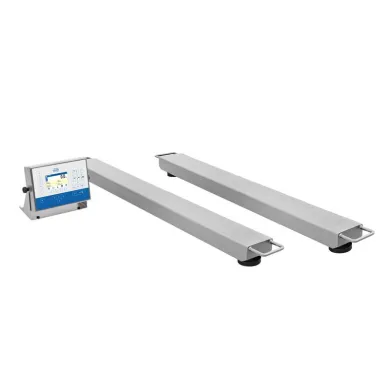
Pallet and beam scales weigh palletised and heavy loads through a frame or a pair of weigh beams rather than a solid deck. A beam scale uses two parallel bars with built-in load cells that a pallet sits across, which suits irregular or very heavy loads and is quick to deploy without a fixed platform. The distinction from a weighing platform is the open structure: there is no continuous deck, so the frame can be moved, stored upright, or placed under existing racking. Logistics and heavy-goods handlers choose this type where loads are consistently palletised and a permanent floor platform is neither needed nor practical.
Weighing terminals
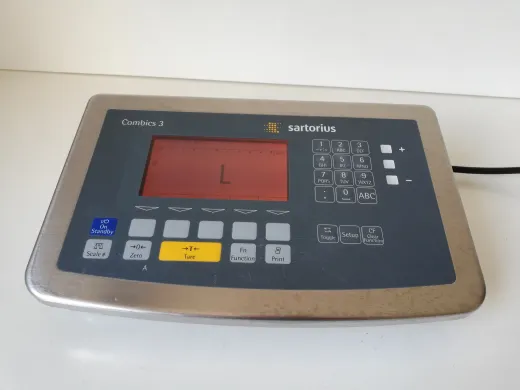
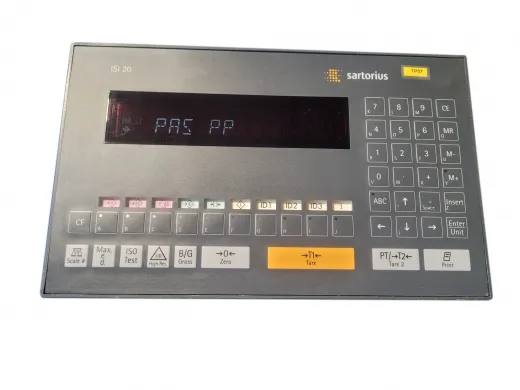
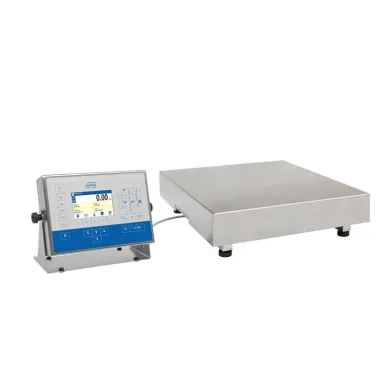
A weighing terminal is the indicator and control unit that reads the load cells and displays the weight, the brain that turns a platform's signal into a number, a print-out or a data record. It differs from the other types by carrying no weighing deck of its own: it connects to platforms, beams or pallet frames and does the calculation, totalling, counting and interfacing. A buyer replaces or upgrades a terminal when an existing platform needs new functions, serial or network output, piece counting, or a recipe mode, without touching the mechanical scale underneath. Matching the terminal's cell excitation and input range to the existing platform is the detail that decides compatibility.
Weighing tables
A weighing table is a reinforced, often anti-vibration bench that carries a scale and isolates it from floor movement and bench flex. It is not a scale but the structure a scale stands on, and it matters most where a sensitive instrument needs a stable base, near machinery, on a suspended floor, or beside foot traffic. The distinction from an ordinary bench is mass and damping: a weighing table is built heavy and stiff so that vibration does not reach the load cell and corrupt a reading. Laboratories and production areas running precision balances buy these to give a high-readability instrument the stable footing its accuracy depends on.
Frequently asked questions
What is an industrial scale?
An industrial scale is a weighing instrument built for commercial and manufacturing environments, handling loads from a few kilograms on a bench up to several tonnes on a floor platform. The category covers complete instruments as well as the terminals, load cells and accessories that complete a weighing station.
What does 'industrial scale' mean?
The term refers to weighing equipment rated for industrial duty rather than retail or domestic use, built to withstand factory floors, loading bays and process areas. It distinguishes these instruments from laboratory balances, which prioritise fine readability over heavy capacity and rugged enclosures.
How do industrial scales work?
A load placed on the deck compresses load cells, which convert the force into an electrical signal. A weighing terminal reads that signal and displays the weight, and on many units it also totals, counts or outputs the reading to a printer or network.
What types of industrial scales are there?
The catalogue covers weighing platforms, pallet and beam scales, ramp scales and separate ramps, scales for Ex (explosion-protected) areas, weighing terminals, weighing tables and accessories such as load cells and summing boxes. Precision and analytical balances also appear where a task needs fine readability rather than heavy capacity.
What is an industrial scale used for?
They weigh packed goods, drums, sacks, parts and palletised freight across dispatch, inbound goods, stock checks and process dosing. Explosion-protected variants weigh flammable solids or powders in zones where a standard scale is not permitted.
How do I choose an industrial scale?
Fix the working range first: the maximum capacity and the readability together decide what a unit can do, so match them to the heaviest routine load rather than the rare exception. Then settle the enclosure rating for the environment, confirm whether an Ex rating or a legal-for-trade marking is required, and match the terminal to the platform's load cells.
Refurbished versus used industrial scales, what is the difference?
A used scale is sold in its existing condition, while a refurbished one has been reconditioned before resale. On either, the load cells and junction box are the parts to verify, since a platform that has carried forklift traffic can show cell drift or a cracked summing board.
How much does an industrial scale cost?
Across the catalogue prices run from EUR 9 to EUR 33.658, with an average around EUR 3.437. A bench scale sits at the low end, while a hazardous-area platform or a full pallet-weighing station sits far higher.
Which brands make industrial scales?
Brands listed in this category include Radwag, Ohaus, Mettler Toledo and Sartorius. They span bench and precision instruments through to platform and process weighing systems.
Is there a warranty on a refurbished industrial scale?
A warranty is often possible and is arranged in consultation for the specific listing. Because terms are not set centrally, confirm the condition of the load cells and whether a calibration certificate travels with the unit before ordering.
Can I get parts for an industrial scale?
Parts such as load cells, summing boxes, printers, display cables and calibration weights can be sourced via Questpair. These component-level items are the largest group among listings that specify a type, which reflects how much of a scale is replaceable without changing the whole instrument.
How long does an industrial scale last?
Service life depends on the duty and the environment rather than age alone; the load cells and junction box are usually what wears or drifts first. Because these parts are replaceable, an older platform is often recommissioned rather than retired.
Should I buy new or used?
Used and refurbished units are listed at lower prices than their new equivalents, and for a workhorse platform that difference can buy a higher capacity for the same spend. Warranty on a used unit is arranged in consultation for the specific listing, so check the cell condition and calibration history first.
Where can I buy an industrial scale?
Listings come from verified suppliers and distributors on the Questpair catalogue. New, used and refurbished units appear side by side, with 1522 weighing listings from 16 suppliers across 10 countries.
What is the lead time and shipping on an industrial scale?
Lead time and shipping depend on the individual listing, the supplier's location and whether the unit is in stock. The catalogue spans suppliers in 10 countries, so timing varies by where the unit ships from.
How do I calibrate and maintain an industrial scale?
The quickest field check is a span test against a known weight across the range, corner to corner, which reveals cell drift or an off summing board. Questpair does not perform calibration or servicing, but calibration weights and replacement parts can be sourced through the catalogue.
Which types are listed most, and who reaches for each?
Accessories are the largest group among listings that specify a type, reached for when a cell drifts or a terminal needs a part. Weighing platforms are where most operations start, pallet and beam scales suit logistics handlers with consistently palletised loads, and scales for Ex areas go to chemical, pharmaceutical and milling sites working in hazardous zones.
Which brands dominate this category, and what does that mean for a buyer?
Radwag, Ohaus, Mettler Toledo and Sartorius appear across the listings, spanning bench precision instruments through to platform and process systems. For a buyer this means a terminal and platform can often be matched within one brand's ecosystem, though cell excitation and input range still have to match when mixing components.
What separates the cheapest industrial scales from the most expensive?
Price tracks capacity, enclosure rating and brand. Component-level accessories and bench scales sit at the low end of the band, while explosion-protected platforms and full pallet-weighing stations with high capacity and washdown enclosures sit far higher, up to EUR 33.658.