

Weighing Platforms
We personally find you the right used, refurbished and new weighing platforms instruments & equipment from verified suppliers.
Weighing platforms are flat load-bearing surfaces coupled to a weighing sensor, used in laboratories and industrial settings to determine the mass of samples, containers, or bulk material placed on them. Across the Questpair catalogue, 379 weighing platforms are listed from 15 verified suppliers and distributors in 9 countries. Both new and used laboratory platforms appear, with refurbished units also offered; 43 percent of the listings are used. Prices range from EUR 17 to EUR 28.940. The spread covers everything from small bench units to floor-mounted platforms rated for heavy loads, which is why the range is so wide and the weighing method behind each unit matters as much as the headline capacity.
Updated:
Weighing Platforms product list


Not the exact instrument you need?
Tell our scientists what you are after. We track it down, including off-market supply.
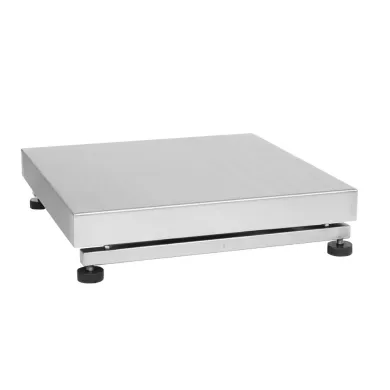
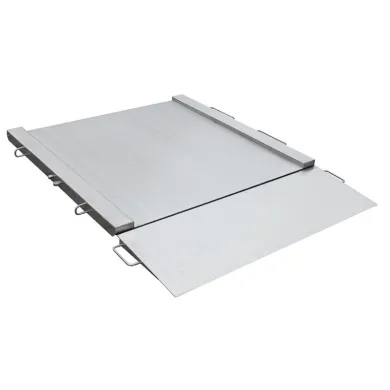
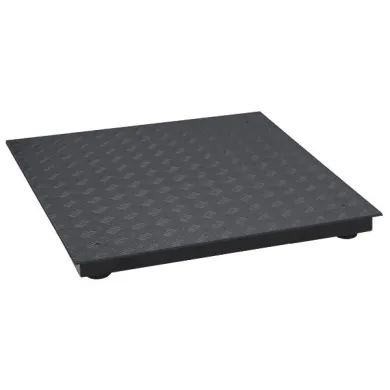
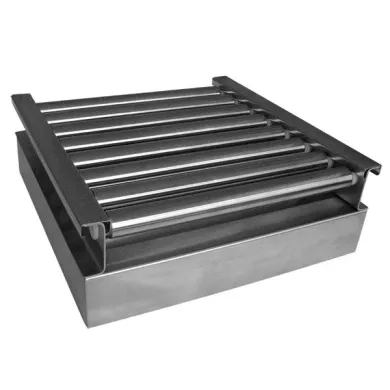
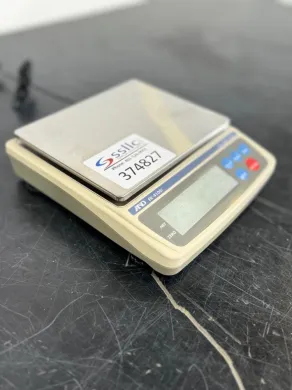
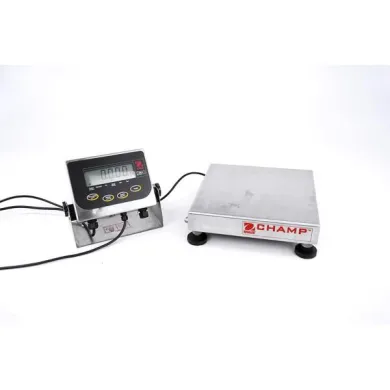
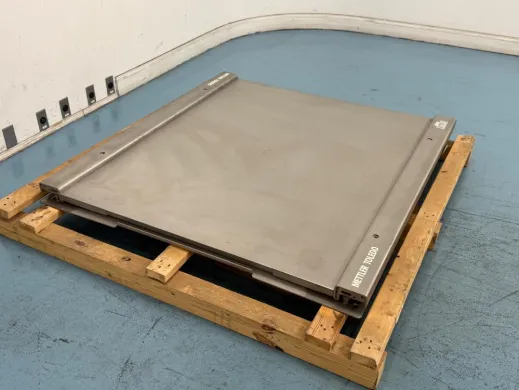
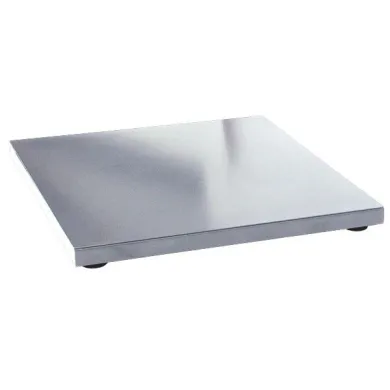
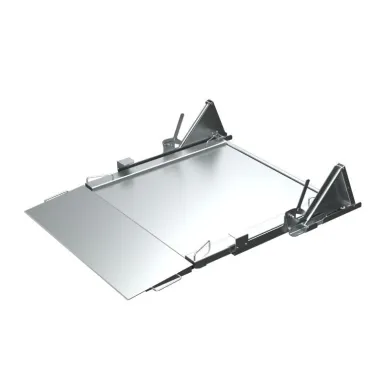
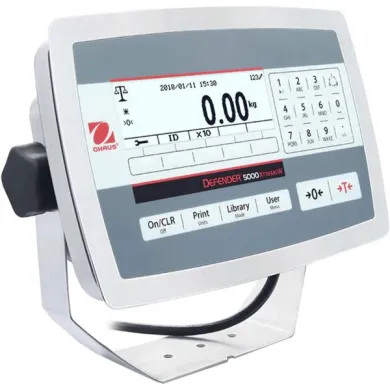
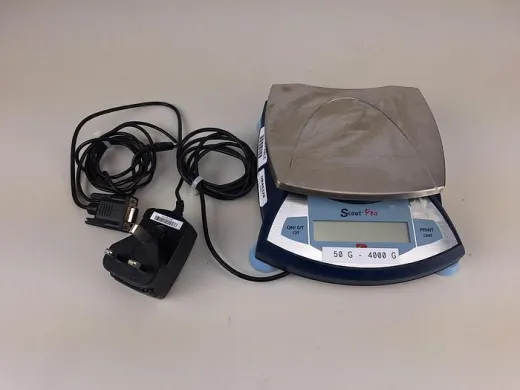
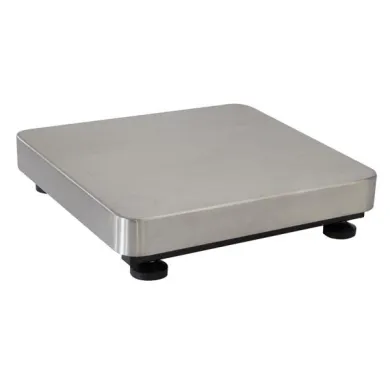
Not the exact instrument you need?
Tell our scientists what you are after. We track it down, including off-market supply.
Showing 1–40 of 281 listings
Show 40 more listingsBuying guide
What settles a weighing platform purchase first is the pairing of capacity and readability, because the two pull against each other. A platform rated for a 600 kg drum will not resolve a 50 mg difference, and a unit that reads to a milligram cannot carry a pallet. Work out the heaviest load the platform will ever take, then the smallest difference that has to register, and check that one model covers both. Many listings quote capacity prominently and bury readability, so the second figure is the one to confirm before anything else. Platform size follows from the same decision: the surface has to hold the largest item flat and stable, and an undersized deck forces awkward loading that costs accuracy.
On a used platform, the load cell and its mounting are what to verify. A cell that has been overloaded drifts, and corner loading errors, where the reading changes depending on where the item sits on the deck, point to a damaged or misaligned cell. Ask whether the unit still holds calibration across its range, not just at a single test weight, and whether any trade certification it once carried is still valid. Where a used unit needs recalibration, that can be arranged in consultation for the specific listing. Weighing equipment that has lived on a factory floor also collects dust and corrosion around the deck seals, so the physical condition of the housing is a fair proxy for how hard the sensor has worked.
The price band here is wide, and the figure a unit costs tracks closely with capacity, resolution, and whether the deck is stainless or painted steel. The lower end, around EUR 17, covers compact bench platforms; the upper end, toward EUR 28.940, covers large floor scales and high-resolution precision models, with an average near EUR 3.354. For a buyer working to a budget, the used portion of the catalogue is where the saving sits, since used and refurbished units are listed for sale at lower prices than new. The brands occupying this range, Radwag, Ohaus, Mettler Toledo, Sartorius, OHAUS, span that whole spread, so a budget rarely forces a compromise on maker. What it does affect is which capacity and readability class fits, and that is the decision to anchor against, not the badge.
Types of Weighing Platforms
Which weighing platform types are listed?
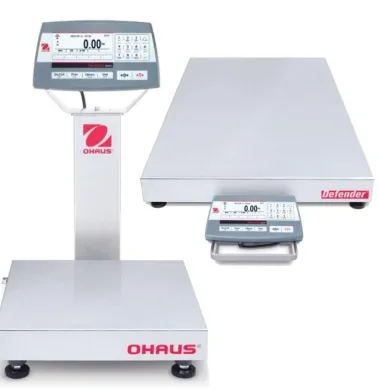
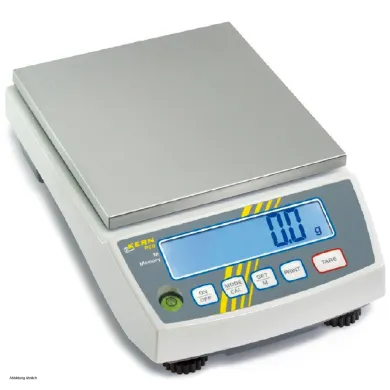
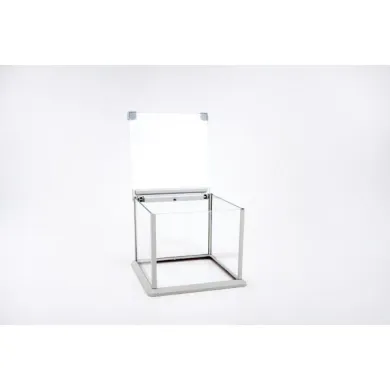
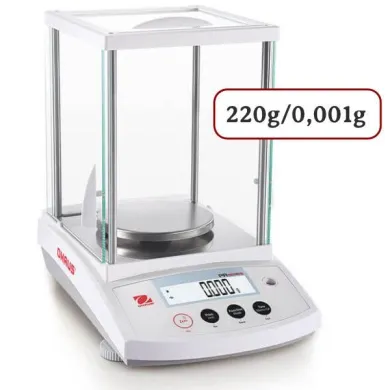
Among the listings that specify a type, the catalogue divides into a few recognisable classes. Industrial scales and industrial scale units form the heavier end, built for floor or bench use with capacities measured in kilograms and a painted or stainless deck sized for drums, boxes, and bulk material. Precision balances and analytical balances sit at the opposite end: smaller decks, draft protection on the finer models, and readability down to the milligram or below, used where a small mass has to be resolved exactly. The broader weighing equipment and weighing platforms entries cover units that straddle the two or ship as a bare platform to be paired with a separate indicator. The practical difference between them is resolution against capacity, which is why a buyer rarely cross-shops a floor scale and an analytical balance even though both weigh.
In laboratory work, the precision and analytical end of this range does gravimetric analysis, where a measured mass is the direct result of the experiment rather than a check on it. These platforms are also used for sample preparation in molecular biology and microbiology, weighing out reagents and media to a defined mass, and for the formulation steps that precede cell culture and protein purification work. A balance that resolves to the milligram is the instrument behind analytical balance for gravimetric analysis and precision balance for reagent preparation, the kind of pairing a researcher types when the field, not just the device, is what matters. Heavier industrial platforms also serve biomanufacturing and bioprocessing, where batches of raw material or product are weighed at scale rather than at the bench.
The brands behind the weighing platform listings
The makers that recur most are Radwag, Ohaus, Mettler Toledo, Sartorius, OHAUS. Their presence shapes a few things for a buyer. Parts and spare load cells for the established names are easier to source, and a model that sells in volume is also easier to compare, because specifications and prior listings exist to check against. Price level tracks the maker to some degree, with the precision-focused names commanding more at a given capacity, but the spread within each brand is wide enough that the class of platform matters more than the badge. Parts for any of these can be sourced via Questpair where a listing needs them.
What a used weighing platform costs here
The condition mix runs close to even: 43 percent of the listings are used. Prices range from EUR 17 to EUR 28.940, a spread that covers the whole distance from a compact bench unit to a high-capacity floor platform or a high-resolution analytical balance. Used and refurbished units are listed at lower prices than new, and where a buyer is weighing one against the other, the warranty on a specific unit is arranged in consultation for that listing rather than set across the catalogue.
Frequently asked questions
What is a weighing platform?
A weighing platform is a flat load-bearing surface coupled to a weighing sensor that determines the mass of samples, containers, or bulk material placed on it. They are used in laboratory and industrial settings, with decks sized to match the load they carry.
What does weighing platform mean?
The term refers to the load surface and its sensor together, as distinct from the indicator or display that reads the result. Some units ship as a complete scale, while others are a bare platform meant to be paired with a separate indicator.
How do weighing platforms work?
A load placed on the deck transfers force to a load cell underneath, which converts that force into an electrical signal. The signal is processed into a mass reading, with the sensor's capacity and resolution setting the limits of what the platform can weigh and how finely.
What types of weighing platforms are there?
The catalogue covers industrial scales for floor or bench use with capacities in kilograms, precision balances and analytical balances with small decks and readability down to the milligram, and broader weighing equipment and weighing platforms that straddle the two or ship as a bare platform. The dividing line is resolution against capacity.
What are weighing platforms used for?
The precision and analytical end does gravimetric analysis and sample preparation, weighing out reagents and media to a defined mass for work such as cell culture and protein purification. Heavier industrial platforms weigh batches of raw material or product in biomanufacturing and bioprocessing.
How do I choose a weighing platform?
Start with the pairing of capacity and readability, since the two pull against each other and one model has to cover the heaviest load and the smallest difference that must register. Platform size follows from that, because the deck has to hold the largest item flat and stable.
What is the difference between refurbished and used weighing platforms?
A used platform is sold in its existing condition, while a refurbished unit has been reconditioned before listing. Both appear in the catalogue below new prices, and the exact condition and any work done is described on the individual listing.
How much does a weighing platform cost?
Prices range from EUR 17 to EUR 28.940, with an average near EUR 3.354. The figure tracks capacity, resolution, and whether the deck is stainless or painted steel, so a compact bench unit and a high-capacity floor platform sit at opposite ends of that band.
What are the best brands for weighing platforms?
The makers that recur most are Radwag, Ohaus, Mettler Toledo, and Sartorius. The precision-focused names tend to command more at a given capacity, but the spread within each brand is wide enough that the class of platform matters more than the badge.
Is there a warranty on a refurbished weighing platform?
A warranty is often possible and is arranged in consultation for the specific listing, rather than set across the catalogue. Check the individual listing and raise the question before purchase.
Can I get parts for a weighing platform?
Parts, including spare load cells, can be sourced via Questpair where a listing needs them. Parts for the established names are generally easier to find because those models sell in volume.
How long does a weighing platform last?
Lifespan depends on how hard the sensor has worked and whether the load cell has been overloaded or corroded. The physical condition of the housing, especially dust and corrosion around the deck seals, is a fair proxy for how much the unit has been used.
Should I buy a new or used weighing platform?
Used and refurbished units are listed at lower prices than new, so the saving sits in the used portion of the catalogue. Where you are weighing the two, compare the specific listing and arrange any warranty in consultation for that unit.
Where can I buy a weighing platform?
They are listed on Questpair from 15 verified suppliers and distributors across 9 countries, with 379 platforms in total. Both new and used units appear, including refurbished ones.
What is the lead time and shipping on a weighing platform?
Lead time and shipping depend on the individual listing and the supplier offering it. Contact Questpair for a specific unit and specialists respond within an hour.
How are weighing platforms calibrated and maintained?
Calibration should hold across the full range, not just at a single test weight, so ask whether a used unit still does and whether any trade certification it carried is still valid. Where recalibration is needed, that can be arranged in consultation for the specific listing.
Which weighing platform types are listed most, and who reaches for which?
The catalogue runs from industrial scales built for drums, boxes, and bulk material to precision and analytical balances that resolve down to the milligram. A floor-scale buyer and an analytical-balance buyer rarely cross-shop, because the capacity against resolution needs are too far apart.
Which brands dominate this category and what does that mean for a buyer?
Radwag, Ohaus, Mettler Toledo, and Sartorius recur most across the listings. Their volume makes specifications and prior listings easier to compare against, and spare load cells for them are easier to source, so a common model is simpler to verify before purchase.
What separates the bottom of the price band here from the top?
The lower end, around EUR 17, covers compact bench platforms, while the upper end toward EUR 28.940 covers large floor scales and high-resolution precision models. Capacity, readability, and a stainless versus painted deck account for most of the distance between them.