

Lighting
We personally find you the right used, refurbished and new lighting instruments & equipment from verified suppliers.
Laboratory lighting is the class of lamps, illuminators and light sources that provide controlled illumination for optical instruments and bench work, most of it built to serve microscopy rather than general room lighting. Across the Questpair catalogue 870 lighting listings are offered by 17 verified suppliers and distributors in 9 countries, in new, used and refurbished condition. 95 percent of the listings are used. Prices run from EUR 1 to EUR 38.740, a spread that covers single replacement bulbs at one end and complete fibre-optic illumination systems at the other. The dominant types are halogen lamps, microscope light sources and replacement bulbs.
Updated:
Lighting product list
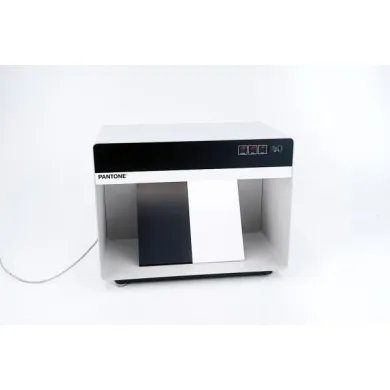
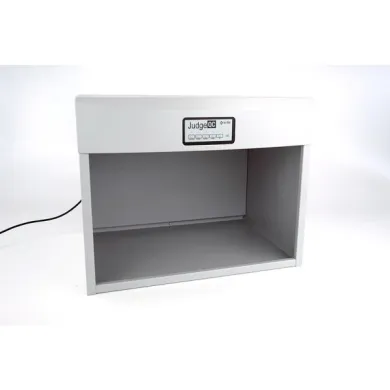
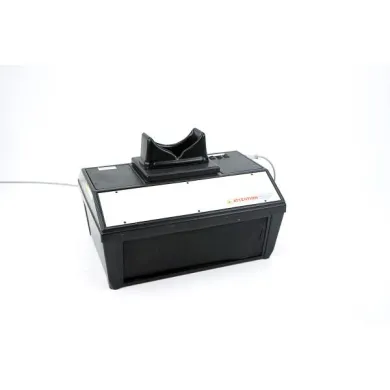
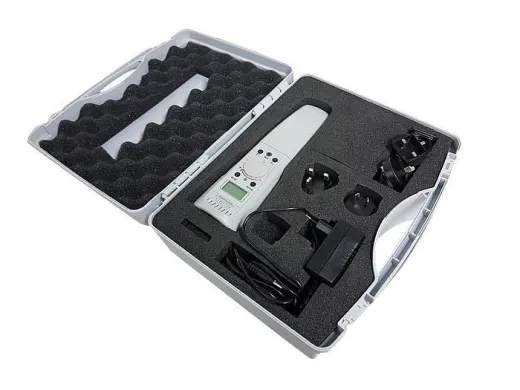


Not the exact instrument you need?
Tell our scientists what you are after. We track it down, including off-market supply.
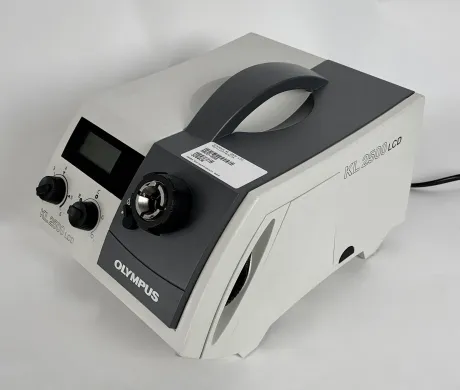
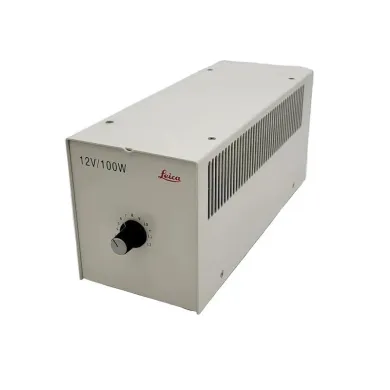
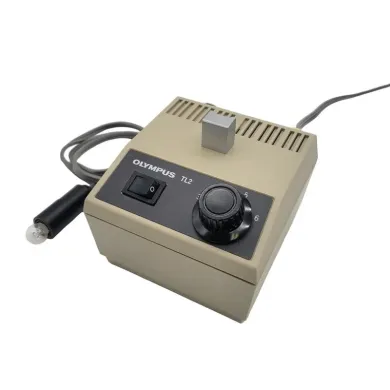
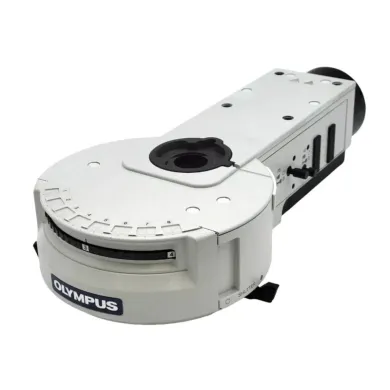
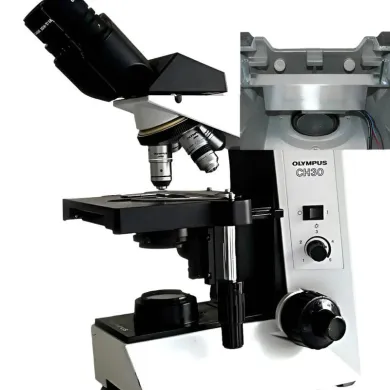
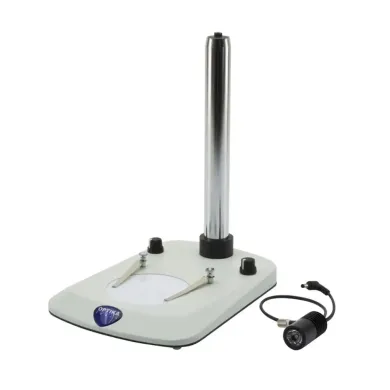
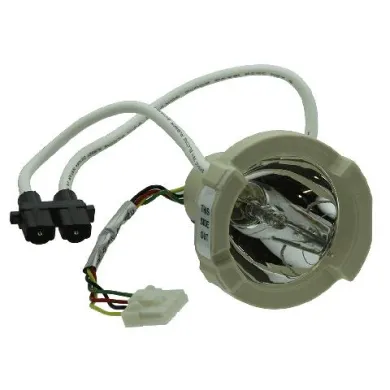
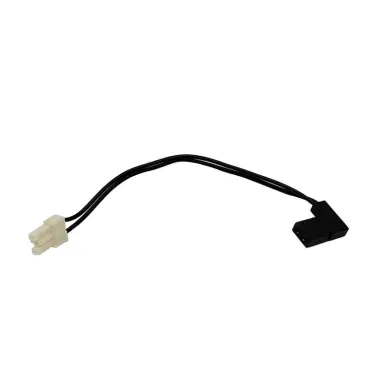
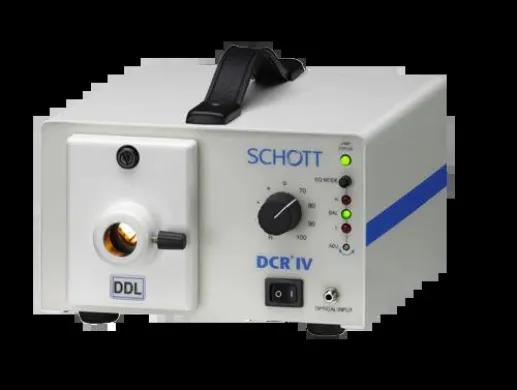
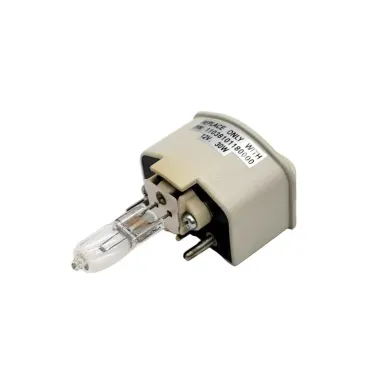
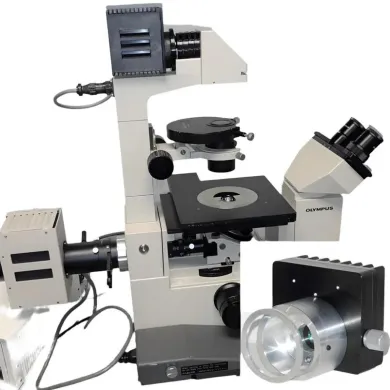
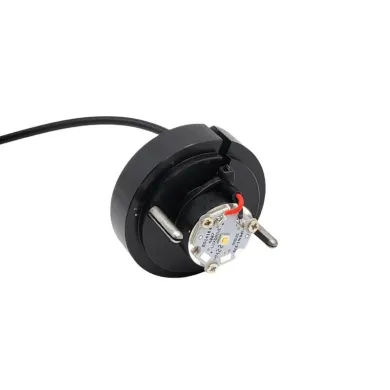
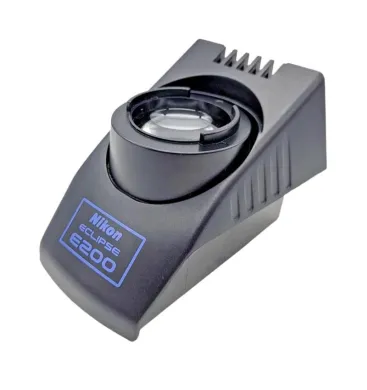
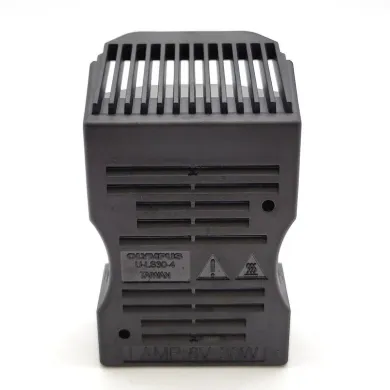
Not the exact instrument you need?
Tell our scientists what you are after. We track it down, including off-market supply.
Showing 1–40 of 794 listings
Show 40 more listingsBuying guide
What decides a lighting purchase first is almost never brightness in the abstract; it is what the light has to attach to and what the instrument expects to receive. A microscope illuminator built for one maker's stand will not mount on another's, and a replacement bulb is specified by base type, voltage and wattage down to the exact part, so the first thing to settle is the instrument and model the light serves. A halogen lamp rated for a 12 volt, 100 watt housing is not interchangeable with a 6 volt unit even when both fit the socket. Match the light to the instrument before anything else, because a unit that cannot physically couple to the microscope is worth nothing regardless of its specification.
Once the fit is known, condition is what a buyer on a used-heavy catalogue has to verify. A halogen or tungsten bulb is a consumable with a finite rated life, so a used light source may arrive with significant hours already on the lamp, and the housing, reflector and any fibre-optic cable matter more than the bulb itself since those are what the next bulb will mount into. On a used microscope illuminator, check that the collector lens is clear, that a fibre bundle has not yellowed or lost strands, and that the intensity control still tracks smoothly. These are the parts that do not show in a photograph and do not come back once worn. Where a light is bought used, warranty is arranged in consultation for the specific listing.
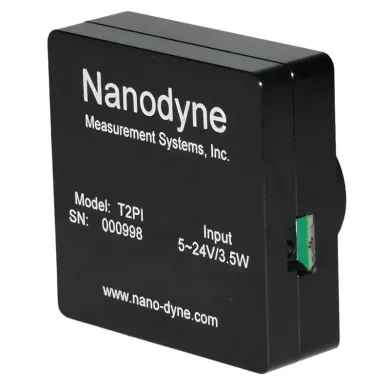
Price then sorts the field. Prices span from EUR 1 to EUR 38.740. At the low end sit individual replacement bulbs and simple halogen lamps, affordable enough that they are often bought several at a time for a budget that would not stretch to a new instrument lamp. The upper end holds complete LED and fibre-optic illumination systems with regulated output. Refurbished and used lighting units listed for sale cost less than their new equivalents, which is what brings a regulated illuminator within reach of a smaller budget. The brands that fill this range are Olympus, Schott, Nanodyne, Nikon, SCHOTT, names a buyer will recognise from the microscope stands these lights were made to serve.
Types of Lighting
Which lighting types are listed?
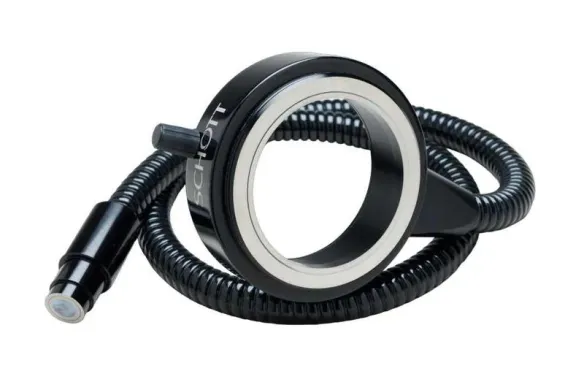
Among the listings that specify a type, the common forms are halogen lamp, microscope light source, microscope accessory, microscope illuminator, microscope replacement bulb, led light source. Halogen lamps and microscope replacement bulbs are the consumable end: the bulb itself, specified by base, voltage and wattage, that drops into an existing housing. A microscope light source or illuminator is the whole assembly, the housing, collector optics and intensity control that the bulb sits inside, and often the thing a buyer actually needs when a stand has lost its original lighting. LED light sources are the newer form, prized for a stable colour temperature and a service life that a halogen bulb cannot match, which is why they increasingly replace halogen units in demanding work. Microscope accessories cover the fibre-optic cables, ring lights and adapters that couple a source to a particular stand.
Where this lighting serves life-sciences and biotechnology work, the source is doing more than making a sample visible. Controlled illumination underpins histology and pathology at the brightfield microscope, where even colour rendering decides whether a stain reads true. Fibre-optic and LED illuminators feed the stereo microscopes used in cell culture and microdissection, and stable light output is a precondition for quantitative cell imaging and microscopy in molecular biology. An LED source with a fixed colour temperature is also used for fluorescence excitation and for the digital image capture that genomics and proteomics laboratories rely on, where a drifting halogen bulb would corrupt the measurement.
The brands behind the lighting listings
The names that recur are Olympus, Schott, Nanodyne, Nikon, SCHOTT. For a buyer this is useful less as a mark of prestige than as a guide to fit and parts: these are the makers of the microscope stands the lights were built for, so an Olympus or Nikon illuminator is specified against a known range of instruments, and a replacement bulb for one is a documented part rather than a guess. Schott is the standard source for fibre-optic illumination, which means cables and bundles for those systems are comparatively easy to find and to compare across listings. A recognised brand also makes price easier to read, because a model that appears repeatedly across the catalogue gives a buyer something to benchmark against.
What a used lighting unit costs here
95 percent of the listings are used. Prices run from EUR 1 to EUR 38.740. That spread is wide because the category holds both ends of the market at once: a single halogen bulb near the floor of the range and a complete regulated illumination system near the ceiling. Used and refurbished units are listed below the price of new, which is what makes a serviceable illuminator affordable where a new one would not be. Both spellings of the catalogue term apply here, since the audience is European as well as American, and the Questpair catalog lists these units across new, used and refurbished condition from verified suppliers and distributors.
Frequently asked questions
What is laboratory lighting?
It is the class of lamps, illuminators and light sources that provide controlled illumination for optical instruments and bench work. Most of it is built to serve microscopy rather than general room lighting, covering everything from a single replacement bulb to a complete fibre-optic illumination system.
What does a microscope illuminator mean as opposed to a bulb?
The bulb is the consumable, specified by base, voltage and wattage, that drops into an existing housing. The illuminator is the whole assembly, the housing, collector optics and intensity control that the bulb sits inside, and it is often what a buyer needs when a stand has lost its original lighting.
How does a microscope light source work?
A lamp, halogen or LED, sits behind collector optics that gather and shape the light, and an intensity control regulates the output that reaches the sample. On fibre-optic systems the source couples into a cable or bundle that carries the light to the stand.
What types of lighting are listed in this category?
The common forms are halogen lamps, microscope light sources, microscope accessories, microscope illuminators, microscope replacement bulbs and LED light sources. Halogen lamps and replacement bulbs are the consumable end, illuminators and light sources are the complete assemblies, and accessories cover the cables, ring lights and adapters that couple a source to a stand.
What is laboratory lighting used for?
It provides the controlled illumination that optical instruments need, underpinning brightfield microscopy in histology and pathology where colour rendering decides whether a stain reads true. Fibre-optic and LED illuminators feed stereo microscopes in cell culture and microdissection, and stable LED sources support fluorescence excitation and quantitative image capture.
How do I choose the right lighting unit?
Settle the instrument and model the light serves first, because an illuminator built for one maker's stand will not mount on another's, and a bulb is specified by base, voltage and wattage down to the exact part. Only after the fit is known do condition and price sort the field.
What is the difference between refurbished and used lighting?
Used is sold in its existing condition, while refurbished has been checked and brought back toward working order before listing. Both are listed below the price of new, and the condition of each specific listing is what matters most.
How much does lighting cost here?
Prices range from EUR 1 to EUR 38.740, with an average of EUR 700. The low end holds individual replacement bulbs and simple halogen lamps, and the upper end holds complete regulated LED and fibre-optic illumination systems.
Which brands appear in this category?
The names that recur are Olympus, Schott, Nanodyne, Nikon and SCHOTT. Olympus and Nikon are the makers of the microscope stands these lights were built for, and Schott is the standard source for fibre-optic illumination.
Can I get a warranty on a refurbished lighting unit?
A warranty is often possible and is arranged in consultation for the specific listing. Terms vary by seller, so check the listing you are considering.
Can I get replacement bulbs and parts for these units?
Parts can be sourced via Questpair. For brand illuminators from Olympus or Nikon a replacement bulb is a documented part specified by base, voltage and wattage, and Schott fibre-optic cables and bundles are comparatively easy to find and compare across listings.
How long does a lighting unit last?
Halogen and tungsten bulbs are consumables with a finite rated life measured in hours, so the bulb is expected to be replaced periodically. LED sources carry a longer service life than halogen and hold a more stable colour temperature over that life.
Should I buy new or used lighting?
Used and refurbished units are listed at lower prices than new, which is what brings a regulated illuminator within reach of a smaller budget. Weigh the individual listing and remember that warranty is arranged in consultation rather than set centrally.
Where can I buy laboratory lighting?
The Questpair catalogue lists 870 lighting listings from 17 verified suppliers and distributors across 9 countries, in new, used and refurbished condition.
What are the lead time and shipping like?
Lead time and shipping are set by the individual seller, since listings come from 17 separate verified suppliers and distributors across 9 countries. The specific listing states the terms that apply to that unit.
What maintenance does a used illuminator need?
Check that the collector lens is clear, that a fibre bundle has not yellowed or lost strands, and that the intensity control still tracks smoothly, since these parts do not show in a photograph and do not come back once worn. The bulb itself is a consumable that is swapped out when it fails.
Which lighting types are listed most, and who reaches for which?
Halogen lamps, microscope light sources and replacement bulbs are the dominant forms. Bulbs and halogen lamps go to buyers keeping an existing housing running, illuminators go to those whose stand has lost its original lighting, and LED sources go to demanding work that needs a stable colour temperature, such as fluorescence or quantitative imaging.
Which brands dominate this category and what does that mean for a buyer?
Olympus and Nikon illuminators are specified against known microscope ranges, so a replacement bulb for one is a documented part rather than a guess. Schott dominates fibre-optic illumination, which means cables and bundles for those systems are easier to find and compare, and a model that recurs across the catalogue gives a buyer a price benchmark.
What separates the cheapest lighting from the most expensive here?
At the floor of the range sit individual replacement bulbs and simple halogen lamps, often bought several at a time. The ceiling holds complete LED and fibre-optic illumination systems with regulated output, where the housing, collector optics and intensity control, not just the lamp, account for the difference.