

Food processing equipment
We personally find you the right used, refurbished and new food processing equipment from verified suppliers.
Food processing equipment is the class of machinery used to transform, preserve, portion and handle food and raw ingredients at scales from pilot line to full industrial production. The category spans cooling and refrigeration, size reduction such as grinding and shredding, heating, slicing and washing, and these functions rarely sit in one machine. On Questpair, 988 food processing listings are offered by 18 verified suppliers and distributors across 9 countries. New, used and refurbished units all appear. 93 percent of the listings are used, the remainder new, which is unusually high for laboratory and industrial equipment and reflects a market where process machines are resold rather than scrapped.
Updated:
Food processing equipment product list
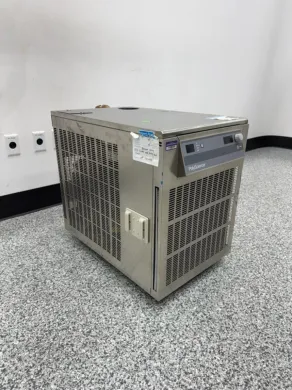
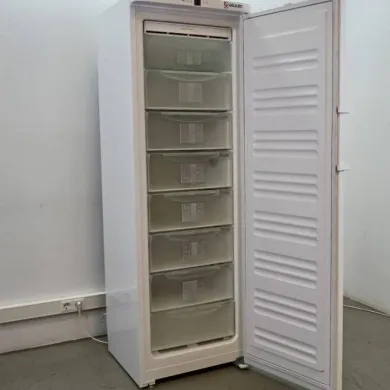
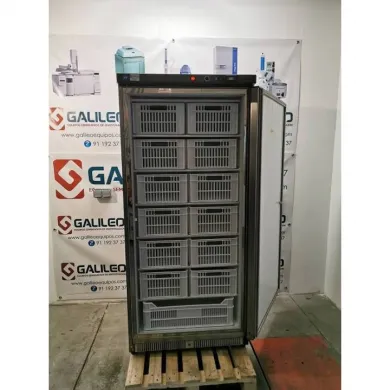
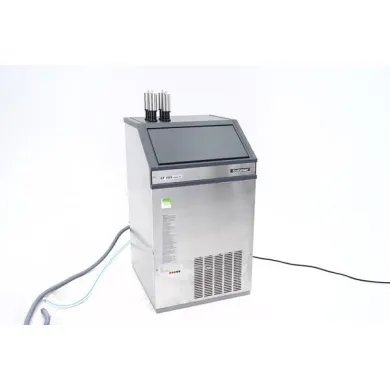


Not the exact instrument you need?
Tell our scientists what you are after. We track it down, including off-market supply.
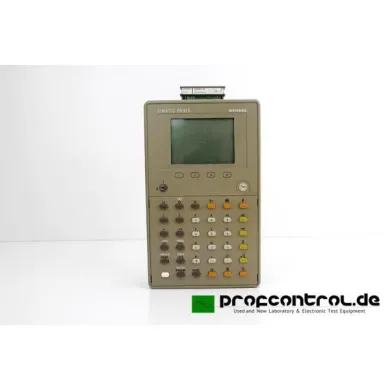
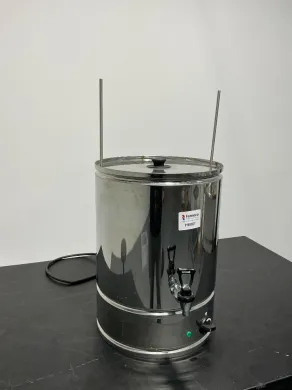
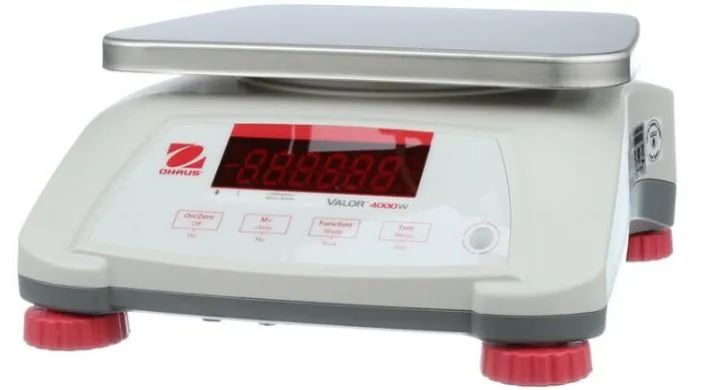
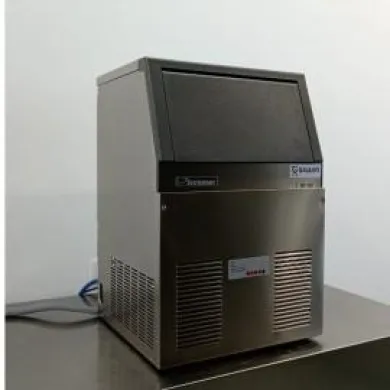
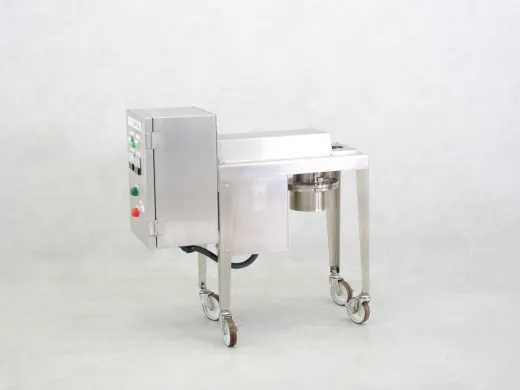
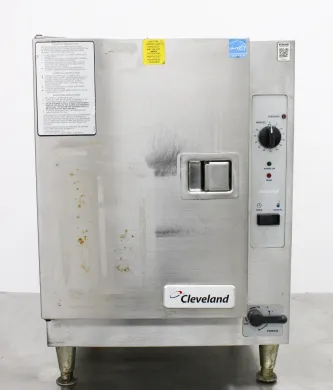
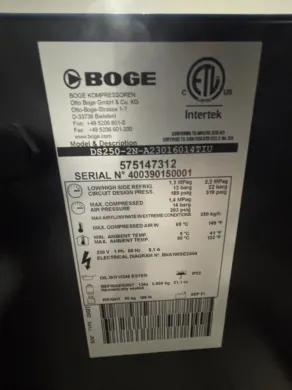
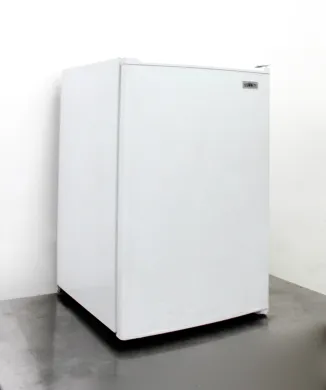
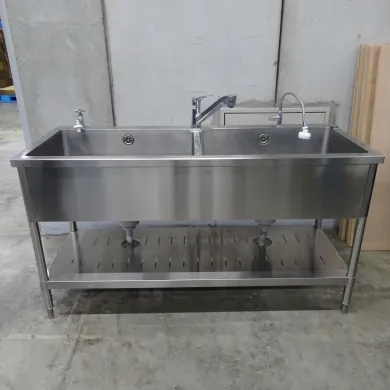
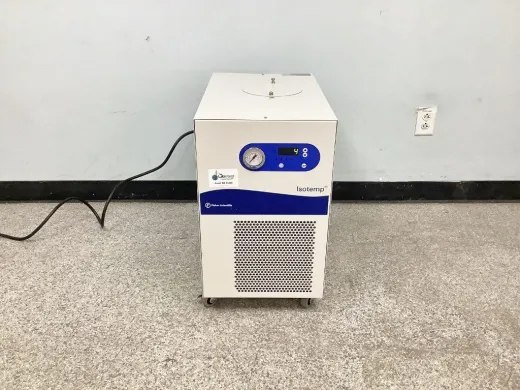
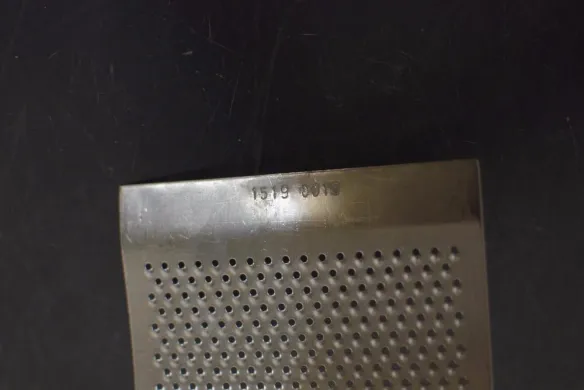
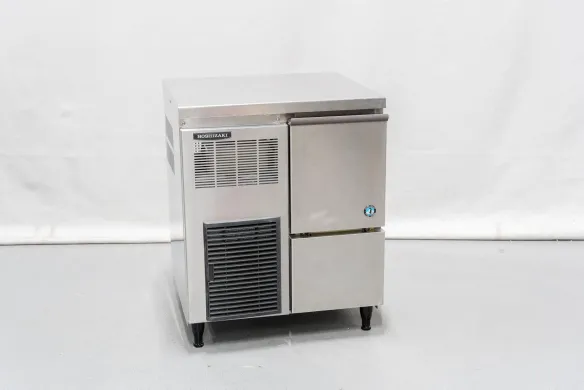
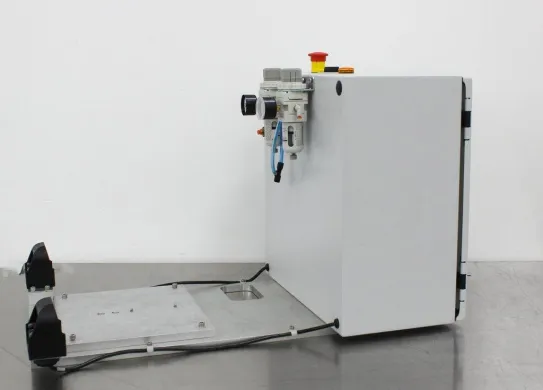
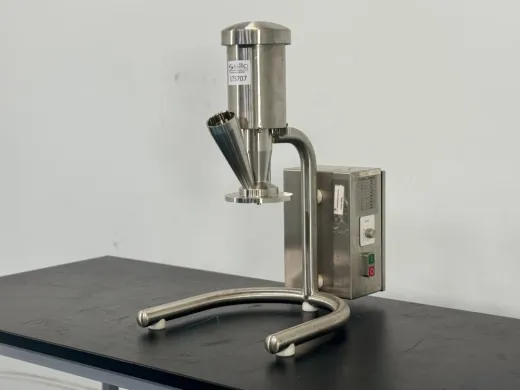
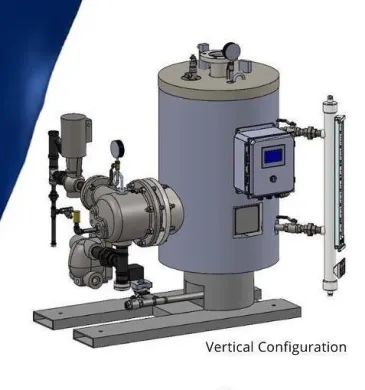
Not the exact instrument you need?
Tell our scientists what you are after. We track it down, including off-market supply.
Showing 1–40 of 420 listings
Show 40 more listingsBuying guide
For most food processing equipment the throughput figure settles the purchase, and almost every other decision follows from it. A grinder rated for kilograms per hour, a cooler rated in cooling capacity, a slicer rated in cuts per minute: each has a headline number that must match the production rate the line is designed around, and a machine sized for the wrong rate is the wrong machine however good its condition. Work out the rate first. Then read the specification that constrains it, motor power on a size-reduction unit, compressor capacity on refrigeration equipment, chamber volume on a cooker, because a throughput claim means little without the figure that limits it.
Condition deserves closer reading here than on most equipment, because 93 percent of the listings are used and food machinery accumulates wear in ways a datasheet does not record. On a size-reduction unit the state of the blades, screens and grinding chamber matters more than the nameplate rating; a worn screen changes particle size, and replacement screens are a running cost, not a one-time one. On refrigeration equipment the compressor hours and the refrigerant type decide whether a unit is usable in a jurisdiction that has phased out older refrigerants. Ask what has been replaced, what the hours are, and whether contact surfaces meet the hygiene standard the buyer's own process is audited against. A used machine that cleans down to food-grade is worth more than a newer one that does not.
Price spans the full width of the category and the spread is real, not noise. Listings run from EUR 1 to EUR 731.756, with an average around EUR 4.177. What a unit costs tracks almost entirely with capacity and with whether it is a bench accessory or a line-scale installation; a single slicer sits at one end, an industrial refrigeration system at the other. The dominant brands here, Fitzpatrick, Thermo Fisher Scientific, Thermo Scientific, Hoshizaki, Thermo, occupy different parts of that band, and knowing which brand a listing carries narrows the likely price before the figure is even read. Refurbished and used units listed for sale are more affordable than new, which is why the category is so heavily weighted toward them, and a buyer working to a fixed budget will find far more that fits among the used listings than among the new.
Types of Food processing equipment
Industrial refrigeration equipment
Industrial refrigeration equipment holds the largest share of the category and covers the walk-in rooms, blast chillers, compressor packs and process cooling units that keep ingredients and finished product within a controlled temperature range. These systems are distinguished by cooling capacity and by refrigerant type, the two figures that decide both running cost and legal usability, since older refrigerants have been phased out in several jurisdictions. Food manufacturers, processors and cold-chain operators reach for this class to arrest microbial growth and extend shelf life. In life sciences and biomanufacturing the same refrigeration principles support cold storage of biological material and reagents, and buyers searching for industrial cold storage or process chilling for food and biopharma land on equipment of exactly this kind.
Food shredders
Food shredders reduce bulk ingredients into strips or coarse fragments, sitting between a whole-product feed and a grinder or mixer downstream. They differ from grinders in cut geometry: a shredder tears or slices along a cutting head to produce defined pieces rather than a fine particle, which suits cheese, vegetables and fibrous products where texture must survive the reduction. Food producers and prepared-meal manufacturers use shredders for portion preparation and ingredient formulation. The machine belongs to the broader field of sample preparation when the same reduction serves analytical or formulation work, and a buyer searching for industrial food shredders for ingredient preparation is looking at this subtype among the listings that specify a type.
Food grinders
Food grinders drive particle size down further than a shredder, forcing product through a plate or chamber to produce a controlled, often fine, output. The defining specification is the plate or screen that sets final particle size, together with motor power, because grinding generates heat and load that a shredder does not. Meat processors, spice producers and ingredient manufacturers use grinders for comminution and for sample preparation ahead of mixing or extraction. In food science and formulation work the same grinding step prepares material for analysis, so a buyer searching for industrial food grinders for particle size reduction is describing this class. Where a listing names its plate size, that number tells more about the output than the brand does.
Food microwave equipment
Food microwave equipment applies microwave energy for heating, tempering, drying or thawing at production scale, rather than the domestic reheating the word usually suggests. It differs from conventional cookers by heating volumetrically, from the inside of the product outward, which makes it faster for certain applications and gentler on surface texture. Food processors use it for rapid tempering of frozen blocks and for drying where a conventional oven would be too slow. The volumetric heating principle also appears in laboratory sample preparation, where microwave digestion and drying support analytical work, so buyers searching for industrial food microwave tempering systems are looking at equipment in this subtype.
Food coolers
Food coolers lower product temperature quickly after a processing step, a distinct function from the holding that refrigeration rooms perform. The defining figure is the rate of temperature pull-down, since a cooler is judged on how fast it moves product through the range where microbial growth is fastest, not on how cold it can ultimately hold. Prepared-food manufacturers and bakeries use coolers immediately downstream of cooking to meet food-safety cooling curves. The same rapid-cooling requirement appears in cold-chain and biomanufacturing handling, and a buyer searching for rapid food cooling equipment or blast cooling for prepared food is looking at this class among the listings that specify a type.
Food cookers
Food cookers apply controlled heat at production scale, through steam, direct heat or jacketed vessels, to bring product to a target temperature for safety or texture. They are defined by chamber volume and by the heating method, which together decide both batch size and how evenly heat reaches the product. Food manufacturers use cookers across cooking, pasteurisation and formulation, and the jacketed-vessel form overlaps with the mixing and heating work of ingredient preparation. In food science and process development the same controlled-heat vessels support formulation trials, so a buyer searching for industrial food cookers for batch cooking is describing equipment of this kind.
Food slicers
Food slicers portion product into defined thicknesses, a precision cutting operation rather than the bulk reduction a shredder or grinder performs. The specification that matters is slice thickness control together with cut rate, since a slicer is bought to produce uniform, repeatable portions at speed. Delicatessen operations, meat and cheese processors and prepared-food lines use slicers for portioning and packing preparation. The same precise portioning supports quality-controlled sample preparation where uniform pieces are needed, and a buyer searching for industrial food slicers for portion control is looking at this subtype, which appears here as a single listing.
Food washers
Food washers clean raw ingredients, removing soil, debris and surface contamination before downstream processing. They differ from the other subtypes in doing no transformation of the product: the function is purely cleaning, usually by water spray, immersion or flume, and the defining figure is throughput against the degree of cleaning achieved. Fresh-produce processors and vegetable packers use washers at the front of the line, where the step is central to microbiology and food-safety control. The same contamination-removal requirement connects to broader hygiene and sample-preparation work, and a buyer searching for industrial food washing systems for produce is describing this class, present here among the listings that specify a type.
Frequently asked questions
What is food processing equipment?
Food processing equipment is machinery used to transform, preserve, portion and handle food and raw ingredients at scales from pilot line to full industrial production. It covers cooling and refrigeration, size reduction such as grinding and shredding, heating, slicing and washing, and these functions rarely sit in a single machine.
What does food processing equipment mean?
The term refers to the full class of industrial machines that act on food, from raw ingredient to finished product. It is defined by function rather than by one device: a grinder, a blast chiller and a produce washer all belong to the category because each performs a distinct step on a production line.
How does food processing equipment work?
Each subtype works on a different principle: grinders force product through a plate to reduce particle size, coolers pull temperature down fast after cooking, washers clean by spray or immersion, and refrigeration equipment uses a compressor and refrigerant to hold a controlled temperature. The common thread is a headline throughput rate that the machine is built to sustain.
What types of food processing equipment are there?
The listed types include temperature control units, laboratory freezers, recirculating chillers, laboratory refrigerators, refrigeration equipment and laboratory chillers, alongside food shredders, grinders, microwave systems, coolers, cookers, slicers and washers. Industrial refrigeration equipment holds the largest share of the category.
What is food processing equipment used for?
It is used to cool, heat, reduce, portion, clean and preserve food on production lines, each step tied to food safety or texture. Refrigeration arrests microbial growth and extends shelf life, coolers meet food-safety cooling curves, grinders and shredders reduce ingredients, and washers remove contamination before downstream processing.
How do I choose food processing equipment?
Start from the throughput the production line is designed around, because a machine sized for the wrong rate is the wrong machine whatever its condition. Then read the specification that limits that rate: motor power on a size-reduction unit, compressor capacity on refrigeration, chamber volume on a cooker.
What is the difference between refurbished and used food processing equipment?
A used unit is sold in the condition it comes in, while a refurbished unit has had components inspected or replaced before resale. On food machinery the detail that matters is what has actually been renewed: blades, screens, compressors and the state of contact surfaces, since a worn screen changes particle size and replacement is a running cost.
How much does food processing equipment cost?
Listings range from EUR 1 to EUR 731.756, with an average around EUR 4.177. Price tracks almost entirely with capacity and with whether the unit is a bench accessory or a line-scale installation, so a single slicer sits at one end of the band and an industrial refrigeration system at the other.
What are the best brands of food processing equipment?
The brands that appear most across these listings are Fitzpatrick, Thermo Fisher Scientific, Thermo Scientific, Hoshizaki and Thermo. They occupy different parts of the price band, so the brand on a listing often narrows the likely cost before the figure is read; Fitzpatrick is associated with size-reduction machinery, while the Thermo and Hoshizaki names appear more on cooling and refrigeration.
Is there a warranty on refurbished food processing equipment?
A warranty is often possible and is arranged in consultation for the specific listing. Terms are not set centrally, so the warranty position is settled against the individual unit rather than by a blanket policy.
Can I get parts for food processing equipment?
Parts can be sourced via Questpair. For size-reduction units in particular, consumables such as screens and blades are an ongoing cost rather than a one-time purchase, so it is worth confirming availability for a specific model before buying.
How long does food processing equipment last?
Lifespan depends on the subtype and how hard it is run, which is why the market resells process machines rather than scrapping them and why 93 percent of the listings are used. On refrigeration the compressor hours and refrigerant type decide usable life; on grinders and shredders the condition of blades, screens and the grinding chamber matters more than the nameplate age.
New versus refurbished food processing equipment, which should I buy?
Used and refurbished units are listed at lower prices than new, which is why the category is weighted toward them, and a buyer on a fixed budget will find more that fits among the used listings. Where the two have to be weighed, check the individual listing for condition detail and arrange warranty in consultation for that unit.
Where can I buy food processing equipment?
On Questpair, 988 food processing listings are offered by 18 verified suppliers and distributors across 9 countries. New, used and refurbished units all appear in the catalogue.
What are the lead time and shipping for food processing equipment?
Lead time and shipping depend on the individual listing, the supplier and the size of the unit, since a bench slicer and a walk-in refrigeration system move very differently. For a specific timeline you can contact Questpair, where specialists respond within 1 hour.
How is food processing equipment calibrated and maintained?
Maintenance centres on the wear parts of each subtype: screens and blades on size-reduction units, compressor and refrigerant checks on cooling equipment, and hygiene cleaning on every contact surface the process is audited against. Replacement parts can be sourced via Questpair when a consumable or component needs changing.
Which types in this category are listed most, and who reaches for which?
Industrial refrigeration equipment holds the largest share, reached for by food manufacturers, processors and cold-chain operators to control temperature and extend shelf life, with the same principles used in life sciences for cold storage of reagents. Grinders and shredders are used by meat, spice and ingredient producers for size reduction, coolers by prepared-food makers and bakeries downstream of cooking, and washers by fresh-produce processors at the front of the line.
Which brands dominate this category, and what does that mean for a buyer?
Fitzpatrick, Thermo Fisher Scientific, Thermo Scientific, Hoshizaki and Thermo appear most often across the listings. Because they sit in different parts of the price band and different functions, the brand name signals the likely subtype and cost before the specification is read, but the plate size, cooling capacity or chamber volume on the listing tells more about what the machine will do than the brand does.
What separates the bottom of the price band from the top here?
The gap tracks capacity and scale: a single slicer or bench accessory sits near EUR 1, while a line-scale industrial refrigeration system sits near EUR 731.756, with the average around EUR 4.177. Condition adds to the spread, since used and refurbished units are listed below new, so a line-scale machine in used condition can land well below a smaller new one.