

Industrial refrigeration equipment
We personally find you the right used, refurbished and new industrial refrigeration equipment from verified suppliers.
Industrial refrigeration equipment is the class of cooling and temperature control hardware used to hold samples, reagents and process streams at set points below ambient, across laboratory and production settings. The category spans new, used and refurbished laboratory refrigerators, freezers, recirculating chillers and temperature control units. Of the current listings, 93 percent are used. Across the Questpair catalogue, 662 listings sit under this heading from 18 verified suppliers and distributors across 9 countries. Prices run from EUR 1 to EUR 731.756, a range that stretches from small add-on parts to complete cold-room systems. The equipment covers two jobs: keeping a stored load cold, and removing heat from a running process at a controlled temperature.
Updated:
Industrial refrigeration equipment product list
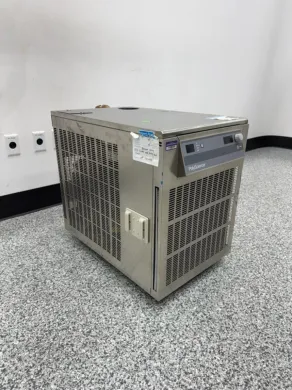
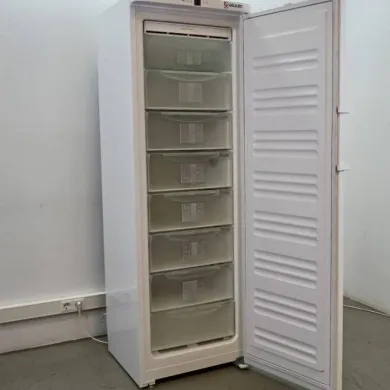
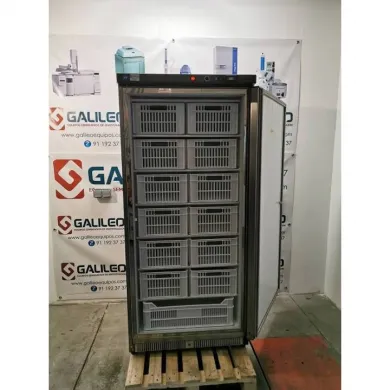
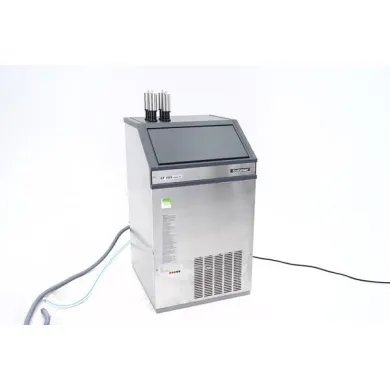


Not the exact instrument you need?
Tell our scientists what you are after. We track it down, including off-market supply.
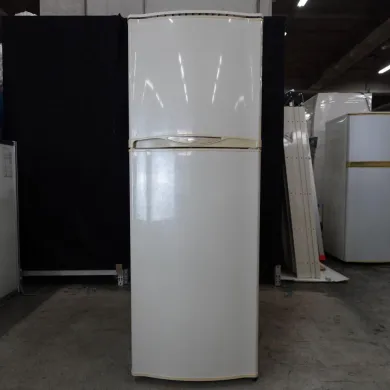
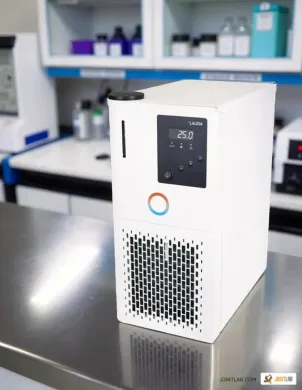
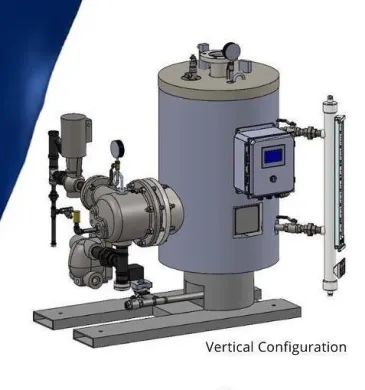
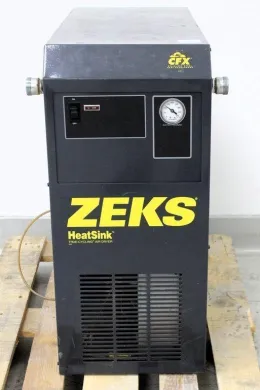
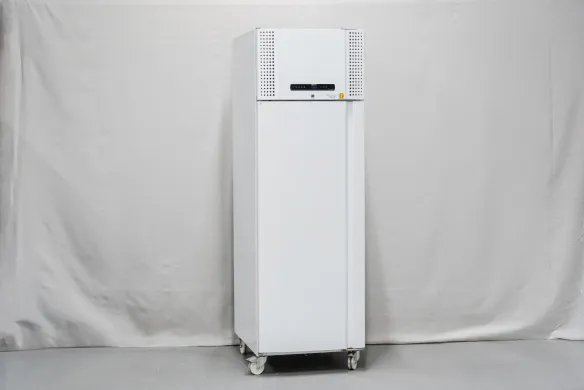
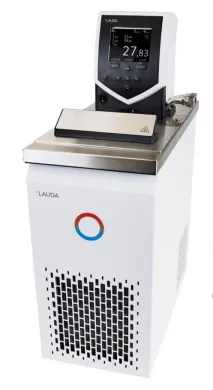
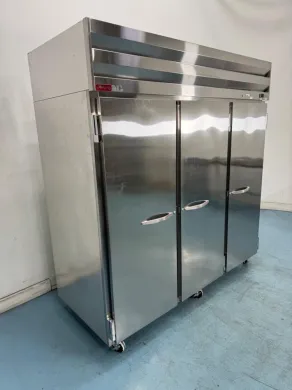
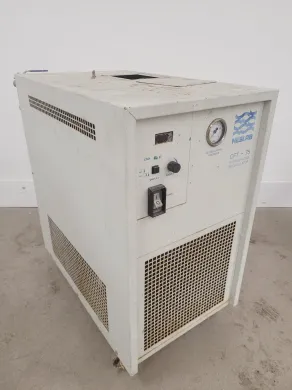
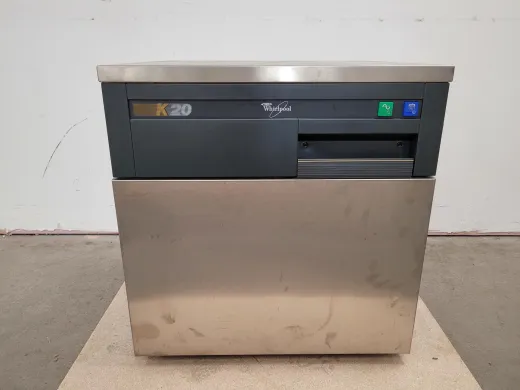
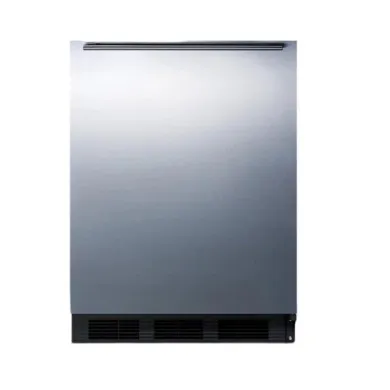
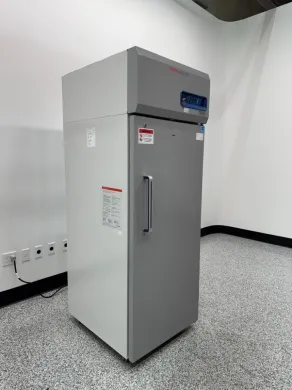
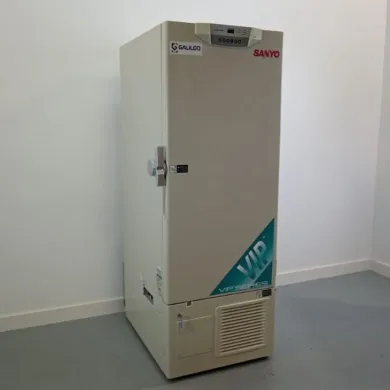

Not the exact instrument you need?
Tell our scientists what you are after. We track it down, including off-market supply.
Showing 1–40 of 268 listings
Show 40 more listingsBuying guide
The number that settles most of these purchases is the temperature a unit holds and how tightly it holds it. A laboratory refrigerator at two to eight degrees, a general freezer at minus twenty, an ultra-low freezer at minus eighty and a recirculating chiller feeding a rotary evaporator are not interchangeable, and a datasheet figure of "minus eighty" means little without the pull-down time, the recovery after a door opening, and the uniformity across the chamber. For a chiller the decisive spec is cooling capacity at the working temperature rather than the headline figure, because capacity falls as the set point drops; a unit rated for a kilowatt at twenty degrees may deliver a fraction of that at minus ten. Match the capacity to the heat load it has to carry, not to the brochure.
A used unit is bought on its compressor and its history more than on its model number. Ask how many hours it has run, whether the refrigerant is a current type or one being phased out, and whether the door seals and defrost system still work as intended. A refrigeration circuit that has lost charge can be recharged, but a compressor near the end of its life is the expensive failure, and it rarely announces itself on a spec sheet. For anything storing a valued load, confirm that the temperature alarm and any chart recorder or data logger are present and functioning, since those are what stand between a freezer fault and a lost sample set. Calibration of the controller against an independent probe is worth doing on arrival whatever the seller states.
Price sits across an unusually wide band here, which is what a buyer has to read carefully. The spread from EUR 1 to EUR 731.756 covers everything from a replacement part at the low end to a full industrial system at the top, so the cost of a complete working unit is better judged against the average of EUR 5.196 than against either extreme. A used or refurbished unit for sale is listed below the new equivalent, and for storage-duty refrigerators and freezers that difference is the main reason to consider one; what a unit costs new is seldom what fits a working budget. The brands that occupy the listings, led by Thermo Fisher Scientific, Thermo Scientific, Thermo, Hoshizaki, Accucold, set the comparison points, with the Thermo Fisher and Thermo Scientific lines spanning both benchtop laboratory refrigeration and higher-specification ultra-low storage.
Types of Industrial refrigeration equipment
Which refrigeration types are listed here?
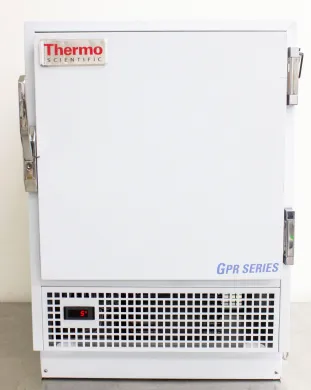
Among the listings that specify a type, the set runs temperature control unit, laboratory freezer, recirculating chiller, laboratory refrigerator, laboratory chiller, refrigeration equipment. Two broad jobs separate them. A laboratory freezer and a laboratory refrigerator are storage units: they hold a static load at a fixed low temperature, a refrigerator in the two-to-eight degree band for reagents and samples, a freezer at minus twenty or lower, with ultra-low variants reaching minus eighty for long-term sample banking. A recirculating chiller and a laboratory chiller do the opposite job, pumping a coolant through an external instrument to carry heat away at a controlled temperature, which is why they sit beside rotary evaporators, lasers and reaction vessels rather than on their own. A temperature control unit is the broader class that regulates to a set point in either direction, heating as well as cooling, used where a process has to be held steady rather than simply kept cold.
Cold storage underpins a large part of life sciences work. Ultra-low freezers hold the biobanking inventory for genomics and proteomics, cell lines and tissue for cell culture, and the reagent stocks behind molecular diagnostics and immunoassay runs. A minus-eighty laboratory freezer is standard for enzyme and nucleic acid storage in molecular biology, and chillers are the cooling side of protein purification rigs and bioprocessing skids where a column or a bioreactor jacket has to sit at a defined temperature. Such equipment is also used for vaccine and biomanufacturing cold chains where the storage temperature is itself a specification. The term a buyer reaches for is often the application: ultra-low freezer for sample storage, recirculating chiller for cell culture or protein purification cooling.
The brands behind the refrigeration listings
The listings are led by Thermo Fisher Scientific, Thermo Scientific, Thermo, Hoshizaki, Accucold. For a buyer that concentration matters in three ways. A model that appears often is easy to compare across sellers and conditions, so a price can be read against a real market rather than a single quote. Parts and consumables, from door seals to shelving, are easier to source for a widely sold line, and parts can be sourced via Questpair where a listing does not include them. The Thermo Fisher and Thermo Scientific families stretch from standard laboratory refrigerators through to ultra-low storage, which is why they anchor both ends of the spec range, while Hoshizaki and Accucold sit toward the storage and benchtop end. What separates one from another on a given listing is condition and completeness, not the badge.
What a used refrigeration unit costs here
Condition is heavily weighted toward the second-hand market: 93 percent of the listings are used. Prices run from EUR 1 to EUR 731.756. That spread is not a sign of volatility but of what the category holds, parts and small benchtop units at one end and complete industrial systems at the other, with a working unit better judged against the EUR 5.196 average. Used and refurbished units are listed below their new equivalents, and the full set is offered through 18 verified suppliers and distributors across 9 countries. Where a buyer is weighing used against new, the deciding factors sit on the individual listing, and a warranty is arranged in consultation for that specific unit.
Frequently asked questions
What is industrial refrigeration equipment?
It is the class of cooling and temperature control hardware that holds samples, reagents and process streams at set points below ambient temperature, across laboratory and production settings. The category covers storage units that keep a static load cold and chillers that remove heat from a running process at a controlled temperature.
What does industrial refrigeration equipment mean in a lab context?
In a laboratory it covers the refrigerators, freezers and chillers that maintain a defined low temperature, from a refrigerator in the two to eight degree band to an ultra-low freezer at minus eighty, plus recirculating chillers that cool an external instrument. The common thread is a controlled set point rather than general-purpose cooling.
How does industrial refrigeration equipment work?
Storage units run a refrigeration circuit with a compressor and refrigerant that pulls heat out of an insulated chamber to hold it at a fixed temperature. A chiller works the same circuit but pumps a coolant through an external device to carry heat away, so the two do opposite jobs with similar hardware.
What types of refrigeration equipment are there?
The listings here include temperature control units, laboratory freezers, recirculating chillers, laboratory refrigerators, laboratory chillers and general refrigeration equipment. Storage units such as refrigerators and freezers hold a load cold, while chillers and temperature control units regulate an external process to a set point.
What is industrial refrigeration equipment used for?
Storage units hold reagents, cell lines, tissue and biobanking inventory, with ultra-low freezers at minus eighty standard for enzyme and nucleic acid storage. Chillers provide the cooling side of protein purification rigs, bioprocessing skids, rotary evaporators and lasers, where a column or jacket has to sit at a defined temperature.
How do I choose the right refrigeration unit?
Start from the temperature you need to hold and how tightly it must be held, since a refrigerator at two to eight degrees, a freezer at minus twenty, an ultra-low at minus eighty and a chiller are not interchangeable. For a chiller, judge cooling capacity at the working temperature rather than the headline figure, because capacity falls as the set point drops.
What is the difference between refurbished and used units?
Used describes a unit sold in its existing condition, while refurbished means it has been checked and brought back toward working order before listing. Both are priced below new equivalents, and the specifics of condition and completeness sit on the individual listing.
How much does industrial refrigeration equipment cost?
Prices across this category range from EUR 1 to EUR 731.756, which spans replacement parts at the low end and complete industrial systems at the top. A working unit is better judged against the EUR 5.196 average than against either extreme.
Which brands show up most in this category?
The listings are led by Thermo Fisher Scientific, Thermo Scientific, Thermo, Hoshizaki and Accucold. The Thermo Fisher and Thermo Scientific families span standard laboratory refrigerators through to ultra-low storage, while Hoshizaki and Accucold sit toward the storage and benchtop end.
Can I get a warranty on a refurbished unit?
A warranty is often possible and is arranged in consultation for the specific listing. Since terms depend on the individual unit, confirm them against that listing before buying.
Are parts available for these units?
Parts such as door seals and shelving are easier to source for widely sold lines, and parts can be sourced via Questpair where a listing does not include them. A model that appears often across sellers is generally simpler to support.
How long does industrial refrigeration equipment last?
Lifespan is governed mainly by the compressor and how many hours it has run, since a tired compressor is the expensive failure that rarely shows on a spec sheet. A refrigeration circuit that has lost charge can be recharged, but a worn compressor sets the practical limit on a used unit.
Should I buy new or refurbished?
Used and refurbished units are listed at lower prices than new, which for storage-duty refrigerators and freezers is the main reason to consider one. Where you weigh the two, the deciding factors sit on the individual listing, and warranty is arranged in consultation for that unit.
Where can I buy industrial refrigeration equipment?
The 662 listings under this heading are offered through 18 verified suppliers and distributors across 9 countries. New, used and refurbished units all appear in the Questpair catalogue.
What are the lead time and shipping like?
Lead time and shipping depend on the individual unit, its size and the supplier handling it, since the category runs from small benchtop parts to full cold-room systems. Those details are set per listing, and Questpair specialists can respond within one hour to questions about a specific unit.
Does the controller need calibration or maintenance on arrival?
Calibration of the controller against an independent probe is worth doing on arrival whatever the seller states. For units storing a valued load, also confirm that the temperature alarm and any chart recorder or data logger are present and functioning.
Which types are listed most, and who reaches for which?
Storage units such as laboratory freezers and refrigerators serve life sciences work that needs a static load held cold, with ultra-low freezers used for biobanking, genomics and reagent stocks. Recirculating and laboratory chillers go to groups cooling rotary evaporators, protein purification rigs and reaction vessels, and a temperature control unit suits a process that must hold steady in either direction.
What does the brand concentration mean for a buyer?
Because Thermo Fisher Scientific, Thermo Scientific and Thermo appear often, a given model can be compared across sellers and conditions rather than read from a single quote, and parts for those lines are easier to source. Hoshizaki and Accucold cover the storage and benchtop end, so what separates listings is condition and completeness, not the badge.
What separates the cheapest listings from the most expensive?
The low end of the EUR 1 to EUR 731.756 band holds replacement parts and small benchtop units, while the top holds complete industrial and cold-room systems. Condition also moves price, since used and refurbished units sit below their new equivalents.