

Food shredders
We personally find you the right used, refurbished and new food shredders instruments & equipment from verified suppliers.
Food shredders are mills that break food and related solids into smaller, controlled particle sizes for laboratory and pilot-scale work. Most listed here are hammer mills and the screens and components that go with them, so the catalogue covers whole units alongside the wear parts that keep them running. On Questpair, new, used and refurbished food shredders are listed from verified suppliers and distributors across 7 countries. Of the current listings, 98 percent are used. A laboratory buyer sizing a shredder works backwards from the output: the screen aperture and the rotor speed together set how fine the discharge comes out, and those two choices shape almost everything else about the purchase.
Updated:
Food shredders product list


Not the exact instrument you need?
Tell our scientists what you are after. We track it down, including off-market supply.
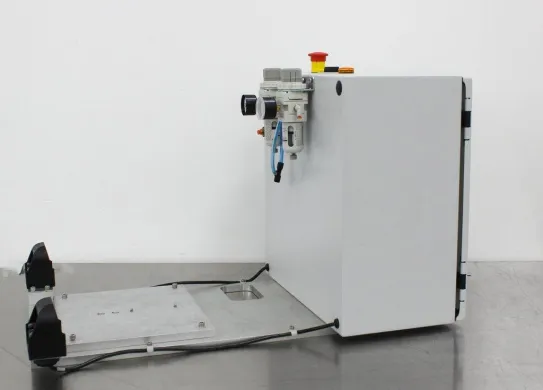
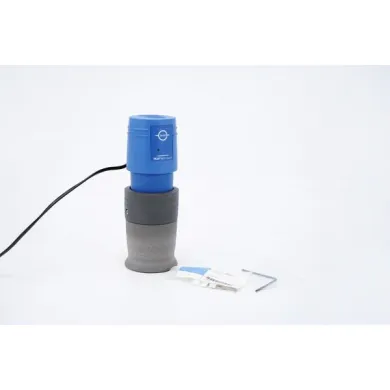
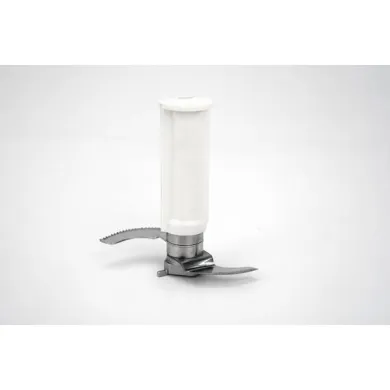
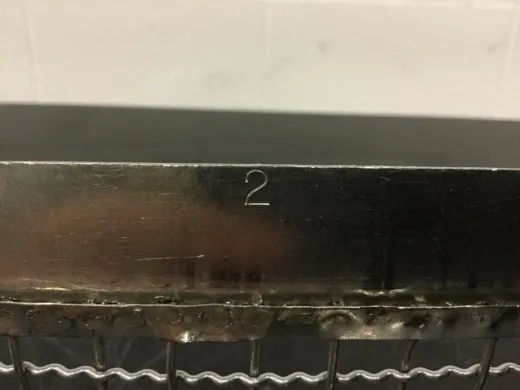
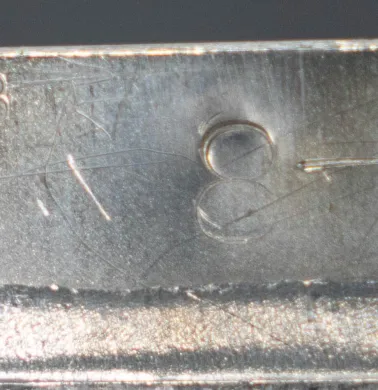
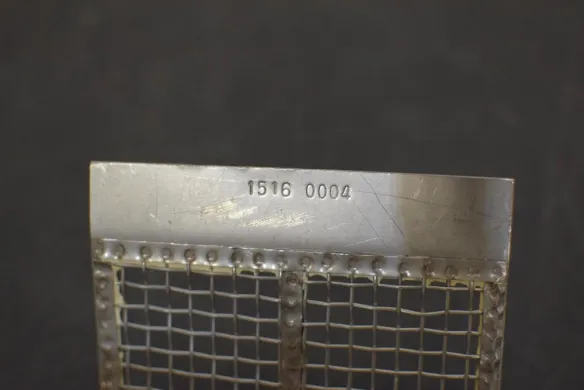
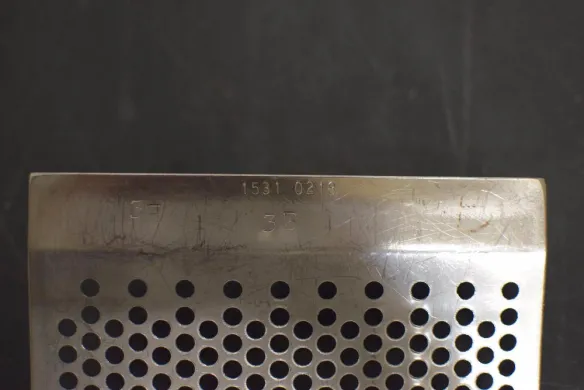
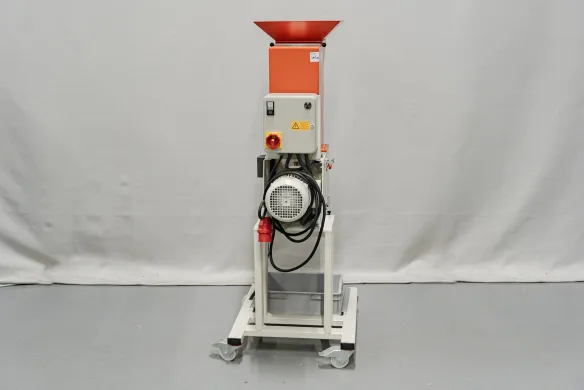
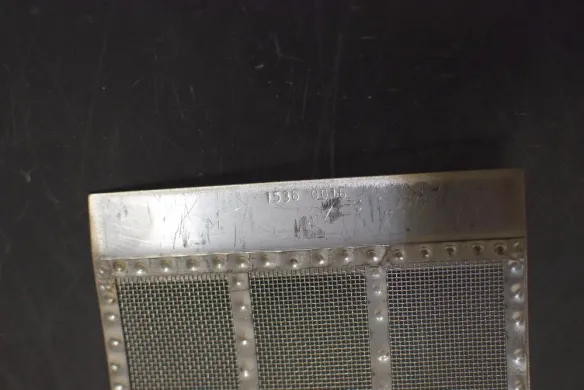
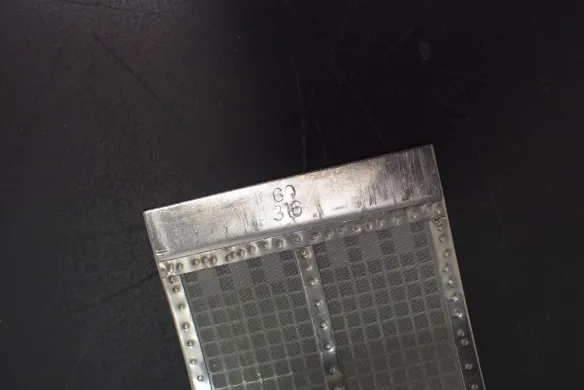
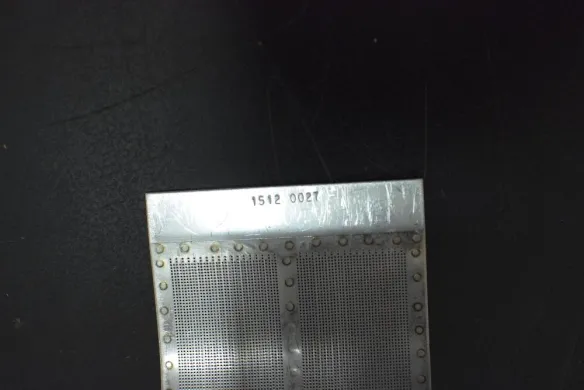
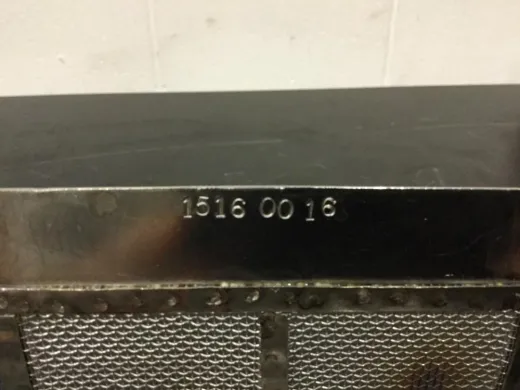
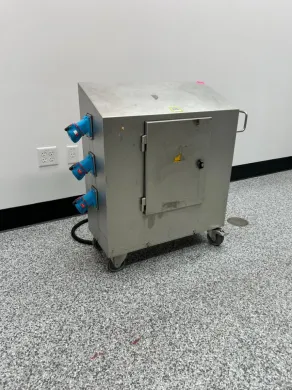
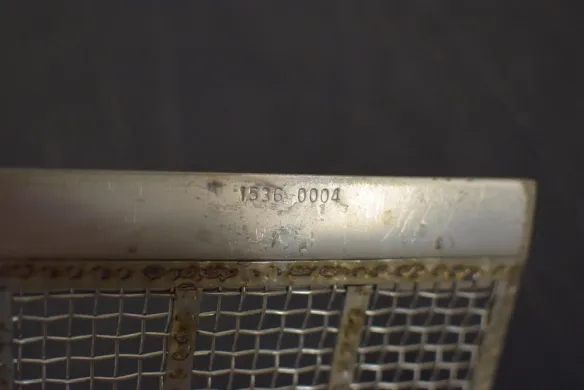
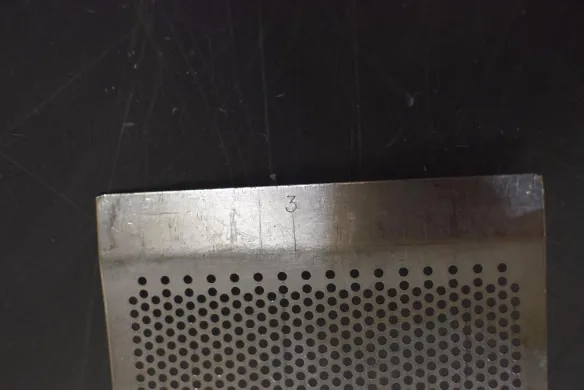
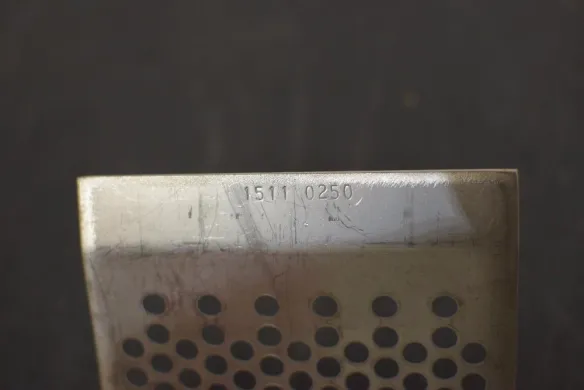
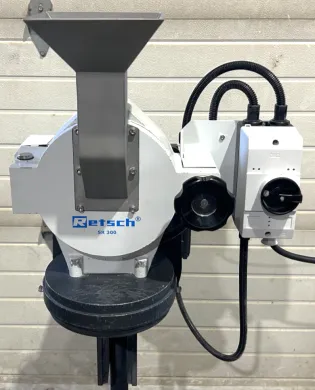
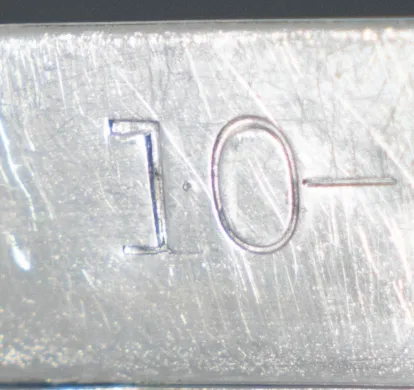
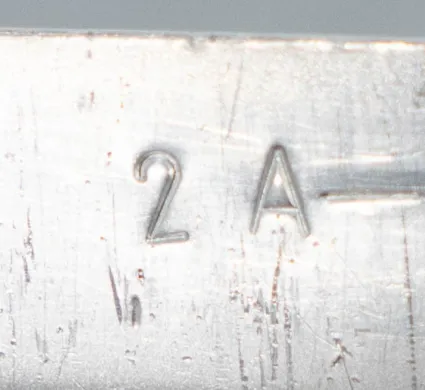
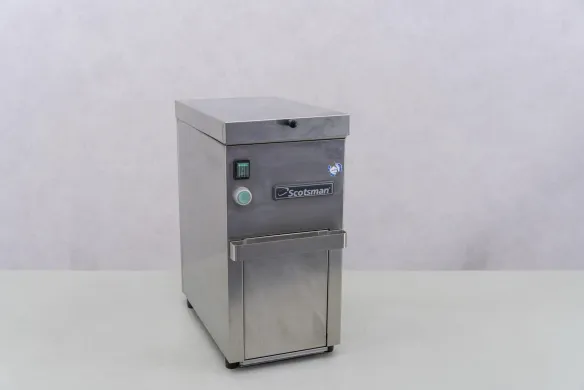
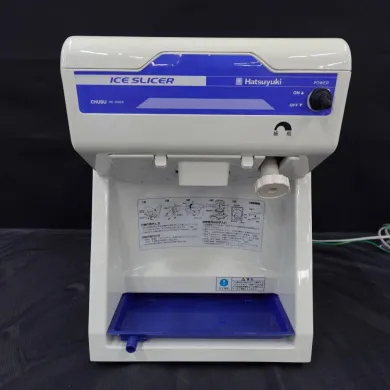
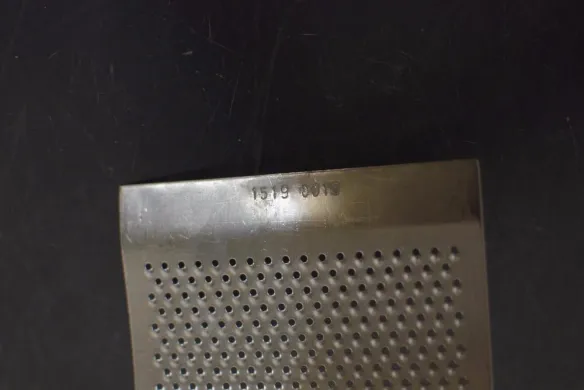
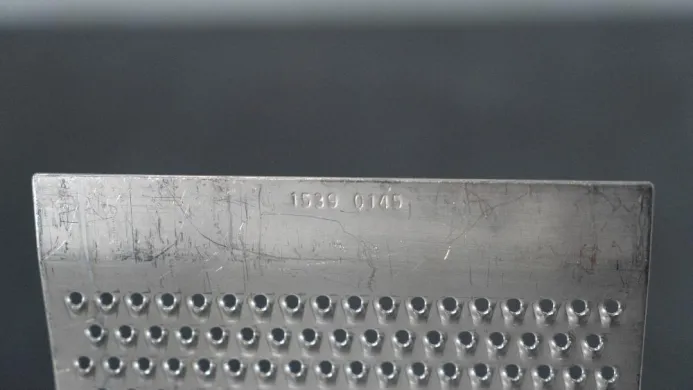
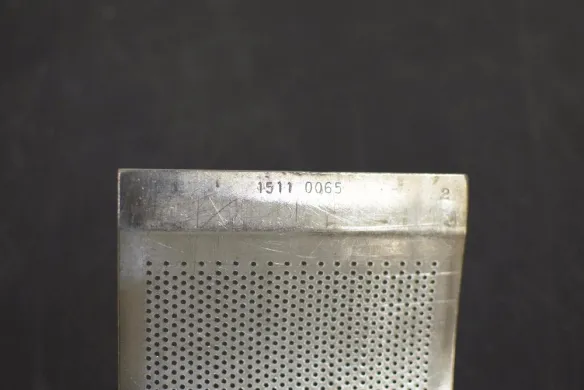
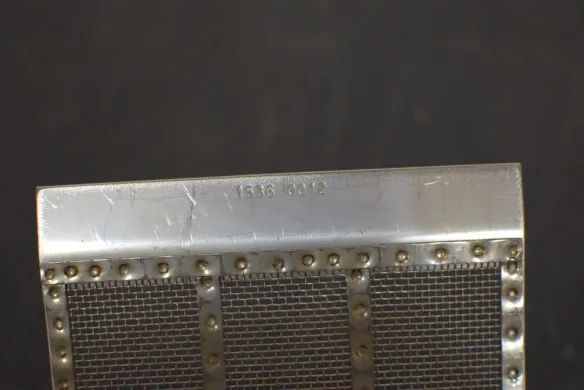
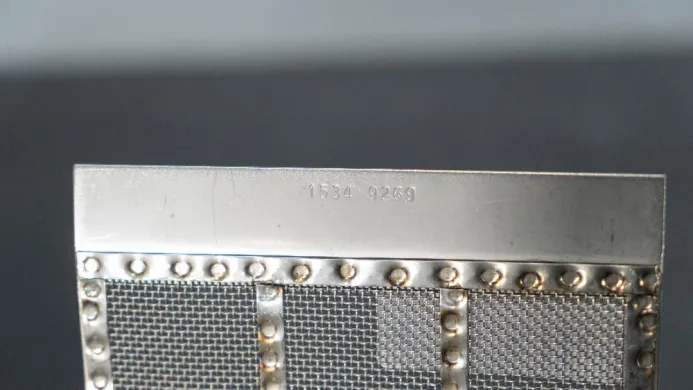
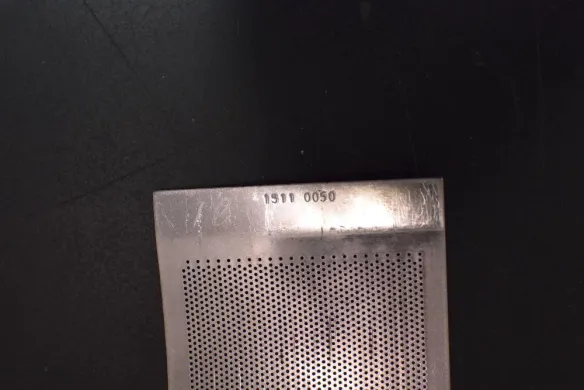
Fitz-Mill Size 3A Replacement Screen for D6A Hammer Mill
- Category
- Food grinders
- Suppliers
- 1 verified
Not the exact instrument you need?
Tell our scientists what you are after. We track it down, including off-market supply.
Showing 1–40 of 80 listings
Show 40 more listingsBuying guide
The screen settles the specification before any other figure does. A hammer mill reduces particle size by throwing material against hammers until it is small enough to pass the screen at the base, so the screen aperture, not the motor rating, is what fixes the output size. A buyer who knows the target fraction can read the screen directly: coarse apertures for granulation and pre-breaking, fine ones for powders. Rotor speed interacts with this, since faster tips produce finer material through the same screen and generate more heat, which matters for anything thermally sensitive. This is why the screens and milling components form so large a share of what sits in this category: an operator rarely buys one screen and stops, and matching the right aperture to the batch is a routine part of running the mill rather than a one-time decision.
Condition is where a used purchase earns its scrutiny, because the parts that wear are the parts that do the work. Hammers, pins, liners and screens all erode in service, and an eroded screen passes oversize material while worn hammers mill less efficiently and draw more current. Before buying a used unit, verify the state of the contact surfaces, ask which screens are included, and confirm the rotor runs true. A shredder that arrives with a full screen set and recently replaced hammers is a different proposition from a bare machine, and the price should reflect that. Food contact adds a second layer: cleanability of the chamber and the material of construction decide whether a unit suits regulated work or only general reduction.
Across the listings, prices run from EUR 36 to EUR 15.066. That spread is wide because it covers two different things at once: a single milling screen or a replacement part sits at the low end, while a complete pilot-scale shredder with drive and controls sits at the top. The average of EUR 1.355 says little on its own for that reason, and a buyer should read the band by what the listing actually contains rather than by the midpoint. Refurbished and used units are listed below new, which is the clearest cost advantage on this page, and for a buyer weighing a budget against throughput the used market is where most of the complete machines are. The dominant names are Fitzpatrick, FitzMill, Fitzmill, IKA, Retsch, and that concentration is itself useful: parts, screens and documentation are easier to source and models easier to compare when the field is narrow rather than fragmented, which makes a mid-range used purchase from one of these makers more affordable to keep running than a one-off from an unfamiliar brand.
Types of Food shredders
Which food shredder types are listed?
Among the listings that specify a type, most are not whole machines but the parts that run inside them. Hammer mill screens, milling screens and laboratory mill screens are the perforated plates that sit at the discharge and set the output particle size; they differ mainly in aperture and in which mill body they fit. Alongside these sit particle size reduction components and accessories, the hammers, pins and liners that wear in service, and sample preparation equipment, which covers the complete bench and pilot units. The pattern tells a buyer something practical: this is a category of consumables as much as capital equipment, so a search here is as likely to be for a replacement screen in a known aperture as for a new mill.
These shredders do real work in life sciences and biotechnology. In sample preparation they reduce plant tissue, freeze-dried material and formulated solids to a uniform particle size before extraction or assay, which is a prerequisite for reproducible molecular biology and genomics work where inconsistent input ruins a result. A laboratory hammer mill for sample preparation is the phrase that fits that whole need, built from the equipment and the field it serves. In formulation and biomanufacturing the same milling step controls powder flow and dissolution for feed, nutrient and media production, and food-grade reduction feeds into microbiology work where homogeneous sample size governs plating and culture. A milling screen for particle size reduction is also used for standardising substrate ahead of fermentation, where the surface area created by finer milling changes how a culture takes hold.
The brands behind the food shredder listings
The field is dominated by Fitzpatrick, FitzMill, Fitzmill, IKA, Retsch, with the Fitzpatrick hammer mill line and IKA and Retsch mills accounting for much of what is listed. For a buyer, that concentration is the point. Screens, hammers and liners for these makers are stocked and interchangeable within a model family, so a worn part is a routine order rather than a bespoke fabrication. It also makes models easy to compare: two used Fitzpatrick units can be weighed against each other on screen set, hammer condition and drive size without translating between unfamiliar specification sheets. Parts can be sourced via Questpair when a listed machine arrives short of a screen set.
What a used food shredder costs here
Of the listings, 98 percent are used, drawn from 10 verified suppliers and distributors. Prices span from EUR 36 to EUR 15.066. The low end is a single screen or wear part; the high end is a complete pilot-scale unit with its drive and controls. Used and refurbished machines are listed below new, and because most of the complete shredders in this catalogue are used, that is where a buyer working to a budget will find the whole machines rather than only the parts.
Frequently asked questions
What is a food shredder?
A food shredder is a mill that breaks food and related solids into smaller, controlled particle sizes for laboratory and pilot-scale work. Most listed here are hammer mills along with the screens and components that run inside them.
What does food shredder mean in a laboratory context?
In a lab setting it means a milling device that reduces samples such as plant tissue, freeze-dried material or formulated solids to a uniform particle size. The point is a consistent discharge size ahead of extraction, assay or culture work, not simply cutting material down.
How do food shredders work?
A hammer mill throws material against rotating hammers until the pieces are small enough to pass through a screen at the base of the chamber. The screen aperture sets the output particle size, and the rotor speed changes how fine the material comes out through that same screen.
What types of food shredders are listed here?
The listings cover hammer mill screens, milling screens and laboratory mill screens, which are the perforated plates that set output size, plus particle size reduction components and accessories such as hammers, pins and liners. Sample preparation equipment covers the complete bench and pilot units. Many listings are parts rather than whole machines.
What are food shredders used for?
They reduce samples to a uniform particle size before extraction, assay, fermentation or plating, where inconsistent input size affects the result. In formulation and biomanufacturing the same milling step controls powder flow and dissolution for feed, nutrient and media production.
How do I choose a food shredder?
Start from the output: the screen aperture fixes the target particle fraction, with coarse apertures for granulation and fine ones for powders. Then consider rotor speed, since faster tips produce finer material and more heat, which matters for thermally sensitive samples.
What is the difference between a refurbished and a used food shredder?
A refurbished unit has been checked and brought back to working condition, while a used unit is sold in its current state. With either, verify the wear parts, ask which screens are included, and confirm the rotor runs true, since those contact surfaces do the work.
How much does a food shredder cost?
Prices range from EUR 36 to EUR 15.066, with an average of EUR 1.355. The low end is a single screen or wear part and the high end is a complete pilot-scale unit with its drive and controls, so read each listing by what it actually contains rather than by the midpoint.
Which brands make the food shredders listed here?
The field is dominated by Fitzpatrick, FitzMill, IKA and Retsch, with the Fitzpatrick hammer mill line and IKA and Retsch mills accounting for much of what is listed. Screens, hammers and liners are stocked and interchangeable within a model family for these makers.
Is a warranty available on a refurbished food shredder?
A warranty is often possible and is arranged in consultation for the specific listing. Terms depend on the individual unit and seller rather than being set centrally.
Can I get replacement screens and wear parts?
Yes, parts can be sourced via Questpair, including when a listed machine arrives short of a screen set. Because the dominant makers use interchangeable parts within a model family, a worn screen or hammer is a routine order.
How long does a food shredder last?
The mill body itself lasts for years, but the hammers, pins, liners and screens erode in service and need periodic replacement. Lifespan in practice depends on how abrasive the material is and how often the wear parts are renewed.
Should I buy a new or a used food shredder?
Used and refurbished units are listed at lower prices than new, which is the clearest cost difference. Because most of the complete shredders in this catalogue are used, a buyer working to a budget will find whole machines there rather than only parts; check warranty terms on the individual listing.
Where can I buy a food shredder?
They are listed on Questpair from verified suppliers and distributors across 7 countries. The catalogue covers new, used and refurbished units as well as replacement screens and components.
What is the lead time and shipping on a food shredder?
Lead time and shipping depend on the individual listing and the supplier's location across the 7 countries represented. Check the specific listing for its availability, and contact Questpair if you need details before ordering.
What calibration and maintenance does a food shredder need?
Maintenance centres on the wear parts: inspect hammers, pins, liners and screens for erosion, since a worn screen passes oversize material and worn hammers mill less efficiently and draw more current. For food contact work, cleanability of the chamber and the material of construction also need attention.
Which food shredder types are most listed, and who reaches for which?
Screens and milling components make up a large share, since operators order replacement screens in known apertures as a routine part of running a mill. Complete sample preparation units are reached for when setting up or replacing a mill, while labs matching output size to a batch reach for the screens and accessories.
Which brands dominate this category and what does that mean for a buyer?
Fitzpatrick, FitzMill, IKA and Retsch account for much of what is listed, and that concentration makes models easy to compare and parts easier to source. Two used Fitzpatrick units can be weighed on screen set, hammer condition and drive size without translating between unfamiliar specification sheets.
What separates the low end of the price band from the high end?
At the low end sits a single milling screen or a replacement wear part; at the high end sits a complete pilot-scale shredder with its drive and controls. The wide span between EUR 36 and EUR 15.066 reflects those two different things being listed in the same category, so a complete used machine from one of the dominant makers also tends to be cheaper to keep running than an unfamiliar brand.