
Zebra Technologies equipment
We personally find you the right new, used & refurbished Zebra Technologies instruments & equipment from verified suppliers
Zebra Technologies is an American manufacturer of barcode printers, barcode scanners, and rugged mobile computers used for automatic identification and data capture. The company builds thermal label printers, handheld and fixed barcode readers, RFID hardware, and enterprise mobile terminals for warehousing, retail, manufacturing, and healthcare operations. Its equipment underpins specimen labelling and sample tracking in clinical and research settings, where a scanned barcode links a physical tube to its record. On Questpair, Zebra hardware is listed by verified suppliers and distributors across several countries, giving buyers a view of multiple generations and configurations in one catalogue.
Updated:
Zebra Technologies product list
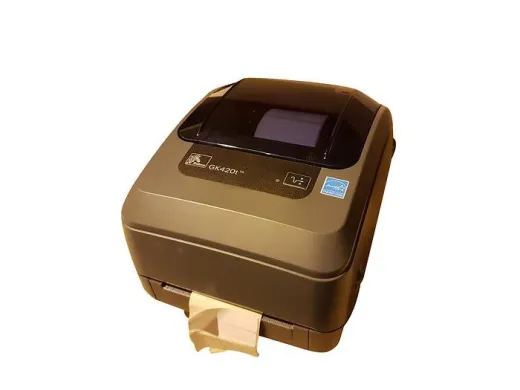
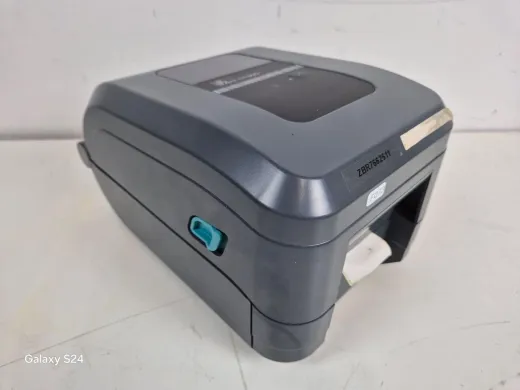
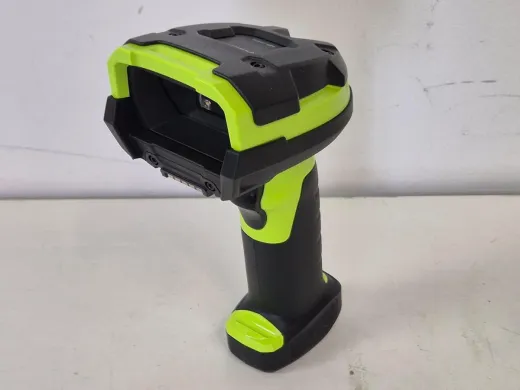
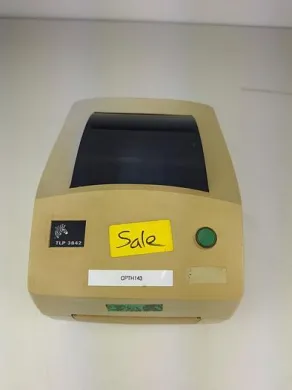
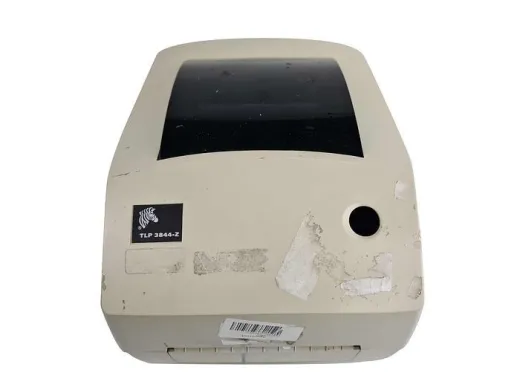
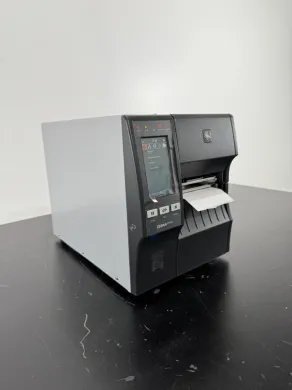
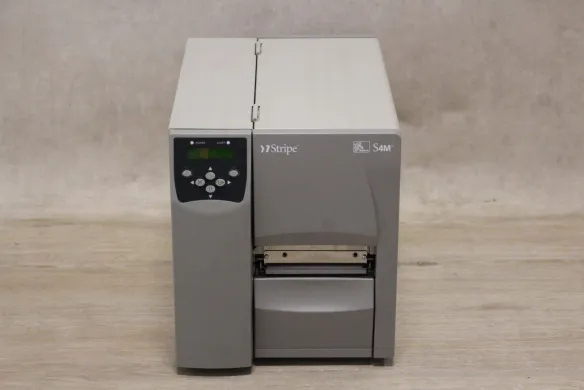
Zebra TLP 3844-Z Thermal Label Printer
- Category
- Printers
- Brand
- Zebra Technologies
- Suppliers
- 1 verified


Not the exact instrument you need?
Tell our scientists what you are after. We track it down, including off-market supply.
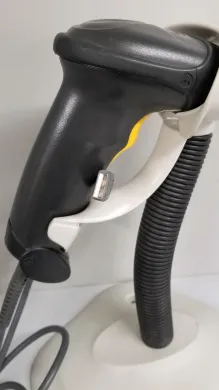
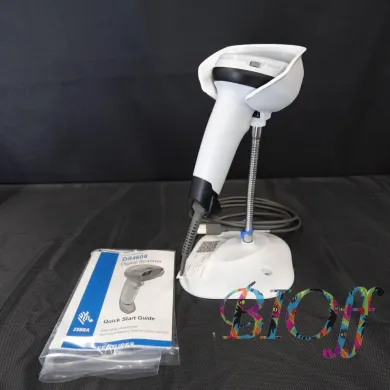
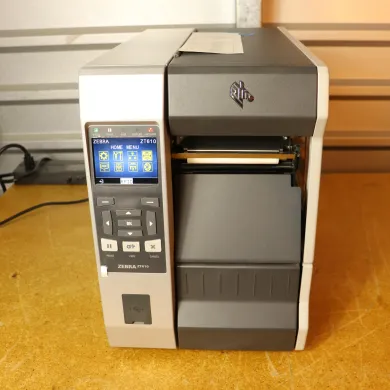
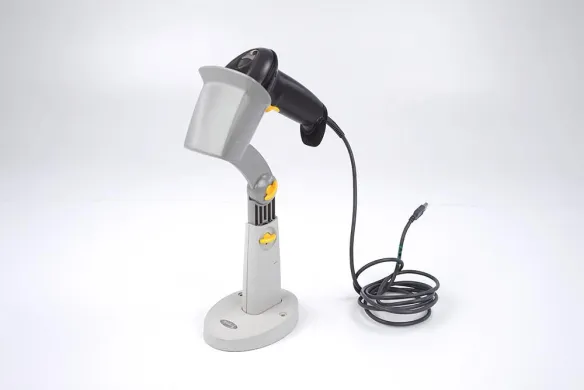
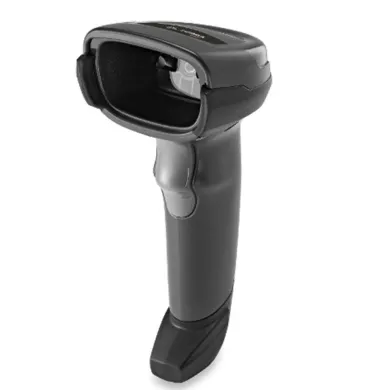
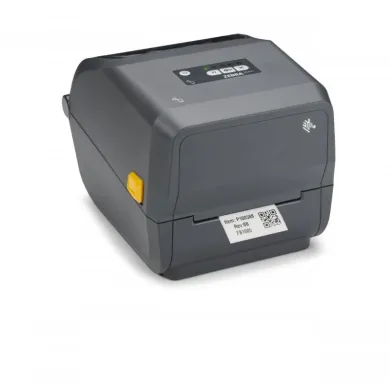
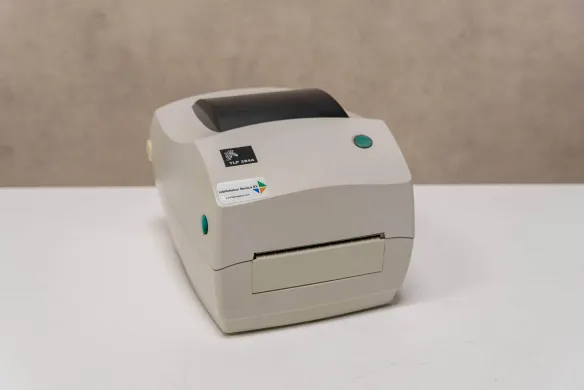
About Zebra Technologies
Zebra Technologies is an American manufacturer of automatic identification and data capture hardware, best known for barcode printers, barcode scanners, and rugged mobile computers. The company's product lines cover thermal label printers in desktop, industrial, and mobile formats, handheld and fixed-position barcode readers, RFID printers and readers, and enterprise mobile computers and tablets. This equipment is used to print, read, and track barcoded and RFID-tagged items across warehousing, retail, transport, manufacturing, and healthcare. In laboratory and clinical settings, Zebra label printers and scanners support specimen labelling and sample tracking, where a durable, machine-readable label ties a physical tube, slide, or plate to its database record. On Questpair, Zebra hardware is listed by verified suppliers and distributors, giving buyers a single catalogue view across several generations and configurations.
Zebra product lines
The printer side divides by format and throughput. Desktop label printers suit point-of-labelling stations and lower-volume benches; industrial printers are built for continuous, high-volume runs; and mobile printers move with an operator on a belt or shoulder strap. Across these, thermal printing is the common technology, in both direct-thermal and thermal-transfer forms, which matters for label durability and for how long a printed barcode stays readable. On the reading side, Zebra builds corded and cordless handheld scanners, presentation and fixed-mount readers, and imagers that handle both 1D and 2D codes. The mobile computer line puts a scanner, a screen, and a wireless connection into one rugged unit, which is the device that carries a sample-tracking or inventory application out of the office and onto the floor. RFID printers and readers form a separate line for applications where line-of-sight scanning is impractical and a tagged item needs to be read in bulk.
In the life sciences, this hardware does specimen labelling and sample chain-of-custody work. A barcode printer produces the label that identifies a tube at collection; a scanner reads it at every subsequent step, so the record follows the sample through processing. Zebra equipment for molecular diagnostics and clinical specimen tracking is used where a laboratory information management system needs a reliable physical link to each sample, and the same approach supports biobanking, where frozen aliquots must stay identifiable for years. Durable label printing for cryogenic sample storage is a recurring requirement, because a label on a tube held at low temperature has to survive the condition that measurement hardware never sees. Handheld barcode scanners for laboratory sample tracking tie these steps together, reading the same label the printer produced and feeding each scan back to the host system. The work is identification, not analysis, but a mislabelled sample costs as much as a bad measurement.
Zebra hardware on Questpair
The Questpair catalogue holds 117 Zebra items from 9 verified suppliers and distributors, with stock across 8 countries. 97 percent of the listings are used. Prices run from EUR 50 to EUR 1.840. That spread covers the gap between a single handheld scanner and a fully specified industrial printer or mobile terminal, so a buyer can size a purchase to the throughput a task actually needs rather than to a brochure configuration. Used and refurbished units are listed below new prices, and where a buyer weighs the two, warranty is arranged in consultation on the specific listing rather than set centrally, so the decision turns on the configuration and the condition described in that listing. Parts for listed hardware can be sourced via Questpair, which helps when the aim is to keep an existing fleet of printers or scanners on a common generation. For manuals and documentation on a particular unit, a buyer can contact Questpair and specialists respond within the hour. Because Zebra ships regional variants across several product cycles, the value of browsing a multi-supplier catalogue is in finding the exact model and build that drops into a system already in use.
Questpair review of Zebra Technologies
Our take based on listings data and supplier feedback
Zebra Technologies occupies the data-capture layer of lab and logistics workflows rather than the measurement layer, and that shapes how its hardware should be judged on a marketplace. The question is rarely whether a given printer or scanner performs a function, but whether the specific unit, generation, and firmware match the system a buyer already runs. The listings on Questpair support that kind of judgement because they show breadth, condition, and geography at once.
Breadth is the first thing the catalogue offers. The 117 items from 9 suppliers span the three families Zebra is known for: thermal label printers that run specimen and inventory labels, handheld and corded scanners that read those labels back, and mobile computers that carry the scanning and database connection into the aisle or the ward. For a buyer standardising on one ecosystem, seeing desktop printers, industrial printers, and readers side by side matters more than any single spec sheet, because compatibility across the chain is what keeps a labelling system working. A unit chosen in isolation can read a barcode perfectly and still fail to talk to the host software it is meant to feed.
Pricing is the second axis, and here the condition split is decisive. 97 percent of the listings are used. Prices run from EUR 50 to EUR 1.840. That range reflects the gap between a bare handheld scanner and a fully specified industrial printer or mobile terminal, and it lets a buyer size the purchase to the duty the task actually demands. A low-throughput labelling station in a small lab does not need the same hardware as a distribution centre running thousands of labels a shift, and the used market is where that distinction becomes affordable. Used and refurbished units are listed below new; where a buyer has to weigh new against used, the warranty question is settled on the individual listing, arranged in consultation, so the comparison comes down to price and the specific configuration rather than a blanket rule.
Geography is the third. Suppliers sit across 8 countries, which does more than widen the shipping options. Zebra releases hardware in regional variants and across several generations, and a wider supplier pool raises the chance of finding the exact model, connector, or regional build a buyer needs to drop into an existing fleet. For maintaining an installed base, matching the generation already in use is often worth more than buying the newest device, because it keeps spares, cradles, and firmware common across the estate. Parts for listed equipment can be sourced via Questpair, which supports that same logic of keeping a fleet uniform rather than mixed. Taken together, the catalogue reads as a tool for matching hardware to an existing system, not for discovering a brand from scratch.
**Breadth of listed hardware**
Across 117 items from 9 verified suppliers and distributors, the Zebra range on Questpair covers barcode printers, handheld scanners and mobile computers in one place.
**Used-market pricing**
97 percent of the listings are used, with prices from EUR 50 to EUR 1.840, so a buyer can match outlay to the duty cycle a given task needs.
**Cross-border availability**
Stock sits with suppliers in 8 countries, which widens the pool of configurations and generations a buyer can compare before committing.
Frequently asked questions
Where can I find manuals and documentation for a Zebra printer or scanner?
Contact Questpair with the model you are looking at and specialists respond within the hour. Documentation often varies by generation, so naming the exact unit from its listing helps get the right version.
How much does Zebra equipment cost?
On Questpair, Zebra hardware ranges from EUR 50 to EUR 1.840, with an average around EUR 420. A single handheld scanner sits at the low end, while a fully specified industrial printer or mobile terminal sits at the top.
What is the difference between refurbished and used Zebra units?
Used units are sold in their existing condition, while refurbished units have been reconditioned before resale. Both are listed below new prices on Questpair, and the exact condition is described in each individual listing.
Does Zebra hardware on Questpair come with a warranty?
A warranty is often possible and is arranged in consultation for the specific listing. Because terms are not set centrally, the detail depends on the configuration and condition of that unit.
Is Zebra equipment suitable for clinical and research use?
Zebra label printers and scanners are used for specimen labelling and sample tracking, where a machine-readable label links a tube, slide, or plate to its database record. The hardware handles identification and chain-of-custody work rather than analysis itself.
How long does Zebra hardware last?
Lifespan depends on format and duty cycle: industrial printers are built for continuous high-volume runs, while desktop and mobile units carry lighter loads. Printhead wear is the usual limiting factor on thermal printers, and the listings on Questpair span multiple generations at different stages of their life.
Can I get parts for a Zebra printer or scanner?
Parts for listed hardware can be sourced via Questpair. This helps when the goal is to keep an existing fleet of printers or scanners running on a common generation.
What are the alternatives to Zebra equipment?
Other makers of barcode printers, scanners, and rugged mobile computers cover similar automatic identification and data capture tasks. What separates them is thermal print format, scanner imaging range, and how RFID support is handled, so the right alternative depends on whether you need labelling, reading, or both.
How long is the lead time on a Zebra order?
Lead time depends on the individual supplier and whether the unit is in stock. The catalogue draws on 9 verified suppliers and distributors, so availability on a specific model and build varies by listing.
What is the difference between parts and spares for Zebra hardware?
In practice the terms overlap: both refer to components such as printheads, platens, or batteries used to maintain or repair a unit. Parts for listed Zebra hardware can be sourced via Questpair.
Do Zebra suppliers ship internationally?
Stock on Questpair is held across 8 countries, and shipping terms are set by each supplier on the individual listing. Confirm destination and handling with the listing before ordering.
Which Zebra product lines are there and how do they differ?
The printer side splits by format: desktop printers for lower-volume benches, industrial printers for continuous runs, and mobile printers worn by an operator, all using direct-thermal or thermal-transfer printing. The reading side covers corded and cordless handheld scanners, fixed-mount readers, and 1D/2D imagers, while rugged mobile computers combine a scanner, screen, and wireless link, and RFID printers and readers form a separate line for bulk, no-line-of-sight reads.
Which types of Zebra equipment are listed here and in what condition?
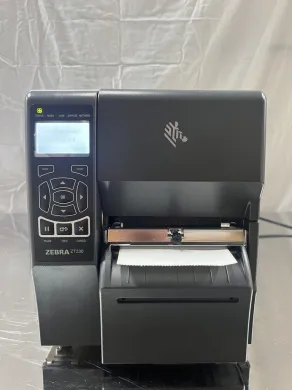
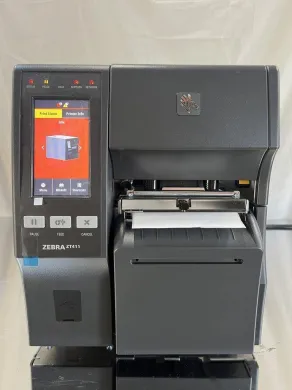
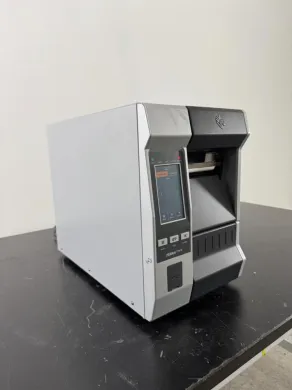
The catalogue includes barcode printers, industrial label printers, thermal transfer printers, direct thermal printers, label printers, and desktop label printers. Across all Zebra listings, 97 percent are used, with the balance new, and each listing states its own condition.
What separates the cheapest Zebra listings from the most expensive?
The gap runs from a single handheld scanner at EUR 50 to a fully specified industrial printer or mobile terminal at EUR 1.840. Throughput, build format, and whether the unit is new or used drive the difference, so a buyer can size the purchase to the task rather than to a brochure configuration.
About Questpair
Questpair is the European marketplace for lab equipment, where AI-prepared cases and personal specialists guide every purchase. We work with 247 verified suppliers across 38 countries to find buyers the right new, used or refurbished instruments, with response within 1 hour and significant savings vs buying new.
Personal · Fast · Reliable · Affordable