
Hewlett-Packard equipment
We personally find you the right new, used & refurbished Hewlett-Packard instruments & equipment from verified suppliers
Hewlett-Packard is an American electronic test and measurement, analytical instrumentation, and medical equipment manufacturer, founded in 1939 and incorporated in 1947. William Hewlett and David Packard started the company in a Palo Alto, California garage with $538, building audio oscillators and electronic test instruments before expanding into gas chromatographs, HPLC systems, and mass spectrometers. The laboratory and analytical instrument divisions were spun off as independent Agilent Technologies in 1999, while HP Inc. continued as a publicly traded company. On Questpair, Hewlett-Packard analytical and test equipment is listed by verified suppliers and distributors across several countries.
Updated:
Hewlett-Packard product list
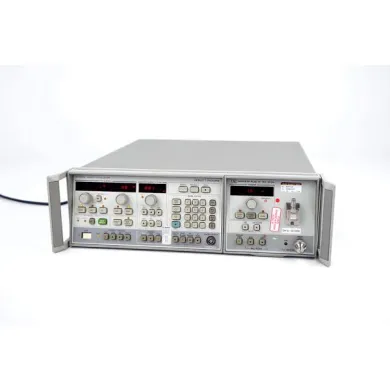
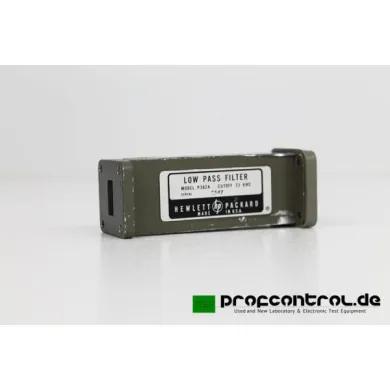
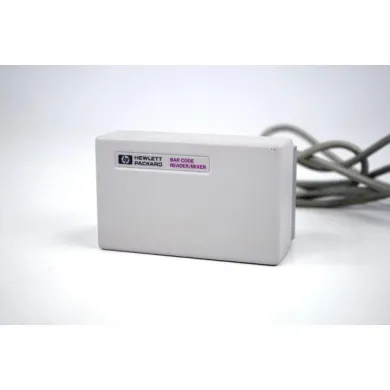


Not the exact instrument you need?
Tell our scientists what you are after. We track it down, including off-market supply.
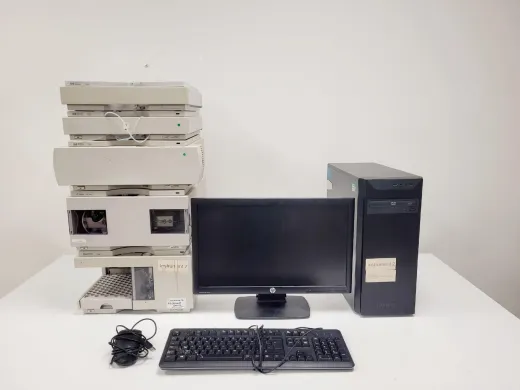
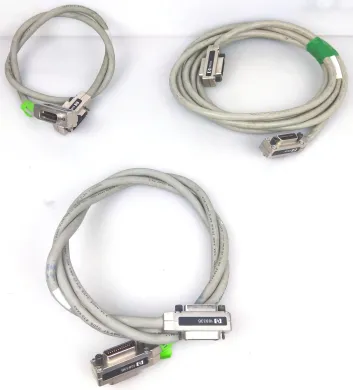
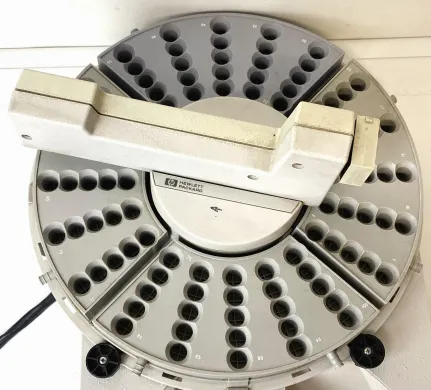
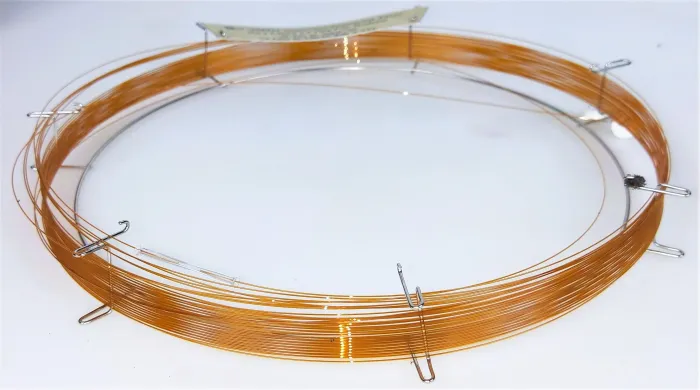

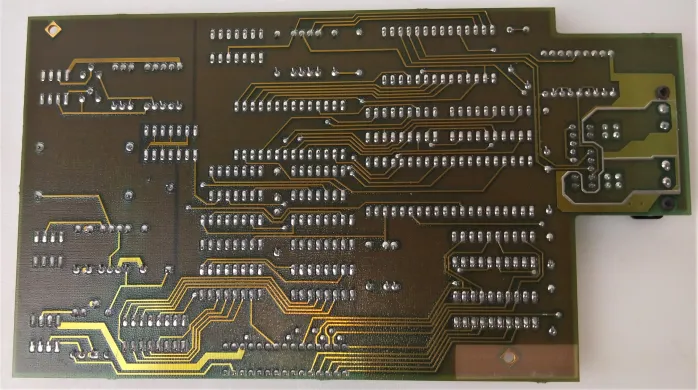
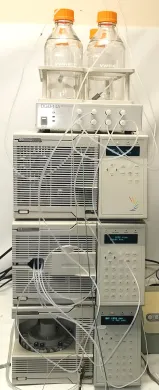
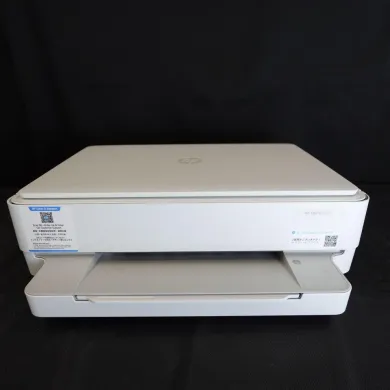
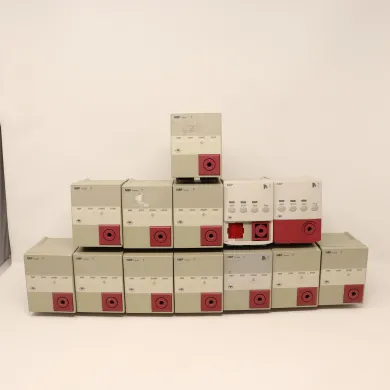
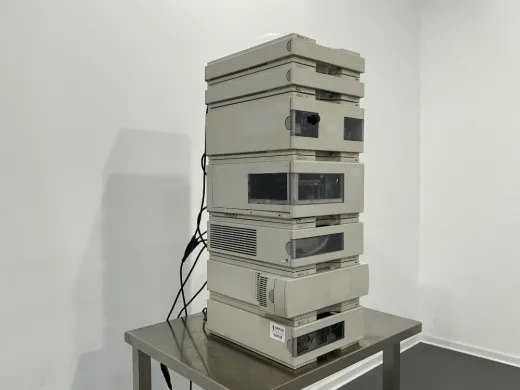
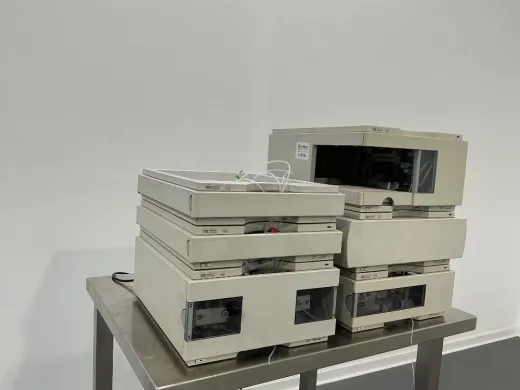
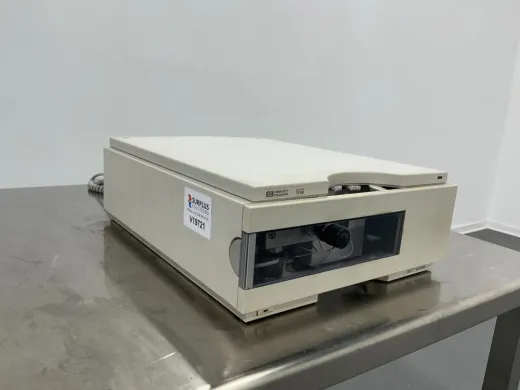
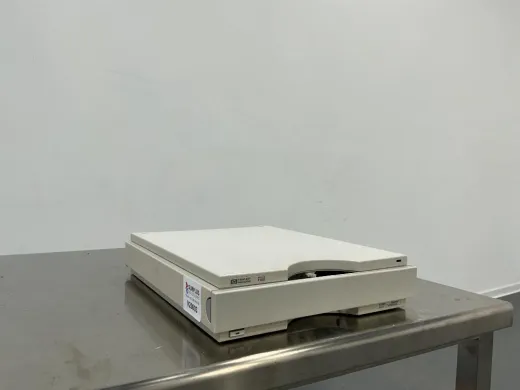
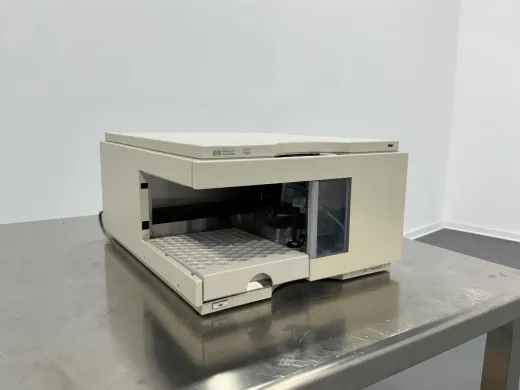
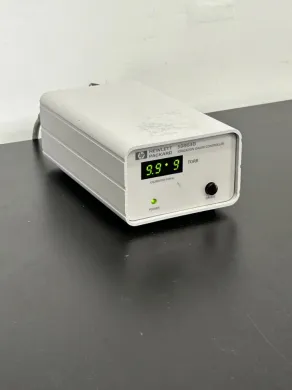
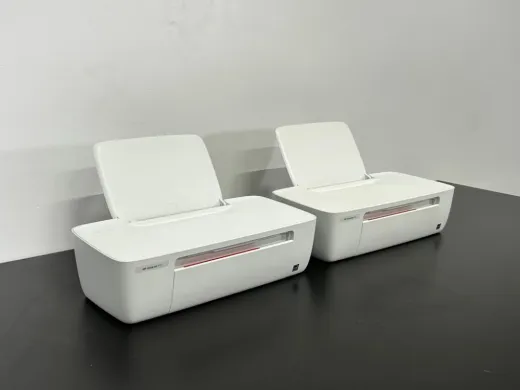
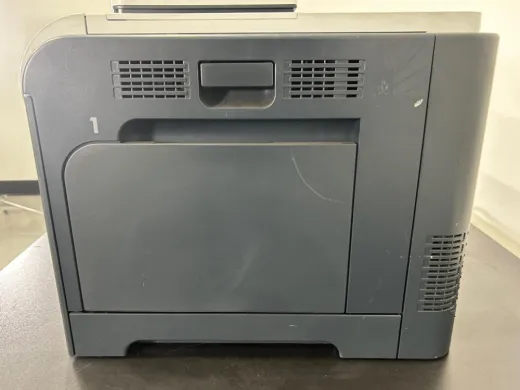
Not the exact instrument you need?
Tell our scientists what you are after. We track it down, including off-market supply.
Showing 1–40 of 88 listings
Show 40 more listingsAbout Hewlett-Packard
Hewlett-Packard is an American electronic test and measurement, analytical instrumentation, and medical equipment manufacturer, founded in 1939 and incorporated in 1947. The company was started by William Hewlett and David Packard in a Palo Alto, California garage with $538, initially producing audio oscillators and electronic test and measurement instruments. Over the following decades it expanded into analytical laboratory instruments, including gas chromatographs, HPLC systems, and mass spectrometers, alongside medical imaging equipment and power supplies. In 1999 the laboratory and analytical instrument divisions were spun off as independent Agilent Technologies, and in 2015 the remaining company split, with HP Inc. continuing as a publicly traded company on the NYSE under HPQ. Headquartered in Palo Alto, the firm's analytical instruments retain a substantial presence in laboratories despite the end of HP-branded instrument production. On Questpair, HP analytical and test equipment is listed by verified suppliers and distributors across several countries.
Hewlett-Packard analytical instrument lines
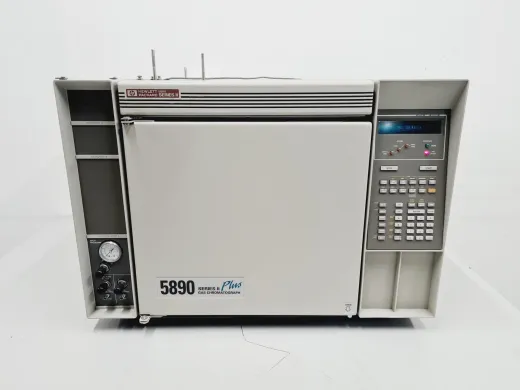
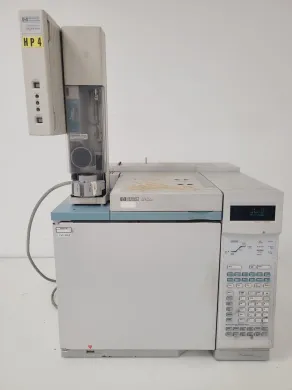
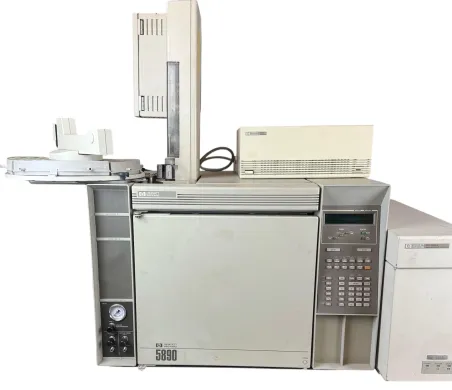
The analytical portfolio centres on chromatography and mass spectrometry. In gas chromatography, the HP 5890 Series and HP 6890 Series gas chromatographs are the most widely encountered, both designed for routine and research separations and both still running validated methods in many laboratories. Gas chromatographs perform the separation step that underpins environmental, petrochemical, forensic, and food analysis, and these HP systems are also used for volatile organic compound screening and residual solvent testing. In liquid chromatography, the HP 1090 and the HP 1100 Series brought high-performance liquid chromatography to a wide user base; HPLC instruments separate compounds in solution and are also used in protein purification monitoring and in molecular diagnostics method development.
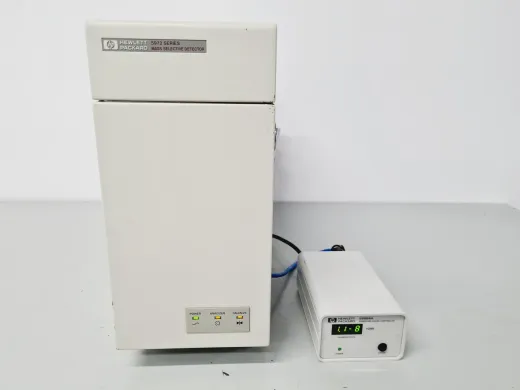
Mass spectrometry is represented by the HP 5973 GC/MSD and the HP 5992 GC/MS, which couple a gas chromatograph to a mass selective detector. This pairing drives GC/MS workflows in proteomics sample screening, metabolite identification, and trace contaminant analysis, where the chromatograph resolves the mixture and the spectrometer identifies each component by mass. The HP ChemStation software tied these instruments together into a single data-handling environment, and that software lineage is one reason HP-era hardware integrated smoothly with the analytical instrumentation that followed the Agilent spin-off. Beyond the analytical lines, the historical catalogue also includes electronic test and measurement instruments and power supplies, reflecting the company's origins in the HP 200A audio oscillator.
What is listed on Questpair?
The Questpair catalogue holds 407 Hewlett-Packard listings from 15 verified suppliers and distributors, located across 9 countries. The condition split is heavily weighted toward pre-owned equipment: 99 percent of the listings are used. Prices run from EUR 30 to EUR 23.450. The average sits at EUR 1.413, a figure that spans the gap between individual modules, such as detectors, injectors, and autosamplers, and complete chromatography systems with data stations.
This spread makes the catalogue useful for two distinct buyers. A laboratory needing to keep an existing HP method running can source a replacement instrument or a specific component that matches its current configuration. A laboratory entering chromatography or GC/MS can acquire a proven analytical platform well below current-generation pricing. Because the instruments are no longer manufactured, the used market is where this equipment is found, and the HP install base is deep enough to support ongoing supply. Parts can be sourced via Questpair, and where a warranty is relevant it is arranged in consultation for the individual listing. For buyers comparing a used HP system against a newer instrument, the clearest difference recorded here is price; the suitability of a given unit is best judged against the specific listing and the method it will run.
Questpair review of Hewlett-Packard
Our take based on listings data and supplier feedback
Hewlett-Packard occupies an unusual position in the laboratory instrument market: the company no longer makes the equipment, yet its analytical hardware remains in daily use across chromatography and mass spectrometry laboratories worldwide. The 1999 spin-off that created Agilent Technologies drew a line under HP-branded instrument production, but it did not end the working life of the installed base. That gap between manufacture and ongoing use is the central fact a buyer weighs here, and the Questpair catalogue, with 403 used listings, exists largely because of it.
The depth of the install base is the first thing worth examining. The HP 5890 Series and HP 6890 Series gas chromatographs were manufactured in large numbers and specified for methods that laboratories still run unchanged. A method validated against an HP 5890 does not require a new instrument to keep producing comparable data, which is why these systems continue to trade rather than retire. The catalogue bears this out across 407 listings from 15 verified suppliers and distributors, spanning gas chromatographs, HPLC systems such as the HP 1090 and HP 1100 Series, and GC/MS platforms including the HP 5973 mass selective detector.
Platform continuity is the second consideration, and it is specific to this maker. The HP ChemStation software environment and the detector and injector architecture of the later HP instruments carried forward into Agilent's own lines after the spin-off. For a laboratory, this means that the analytical workflow built around an HP gas chromatograph did not become an isolated dead end; configurations, columns, and consumable formats largely persisted. A buyer acquiring an HP 6890 is not acquiring an orphaned system but one whose operating logic shaped the instruments that followed it. This matters most for laboratories standardising a fleet, where mixing HP-era and later analytical instrumentation is practical rather than problematic.
Pricing is the third benefit, and the numbers are concentrated. With 99 percent of the listings used, and prices running from EUR 30 to EUR 23.450 at an average of EUR 1.413, the range reflects the difference between a single component, such as a detector or an autosampler, and a complete chromatography system with data handling. A laboratory entering gas chromatography or GC/MS for the first time, or expanding capacity for a known method, can do so at a fraction of current-generation cost. The trade-off a buyer actually faces is between a proven, well-documented platform and the newer features of a current instrument, and that trade-off is decided per listing rather than in the abstract. Where warranty matters, it is arranged in consultation for the specific listing.
Across the catalogue, the picture is coherent: a manufacturer whose instruments outlived its instrument business, supported by a used market deep enough to make HP chromatography and test equipment a working option rather than a historical curiosity.
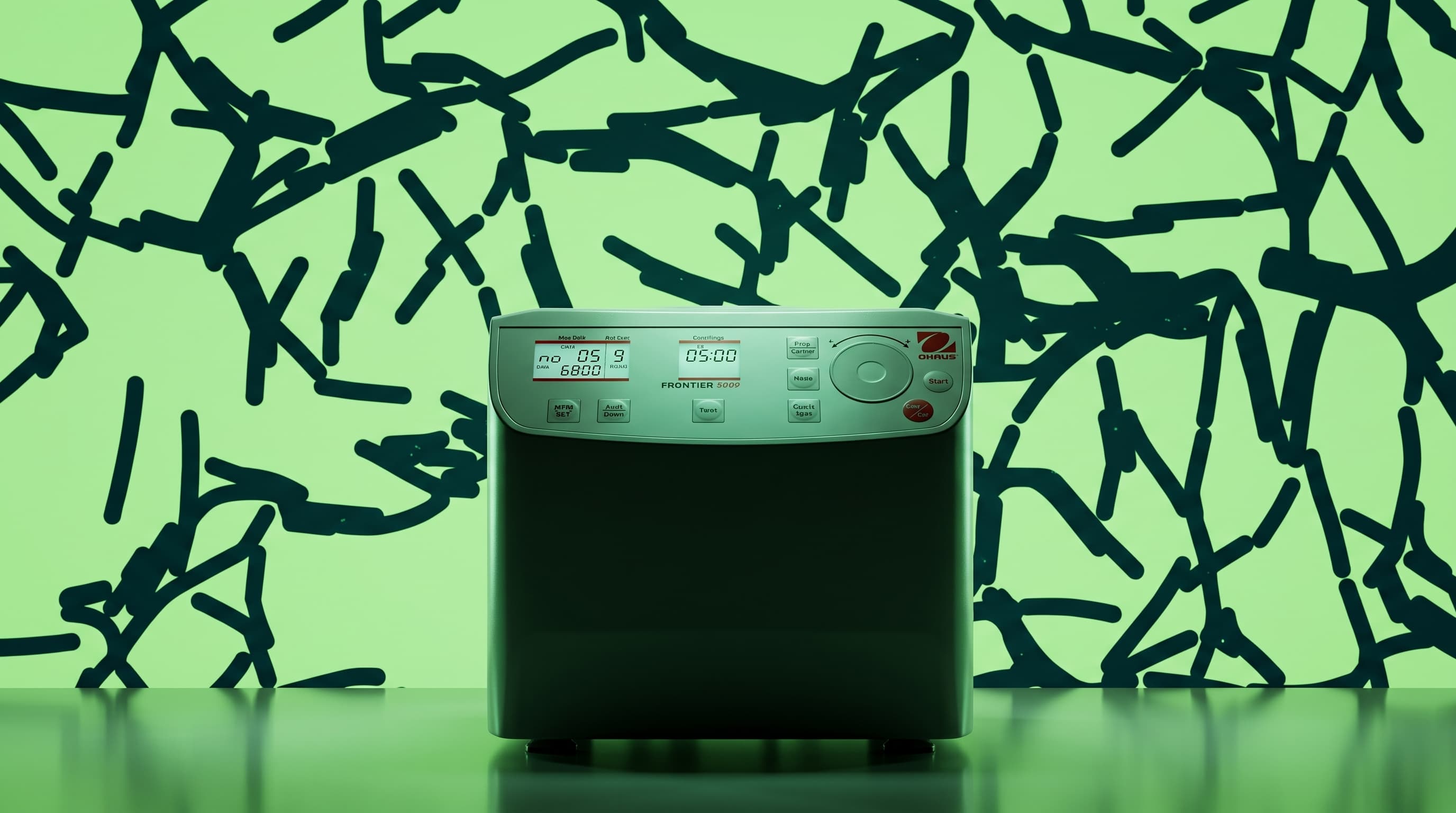
**Deep instrument install base**
Hewlett-Packard analytical instruments from the 1980s and 1990s, including the HP 5890 and HP 6890 gas chromatographs, remain in active laboratory use decades after manufacture, and the Questpair catalogue reflects that longevity with 407 listings.
**Legacy platform continuity**
The HP ChemStation software and the HP 5973 mass selective detector defined a GC and GC/MS workflow that later carried into Agilent instruments, so parts and configurations for HP-branded systems still match equipment running in laboratories today.
**Used pricing across a wide range**
Listed Hewlett-Packard equipment spans from EUR 30 to EUR 23.450, with 99 percent of the listings used, giving laboratories an entry point into chromatography and test instrumentation below the cost of current-generation systems.
Frequently asked questions
Where can I find manuals and documentation for HP analytical instruments?
Manuals and operating documentation for HP equipment can be requested through Questpair, where specialists respond within an hour. This is useful for older lines like the HP 5890 or HP 1100 Series where original paperwork may not ship with a used unit.
How much does HP analytical equipment cost?
Listings range from EUR 30 to EUR 23.450, with an average of EUR 1.413. The low end covers individual modules such as detectors, injectors, and autosamplers, while the high end reflects complete chromatography systems with data stations.
What is the difference between a refurbished and a used HP instrument?
A used unit is sold in its existing condition, while a refurbished unit has been reconditioned before listing. Both are offered below the price of new equipment, and the exact condition is stated in each individual listing.
Is there a warranty on HP equipment bought here?
A warranty is often possible and is arranged in consultation for the specific listing. Because terms are not set centrally, check the individual listing and raise the question with the supplier before purchase.
Are HP instruments suitable for clinical or research work?
HP gas chromatographs and GC/MS systems like the HP 5890, HP 6890, and HP 5973 GC/MSD are still running validated methods in many laboratories for environmental, forensic, and food analysis. Suitability for a clinical or research application depends on the method the instrument will run, so match the unit against your protocol and its documented condition in the listing.
How long will an HP instrument keep working?
Many HP chromatographs and mass spectrometers from the 5890, 6890, and 1100 lines remain in service decades after production, in part because of a large install base that sustains parts supply. Lifespan in practice depends on usage, maintenance history, and the availability of replacement components for that specific model.
Can I still get parts for HP instruments that are no longer made?
Parts can be sourced via Questpair, and the depth of the HP install base helps sustain availability for lines such as the 5890 Series GC and the 1100 Series HPLC. Match the part to your exact configuration, since module compatibility varies across series.
What are good alternatives to an HP analytical system?
The closest successors are the Agilent instruments that followed the 1999 spin-off, since the HP ChemStation software lineage carried over and the hardware architecture is related. Within the Questpair catalogue, the alternative depends on whether you need gas chromatography, HPLC, or GC/MS, and each listing states the specific class and condition.
How long does it take to receive an HP instrument after ordering?
Lead time depends on the individual supplier and the condition of the unit, since these are pre-owned items from verified suppliers and distributors rather than stock from a factory. Contact the supplier through Questpair for the delivery timing on a specific listing.
Can I buy a single part or do I have to buy a whole system?
Both are listed. The catalogue spans individual modules such as detectors, injectors, and autosamplers as well as complete chromatography systems with data stations, which is one reason the average price of EUR 1.413 sits between those extremes.
Do suppliers ship HP equipment internationally?
Listings come from verified suppliers and distributors across 9 countries, so international shipping is often possible. Confirm shipping arrangements for a given listing directly with the supplier through Questpair.
Which product lines did HP make and how do they differ?
In gas chromatography the HP 5890 and HP 6890 Series handle routine and research separations; in liquid chromatography the HP 1090 and HP 1100 Series cover HPLC. For mass spectrometry the HP 5973 GC/MSD and HP 5992 GC/MS couple a gas chromatograph to a mass selective detector, and all were tied together by HP ChemStation software. The historical catalogue also includes electronic test and measurement instruments and power supplies, reflecting the HP 200A audio oscillator origins.
Which HP instrument types are actually listed here and in what condition?
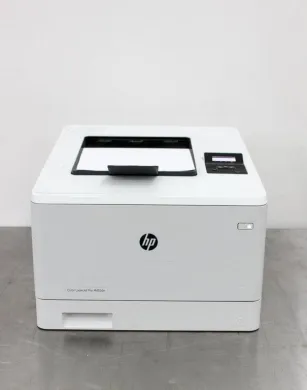
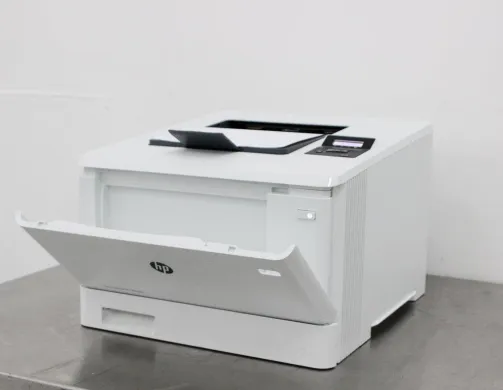
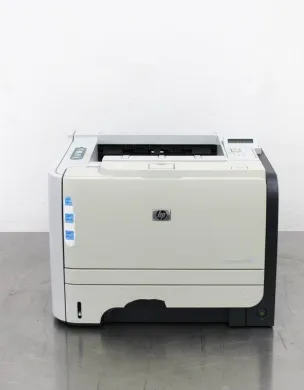
The classes present include gas chromatographs, analytical instruments, network printers, colour laser printers, office printers, and multifunction printers. The condition split is heavily weighted toward pre-owned equipment, with 99 percent of the 407 listings used.
What separates the cheapest HP listings from the most expensive?
The cheapest listings are typically individual components such as detectors, injectors, or autosamplers, while the most expensive are complete chromatography or GC/MS platforms with data stations. Condition and configuration also move the price, which runs from EUR 30 to EUR 23.450 across the catalog.
About Questpair
Questpair is the European marketplace for lab equipment, where AI-prepared cases and personal specialists guide every purchase. We work with 247 verified suppliers across 38 countries to find buyers the right new, used or refurbished instruments, with response within 1 hour and significant savings vs buying new.
Personal · Fast · Reliable · Affordable