
Schott equipment
We personally find you the right new, used & refurbished Schott instruments & equipment from verified suppliers
Schott is a German specialty glass and glass-ceramics manufacturer supplying laboratory, diagnostic, pharmaceutical, and life sciences applications. The company was founded in 1884 when glass chemist Otto Schott, physicist Ernst Abbe, and optician Carl Zeiss established a glass technology laboratory in Jena, pioneering borosilicate glass for optical and scientific use. Headquartered in Mainz, Schott produces borosilicate laboratory glassware, glass tubing, optical glass components, and pharmaceutical glass packaging, with product lines including DURAN, BOROFLOAT, and Jenaer Glas. On Questpair, 281 Schott listings are available from verified suppliers and distributors.
Updated:
Schott product list


Not the exact instrument you need?
Tell our scientists what you are after. We track it down, including off-market supply.
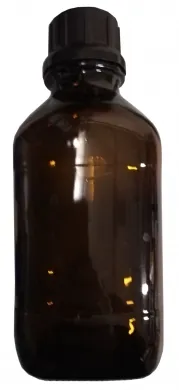
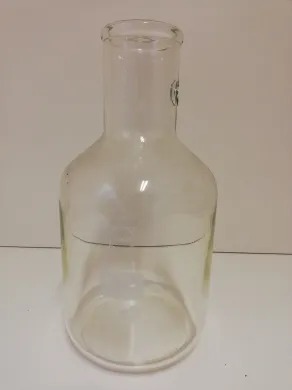
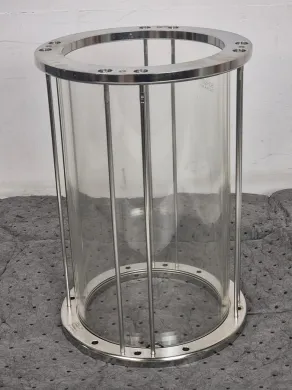
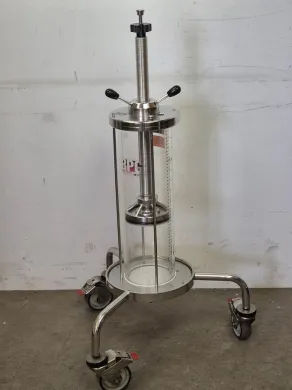
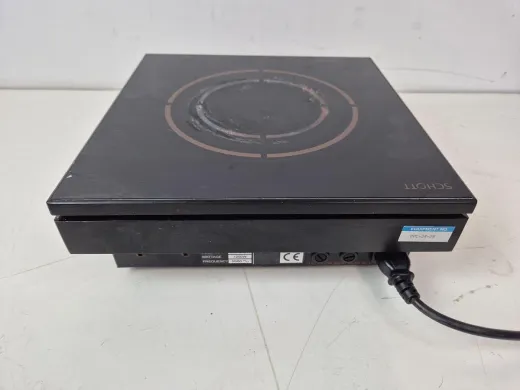
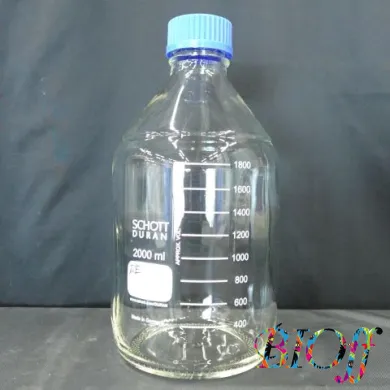
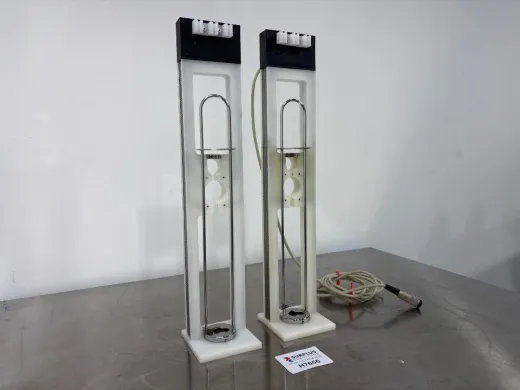
Not the exact instrument you need?
Tell our scientists what you are after. We track it down, including off-market supply.
Showing 1–40 of 276 listings
Show 40 more listingsAbout Schott
Schott is a German specialty glass and glass-ceramics manufacturer founded in 1884 in Jena, when glass chemist Otto Schott, physicist Ernst Abbe, and optician Carl Zeiss set up a glass technology laboratory and pioneered borosilicate glass for optical and scientific use. The company is now headquartered in Mainz, Germany. Since a 2004 corporate reformation, its sole shareholder has been the Carl Zeiss Foundation, a non-profit foundation rather than a commercial owner. Schott's output spans borosilicate laboratory glassware, glass tubing, optical glass components, lab-on-a-chip components, spectroscopy components, pharmaceutical glass packaging, and specialty glass materials. Its best-known lines are DURAN borosilicate tubing and labware, BOROFLOAT borosilicate float glass, and the heat-resistant Jenaer Glas range. On Questpair, 281 Schott listings are available from verified suppliers and distributors.
Schott glass product lines
The three named lines cover different uses of the same base chemistry. DURAN is the borosilicate labware and tubing range, the glass behind beakers, flasks, bottles, and the stock tubing a lab draws on for custom work. BOROFLOAT is a borosilicate float glass, flat and dimensionally even, used where an optical surface or a window is needed rather than a vessel. Jenaer Glas is the heat-resistant line, carrying the name of the city where the company began. Alongside these, Schott supplies optical glass components and spectroscopy components, where the material's transparency and controlled refractive properties matter more than its thermal resistance.
Borosilicate glass earns its place in the laboratory because it is chemically inert and withstands rapid temperature change without cracking, which is why it has been the default material for benchwork and reaction vessels for more than a century. That inertness is also what makes Schott glass relevant to life sciences work. Lab-on-a-chip components are microfluidic structures etched or formed in glass, used in molecular diagnostics and in cell culture and cell imaging platforms where the glass substrate must not react with the sample or interfere with optical readout. BOROFLOAT and similar flat glass serve as substrates and windows in these devices and in microscopy. Spectroscopy components built from optical glass support the measurement of light through a sample, a method used across proteomics, genomics, and immunoassay workflows. Pharmaceutical glass packaging, meanwhile, is the vial and container glass used in biomanufacturing and in the fill-finish stage of drug production, where the container must not leach into the product it holds.
On Questpair
The Schott catalogue on Questpair runs to 281 listings from 12 verified suppliers and distributors across 7 countries. The condition split is heavily toward used: 99 percent of the listings are used. For glassware this is a manageable position, since borosilicate items have no moving parts to wear and a piece in sound physical condition meets the same specification as a new one.
Prices range from EUR 19 to EUR 3.742, with an average of EUR 557. The spread reflects the range of products under the brand, from single pieces of standard labware at the low end to larger tubing lots, specialty glass materials, and optical components at the high end. A buyer restocking common glassware and a buyer sourcing a specific optical or spectroscopy component are working opposite ends of the same catalogue, and the price filter is the quickest way to separate them.
Where a buyer needs to weigh a used piece against a new one, the difference the catalogue supports is price: used and new units are listed, with used priced below new. Warranty on a given item is arranged in consultation for that specific listing. For a manual or technical documentation on a particular Schott product line, a buyer can contact Questpair and specialists respond within one hour, and parts can be sourced via Questpair where a listing calls for them.
Questpair review of Schott
Our take based on listings data and supplier feedback
Schott occupies a narrow but foundational position in laboratory supply: the company does not make instruments, it makes the glass that instruments and benchwork rely on. For a buyer, that changes how the Questpair listings should be read. The catalogue here is dominated by borosilicate labware and tubing rather than by complex equipment with moving parts or calibration requirements, which is reflected in how the condition and price figures distribute.
The first benefit, access to DURAN and Jenaer Glas at used pricing, is the clearest draw. Borosilicate glass is chemically inert and resistant to thermal shock, and a used beaker, flask, or length of tubing in sound condition performs to the same specification as a new one, since there is no mechanism to wear out. 99 percent of the listings are used, which for this class of product is less of a compromise than it would be for an instrument. The practical consequence is that a lab outfitting or restocking glassware can source Schott-branded items well below new cost without sacrificing the material properties that made the brand worth specifying in the first place.
The second benefit, supplier spread, matters more for glass than it might for a single-source instrument. Listings come from 12 verified suppliers and distributors across 7 countries. Because glassware is often bought in quantity and in specific sizes, having several sellers listing the same category gives a buyer room to match volume, format, and shipping origin rather than taking whatever a single seller happens to hold. Where a buyer needs to weigh a used lot against a new one, the individual listing is the place to check, and a warranty is arranged in consultation for that specific listing.
The third benefit, the price band, is worth reading carefully rather than at a glance. Prices range from EUR 19 to EUR 3.742. The low end covers individual pieces of standard labware, the kind of item bought by the dozen, while the high end reflects larger tubing lots, specialty glass materials, and optical glass components that carry more value per unit. The average sits at EUR 557, which tells a buyer that the catalogue is not uniformly cheap glassware nor uniformly high-end components, but a mix. Anyone budgeting for a bulk glassware order and anyone sourcing a single optical component are both served, but they are shopping different ends of the same list.
What the Schott listings do not offer is as relevant as what they do. These are glass products, so there is no servicing dimension to consider and no firmware or software to date a unit. The main judgement a buyer makes is on physical condition, for which the individual listing and its photographs are the evidence. For documentation on a specific product line, Questpair specialists respond within the hour. The brand's value proposition here is straightforward: proven borosilicate material from a named maker, at prices set by condition rather than by novelty.
**DURAN and Jenaer Glas labware at used pricing**
Borosilicate glassware from Schott's core lines appears across the catalogue at prices far below new, with 99 percent of the listings sold as used.
**Broad supplier spread across Europe**
The listings come from 12 verified suppliers and distributors spread across 7 countries, giving a buyer several sourcing options for the same glass type.
**A wide price band for different needs**
Prices range from EUR 19 to EUR 3.742, covering single beakers and flasks at the low end through to larger tubing lots and optical components.
Frequently asked questions
Where can I find manuals and documentation for Schott equipment?
Documentation requests go through Questpair, and specialists respond within an hour. Tell them the specific model or product line you are working with so they can match the right paperwork.
How much does Schott equipment cost on Questpair?
Across the Schott catalogue, prices range from EUR 19 to EUR 3.742, with an average of EUR 557. The spread reflects a mix of single consumable items at the low end and larger sets or specialty components at the high end.
What's the difference between refurbished and used Schott items?
Both are listed below new prices on Questpair. For glass, condition comes down to the presence or absence of chips, stars and crazing rather than hours of use, so read the listing description and photographs before deciding.
Is there a warranty on Schott items?
A warranty is often possible and is arranged in consultation for the specific listing. Terms are not set centrally, so confirm them on the item you intend to buy.
Is Schott glassware suitable for clinical and research work?
Borosilicate labware is a standard vessel for cell culture media preparation, buffer storage in protein purification, and solvent handling in electrophoresis and immunoassay work. Glass vials hold biologics, and lab-on-a-chip components carry samples through microfluidic channels used in molecular diagnostics.
How long does Schott glassware last?
Borosilicate glass is chosen because it does not react with what it holds and does not fail under thermal stress, so lifespan depends on physical handling rather than wear. The failure modes are chips, stars and crazing, which is why condition on a used listing matters more than age.
Can I get replacement parts for Schott equipment?
Parts can be sourced via Questpair. If a specific DURAN size or a component you need is not currently listed, you can request it.
What are the alternatives to Schott glassware?
For borosilicate labware the practical distinction is the glass specification itself, its thermal expansion and chemical resistance, rather than the badge. Compare any alternative on those material properties and on the listed condition of the specific item.
What's the lead time on a Schott order?
Lead time depends on the individual listing and the supplier holding it, since Questpair lists from 12 verified suppliers and distributors across 7 countries. Check the specific listing or ask the supplier directly for availability.
What's the difference between parts and spares when ordering?
In practice both terms cover the same thing here: individual components or replacement items rather than a complete set. If what you need is not in the listings, it can be sourced via Questpair.
Does Schott ship internationally?
Schott items on Questpair are listed from verified suppliers and distributors across 7 countries, so shipping options depend on the supplier holding the item. Confirm destination and terms on the specific listing.
Which Schott product lines are there and how do they differ?
DURAN is the borosilicate glass tubing and labware line covering bottles, beakers, flasks and tubing. BOROFLOAT is borosilicate float glass, a flat sheet used where low thermal expansion matters rather than a vessel, and Jenaer Glas is the heat-resistant glassware line carrying the original Jena name.
Which Schott instrument types are actually listed here and in what condition?
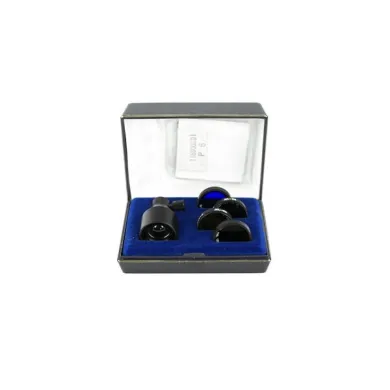
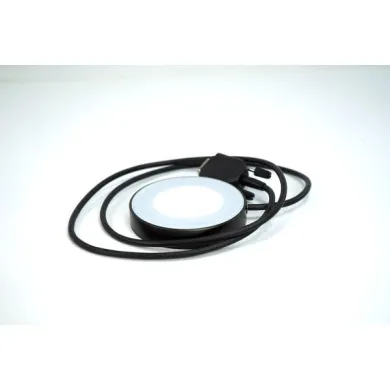
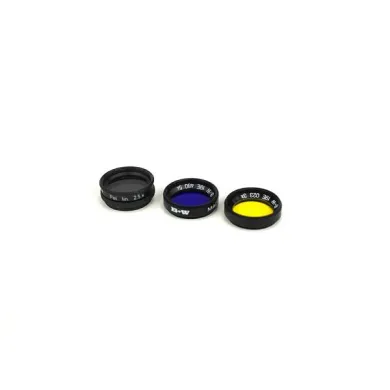
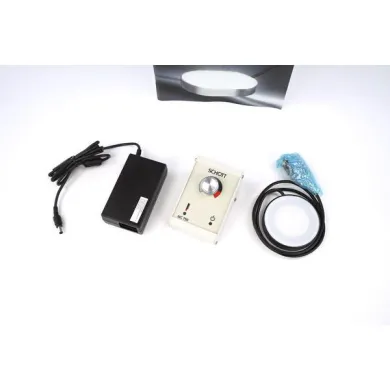
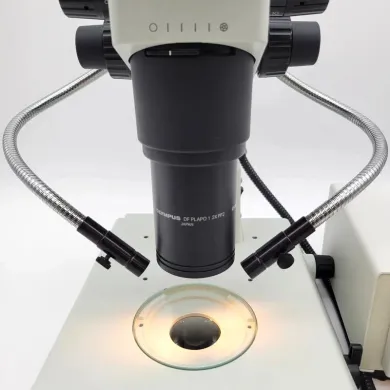
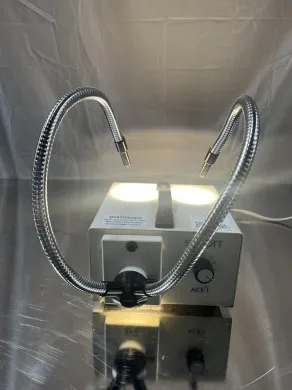
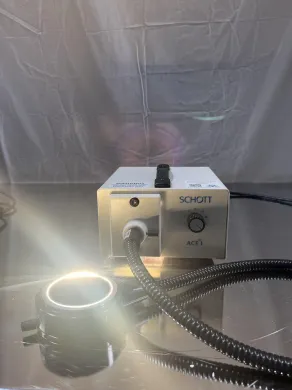
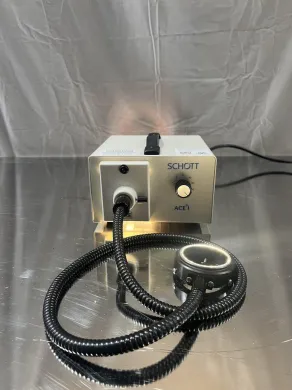
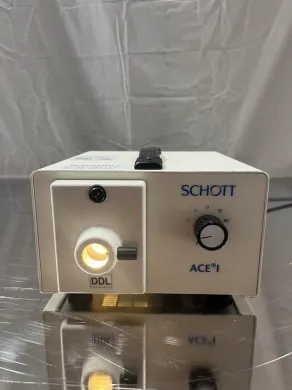
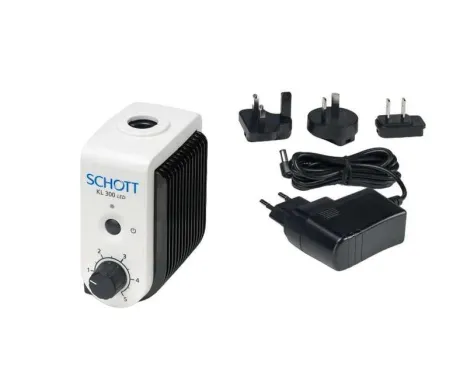
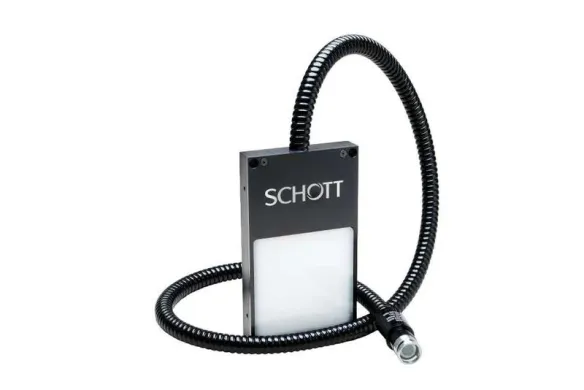
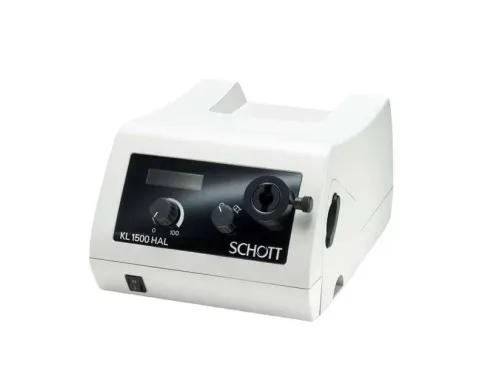
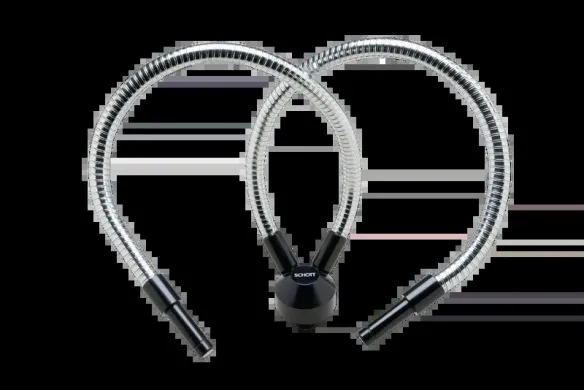
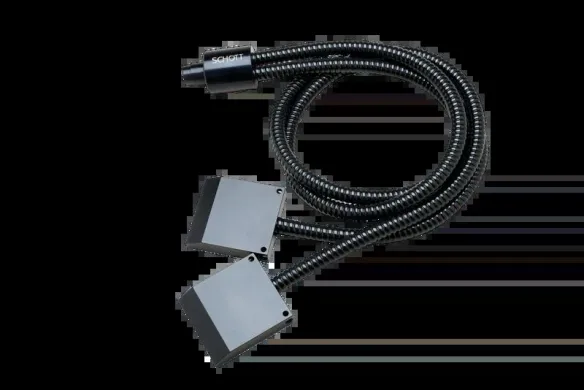
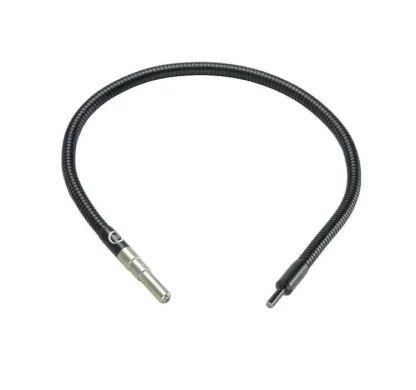
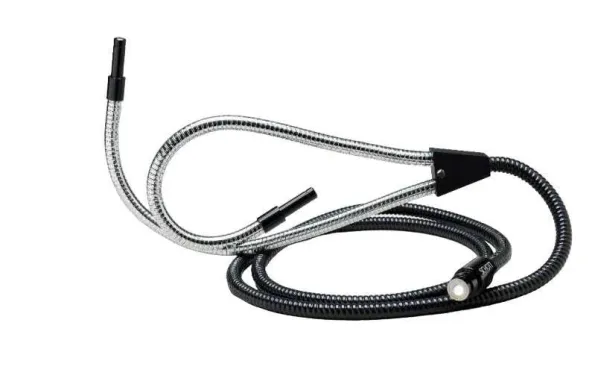
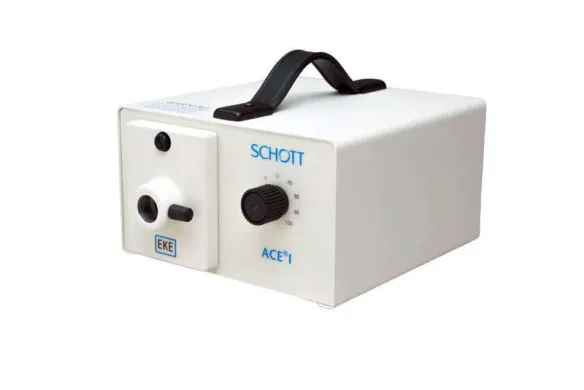
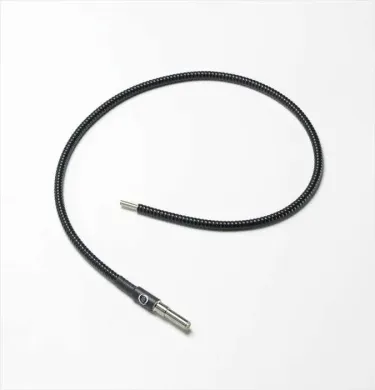
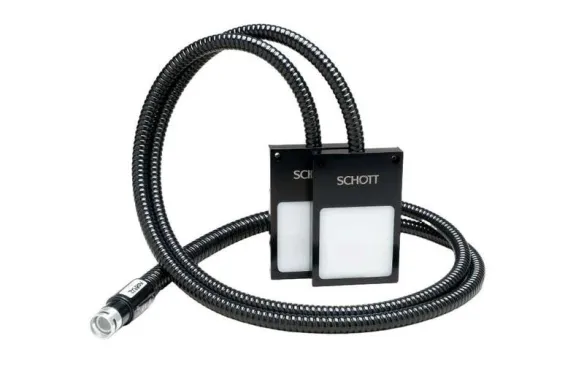
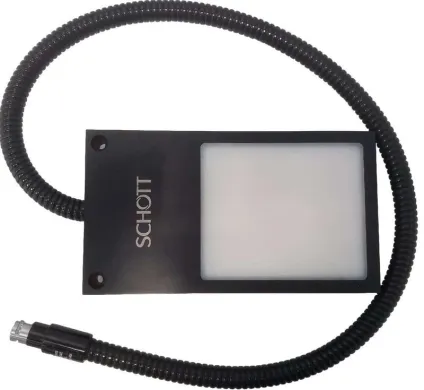
The listings on Questpair run to types such as fiber optic light sources, fiber optic light guides, flexible light guides, cold light sources, and illumination accessories including microscope illumination accessories. Of the 281 Schott items in total, 99 percent are used, with the rest new.
What separates the cheapest Schott listings from the most expensive?
The low end holds single items a lab replaces routinely, while the high end holds larger sets or specialty pieces. The wide range from EUR 19 to EUR 3.742 reflects that mix of consumables and components rather than any difference in quality between listings.
About Questpair
Questpair is the European marketplace for lab equipment, where AI-prepared cases and personal specialists guide every purchase. We work with 247 verified suppliers across 38 countries to find buyers the right new, used or refurbished instruments, with response within 1 hour and significant savings vs buying new.
Personal · Fast · Reliable · Affordable