
Okolab equipment
We personally find you the right new, used & refurbished Okolab instruments & equipment from verified suppliers
Okolab is an Italian manufacturer of live cell imaging and laboratory environmental control equipment, founded in 2003 in Pozzuoli, Italy by scientists with backgrounds in biomedical research and microscopy. The company designs environmental control systems that regulate temperature, carbon dioxide and humidity for samples held on a microscope, including stagetop incubators, cage incubators, gas controllers, thermal plates and objective heaters. Its product lines cover the Bold Line cage and stagetop incubators, the UNO-PLUS stagetop incubator and the OKO-Light time-lapse station. On Questpair, used Okolab equipment is listed by verified suppliers and distributors.
Updated:
Okolab product list


Not the exact instrument you need?
Tell our scientists what you are after. We track it down, including off-market supply.
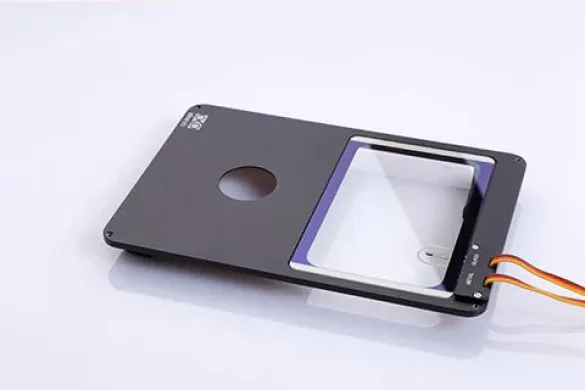
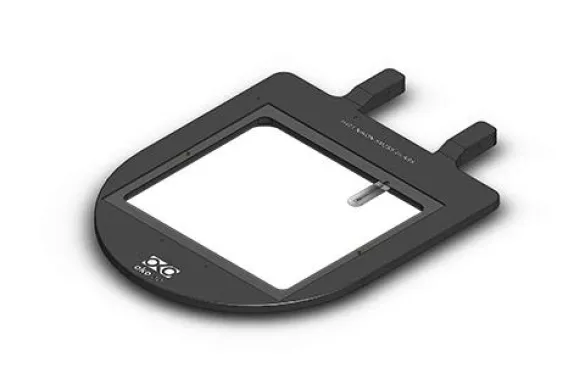
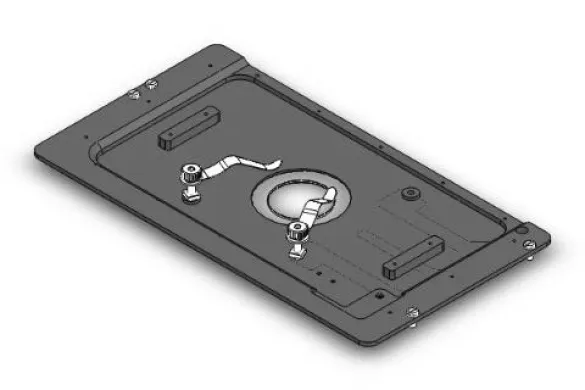
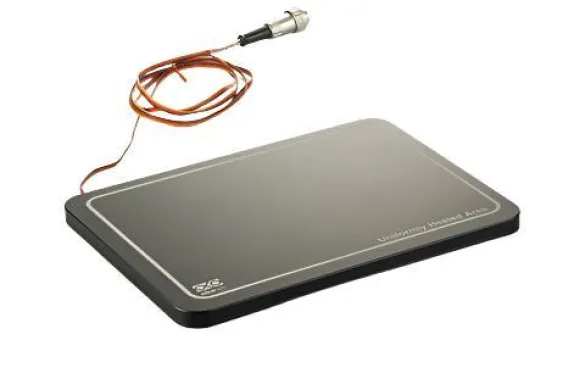
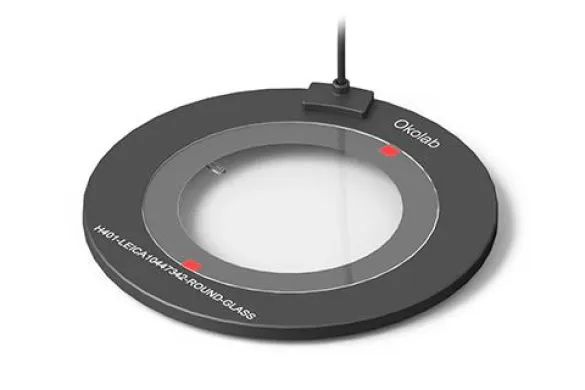
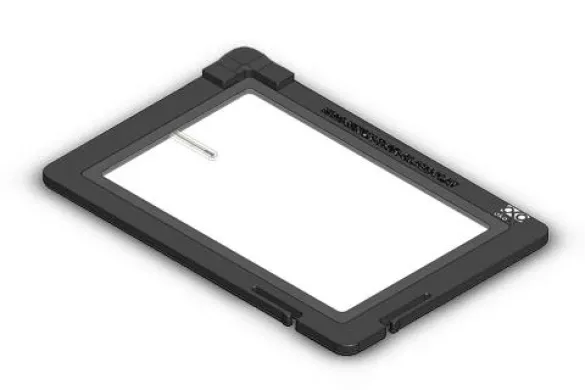
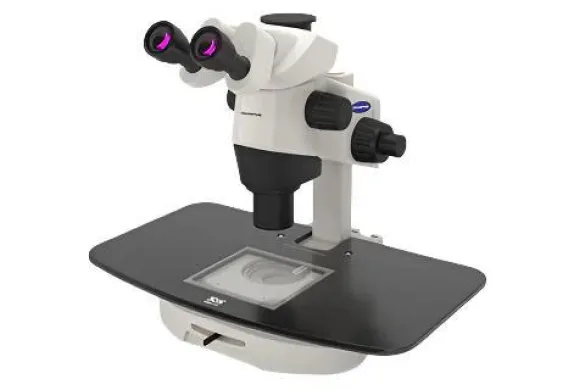
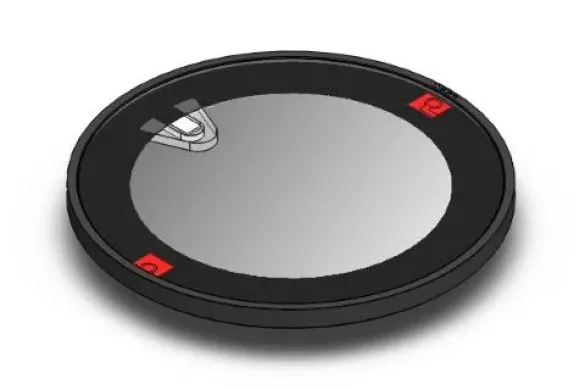
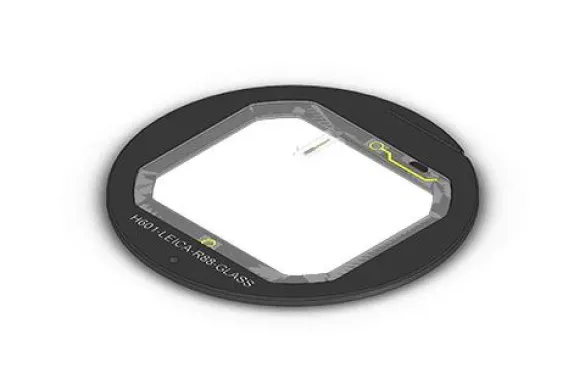
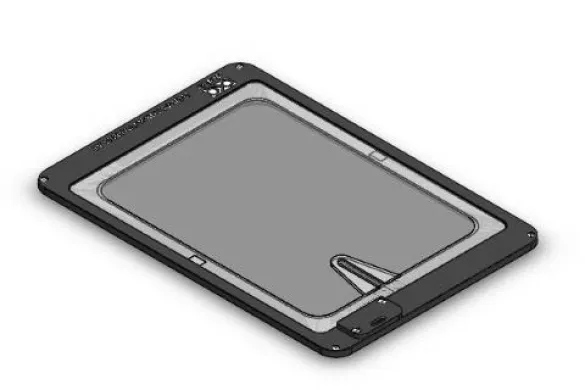
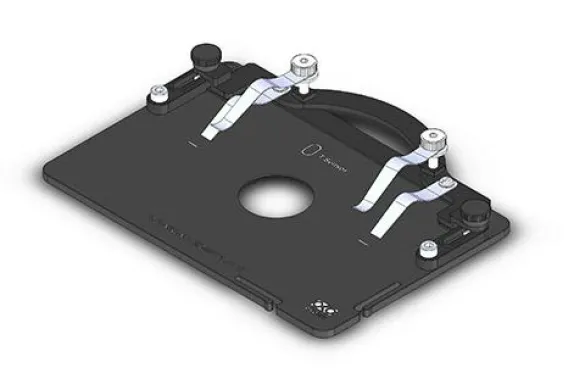
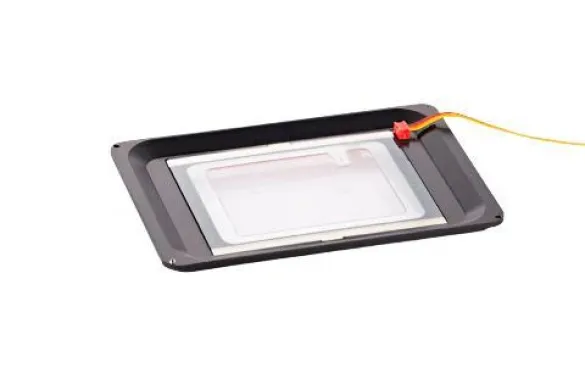
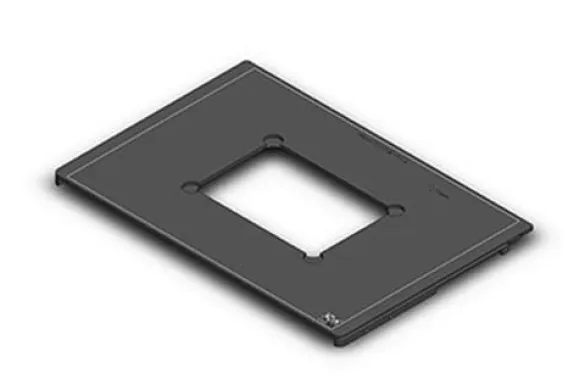
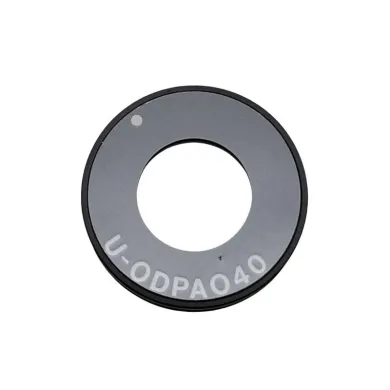
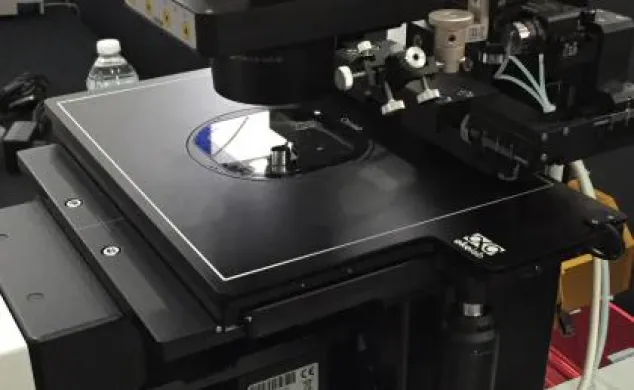
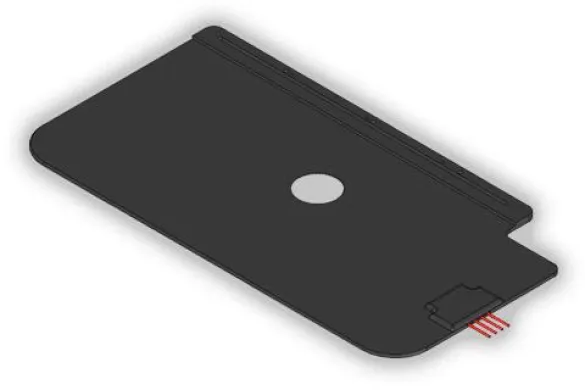
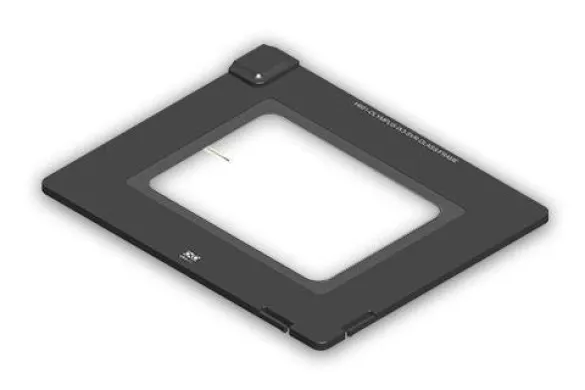
Not the exact instrument you need?
Tell our scientists what you are after. We track it down, including off-market supply.
Showing 1–40 of 50 listings
Show 10 more listingsAbout Okolab
Okolab is an Italian manufacturer of live cell imaging and laboratory environmental control equipment, founded in 2003 and based in Pozzuoli, Italy. The company was started by scientists with expertise in biomedical research and microscopy, specifically to design environmental control systems for keeping living cells alive under a microscope. Its equipment regulates temperature, carbon dioxide and humidity for samples during imaging, and the catalogue spans stagetop incubators, cage incubators, gas controllers, humidity controllers, thermal plates and objective heaters, along with environmental control systems for IVF. The best-known product lines are the Bold Line Cage Incubator (H201), the Bold Line Stagetop Incubator (H301 / BL3), the UNO-PLUS Stagetop Incubator, the OKO-Light Time-Lapse Station and the Leo 2.0 Laboratory Meter. The common thread across all of it is control at the point of observation rather than in a separate box. On Questpair, used Okolab equipment is offered by verified suppliers and distributors.
Okolab product lines and what each one does
The Bold Line range is the backbone of the catalogue and comes in two architectures. The H201 cage incubator encloses the microscope frame itself, building a conditioned environment around the whole instrument, which suits experiments that run over days and need thermal stability across the full optical path. The H301 and BL3 stagetop incubators take the smaller-footprint route, conditioning a chamber that sits directly on the stage. The UNO-PLUS is a single-chamber stagetop unit aimed at simpler setups. These incubators do live cell imaging: holding mammalian cells at 37 degrees under controlled CO2 and humidity so they stay viable while a camera records them.
Around the incubators sit the separate modules. Gas controllers set and hold the CO2 (and where needed O2) concentration, humidity controllers prevent the medium from evaporating during long runs, thermal plates provide direct heating, and objective heaters warm the lens so an oil- or water-immersion objective in contact with the dish does not act as a heat sink. The OKO-Light Time-Lapse Station is built specifically for time-lapse microscopy, and the Leo 2.0 Laboratory Meter reads back environmental conditions. The IVF environmental control systems apply the same temperature and gas discipline to assisted-reproduction workflows, a molecular diagnostics and clinical application area where embryo handling demands tight, verified conditions.
This equipment is squarely life sciences hardware. It supports cell culture and cell imaging in the broad sense, and it is the enabling layer for long-term live imaging studies in molecular biology, where researchers track protein localisation, cell division or migration over hours. The stagetop and cage incubators are also used for applications in developmental biology and, through the IVF line, in reproductive medicine. A lab setting up extended fluorescence or brightfield time-lapse microscopy needs exactly this class of temperature, CO2 and humidity control to keep cells dividing normally under the objective.
What is listed on Questpair?
The Okolab equipment on Questpair comes from 1 verified supplier and spans multiple listings. 100 percent of the units are used. Prices run from EUR 963 to EUR 4.095, averaging around EUR 3.135, a spread that reflects the difference between a single module and a full Bold Line assembly. Because the Bold Line design is modular, a listing may be a controller, a chamber, a thermal plate or a combination, so matching what is offered to the microscope and cell type at hand is the main thing to check. Used and refurbished units are priced below new.
For documentation, a buyer can contact Questpair and specialists respond within one hour. Parts can be sourced via Questpair, and where a warranty is needed it is arranged in consultation for the specific listing. This is a specialist catalogue rather than a broad one, and reading each listing against the intended imaging setup is the practical first step.
Questpair review of Okolab
Our take based on listings data and supplier feedback
Okolab occupies a narrow, well-defined position in microscopy: keeping a living sample alive and stable while it is imaged. That problem sits at the intersection of optics and cell biology, and the company's whole catalogue is shaped around it. The three characteristics worth weighing before buying are the stage-level environmental control, the modular architecture of the Bold Line systems, and what the used market on Questpair actually offers.
The first characteristic is the focus on control at the point of imaging. A conventional CO2 incubator conditions a whole box; the sample has to be removed from it to sit under the objective, which breaks temperature and gas equilibrium. Okolab's stagetop incubators (the H301 and BL3 Bold Line units, and the single-chamber UNO-PLUS) place a small conditioned chamber directly on the microscope stage, so the sample experiences a stable 37 degrees, controlled humidity and a set CO2 concentration throughout a time-lapse run. The cage incubators, such as the H201 Bold Line, take the opposite approach and enclose the microscope body itself. Which one a lab needs depends on the length of the experiment and the optics involved, and Okolab builds both, which is why its name recurs in long-term live imaging and time-lapse microscopy work.
The second characteristic is modularity. The Bold Line range separates the digital controller from the chamber and from the individual environmental modules. A lab can pair a gas controller with a humidity controller, a thermal plate and an objective heater, and configure that combination for a given microscope and a given cell type. This matters for a used buyer in particular: a listing may carry the controller without every module, or a chamber sized for one stage format, so the configuration has to be checked against the microscope it will serve. The modular design that makes the systems flexible also makes the second-hand market heterogeneous, and a buyer reads each listing closely rather than assuming a standard package.
The third characteristic is the state of the Questpair catalogue. 100 percent of the Okolab listings are used. Prices run from EUR 963 to EUR 4.095, with an average around EUR 3.135, which reflects the spread between a single module and a complete Bold Line assembly. Used and refurbished units are listed below new pricing for comparable builds. Where warranty matters, it is arranged in consultation for the specific listing rather than set centrally, so a buyer weighing a used chamber against a new one points to the individual listing for terms. For a lab already committed to a microscope platform, the used route is a way to add environmental control without the full new-system outlay, provided the modules on offer match the imaging setup. This is a specialist product class rather than a general lab purchase, and the catalogue reads accordingly: fewer units, most of them configured for a particular imaging application.
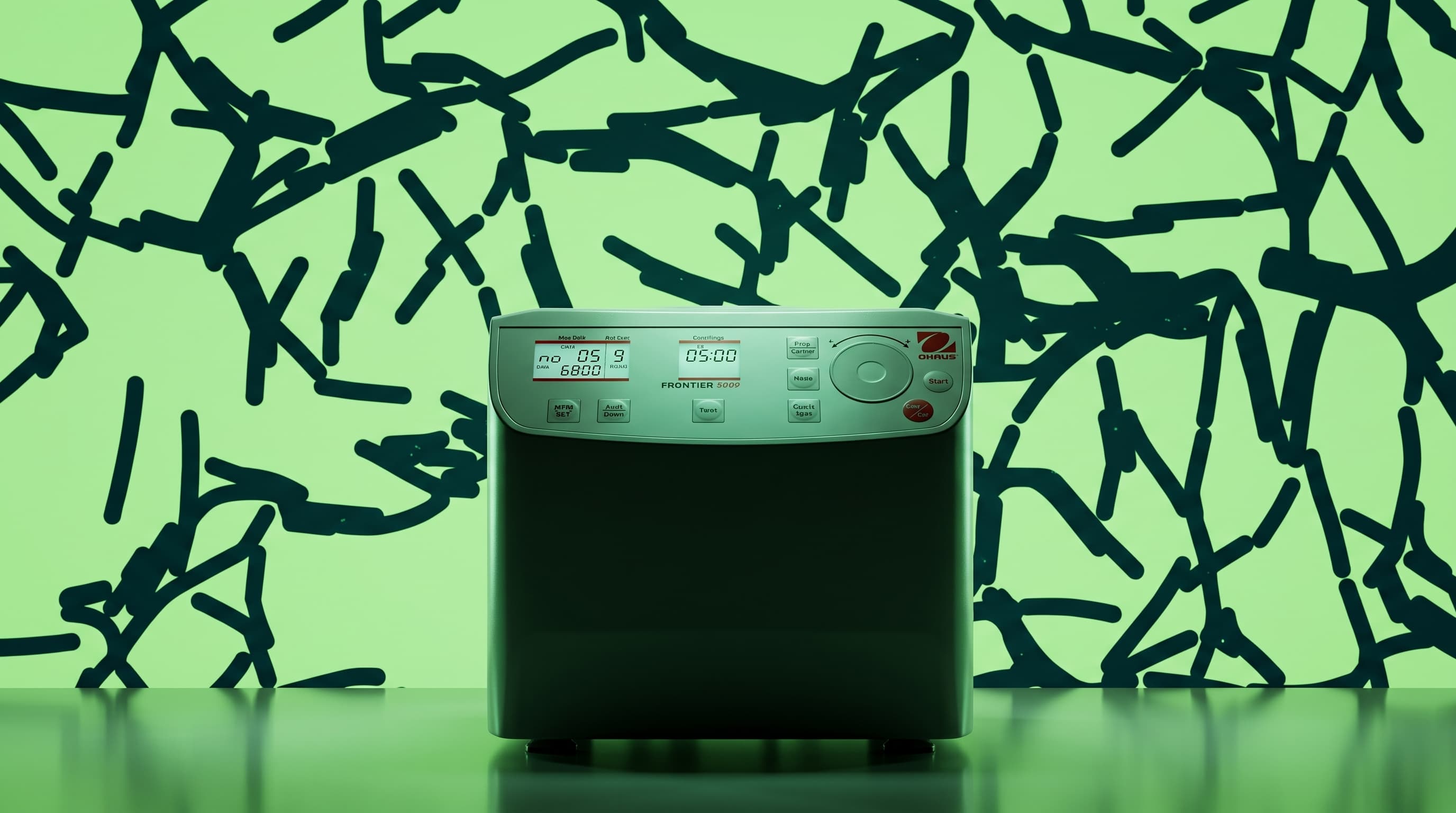
**Environmental control built for the microscope stage**
Okolab specialises in stagetop and cage incubators that hold temperature, CO2 and humidity stable directly on a microscope, so live cell imaging runs for hours or days without the sample leaving the optical path.
**Modular systems that mix and match**
The Bold Line range separates the controller from the chamber, which lets a lab combine a gas controller, humidity module, thermal plate and objective heater to fit a specific microscope and experiment rather than buying one fixed configuration.
**A used catalogue priced below new**
On Questpair, 100 percent of the listed Okolab equipment is used. Prices run from EUR 963 to EUR 4.095, below new-unit pricing for comparable configurations.
Frequently asked questions
Where can I get the manual or documentation for an Okolab unit?
Documentation can be requested through Questpair, where specialists respond within one hour. Since the Bold Line design is modular, note the model and series of the specific unit so the correct manual for that configuration is retrieved.
How much does Okolab environmental control equipment cost?
Across the Questpair catalogue, prices range from EUR 963 to EUR 4.095, with an average around EUR 3.135. The spread reflects the difference between a single module, such as a gas controller or thermal plate, and a complete Bold Line incubator assembly.
What's the difference between refurbished and used Okolab equipment?
Used units are sold in their existing working condition, while refurbished units have been reconditioned before resale. Both are listed below the price of new on Questpair, and the exact state of any unit is described in its individual listing.
Is there a warranty on used Okolab equipment?
A warranty is often possible and is arranged in consultation for the specific listing. Terms depend on the individual unit rather than a fixed policy, so check the listing you are interested in.
Is Okolab equipment suitable for clinical or research use?
The stagetop and cage incubators support live cell imaging in molecular biology and developmental biology research, holding mammalian cells at controlled temperature, CO2 and humidity under a microscope. The IVF environmental control systems apply the same control to assisted-reproduction workflows, a clinical application where embryo handling requires verified conditions.
How long does Okolab environmental control equipment last?
These are electromechanical control systems whose lifespan depends on how heavily the heaters, gas mixers and sensors have been cycled. Condition and usage history vary by unit, so the state of each is described in its listing rather than by a fixed figure.
Can I still get parts for an Okolab incubator?
Parts can be sourced via Questpair. Because the Bold Line system is built from separate modules, identify whether you need a controller, chamber, thermal plate or sensor before enquiring.
What are the alternatives to Okolab for microscope incubation?
Other makers of stagetop and cage incubators include Tokai Hit, ibidi and PeCon, each differing in chamber design and how gas and humidity are delivered. What matters for a given setup is matching the incubator to the microscope stage, the objective type and the cell culture being imaged, so compare on fit rather than brand.
How long does delivery take?
Lead time depends on the individual supplier and the unit, since each listing comes from a separate seller. Contact Questpair with the specific listing and a specialist can confirm availability and dispatch timing.
What's the difference between parts and spares when ordering?
In practice the terms are used interchangeably for the modules and components that make up an Okolab system, such as controllers, sensors, chambers and heating plates. Both can be sourced via Questpair; specifying the exact module you need avoids ordering a part for the wrong configuration.
Do suppliers ship Okolab equipment internationally?
The equipment on Questpair comes from verified suppliers and distributors across 1 countries, so cross-border shipping is often available. Confirm shipping terms for the particular listing with the supplier through Questpair.
What product lines does Okolab make and how do they differ?
The Bold Line range splits into the H201 cage incubator, which encloses the whole microscope frame for day-long thermal stability, and the H301 and BL3 stagetop incubators, which condition a chamber directly on the stage; the UNO-PLUS is a simpler single-chamber stagetop unit. Around these sit standalone modules such as gas controllers, humidity controllers, thermal plates and objective heaters, plus the OKO-Light Time-Lapse Station and the Leo 2.0 Laboratory Meter for reading back environmental conditions.
Which types of Okolab equipment are listed here and in what condition?
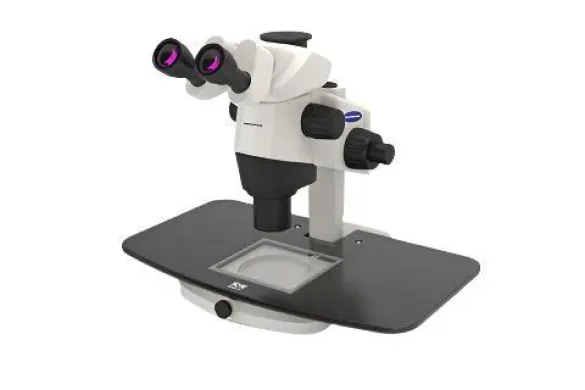
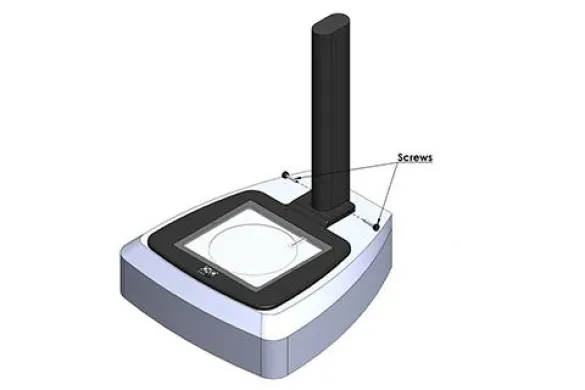
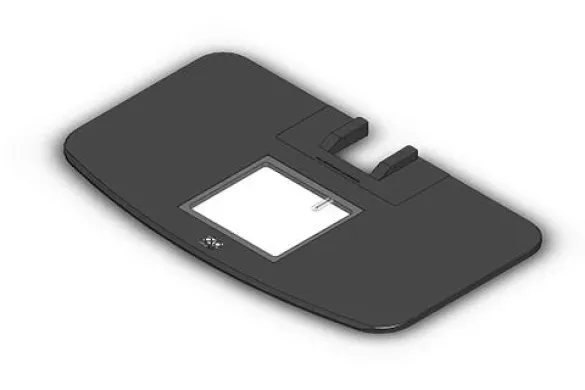
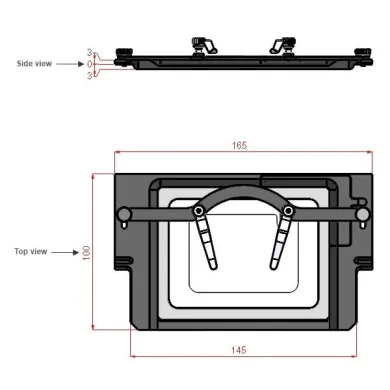
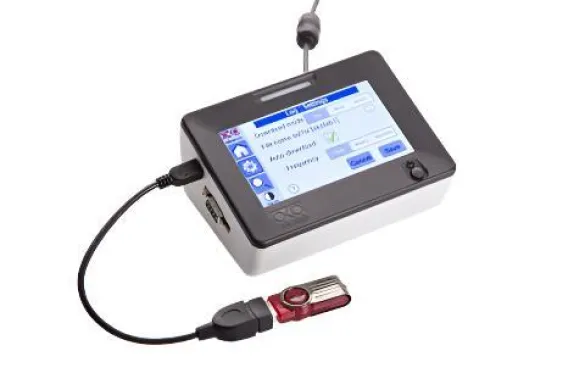
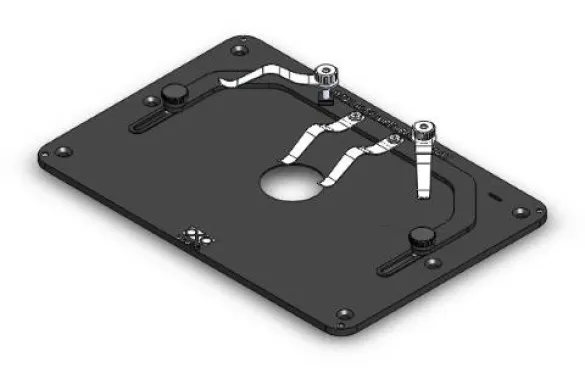
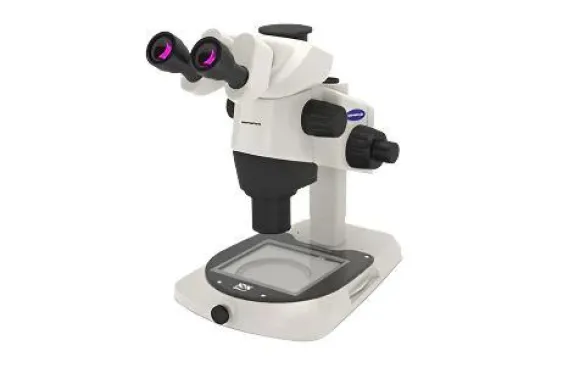
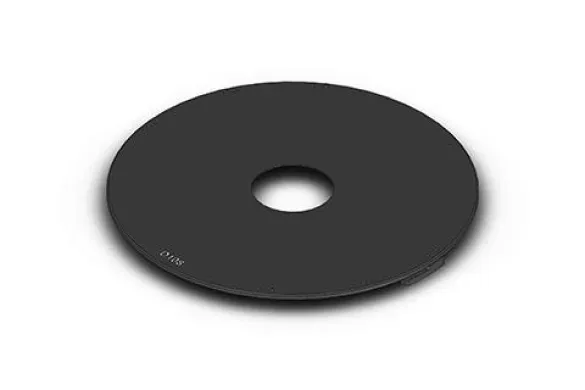
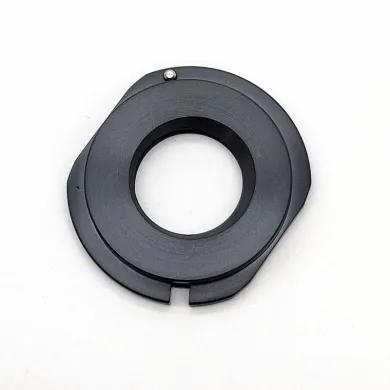
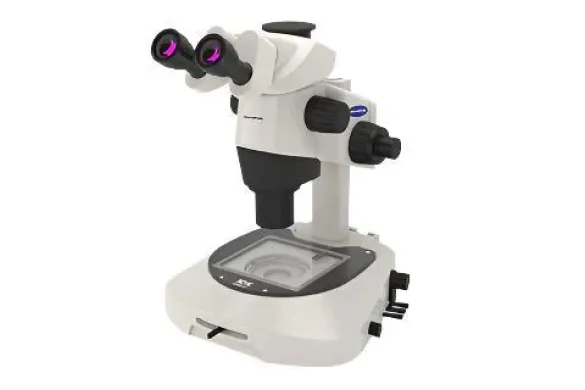
The listings on Questpair centre on temperature controllers, single-channel temperature controllers, microscope stage heaters, temperature sensors, thermal plates and stereo microscope accessories. Of the units on the page, 100 percent are used, with the condition of each stated in its own listing.
What separates the cheapest Okolab listings from the most expensive?
The lower end is typically a single module, such as a temperature sensor, a stage heater or a single-channel controller, while the upper end is a complete Bold Line incubator with chamber, gas and humidity control combined. Condition also plays a part, since used and refurbished units are listed below new.
About Questpair
Questpair is the European marketplace for lab equipment, where AI-prepared cases and personal specialists guide every purchase. We work with 247 verified suppliers across 38 countries to find buyers the right new, used or refurbished instruments, with response within 1 hour and significant savings vs buying new.
Personal · Fast · Reliable · Affordable