
Nalgene equipment
We personally find you the right new, used & refurbished Nalgene instruments & equipment from verified suppliers
Nalgene is an American plastic laboratory containers and plasticware manufacturer based in Rochester, United States. The Nalge Company was founded in 1949 by chemist Emanuel Goldberg, who produced plastic shatterproof replacements for glass laboratory containers. The brand now operates under Thermo Fisher Scientific and produces laboratory bottles and vials, carboys and containers, filtration units, centrifugeware, cryoware, and reusable general plasticware including beakers, cylinders, flasks, and funnels. On Questpair, Nalgene labware is available from verified suppliers and distributors, with listings covering both reusable containers and sterile filtration products used across routine laboratory work.
Updated:
Nalgene product list
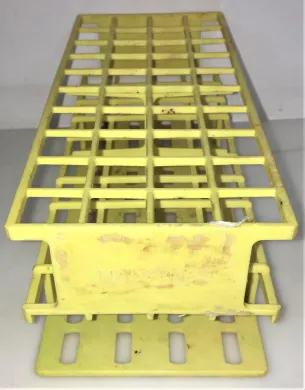
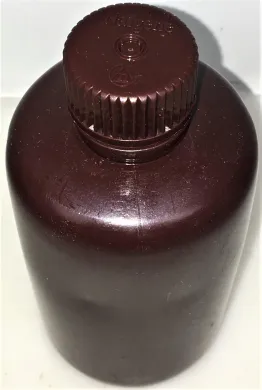
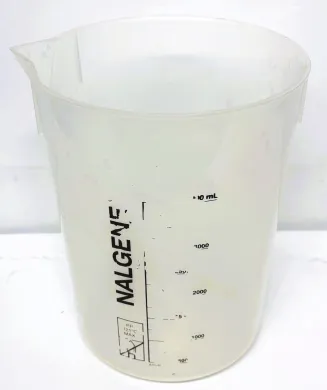
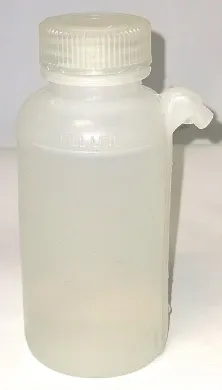


Not the exact instrument you need?
Tell our scientists what you are after. We track it down, including off-market supply.
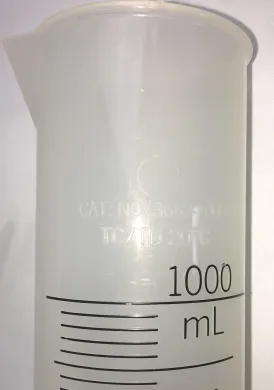
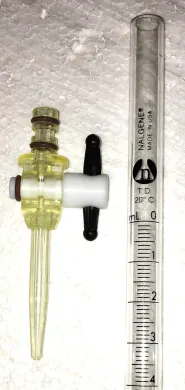
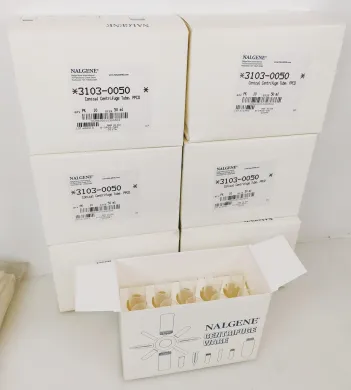
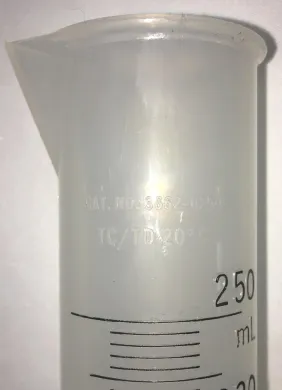
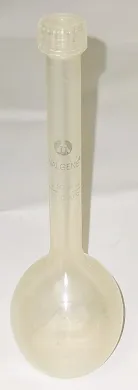
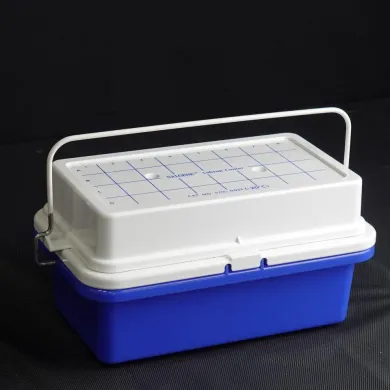
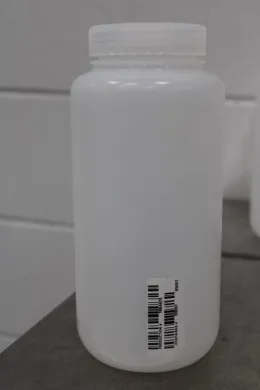
Not the exact instrument you need?
Tell our scientists what you are after. We track it down, including off-market supply.
Showing 1–40 of 56 listings
Show 16 more listingsAbout Nalgene
Nalgene is an American manufacturer of plastic laboratory containers and plasticware, based in Rochester, United States. The Nalge Company was founded in 1949 by chemist Emanuel Goldberg, who produced plastic shatterproof replacements for glass laboratory containers. Nalge Nunc International was formed in 1995 after a merger, and the brand now sits within Thermo Fisher Scientific, which arrived through Fisher Scientific's 2004 acquisition of Nalge Nunc and the 2006 merger with Thermo Electron. The core output is laboratory bottles and vials, carboys and containers, filtration units, centrifugeware, cryoware, and reusable general plasticware such as beakers, cylinders, flasks, and funnels. This class of plasticware serves molecular biology and cell culture laboratories as the vessels for buffer storage, media preparation, and sample handling. Cryoware such as the Mr. Frosty freezing container supports controlled-rate cell freezing for cell culture and biobanking, where consistent cooling protects viable cells. Rapid-Flow sterile filtration units are used for filter sterilisation of media and buffers in microbiology and tissue culture work, a routine step ahead of downstream protein purification and other molecular biology procedures.
Nalgene product lines on Questpair
The brand splits across several named ranges. The Nalgene Laboratory line covers the general bench and storage vessels: bottles, carboys, cylinders, beakers, and wash bottles. Within that, the Unitary Wash Bottles are a single recognisable format for solvent and rinse delivery. The Nalgene Packaging and Nalgene Outdoor lines sit outside the laboratory proper, aimed at bulk packaging and consumer use respectively, and appear less often in a laboratory catalogue. Nunc, carried under the same corporate roof, covers cell culture plasticware and is a related but distinct range. For cryogenic work, the Mr. Frosty freezing container is the signature item, and the Rapid-Flow range covers sterile bottle-top and disposable filtration units.
Which of these appears on Questpair depends on what the verified suppliers and distributors have listed. The marketplace does not guarantee any single line is in stock, so the subject of a search is the listing rather than the catalogue number from the maker. A buyer looking for a specific resin, volume, or neck size should read each listing for those details, since a product line name alone does not fix them.
What the Questpair listings cover
The Questpair catalogue holds 83 Nalgene listings from 7 verified suppliers and distributors across 5 countries. Among the listings that specify a type, the range covers storage bottles and vials, carboys, filtration units, centrifuge vessels, and cryoware, which maps closely onto the brand's own laboratory ranges. The breadth of sellers matters for format variety, since a particular volume or closure is more likely to turn up when several suppliers list in parallel.
Condition is the other axis. 78 percent of the listings are used. Used plasticware sits below new equivalents on price, which is the one comparison the catalogue supports directly; prices run from EUR 6 to EUR 592. The average sits near EUR 107, a figure pulled up by larger carboys and filtration assemblies and down by single bottles and wash bottles.
Where a listing needs documentation, a buyer can contact Questpair and specialists respond within an hour. Parts for a given item can be sourced via Questpair. A warranty is often possible and is arranged in consultation for the specific listing, so the terms attach to the item rather than to the brand as a whole. For labware that will contact sensitive samples or serve sterile filtration, reading the condition and the resin on each listing is the step that settles the choice.
Questpair review of Nalgene
Our take based on listings data and supplier feedback
Nalgene occupies a specific position in the laboratory supply market: it makes the plastic vessels that hold, store, transport, and prepare samples rather than the instruments that measure them. That focus shapes how the brand reads on a marketplace, and the three benefits above each reflect a real pattern in the listings.
The first benefit, shatterproof plastic in place of glass, is the founding premise of the company and still the reason most buyers choose these products. Goldberg's original Nalge Company replaced breakable glass with polymer containers, and the current range carries that logic into dozens of resin choices. High-density polyethylene handles general storage, polypropylene tolerates autoclaving, polycarbonate offers clarity for visual checks, and fluoropolymer grades resist aggressive solvents. A buyer selecting a carboy or a wash bottle is really selecting a resin, and the breadth of the catalogue matters because the wrong polymer fails against the chemistry it holds. The product lines reflect this, from the Nalgene Laboratory range through the Unitary Wash Bottles and the Mr. Frosty freezing containers used in cryoware workflows.
The second benefit concerns the range itself as it appears on Questpair. The listings span bottles and vials, carboys and containers, filtration units, centrifugeware, and cryoware, drawn from 7 verified suppliers and distributors in 5 countries. For a laboratory restocking consumables or sourcing a discontinued format, having these categories in one catalogue reduces the search across separate vendor sites. The Rapid-Flow sterile filtration line is worth noting here, since filtration units are a step up in both function and price from simple storage ware, and their presence widens who the catalogue serves. The spread of suppliers also means format variety: a given bottle neck size or carboy volume is more likely to appear when several sellers list in parallel.
The third benefit is price, and it rests on the condition split. Of the current listings, 78 percent are used. Used plasticware carries an obvious caveat the buyer must weigh, which is prior service and the possibility of chemical exposure, so the condition of each listing deserves direct attention. Prices across the catalogue run from EUR 6 to EUR 592, with an average near EUR 107. That spread reflects the gap between a single wash bottle and a large carboy or a filtration assembly. Where a buyer has to choose between a used and a new unit, the individual listing is the place to judge it, and warranty on any specific item is arranged in consultation. The marketplace does not centralise support terms, so the decision stays with the listing in front of the buyer. For routine, non-critical storage, used Nalgene ware is often serviceable at a fraction of new cost; for sterile filtration or anything contacting sensitive samples, new stock removes a variable the buyer would otherwise have to assess.
**Shatterproof plastic over glass**
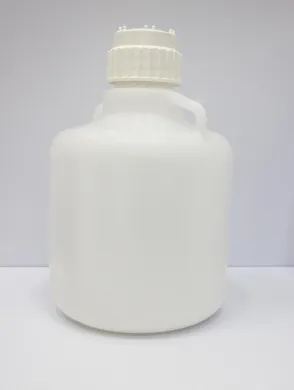
Nalgene built its reputation on polymer labware that replaces breakable glass, with bottles, carboys, and cylinders in resins such as HDPE, PP, PC, and fluoropolymers chosen for specific chemical and temperature demands.
**A broad reusable catalogue on one marketplace**
The Questpair catalogue holds 83 Nalgene listings from 7 verified suppliers and distributors across 5 countries, spanning bottles, carboys, filtration units, and cryoware.
**Lower entry cost through used stock**
78 percent of the listings are used, which places many items below the price of new equivalents; prices range from EUR 6 to EUR 592.
Frequently asked questions
Where can I find manuals and documentation for Nalgene labware?
Documentation requests go through Questpair, where specialists respond within one hour. Give the line and container type from the specific listing so the right document can be matched to your item.
How much does Nalgene plasticware cost?
Across the Questpair catalogue, prices run from EUR 6 to EUR 592, with an average of EUR 107. A small vial or wash bottle sits at the low end, while large carboys and filtration assemblies account for the higher figures.
What is the difference between refurbished and used Nalgene items?
Both used and refurbished Nalgene items are listed below the price of new. The condition and any reconditioning are described on each listing, so read the individual entry to see what a given unit has had done.
Is there a warranty on Nalgene products bought here?
A warranty is often possible and is arranged in consultation for the specific listing. The exact terms depend on the item and the supplier, so confirm them against the listing before purchase.
Is Nalgene labware suitable for clinical and research use?
Nalgene containers and consumables are used across life sciences and biotechnology work, including cell culture, molecular biology and sample storage. Rapid-Flow sterile filtration units handle media and buffer sterilisation, and Mr. Frosty containers provide controlled-rate cooling for cryopreservation.
How long does Nalgene plasticware last?
Lifespan depends on the plastic type, the chemicals it contacts and how often it is autoclaved or frozen, so it varies by product and use. The reusable bottles, cylinders and funnels were designed as durable replacements for glass, while sterile filtration units and centrifuge tubes are consumables with a shorter working life.
Can I get replacement parts for Nalgene equipment?
Parts can be sourced via Questpair. Name the line and the component you need, such as a bottle cap or a filter membrane holder, so the request can be matched.
What are good alternatives to Nalgene?
Alternatives depend on the container class you need. For sterile filtration and cell culture labware, other plasticware makers compete directly; for bottles, carboys and general labware, the choice turns on plastic grade, autoclavability and size, which the individual listing specifies.
How long does delivery take?
Lead time depends on the supplier and whether the item is in stock, since listings come from 7 verified suppliers and distributors across 5 countries. Contact Questpair with the listing you want and the dispatch timing can be confirmed.
What is the difference between parts and spares for Nalgene items?
In practice the two terms cover the same thing here: replaceable components such as caps, membranes or tubing connectors. All of these can be sourced via Questpair by naming the line and the specific component.
Do suppliers ship Nalgene products internationally?
Listings come from verified suppliers and distributors across 5 countries, so international shipping is often possible. Shipping scope is set per supplier, so check the specific listing or ask Questpair for the item you want.
Which product lines does Nalgene make and how do they differ?
The Nalgene Laboratory line covers core bottles, carboys, cylinders, beakers and funnels, while Rapid-Flow is the sterile filtration line of bottle-top and vacuum filters. Unitary Wash Bottles are single-piece wash bottles, Mr. Frosty is the controlled-rate cell freezing container, and Nunc covers cell culture labware; the Nalgene Packaging and Nalgene Outdoor lines sit outside the laboratory range.
Which Nalgene product types are actually listed here and in what condition?
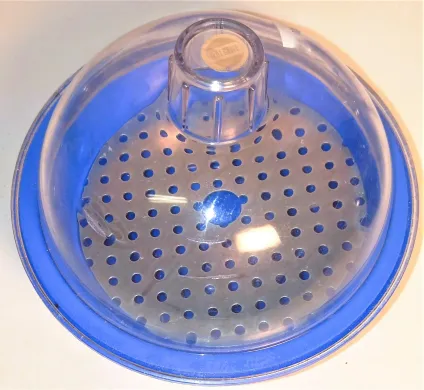
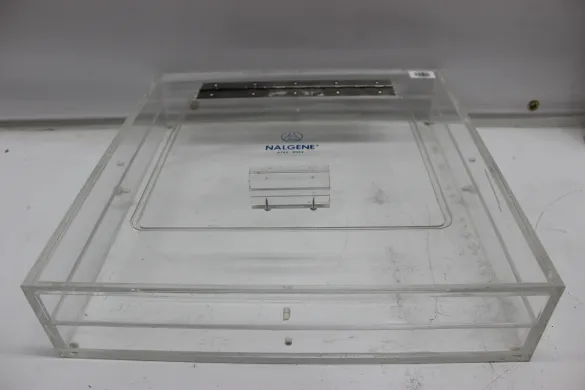
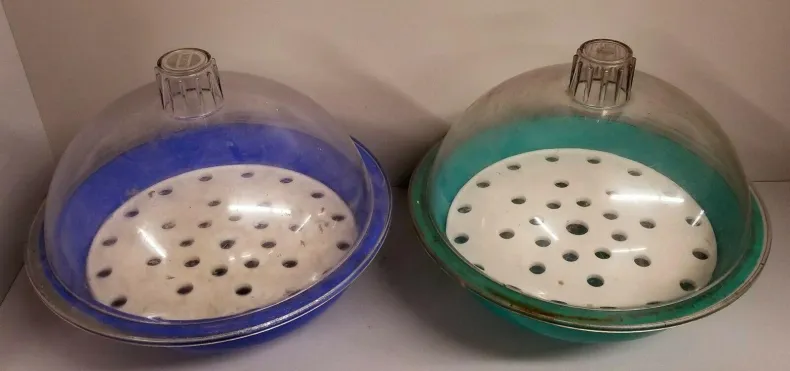
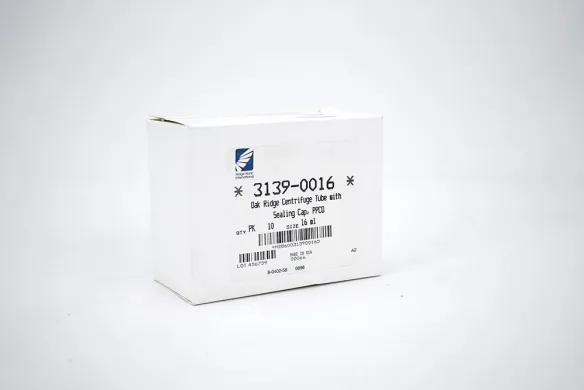
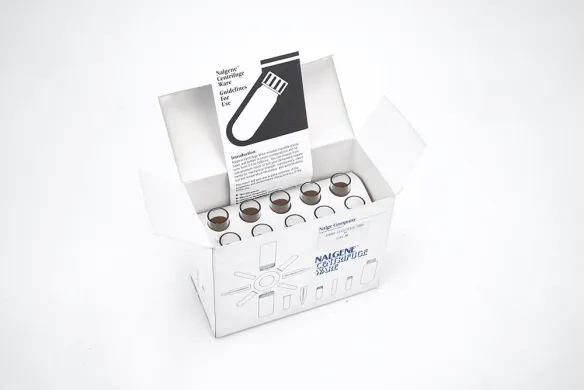
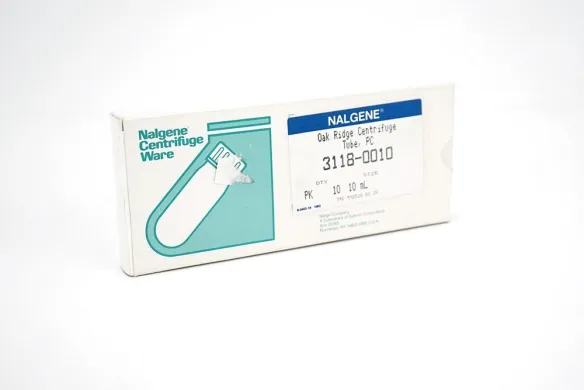
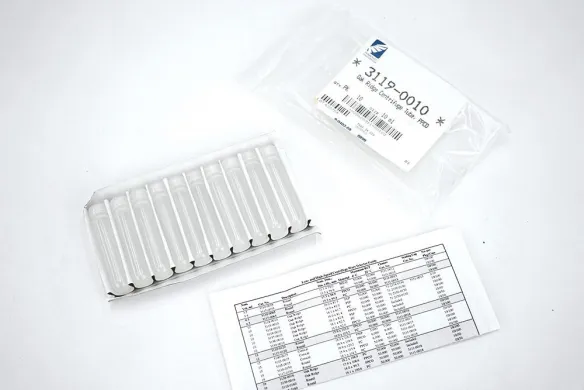
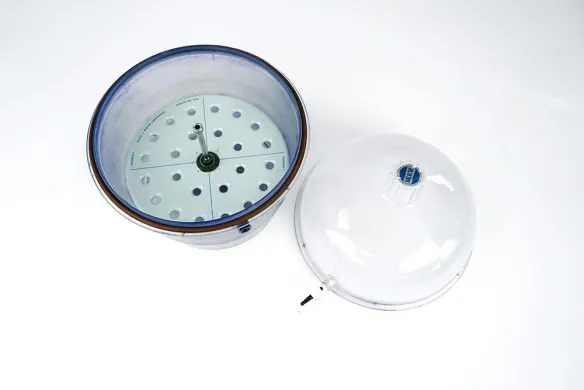
The catalog holds centrifuge tubes, laboratory desiccators, laboratory plasticware, moisture control cabinets, narrow-mouth bottles and acrylic desiccator cabinets, among 83 listings in total. Of these, 78 percent are used, with the rest new, and each listing states its own condition.
What separates the cheapest Nalgene listings from the most expensive?
The spread from EUR 6 to EUR 592 tracks size and product class: small vials, narrow-mouth bottles and single wash bottles sit at the low end, while large carboys, moisture control cabinets and filtration assemblies reach the top. Condition also moves the figure, since used and refurbished items are priced below new.
About Questpair
Questpair is the European marketplace for lab equipment, where AI-prepared cases and personal specialists guide every purchase. We work with 247 verified suppliers across 38 countries to find buyers the right new, used or refurbished instruments, with response within 1 hour and significant savings vs buying new.
Personal · Fast · Reliable · Affordable