
Kinematica equipment
We personally find you the right new, used & refurbished Kinematica instruments & equipment from verified suppliers
Kinematica is a Swiss manufacturer of homogenizing, dispersing, and mixing equipment, founded in Switzerland in 1962 by Professor Willems, who invented the rotor/stator technology that still defines the field. The company is based in Malters, Switzerland, and remains privately owned by the Niens family across Switzerland and the United States, with no external parent. Its product lines include POLYTRON and MICROTRON homogenizers, MEGATRON inline dispersers, POLYMIX mills, REACTRON laboratory reactors, and ATOMIX overhead stirrers. On Questpair, 74 Kinematica listings are available from 9 verified suppliers and distributors across 5 countries.
Updated:
Kinematica product list
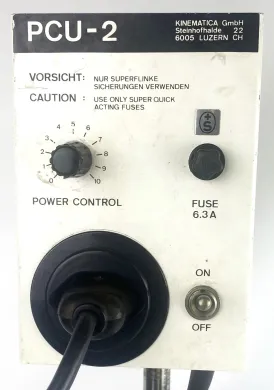
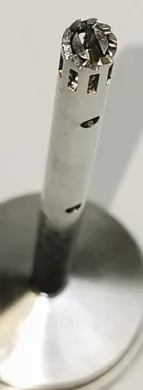
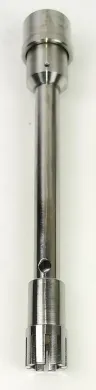
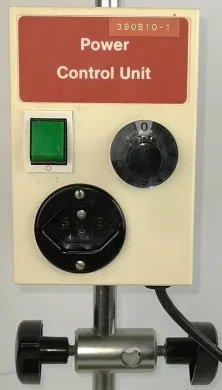


Not the exact instrument you need?
Tell our scientists what you are after. We track it down, including off-market supply.
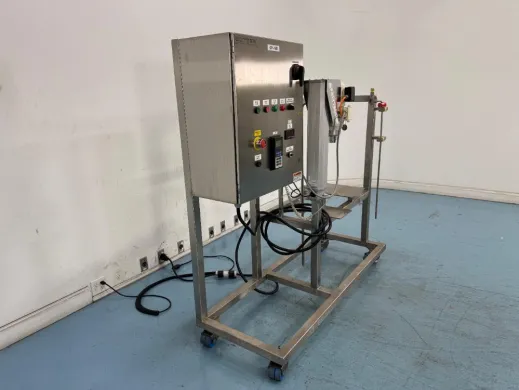
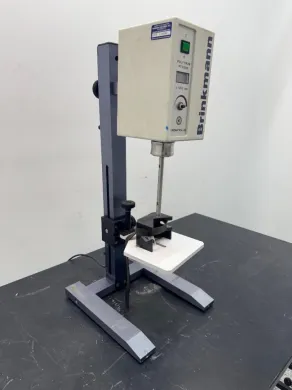
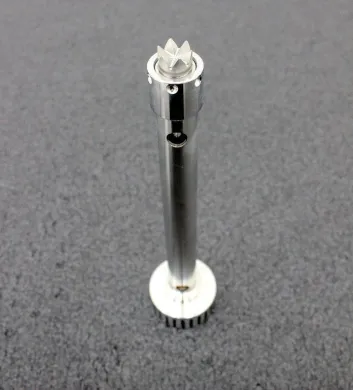
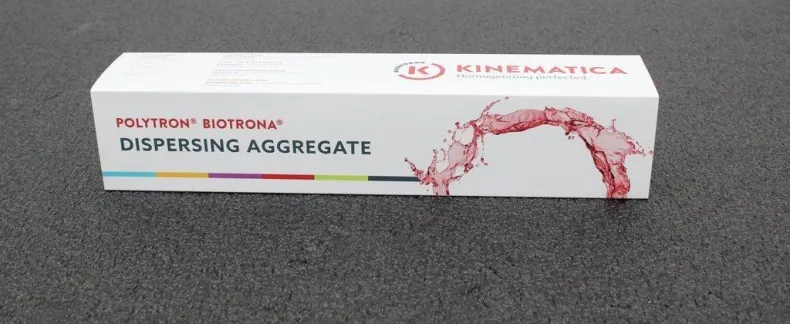
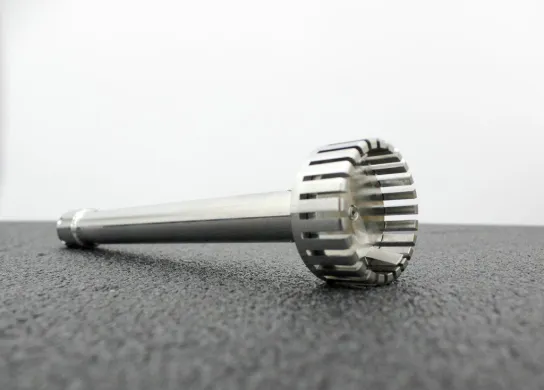
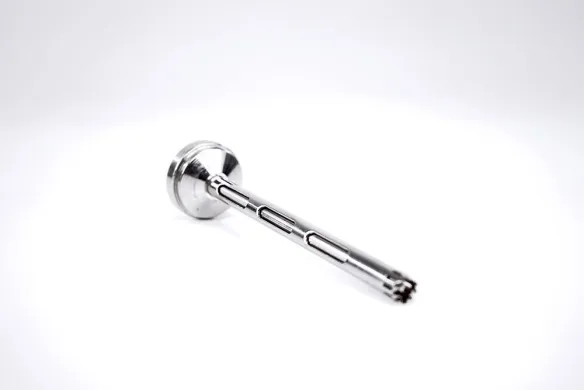
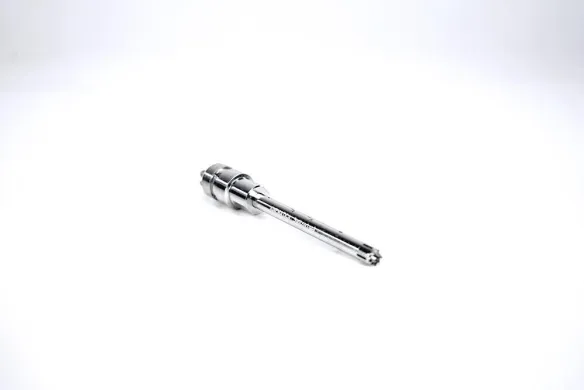
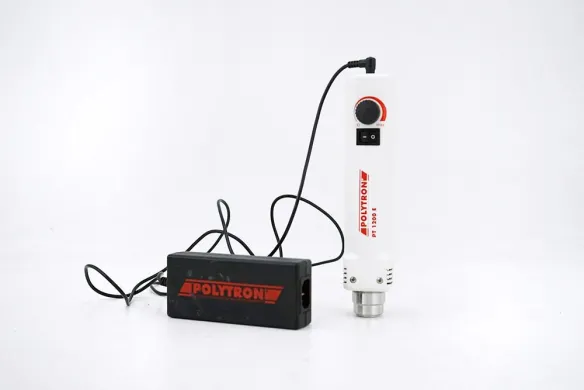
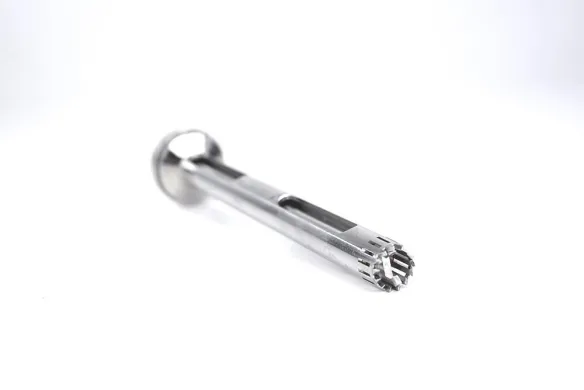
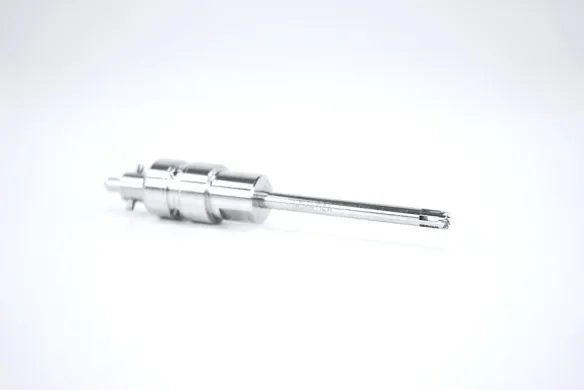
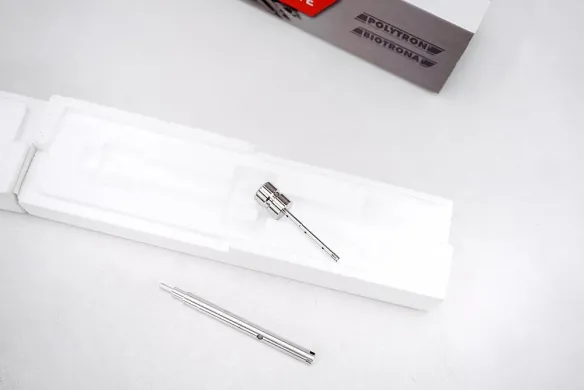
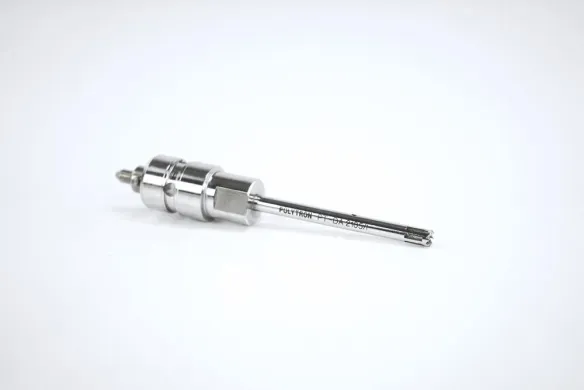
Not the exact instrument you need?
Tell our scientists what you are after. We track it down, including off-market supply.
Showing 1–40 of 93 listings
Show 40 more listingsAbout Kinematica
Kinematica is a Swiss manufacturer of homogenizing, dispersing, and mixing equipment, founded in Switzerland in 1962. The company was established by Professor Willems, who invented the rotor/stator technology for homogenizing and dispersing materials, the mechanism that still underlies most of its product range. Kinematica is based in Malters, Switzerland. It is privately owned by the Niens family, split between Switzerland and the United States, and has no external parent company. The product range covers homogenizers, dispersers, inline dispersers, mixers, laboratory reactors, mills, viscometers, and overhead stirrers. Named lines include POLYTRON, MEGATRON, REACTRON, POLYMIX, BIOTRONA, MICROTRON, and ATOMIX. On Questpair, 74 Kinematica listings are available from verified suppliers and distributors.
Kinematica product lines on Questpair
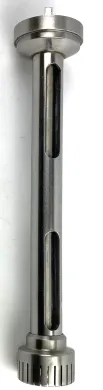
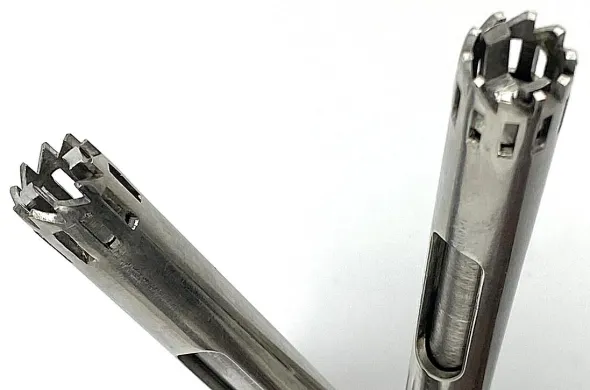
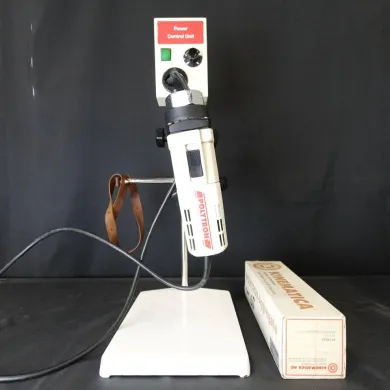
The rotor/stator homogenizers sit at the centre of the catalogue. The POLYTRON line runs from handheld and benchtop units through to larger drives, while MICROTRON covers smaller working volumes. These instruments reduce particle and droplet size by drawing a sample through the gap between a fast-spinning rotor and a fixed stator, and homogenization of this kind is a routine first step in cell culture lysis, tissue disruption, and emulsion preparation. The same principle appears in life sciences work where a membrane or a cell wall has to be broken before extraction, so these homogenizers are also used for protein purification workflows and for sample preparation ahead of molecular biology and proteomics assays.
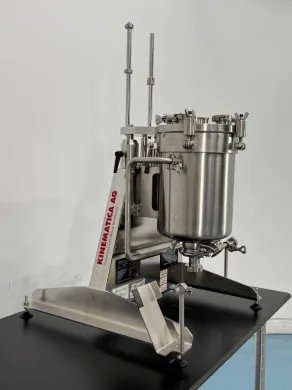
MEGATRON is the inline dispersing line, built to run material through a dispersing chamber in continuous flow rather than batch by batch. Dispersing of this type is used for emulsions and suspensions in formulation and, at the research end, for biomanufacturing and bioprocessing steps where a uniform suspension has to be produced at volume. REACTRON brings the dispersing mechanism into a laboratory reactor for controlled reaction and mixing. POLYMIX covers mills for grinding and sample preparation, where dry or wet material is reduced ahead of analysis, and the BIOTRONA line is directed at the biological sample stream. ATOMIX overhead stirrers and the mixing units handle the gentler end of the range, stirring and blending where high shear is not wanted. The viscometers measure flow behaviour of the finished preparation.
Across these lines the shared thread is mechanical energy applied to a liquid or semi-solid sample, whether to break it down, suspend it, grind it, or stir it. That makes the range relevant wherever a protocol depends on a reproducible starting suspension, from microbiology and immunoassay preparation through to cell imaging work that needs an evenly dispersed sample.
What is listed and at what condition?
The Kinematica stock on Questpair is predominantly second-hand. 95 percent of the listings are used. Prices run from EUR 118 to EUR 13.377, with an average of EUR 2.025, a spread that reflects the distance between a single dispersing aggregate and a complete configured homogenizing system. Used and refurbished units are listed below new prices, and that difference is the main reason a buyer works from this tier.
The listings come from 9 verified suppliers and distributors across 5 countries, so more than one source often carries the same model class. Where warranty matters, it is arranged in consultation for the specific listing, which means the individual listing page is where condition and terms are confirmed rather than the brand summary. For manuals or documentation on an older POLYTRON, POLYMIX, or MEGATRON unit, a buyer can contact Questpair and reach specialists within the hour, and replacement parts such as dispersing aggregates and generator probes can be sourced the same way. These Questpair pages are the catalogue for the brand, listing what is available now rather than the full historical model line.
Questpair review of Kinematica
Our take based on listings data and supplier feedback
Kinematica occupies a narrow but well-defined position in laboratory sample preparation: the rotor/stator homogenizer, a design the company itself originated in 1962. For a buyer assessing the second-hand market, the first point of interest is range. The listings on Questpair are not confined to a single bench unit. They move from the POLYTRON and MICROTRON handheld and benchtop homogenizers used for small sample volumes, through MEGATRON inline dispersers built for continuous flow, into POLYMIX mills and REACTRON reactors. That breadth matters because the rotor/stator principle scales, and a lab that proves a process on a small drive often needs the same mechanism at a larger throughput later. Finding both generations from a single maker in one catalogue shortens that search.
The second point is price, and here the used market around Kinematica is substantial rather than token. 95 percent of the listings are used. Prices run from EUR 118 to EUR 13.377. The spread is wide because the catalogue mixes bare drive units, dispersing aggregates, and complete configured instruments, and a buyer reads that range as the difference between a replacement generator probe and a full inline system. The average sits at EUR 2.025, which places the bulk of the listings well inside the reach of a single project budget rather than a capital-equipment cycle. For a group that needs homogenizing capacity for a defined study and does not want to carry a new-instrument line item, the used tier is where most of the stock sits.
The third point is supply. The 74 Kinematica listings are offered by 9 verified suppliers and distributors across 5 countries. More than one source for the same brand changes how a purchase proceeds. It allows a buyer to compare condition descriptions and configurations for the same model class rather than accepting the only unit on offer, and it keeps a specific POLYTRON or MEGATRON variant findable even when one supplier has sold through.
What the data does not resolve is condition at the individual level, and that is the correct place to direct attention. Used and refurbished units are listed below new prices, and that price gap is the clearest advantage the used tier carries. Where a warranty matters, it is arranged in consultation for the specific listing rather than attached to the brand as a whole, so the listing page, not the catalogue summary, is where those terms are settled. For documentation on an older POLYMIX or BIOTRONA model, a buyer can contact Questpair and reach specialists within the hour, and replacement parts can be sourced the same way. Taken together, the Kinematica presence on Questpair reads as a deep used market in a specialist category, concentrated in the mid-price range, with enough supplier diversity to make model-level comparison realistic.
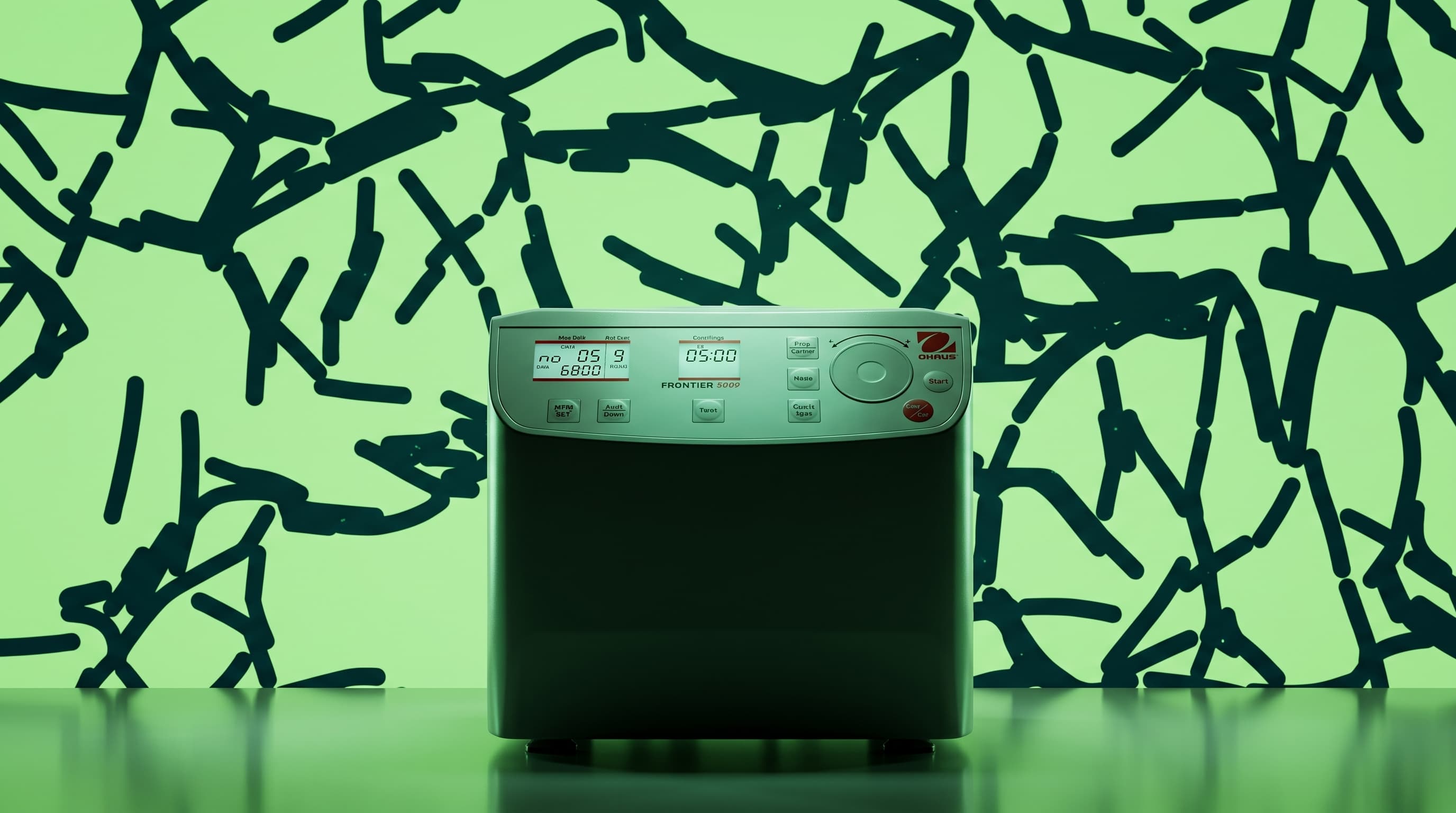
**Rotor/stator homogenizers across a wide power range**
Kinematica's catalogue on Questpair spans compact handheld POLYTRON units through MEGATRON inline systems, so a buyer can match the rotor/stator principle to volumes from a few millilitres up to continuous production flow.
**Priced well below new**
Of the Kinematica listings on Questpair, 95 percent of the listings are used, with prices from EUR 118 to EUR 13.377.
**Supply spread across several European sources**
The 74 Kinematica listings come from 9 verified suppliers and distributors in 5 countries, which widens the choice of model and condition for a given dispersing or mixing task.
Frequently asked questions
Where can I find manuals and documentation for an older Kinematica unit?
Contact Questpair for documentation on a specific POLYTRON, POLYMIX, or MEGATRON unit, and specialists respond within an hour. Manuals are tied to the individual model, so naming the exact unit helps the search.
How much does Kinematica equipment cost?
On Questpair, listings range from EUR 118 to EUR 13.377, with an average of EUR 2.025. The spread reflects the distance between a single dispersing aggregate and a complete configured homogenizing system.
What is the difference between a refurbished and a used Kinematica unit?
Both are listed below new prices, and condition is described on the individual listing page. The specific terms and any reconditioning for a given unit are confirmed there rather than in the brand summary.
Is a warranty available on Kinematica equipment?
A warranty is often possible and is arranged in consultation for the specific listing. The listing page is where condition and terms are confirmed.
Is Kinematica equipment suitable for clinical or research use?
The rotor/stator homogenizers are used for cell culture lysis, tissue disruption, protein purification, and sample preparation ahead of molecular biology and proteomics assays. The MEGATRON inline dispersers run bioprocessing and biomanufacturing steps that need a uniform suspension at volume.
How long does Kinematica equipment last?
Lifespan depends on how hard a unit has been driven and how the rotor, stator, and generator probes have worn. Because wear parts such as dispersing aggregates and generator probes are replaceable, a drive unit can stay in service well beyond the life of its consumable components.
Can I get replacement parts for Kinematica units?
Replacement parts such as dispersing aggregates and generator probes can be sourced via Questpair. Contact Questpair with the model to confirm what is available for that unit.
What are the alternatives to Kinematica homogenizers?
The alternative depends on the technique. For rotor/stator homogenizing the comparison is other rotor/stator benchtop and inline units, while bead milling, sonication, and high-pressure homogenizing are different mechanisms that suit different sample types and volumes.
What is the lead time on a Kinematica listing?
Lead time is set by the individual supplier and the condition of the unit, so it is confirmed on the listing. With 9 verified suppliers and distributors carrying the brand, more than one source often holds the same model class.
What is the difference between parts and spares for Kinematica equipment?
In practice the terms cover the same consumable and wear components, such as dispersing aggregates and generator probes. Both can be sourced via Questpair by naming the model they fit.
Can Kinematica equipment be shipped internationally?
Listings come from verified suppliers and distributors across 5 countries, so cross-border shipping is common. Shipping arrangements are confirmed with the supplier on the individual listing.
Which Kinematica product lines are there and how do they differ?
POLYTRON and MICROTRON are rotor/stator homogenizers, with POLYTRON running from handheld to larger drives and MICROTRON covering smaller working volumes. MEGATRON is the inline dispersing line, REACTRON brings dispersing into a laboratory reactor, POLYMIX covers mills, BIOTRONA targets the biological sample stream, and ATOMIX overhead stirrers handle lower-shear blending.
Which Kinematica instrument types are listed on Questpair and in what condition?
The listed types include laboratory homogenizers, tissue homogenizers, emulsifiers, sample preparation equipment, and bioprocessing homogenizers. The stock is predominantly second-hand, with 95 percent of the listings used, and condition is stated on each listing page.
What separates the cheapest Kinematica listings from the most expensive?
At the low end sits a single dispersing aggregate or a handheld homogenizer, while the high end covers a complete configured homogenizing system. New units are priced above used and refurbished ones, which is the main reason prices span from EUR 118 to EUR 13.377.
About Questpair
Questpair is the European marketplace for lab equipment, where AI-prepared cases and personal specialists guide every purchase. We work with 247 verified suppliers across 38 countries to find buyers the right new, used or refurbished instruments, with response within 1 hour and significant savings vs buying new.
Personal · Fast · Reliable · Affordable