
Illumina equipment
We personally find you the right new, used & refurbished Illumina instruments & equipment from verified suppliers
Illumina is an American life science tools and integrated systems manufacturer that specializes in DNA sequencing and array-based solutions for genetic and genomic analysis. Incorporated in California in 1998, the company develops and commercializes BeadArray technology originally licensed from Tufts University, and it operates independently from San Diego as a publicly traded company on Nasdaq under the ticker ILMN. Its instruments span benchtop and high-throughput sequencing platforms alongside microarray scanners and the reagents that run them. On Questpair, 205 used Illumina items are listed by 9 verified suppliers and distributors across 5 countries.
Updated:
Illumina product list
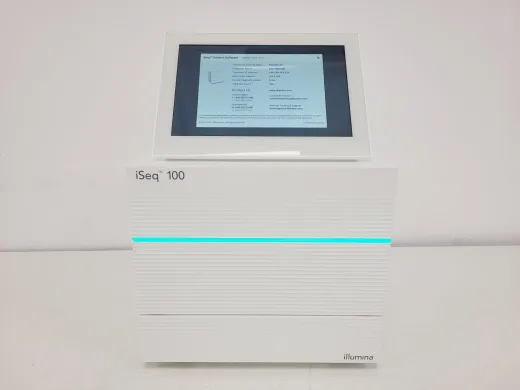


Not the exact instrument you need?
Tell our scientists what you are after. We track it down, including off-market supply.
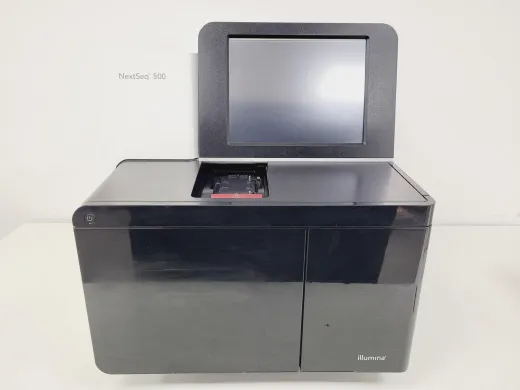
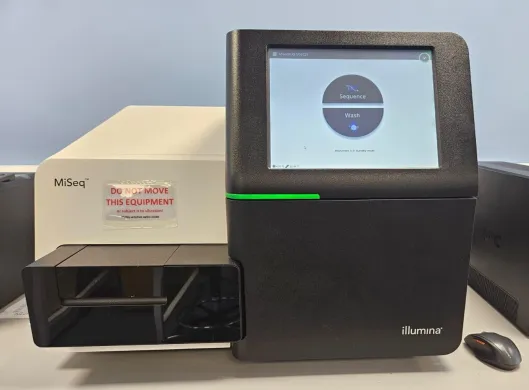
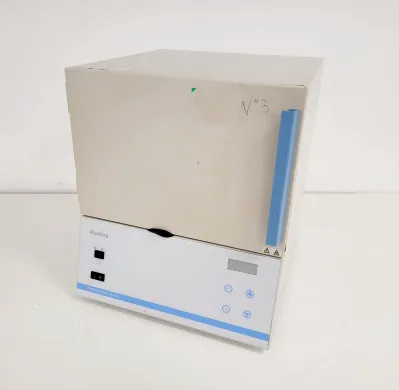
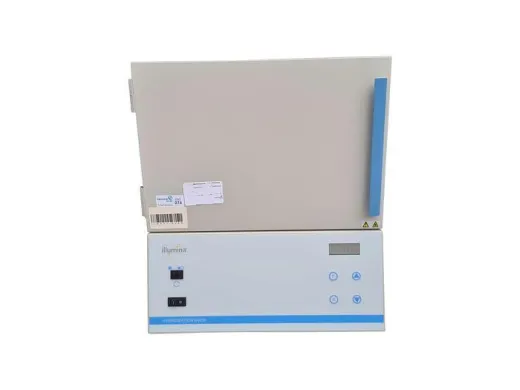
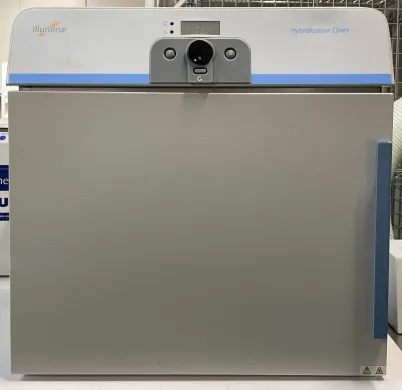
Boekel Hybridization Oven CAT NO. 230402-2ILL
- Category
- Furnaces
- Brand
- Illumina
- Suppliers
- 1 verified
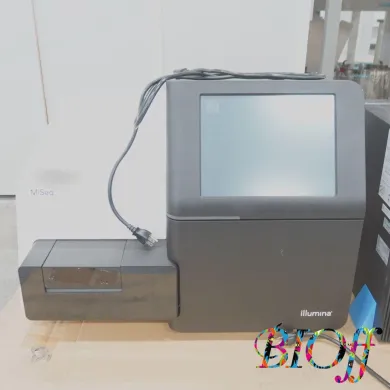
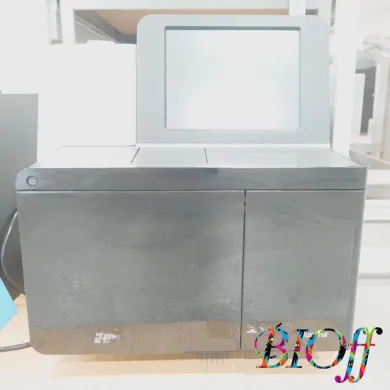
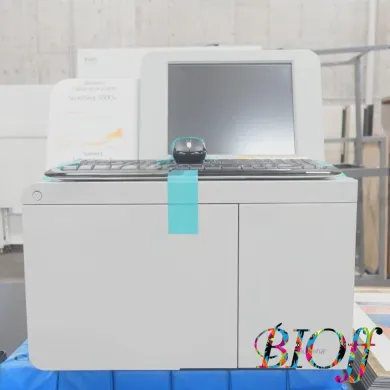
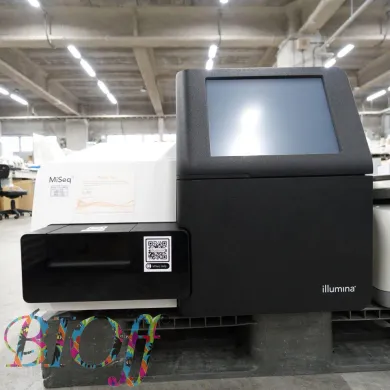
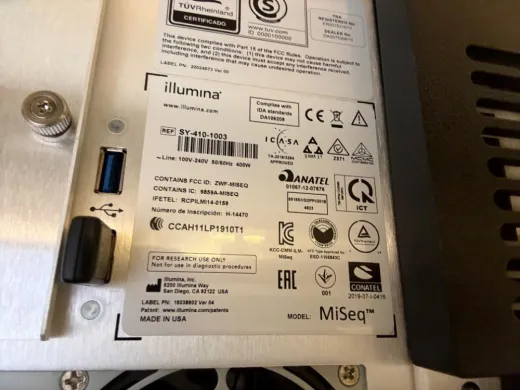
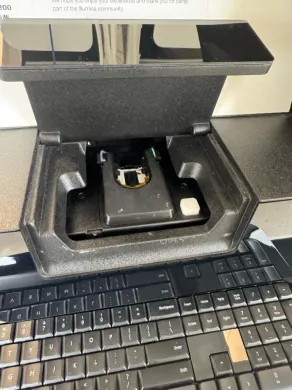
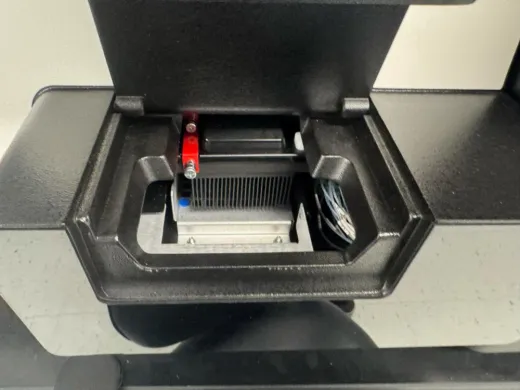
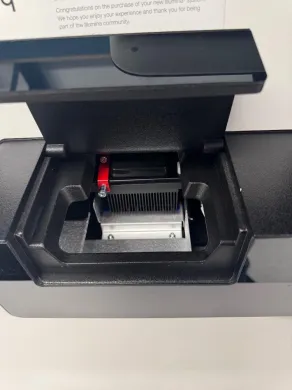
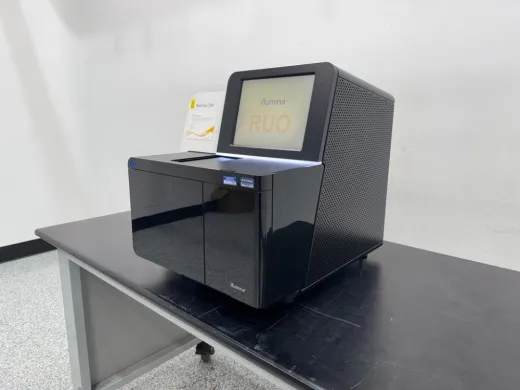
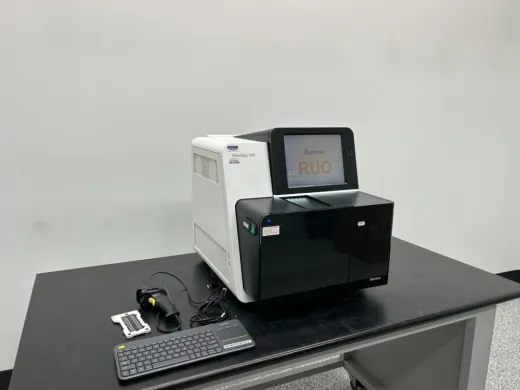
Not the exact instrument you need?
Tell our scientists what you are after. We track it down, including off-market supply.
Showing 1–40 of 114 listings
Show 40 more listingsAbout Illumina
Illumina is an American life science tools and integrated systems manufacturer that specializes in DNA sequencing and array-based solutions for genetic and genomic analysis. It was incorporated in California in April 1998 by David Walt, Larry Bock, John Stuelpnagel, Anthony Czarnik, and Mark Chee to develop and commercialize BeadArray technology licensed from Tufts University. The company is headquartered in San Diego, United States, and trades publicly on Nasdaq under the ticker ILMN with no parent company. Its instruments perform DNA sequencing, the reading of the order of bases in a genome, and they are the platforms behind most short-read genomic analysis published today. The product range covers benchtop sequencers, high-throughput systems, microarray scanners and the reagents and consumables that run them. On Questpair, these systems are listed as used units from verified suppliers and distributors.
Sequencing is the field this equipment serves. The instruments are built for whole-genome sequencing, targeted resequencing and exome work, and they anchor laboratories doing genomics, molecular diagnostics and cell culture research across clinical and academic settings. The array platforms support genotyping and gene expression studies, and the whole family feeds into molecular biology workflows from library preparation through to variant calling. The DRAGEN and Illumina Connected Analytics software lines turn raw reads into analysed data, so the hardware rarely stands alone.
Illumina sequencer and array product lines
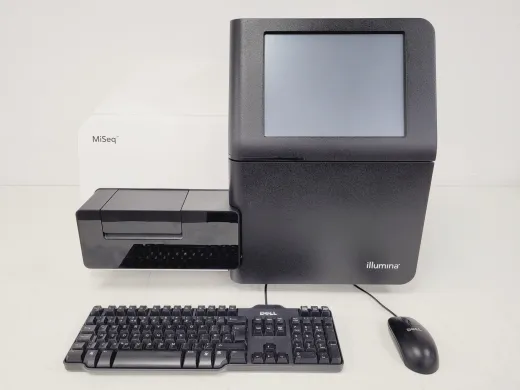
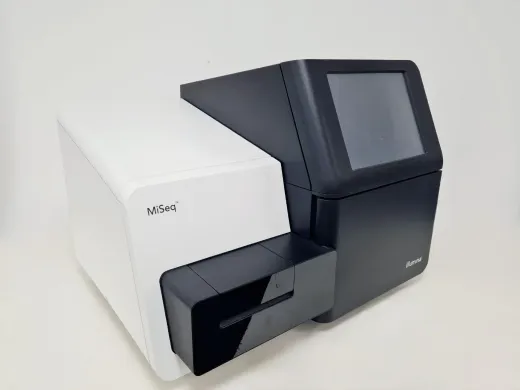
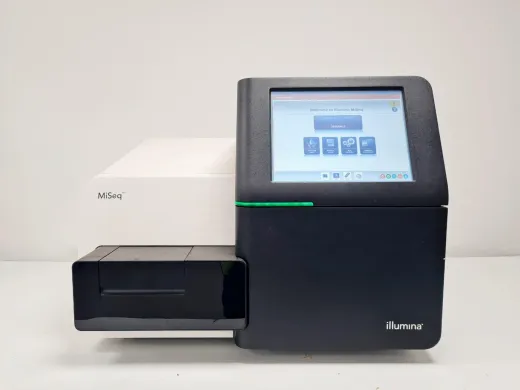
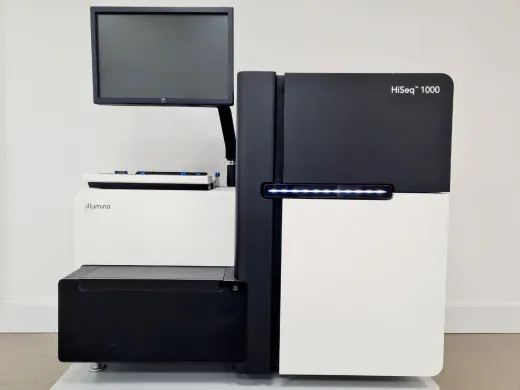
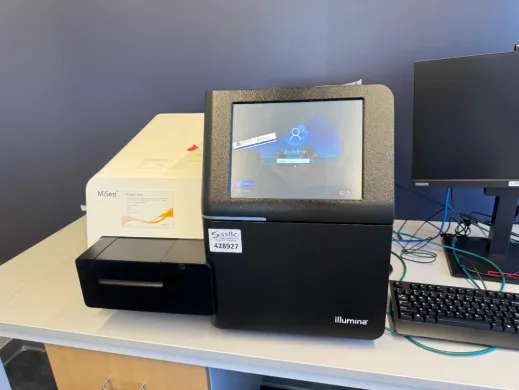
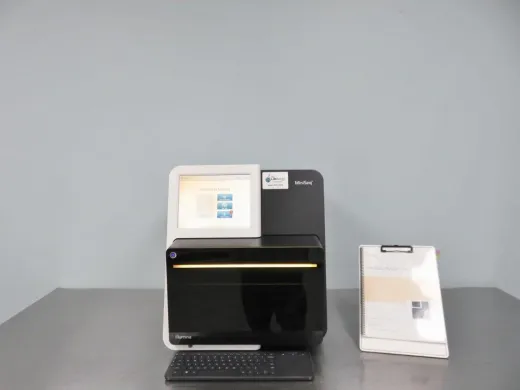
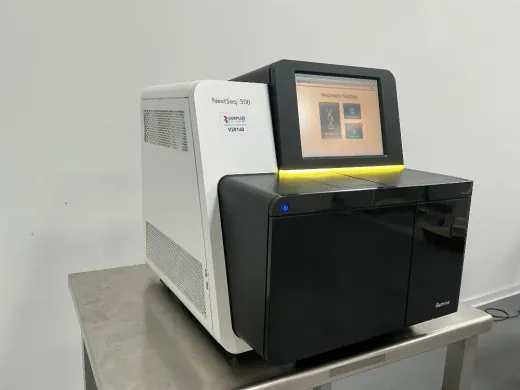
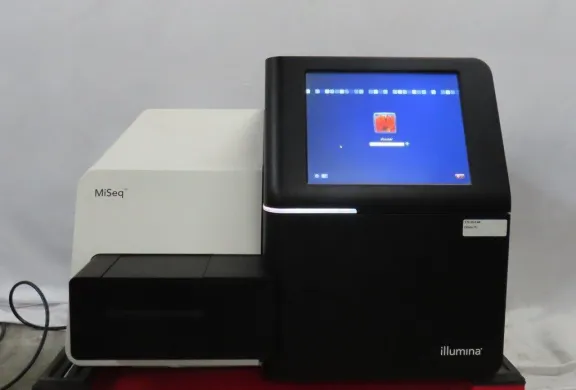
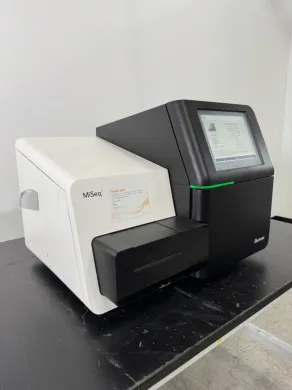
The sequencing instruments split by throughput. The iSeq and MiniSeq are the smallest, built for targeted panels and amplicon runs. The MiSeq is the established benchtop system for small genomes, microbiology and targeted resequencing. The NextSeq raises output to exomes and larger panels, and the NovaSeq and HiSeq are the high-throughput platforms for whole-genome sequencing and population-scale genomics. Alongside these sit the array products: the iScan microarray scanner and the VeriSeq and TruSight application kits for specific clinical and oncology panels, with COVIDSeq a dedicated assay line. Each line has its own flow cells, library preparation kits and sequencing reagents, so a buyer matching a used instrument to an application should check which chemistry the model supports.
Which Illumina systems are listed on Questpair?
The Questpair catalogue holds 205 Illumina listings from 9 verified suppliers and distributors across 5 countries. Prices run from EUR 139 to EUR 301.311, the distance between a benchtop sequencer and a high-throughput system, with the average listing at EUR 18.226. Every unit is listed as used, and 100 percent of the listings are used. The spread reflects the throughput tiers in the range, so a buyer can match a listing to the intended run rather than to the brand alone. Where a warranty is needed it is arranged in consultation for the specific listing, and parts can be sourced via Questpair. For manuals or documentation a buyer can contact Questpair, where specialists respond within the hour.
Questpair review of Illumina
Our take based on listings data and supplier feedback
Illumina occupies an unusual position in the lab equipment market: it is the dominant maker of short-read DNA sequencing instruments, and much of the published genomic literature of the last fifteen years rests on data generated on its platforms. That matters for a buyer evaluating a used listing, because an Illumina sequencer is not a standalone box but the centre of a workflow that includes flow cells, library preparation kits and sequencing reagents, most of which remain available for the current instrument lines. Three things separate these systems on the Questpair catalogue, and each is worth weighing against the specific listing rather than the brand as a whole.
The first is throughput tier. The product range splits cleanly by output. The iSeq and MiniSeq sit at the low end, suited to small targeted panels and amplicon work. The MiSeq handles small genomes, 16S microbiology and targeted resequencing. The NextSeq steps up to exomes and larger panels, and the NovaSeq and HiSeq cover whole-genome sequencing and population-scale projects. A used listing is only a good fit if its tier matches the intended run, and the price difference between tiers is large. On Questpair that spread is visible directly: listed prices range from EUR 139 to EUR 301.311, which is the gap between a benchtop sequencer and a high-throughput system.
The second is condition and what it means for a consumables-driven instrument. Every Illumina unit on the Questpair catalogue is listed as used, and 100 percent of the listings are used. For a sequencer this is less of a concern than it sounds, because the optics and fluidics are built for continuous operation and the consumable flow cell is replaced every run. The question for a used unit is less about wear and more about which chemistry version the instrument supports and whether the kits for that version are still produced. A buyer should check the model generation against the kit availability for the planned application.
The third is total workflow cost. The sequencer price is only part of the picture, since reagents, flow cells and library preparation kits recur with every run. Across the catalogue the average listing sits at EUR 18.226, but the instrument is the one-time cost against an ongoing consumable spend that often exceeds it over an instrument's life. For a lab moving into genomics, molecular diagnostics or proteomics-adjacent work, the used instrument lowers the entry cost while the running cost stays the same as new. Where a buyer has to weigh a used unit against a new one, the clearest difference is price, and warranty on a Questpair listing is arranged in consultation for that specific listing.
**Genomic sequencing at research and clinical scale**
Illumina builds the DNA sequencing instruments behind most published short-read genomic studies, and the Questpair catalogue lists used NovaSeq, MiSeq and NextSeq systems from 9 verified suppliers and distributors.
**A full condition and price spread**
Listed prices run from EUR 139 to EUR 301.311, covering benchtop sequencers, high-throughput platforms and microarray scanners across one brand.
**Used systems below new pricing**
Every Illumina listing on Questpair is a used unit, and 100 percent of the listings are used, each priced below an equivalent new instrument.
Frequently asked questions
Where can I find manuals and documentation for Illumina instruments?
Contact Questpair for documentation on a specific Illumina model, and specialists respond within one hour. This covers user guides and reference material tied to the listing you are considering.
How much does an Illumina sequencer cost?
On Questpair, listings range from EUR 139 to EUR 301.311, with the average at EUR 18.226. The spread reflects the throughput tiers, from a benchtop sequencer to a high-throughput system.
What is the difference between a refurbished and a used Illumina unit?
A refurbished unit has been reconditioned before resale, while a used unit is sold in its working condition as described by the seller. Both are listed below the price of a new system, and the exact state is described in each individual listing.
Is a warranty available on Illumina equipment bought through Questpair?
A warranty is often possible and is arranged in consultation for the specific listing. Terms depend on the unit and the supplier offering it.
Are Illumina systems suitable for clinical and research use?
Illumina platforms serve both clinical molecular diagnostics and academic genomics, with lines such as TruSight Oncology and VeriSeq aimed at clinical panels and MiSeq or NovaSeq used across research. The intended application should be matched to the chemistry and flow cells a given model supports.
How long does an Illumina sequencer last?
Lifespan depends on usage, maintenance history and the generation of the platform, and no fixed figure applies across models. The condition of a specific used unit is described in its listing.
Can I get parts for an Illumina instrument?
Parts can be sourced via Questpair. Flow cells, reagents and library preparation kits are tied to specific model families, so identify your exact platform when requesting them.
What are good alternatives to Illumina sequencers?
Alternatives differ by read type and application: long-read platforms suit structural variant and de novo work, while other short-read systems compete directly with Illumina on targeted panels and whole-genome runs. The right choice depends on read length, throughput and the assays you run, which you can compare against the Illumina listings in the Questpair catalogue.
What is the lead time on a used Illumina system?
Lead time depends on the supplier, the unit's location and any preparation agreed before shipment. The listing and the supplier offering it set the timeline for that specific order.
What is the difference between parts and spares for Illumina equipment?
In practice the terms overlap: both refer to components used to maintain or repair an instrument, whether consumable like flow cells or structural like a replacement module. Parts can be sourced via Questpair for the platform you specify.
Does Questpair ship Illumina equipment internationally?
Listings come from verified suppliers and distributors across 5 countries, so cross-border purchase is part of the catalogue. Shipping arrangements are confirmed with the supplier for the specific listing.
Which Illumina product lines exist and how do they differ?
Sequencing lines split by throughput: iSeq and MiniSeq for targeted panels and amplicons, MiSeq for small genomes and microbiology, NextSeq for exomes and larger panels, and NovaSeq and HiSeq for whole-genome and population-scale work. Alongside these sit the iScan array scanner and application kits like TruSight Oncology, VeriSeq and COVIDSeq, each with its own flow cells and reagents.
Which Illumina instrument classes are listed on Questpair and in what condition?
The catalogue lists classes including the sequencer, the molecular diagnostics equipment, the dna sequencer, the benchtop sequencer, the benchtop sequencer variant and the high-throughput sequencer. Across 205 listings from 9 suppliers, 100 percent are used, and each listing describes its own condition.
What separates the cheapest Illumina listings from the most expensive?
The gap tracks throughput: the lower end covers benchtop instruments built for targeted panels and small genomes, while the upper end is high-throughput systems for whole-genome and population-scale sequencing. Prices on Questpair run from EUR 139 to EUR 301.311, so matching a listing to the intended run size explains most of the difference.
About Questpair
Questpair is the European marketplace for lab equipment, where AI-prepared cases and personal specialists guide every purchase. We work with 247 verified suppliers across 38 countries to find buyers the right new, used or refurbished instruments, with response within 1 hour and significant savings vs buying new.
Personal · Fast · Reliable · Affordable