
Epson equipment
We personally find you the right used, refurbished & new Epson instruments & equipment from verified suppliers
Epson is a Japanese electronics and industrial automation manufacturer whose product range includes printers, imaging equipment, and SCARA and 6-axis robots used in laboratory and life sciences automation. The company began in May 1942 in Suwa, Nagano, as Daiwa Kogyo, Ltd., a maker of watch parts, and was restructured over subsequent decades into Seiko Epson Corporation (TYO: 6724). Today it produces industrial robots for lab automation, label printers for laboratory use, and precision fluid dispensing systems. On Questpair, 94 Epson items are listed by verified suppliers and distributors across 6 countries.
Updated:
Epson product list


Not the exact instrument you need?
Tell our scientists what you are after. We track it down, including off-market supply.
About Epson
Epson is the trade name of Seiko Epson Corporation, a Japanese electronics and industrial automation manufacturer publicly traded as TYO: 6724. The company was founded in May 1942 in Suwa, Nagano, as Daiwa Kogyo, Ltd., a manufacturer of watch parts for Daini Seikosha, with investment from the Hattori family. Over the following decades it was renamed and restructured into Seiko Epson Corporation, and it remains headquartered in Suwa, Japan. It is an independent company: Seiko Group Corporation holds a minority stake of roughly three percent and is not a controlling parent. Its primary categories span industrial robots for lab automation, SCARA and 6-axis robots, label printers for laboratory use, and precision fluid dispensing systems. On Questpair, 94 Epson items are listed by verified suppliers and distributors across 6 countries.
Epson robot and printer product lines
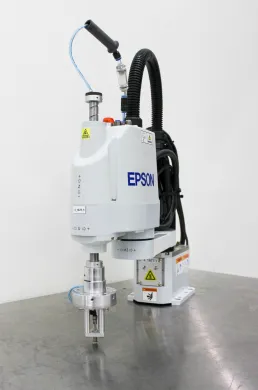
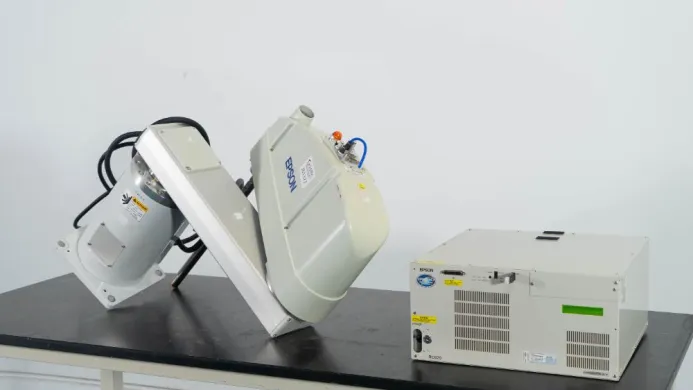
The product lines most relevant to a lab are the Epson Robots. These divide into the SCARA G-Series, the RS-Series, and the C-Series 6-axis arms, three geometries aimed at different motions. A SCARA arm works quickly and precisely in a horizontal plane and suits deck-level work; a 6-axis arm offers the articulation needed to reach over and around fixtures. In life sciences automation, these robots do the repetitive handling that frees staff from manual steps: microplate transfer between readers and incubators, tube sorting, and the positioning of a dispensing head during a sample preparation run. Robotic liquid handling of this kind underpins high-throughput screening, where thousands of wells are processed in a pass, and the same arms serve cell culture workflows that need plates moved on a reliable schedule. Precision fluid dispensing systems, the second automation category, place controlled volumes where an assay or a formulation requires them, work that touches molecular diagnostics and immunoassay preparation when dispensing feeds into a plate-based readout.
Alongside the robots sits the LabelWorks range, the LW-PX series, which prints durable labels for sample tubes, racks and reagent bottles. Legible, chemical-resistant labelling is a quiet requirement of any traceable lab, and label printing supports specimen tracking through a genomics or microbiology pipeline where a mislabelled tube costs a run. The wider Epson catalogue also includes the Moverio smartglasses and the Micro Piezo inkjet technology that gives the dispensing and printing hardware its fine droplet control, the latter being the same precision lineage the robot arms draw on.
What is listed on Questpair?
The Questpair catalogue for Epson holds 94 items supplied by 8 verified suppliers and distributors across 6 countries. 100 percent of the listings are used. Prices range from EUR 33 to EUR 6.457. That spread reflects a catalogue that mixes individual components, controllers and end-effectors with complete arms and labelling systems, so a buyer adding one axis and a buyer specifying a full cell are shopping the same page in different bands.
For documentation, a buyer can contact Questpair and specialists respond within an hour. Parts can be sourced through Questpair. A warranty is often possible and is arranged in consultation for the specific listing, so the condition and terms of any given unit are read from that listing rather than assumed across the brand. Because every Epson item here is used, the price difference against a new system is the clearest advantage on offer, and the practical next step is to compare the individual listings against the geometry and reach a given protocol actually needs.
Questpair review of Epson
Our take based on listings data and supplier feedback
Epson occupies an unusual position among laboratory equipment makers, because the automation it is known for grew out of precision manufacturing rather than instrumentation. The company built watch parts from 1942 and later developed the Micro Piezo inkjet head, and that background in repeatable fine motion carries directly into its robots. For a lab buyer, the relevant question is less about brand heritage and more about whether the listed hardware fits a bench or a cell, and the Questpair catalogue bears on three practical points.
The first is the robot range itself. Epson Robots split into the SCARA G-Series and RS-Series and the C-Series 6-axis arms, and these are the arm geometries a lab reaches for when a task is repetitive: moving microplates between a reader and an incubator, transferring sample tubes, or positioning a dispensing head. A SCARA arm is fast and rigid in a horizontal plane, which suits plate shuffling on a flat deck. A 6-axis arm adds the reach and wrist articulation needed when a sample has to be presented at an angle or lifted over an obstacle. Seeing both families on one catalogue lets a buyer match the geometry to the actual motion a protocol demands, rather than forcing a workflow onto whichever arm happens to be available.
The second point is the spread of price and component type. Across the catalogue, listings run from EUR 33 to EUR 6.457. That range is wide because it covers more than finished arms: controllers, end-effectors, labelling hardware and complete systems sit alongside each other. A lab adding a single axis to an existing cell is shopping in a different band from one specifying a turnkey automation station, and both are represented here. The average of EUR 1.409 says little on its own given that spread, so the sensible reading is the full range rather than any midpoint.
The third point is condition and sourcing. Every listed item, 100 percent of the catalogue, is used. For automation hardware this is less of a reservation than it is for a wet-chemistry instrument, because a robot arm's core assemblies are mechanical and serviceable, and a used arm with documented hours can be a defensible purchase where a new cell would overshoot a budget. The listings come from 8 verified suppliers and distributors in 6 countries, which matters for a European lab weighing shipping, lead time and the practicality of inspecting hardware before committing. Where a warranty is a concern, that is arranged in consultation for the specific listing rather than set as a blanket term, so the individual listing is where a buyer should look.
Taken together, the Epson presence on Questpair reads as an automation catalogue first and a printing one second. A lab shopping for a plate-handling arm or a dispensing axis will find the robot families it recognises; a lab wanting a benchtop printer is a smaller part of what is here.
**SCARA and 6-axis robots for lab automation**
Epson Robots cover the SCARA G-Series, RS-Series and C-Series 6-axis lines, the arm types used to automate repetitive pipetting, plate handling and sample transfer in life sciences workflows.
**Breadth of listed condition at every price point**
The Questpair catalogue runs from EUR 33 to EUR 6.457, spanning single components through complete robot cells and labelling systems under one brand.
**Supply across multiple European markets**
Listings come from 8 verified suppliers and distributors in 6 countries, giving a buyer more than one sourcing route for the same class of equipment.
Frequently asked questions
Where do I find manuals and documentation for an Epson robot or label printer?
Documentation requests go through Questpair, where specialists respond within an hour. Tell them the model or series you are working with so the right manual or spec sheet can be matched to your unit.
How much does Epson equipment cost on Questpair?
Listed prices range from EUR 33 to EUR 6.457, with an average of EUR 1.409. The spread reflects a catalogue that mixes single components, controllers and end-effectors with complete arms and labelling systems.
What is the difference between a refurbished and a used Epson unit?
A refurbished unit has been reconditioned before resale, while a used unit is sold in its existing state. Both are listed below the price of a new system, and the exact condition is described in the individual listing.
Does an Epson unit come with a warranty?
A warranty is often possible and is arranged in consultation for the specific listing. The terms depend on the unit, so read them from the listing you are considering rather than assuming a blanket policy.
Are Epson robots suitable for clinical or research lab automation?
The SCARA and 6-axis arms handle microplate transfer, tube sorting and dispensing-head positioning, which supports high-throughput screening and cell culture workflows. Precision fluid dispensing systems place controlled volumes for assay and formulation work that feeds plate-based readouts in molecular diagnostics and immunoassay preparation.
How long does Epson lab automation equipment last?
Industrial robot arms and controllers are built for repetitive handling over extended duty cycles, so service life depends on usage intensity and maintenance rather than a fixed figure. The condition of any used unit here is described in its listing.
Can I get spare parts for an Epson robot or printer?
Parts can be sourced via Questpair. Give the model and the component you need so suppliers can match it to the right series and geometry.
What are the alternatives to Epson for lab automation robots?
Alternatives split by the geometry you need: a SCARA arm for fast horizontal deck-level work, a 6-axis arm for articulation around fixtures, and dedicated liquid handlers where dispensing is the whole task. The practical comparison is between the reach and motion a given protocol requires, which the Questpair listings let you check side by side.
How long is the lead time on an Epson order?
Lead time depends on the supplier holding the unit and its location. Since listings come from verified suppliers and distributors across 6 countries, timing is confirmed per listing when you enquire.
What is the difference between parts and spares for Epson equipment?
The terms are used interchangeably: both refer to replacement components such as axes, controllers or end-effectors. All of these can be sourced via Questpair by naming the model they fit.
Can Epson equipment be shipped internationally?
Listings come from verified suppliers and distributors across 6 countries, so cross-border shipping is common. Confirm shipping arrangements and destinations with the supplier of the specific listing.
Which product lines does Epson make and how do they differ?
The Epson Robots divide into the SCARA G-Series for horizontal-plane speed, the RS-Series, and the C-Series 6-axis arms for reaching over and around fixtures. Alongside the robots, the LabelWorks LW-PX series prints chemical-resistant labels for tubes and reagent bottles, and the wider catalogue includes Moverio smartglasses and the Micro Piezo inkjet technology behind the fine droplet control.
Which Epson instrument classes are actually listed on Questpair and in what condition?
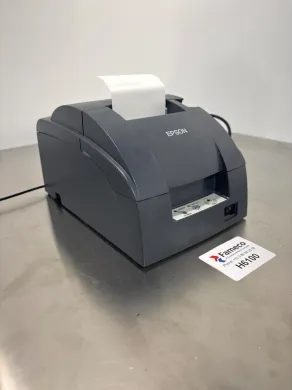
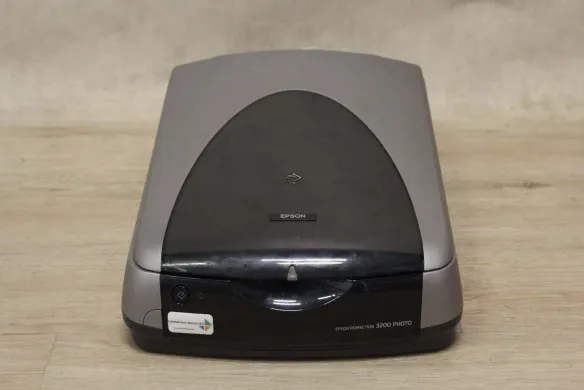
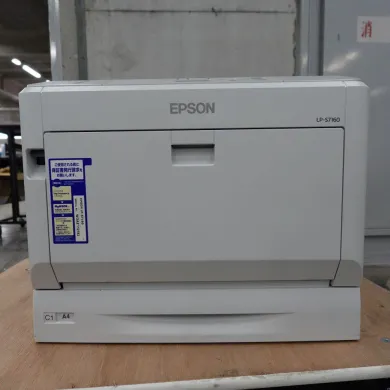
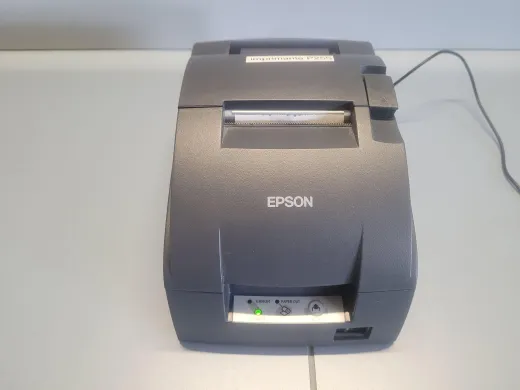
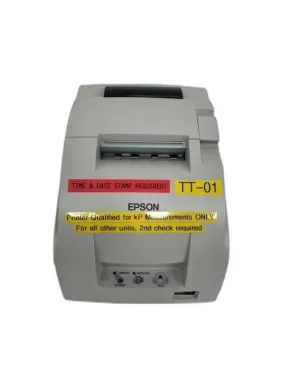
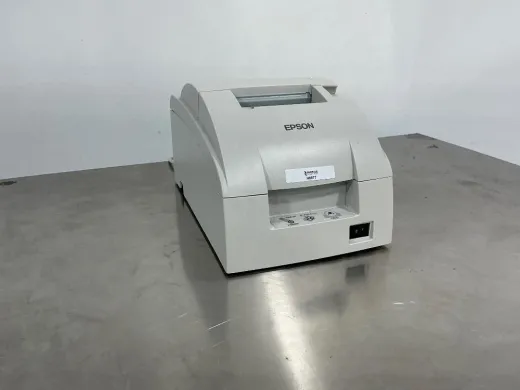
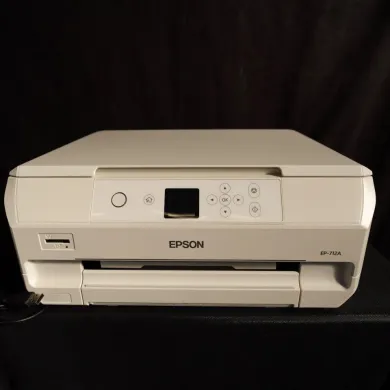
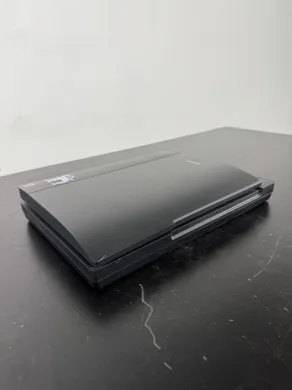
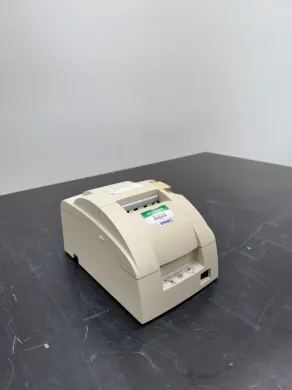
The Epson listings here centre on imaging and printing hardware, including flatbed scanners, film scanners, impact printers, inkjet printers and point-of-sale printers. Of the 94 items, 100 percent are used, with each unit's condition set out in its own listing.
What separates the cheapest Epson listings from the most expensive?
The lower band holds individual components, controllers and end-effectors, while the upper band holds complete arms and full labelling systems. That is why prices run from EUR 33 to EUR 6.457: a buyer adding one axis and a buyer specifying a whole cell are shopping the same page in different ranges.
About Questpair
Questpair is the European marketplace for lab equipment, where AI-prepared cases and personal specialists guide every purchase. We work with 247 verified suppliers across 38 countries to find buyers the right used, refurbished or new instruments, with response within 1 hour and significant savings vs buying new.
Personal · Fast · Reliable · Affordable