

Analysers
We personally find you the right used, refurbished and new analysers instruments & equipment from verified suppliers.
Analysers are test and measurement instruments that capture a signal, break it into its component parts, and report what they find, whether that is the spectrum of a radio frequency, the response of a network, or the content of an audio waveform. On Questpair, 301 analyser listings are available from 12 verified suppliers and distributors across 9 countries. New, used and refurbished units are listed side by side, and 97 percent of those listings are used rather than new. Prices in this laboratory and electronics-measurement category run from EUR 1 to EUR 25.278, a span wide enough to cover a single probe accessory at one end and a full spectrum analyser at the other.
Updated:
Analysers product list
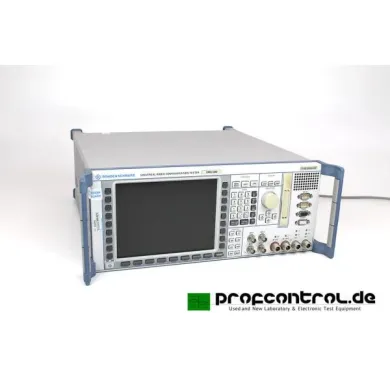
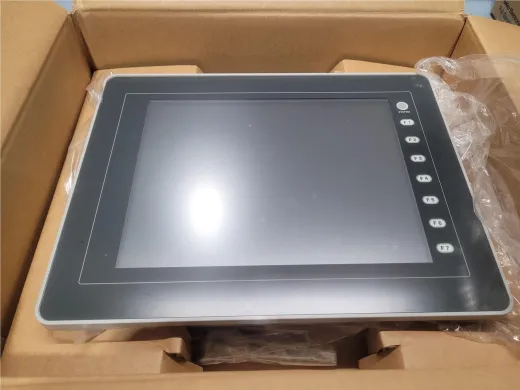
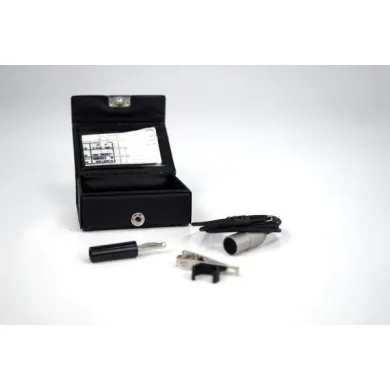
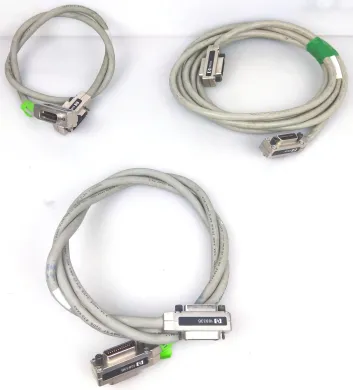


Not the exact instrument you need?
Tell our scientists what you are after. We track it down, including off-market supply.
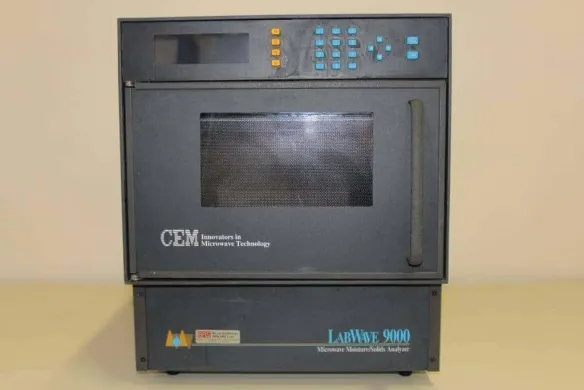
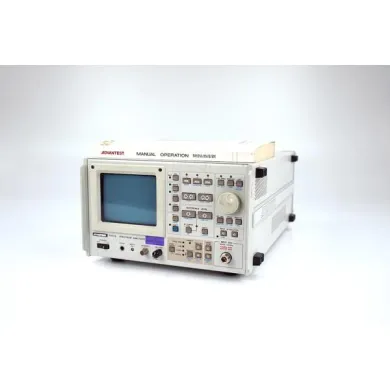
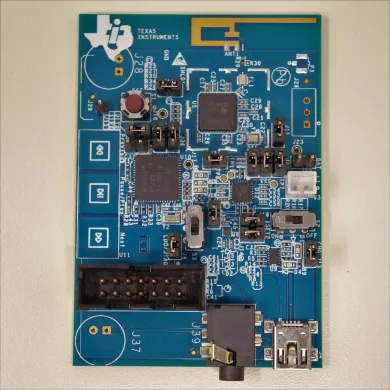
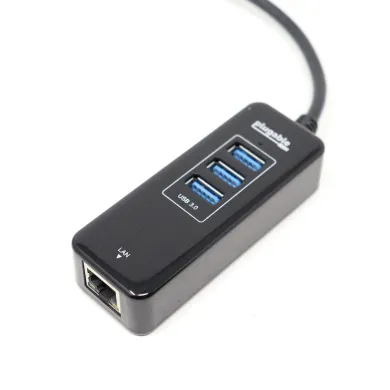
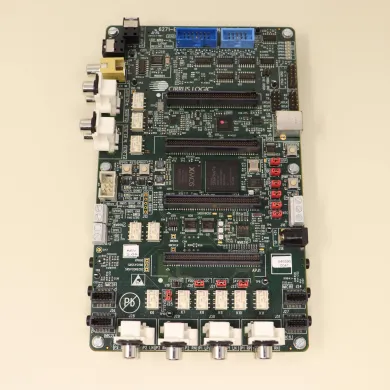
Not the exact instrument you need?
Tell our scientists what you are after. We track it down, including off-market supply.
Showing 1–40 of 113 listings
Show 40 more listingsBuying guide
The specification that settles an analyser purchase is the measurement band, because it decides whether the instrument can see what you need to see at all. A spectrum analyser rated to a few gigahertz will not help someone characterising a millimetre-wave link, and a network analyser calibrated for audio frequencies is the wrong tool for an RF filter. Read the frequency range first, then the resolution bandwidth or the dynamic range, depending on whether you are hunting small signals near large ones or measuring absolute levels. Everything downstream, the connector type, the port count, the available options, follows from getting that band right.
With that fixed, the second question is what you are buying into when the unit is used, and here it matters a great deal, because 97 percent of the listings are used. Calibration is the thing to verify. An analyser that has drifted out of spec still powers on and still draws a trace, so a clean display tells you nothing about whether the numbers under it are trustworthy. Ask when the instrument was last calibrated and against what standard, check that the options you are paying for are actually unlocked in the firmware, and confirm that any required probes or cables are included rather than assumed. On an older unit, the display and the fan are the parts that age first.
Price sits across a broad band. Units cost anywhere from EUR 1 to EUR 25.278, with an average around EUR 806. The low end of that range is accessories and simpler modulators; the instruments that carry the category, the signal and spectrum analysers, sit well up the scale. Buyers working to a budget will find that the used share is what makes the category reachable, since used and refurbished analysers listed for sale are more affordable than new equipment of the same class. Brand presence shapes the choice too: names such as APC, Lenovo, Powervar, Various, Cirrus Logic turn up repeatedly, and a model from a common line is easier to cross-check against a datasheet and easier to find spares for than an orphan from a maker who has left the market.
Types of Analysers
Networking analysers
Among the listings that specify a type, networking analysers are the largest group. These are instruments that sit on a data link and read what passes through it, measuring throughput, latency, packet loss and protocol behaviour on a wired or wireless network. A technician commissioning a site, or an engineer chasing an intermittent fault, reaches for one of these to see traffic the endpoints themselves cannot report. They differ from the signal and spectrum instruments further down this list in that they work at the level of the data stream rather than the raw waveform, so the output is counts and timings rather than a trace against frequency.
Audio modulators
Audio modulators generate and shape audio-band signals, impressing information onto a carrier or producing defined test tones for measurement. Where an analyser reads a signal, a modulator is on the other side of the bench producing one, which is why these appear in a test setup as the stimulus that an analyser then characterises. Broadcast engineers, audio-equipment developers and anyone validating a transmission chain use them to feed a known input and check what comes out. The audio emphasis sets them apart from the RF-oriented instruments here: the frequencies are those a person can hear, and the concern is fidelity and distortion rather than gigahertz-scale spectral content.
Communication analysers
Communication analysers test the links that carry voice and data, exercising a radio or a transceiver against a standard and reporting how well it conforms. One of these can emulate a base station, drive a device under test through its paces, and measure the quality of what comes back, which makes it the instrument of choice for servicing two-way radios, mobile equipment and other transmission gear. They overlap with signal analysers in that both deal in modulated signals, but the communication analyser is built around a protocol or an air interface and does the two-way work of testing a link end to end, not just observing a waveform.
Signal analysers
Signal analysers take an incoming signal and resolve it into amplitude, frequency and phase, letting an engineer see the structure of a modulated or complex waveform rather than just its level. They are the general-purpose characterisation tool of an RF or communications bench, used where someone needs to measure modulation quality, spurious content or the detail of a signal that a simpler meter would miss. The distinction from a spectrum analyser is one of emphasis: a signal analyser is built to decode and quantify what a signal is carrying, not only to show where energy sits across a band, though the two capabilities increasingly live in the same box.
Spectrum analysers
Spectrum analysers display signal power against frequency, so the operator sees at a glance what is present across a band and at what level. This is the classic instrument for finding interference, checking that a transmitter stays inside its allocation, or confirming that a circuit is not radiating where it should be silent. It differs from a signal analyser in intent: the spectrum analyser answers "what is on the air, and how strong", where the signal analyser goes on to ask "and what is it saying". Only a small number are listed in this category, which tends to place them toward the upper end of the price range when they do appear.
Frequently asked questions
What is an analyser?
An analyser is a test and measurement instrument that captures a signal, breaks it into its component parts, and reports what it finds. Depending on the type, that can mean the spectrum of a radio frequency, the response of a network, or the content of an audio waveform.
What does the term analyser mean?
The term refers to an instrument built to resolve a signal into measurable components rather than just read a single value. A multimeter tells you a voltage, while an analyser tells you the structure of what that voltage is carrying across frequency, time or protocol.
How do analysers work?
An analyser takes an incoming signal and separates it into components such as amplitude, frequency and phase, then displays or reports those results. A spectrum analyser plots power against frequency, a network analyser reads traffic on a data link, and a communication analyser exercises a radio against a standard and measures how it responds.
What types of analysers are there?
The types listed here include networking analysers, audio modulators, communication analysers, signal analysers and spectrum analysers. They differ by what they measure: networking analysers read data streams, audio modulators generate test tones, communication analysers test radio links, and signal and spectrum analysers characterise RF waveforms.
What are analysers used for?
They are used to commission and troubleshoot networks, validate transmission chains, service two-way radios and mobile equipment, find interference, and confirm that a transmitter stays inside its allocation. The specific use depends on the type, from reading network traffic to measuring the detail of a modulated signal.
How do I choose the right analyser?
Start with the measurement band, because it decides whether the instrument can see what you need to measure at all. Read the frequency range first, then the resolution bandwidth or dynamic range depending on whether you are hunting small signals near large ones or measuring absolute levels, and the connector type and port count follow from there.
What is the difference between a refurbished and a used analyser?
A used unit is sold in its current condition, while a refurbished unit has been checked and restored to working order before listing. For either, verify when the instrument was last calibrated and against what standard, since calibration matters more than cosmetic condition.
How much does an analyser cost?
Prices in this category run from EUR 1 to EUR 25.278, with an average around EUR 806. The low end covers accessories and simpler modulators, while signal and spectrum analysers sit well up the scale.
Which brands come up most in this category?
Names that appear repeatedly include APC, Lenovo, Powervar, Various and Cirrus Logic. A model from a common line is easier to cross-check against a datasheet and easier to find spares for than an orphan from a maker who has left the market.
Can I get a warranty on a refurbished analyser?
A warranty is often possible and is arranged in consultation for the specific listing. Terms are not set centrally, so check the individual listing and confirm what cover is offered before buying.
Are parts available for these analysers?
Parts can be sourced via Questpair. On an older unit, the display and the fan are the parts that age first, so it is worth confirming their condition before purchase.
How long does an analyser last?
A well-maintained analyser can stay in service for many years, with the display and cooling fan usually ageing before the measurement hardware. Regular calibration is what keeps the numbers trustworthy over that lifespan, since an instrument can power on and draw a trace long after it has drifted out of spec.
Should I buy a new or a refurbished analyser?
Used and refurbished analysers are listed at lower prices than new units of the same class, which is what makes this category reachable on a budget. Where you have to weigh the two, check the individual listing and confirm that warranty, calibration date and included probes or cables suit your needs.
Where can I buy an analyser?
On Questpair, 301 analyser listings are available from 12 verified suppliers and distributors across 9 countries. New, used and refurbished units are listed side by side.
What is the lead time and shipping on an analyser?
Lead time and shipping depend on the individual supplier and the unit's location, which varies across the countries represented here. Check the specific listing for availability, and contact Questpair if you need details confirmed before ordering.
How are analysers calibrated and maintained?
Calibration is the thing to verify on any analyser, because a clean display tells you nothing about whether the numbers under it are accurate. Ask when the instrument was last calibrated and against what standard, check that any firmware options you are paying for are unlocked, and keep the display and fan clean on older units.
Which types in this category are listed most, and who reaches for each?
Among listings that specify a type, networking analysers are the largest group, used by technicians commissioning a site or chasing an intermittent fault. Communication analysers serve those servicing two-way radios and mobile equipment, signal analysers are the general characterisation tool of an RF bench, and spectrum analysers appear in smaller numbers for finding interference and checking transmitter allocations.
Which brands dominate this category and what does that mean for a buyer?
APC, Lenovo, Powervar, Various and Cirrus Logic turn up repeatedly in the listings. For a buyer, a model from a line that recurs is easier to cross-check against a datasheet and easier to source spares for than one from a maker no longer active.
What separates the cheapest analysers here from the most expensive?
The low end of the range is accessories and simpler audio modulators, single items with a narrow function. The upper end is the signal and spectrum analysers that carry the category, instruments with wider measurement bands, more resolution and more firmware options, which is where the measurement band you need drives the price you pay.