

Power analysers
We personally find you the right used, refurbished and new power analysers instruments & equipment from verified suppliers.
Power analysers are instruments that measure, condition and protect the electrical supply feeding laboratory and industrial equipment, covering devices from uninterruptible power supplies to surge protectors and line conditioners. On Questpair, new, used and refurbished units are listed across 122 items from 3 verified suppliers and distributors in 3 countries. 100 percent of the listings are used. Prices range from EUR 17 to EUR 8.178, with an average around EUR 393. The equipment protects sensitive instruments against voltage sags, surges and outages that corrupt a reading or damage a controller. Buyers come from analytical laboratories, imaging suites and any setting where an unplanned power interruption carries real cost.
Updated:
Power analysers product list


Not the exact instrument you need?
Tell our scientists what you are after. We track it down, including off-market supply.
Buying guide
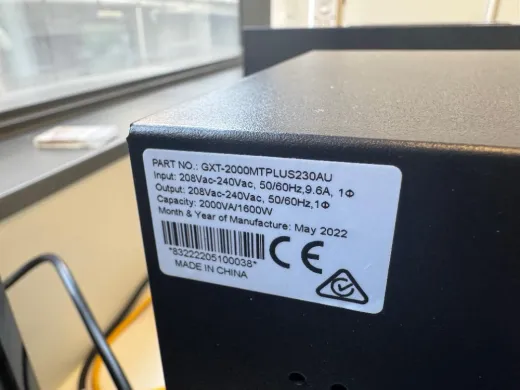
The load rating settles most of these purchases before anything else, so start there. A power protection unit is sized to the equipment it backs, and that sizing is given in two numbers that are not interchangeable: the apparent power in volt-amperes and the real power in watts. An instrument drawing 600 watts does not fit a unit rated 600 VA, because the VA figure runs ahead of the watt figure by the power factor of the load. Read both ratings on the datasheet, add the draw of everything on the circuit, and leave headroom for the inrush current a centrifuge motor or a cooling compressor pulls at startup. A unit that trips under that surge protects nothing.
Runtime follows from the rating but is a separate decision. A backup system holds the load only as long as its battery lasts, and that interval shrinks as the draw rises toward the rated ceiling. For a workstation logging data, a few minutes to save and shut down cleanly is often enough; for an incubator or a sample freezer, the question is whether anyone will be present to respond before the battery empties.
On a used unit, the battery is the part that ages, so verify it rather than the chassis. Lead-acid cells inside an uninterruptible supply lose capacity over three to five years whether the unit runs or sits, and a seller's "tested" rarely covers a full discharge cycle. Ask for the manufacture date on the cells, note that a replacement battery pack is a routine and sourceable part, and factor its cost into the comparison. These units are listed by verified suppliers and distributors, and warranty is arranged in consultation for the specific listing, so raise battery condition there before you commit.
Where price is concerned, the band here is wide. Units cost from EUR 17 to EUR 8.178, which separates a single desktop surge protector from a rack-mounted system backing a whole bench. What fits a budget depends on the load you measured first, not on the headline figure. Refurbished units listed for sale sit below new pricing, and for a protection device whose consumable part is a replaceable battery, that gap is often where the sensible purchase sits. The brands that dominate the listings, covered below, make it straightforward to find a replacement pack and to compare one model against another.
Types of Power analysers
Which power protection types are listed?
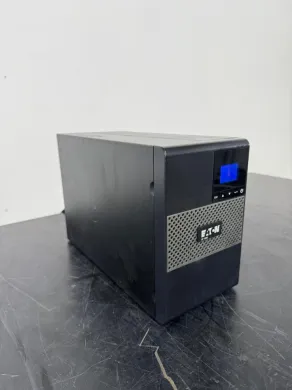
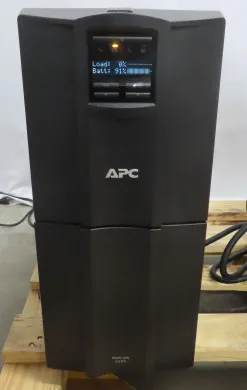
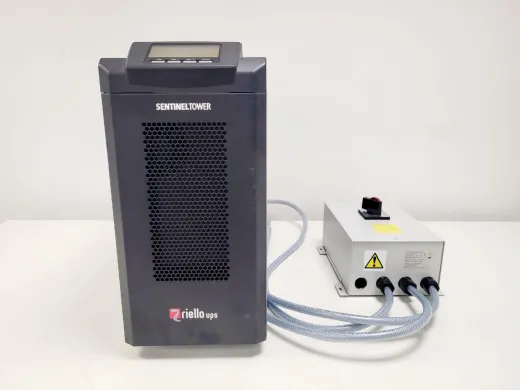
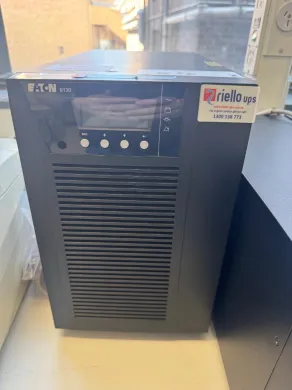
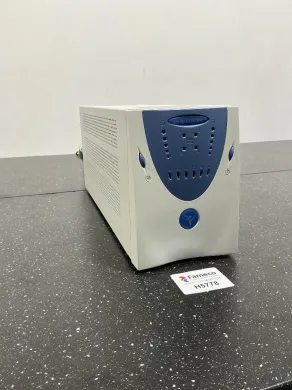
Among the listings that specify a type, the uninterruptible power supply, or UPS, is the most common. A UPS combines a battery and an inverter to carry the load through an outage without interruption, bridging the gap until mains returns or until equipment shuts down cleanly. Surge protectors sit at the simpler end, clamping transient voltage spikes but offering no ride-through when power fails, so they suit equipment that tolerates a brief drop. Between them sit power backup and battery backup systems, which pair standby batteries with switching that engages when the supply falters, and power protection systems that add line conditioning to smooth sustained sags and swells. The choice tracks what the protected equipment cannot tolerate: a momentary spike, a complete outage, or a drifting voltage that corrupts a long measurement.
In a laboratory, this equipment is what keeps an instrument running through the interruption that would otherwise ruin its work. A UPS backs the controllers and detectors of analytical instrumentation, holding a chromatography or spectroscopy run through a sag that would otherwise void hours of acquisition. Clean, uninterrupted power underpins molecular diagnostics and genomics workflows, where a thermal cycler mid-PCR or a sequencer mid-run cannot survive a dropout. Battery backup systems also protect the incubators and freezers that hold cell culture stocks and protein purification samples, where an outage of minutes costs weeks of work. The equipment serves no single research field of its own; it is the layer beneath all of them.
The brands behind the power analyser listings
The listings are led by APC, Powervar, PowerVar, Eaton, CyberPower. APC and Eaton are broad-line makers whose units appear across bench and rack formats, which makes replacement battery packs and comparable models easy to find second-hand. Powervar is associated with conditioned power for sensitive instrumentation, a point worth weighing where a measurement is sensitive to voltage drift rather than only to outright failure. CyberPower rounds out the field at accessible price points. For a buyer, a crowded brand field is an advantage: parts stay available, documentation is easy to source via Questpair, and one model can be compared against another on rating and runtime rather than guessed at.
What a used power analyser costs here
Every unit in the current catalogue is listed used, and prices run from EUR 17 to EUR 8.178. That spread covers the distance between a single surge protector and a rack-mounted backup system sized to a full bench, with the average near EUR 393. The consumable in all of these is the battery, a routine replaceable part, so the sensible comparison weighs the listed price against the age of the cells inside. Where a buyer needs to weigh a used unit against new, the price difference is the clear one: used units are listed below new pricing, and warranty on any given unit is arranged in consultation for that listing.
Frequently asked questions
What is a power analyser?
In this category, a power analyser refers to equipment that measures, conditions and protects the electrical supply feeding laboratory and industrial instruments. The listings cover devices such as uninterruptible power supplies, surge protectors and line conditioners rather than handheld meters alone.
What does power analyser mean in this context?
It is a grouping term for power protection and conditioning hardware used to keep sensitive instruments running through voltage disturbances. The devices here guard against sags, surges and outages that could corrupt a reading or damage a controller.
How do these power protection devices work?
A UPS pairs a battery with an inverter to carry the load through an outage, switching over fast enough that connected equipment never sees the interruption. Surge protectors clamp transient spikes, while line conditioners smooth sustained voltage sags and swells so a long measurement is not disturbed.
What types are listed in this category?
The listings include uninterruptible power supplies, surge protectors, power backup systems, power protection systems, battery backup systems and battery backup units. Each addresses a different fault: a spike, a full outage, or a drifting voltage.
What are these units used for?
They hold instruments running through a power disturbance that would otherwise ruin their work, such as a chromatography run, a thermal cycler mid-PCR or a sequencer mid-run. Battery backup systems also protect incubators and freezers where an outage of minutes can cost weeks of stored samples.
How do I choose the right unit?
Start with the load rating, given in two figures that are not interchangeable: apparent power in volt-amperes and real power in watts. Add the draw of everything on the circuit, leave headroom for inrush from motors or compressors, then decide how much runtime you need before clean shutdown.
What is the difference between refurbished and used?
Used describes a unit sold in its working condition as received, while refurbished means it has been checked and reconditioned before listing. In both cases the battery is the part that ages, so ask about the condition and manufacture date of the cells regardless of the label.
How much does a power analyser cost here?
Prices in this category range from EUR 17 to EUR 8.178, with the average near EUR 393. That spread reflects the distance between a single desktop surge protector and a rack-mounted system sized to back a whole bench.
Which brands show up most in these listings?
The listings are led by APC, Powervar, Eaton and CyberPower. APC and Eaton appear across bench and rack formats, Powervar is associated with conditioned power for sensitive instrumentation, and CyberPower sits at more accessible price points.
Is there a warranty on a refurbished unit?
A warranty is often possible and is arranged in consultation for the specific listing. Raise it with the supplier before you commit, and ask that it cover the battery condition as well as the chassis.
Can I get replacement parts, such as a new battery pack?
The battery is the consumable in these devices and is a routine, replaceable part. Parts can be sourced via Questpair, and the crowded brand field here means packs for common models are widely available second-hand.
How long does one of these units last?
The chassis and electronics typically outlast several battery sets. Lead-acid cells inside a UPS lose capacity over roughly three to five years whether the unit runs or sits, so expect to replace the battery periodically rather than the whole device.
Should I buy new or used?
Used and refurbished units are listed below new pricing, and for a device whose main consumable is a replaceable battery that gap is often where the sensible purchase sits. Weigh the listed price against the age of the cells inside, and confirm warranty in consultation for the listing.
Where can I buy one?
The units in this category are listed on Questpair by verified suppliers and distributors across 3 suppliers in 3 countries. You can compare models on rating and runtime directly within the catalogue.
What about lead time and shipping?
Lead time and shipping are set by the supplier holding the individual listing, since they vary by location and stock. Check the specific listing and ask the supplier for a dispatch estimate before ordering.
What calibration and maintenance do these need?
The main maintenance task is periodic battery replacement as the cells lose capacity, plus occasional testing of the switchover under load. A seller's claim that a unit is tested rarely covers a full discharge cycle, so verify runtime against the battery age.
Which types are listed most, and who reaches for each?
Among listings that specify a type, the uninterruptible power supply is the most common, chosen where equipment cannot survive any dropout such as a sequencer or thermal cycler. Surge protectors suit equipment that tolerates a brief drop, while battery backup systems are reached for by labs protecting incubators and freezers.
What does the brand mix mean for a buyer?
With APC, Powervar, Eaton and CyberPower all well represented, a buyer can compare one model against another on rating and runtime rather than guess. A crowded brand field also keeps replacement battery packs and documentation easy to source.
What separates the cheapest units from the most expensive here?
The bottom of the band is a single desktop surge protector that clamps spikes but offers no ride-through, while the top is a rack-mounted backup or power protection system sized to carry a full bench through an outage. The difference is load capacity, runtime and whether the unit conditions voltage or only reacts to failure, not brand prestige.