

Water filtration equipment
We personally find you the right used, refurbished and new water filtration equipment from verified suppliers.
Water filtration equipment is the class of laboratory apparatus that removes dissolved ions, organic compounds, particulates and microorganisms from feed water to produce water of a defined purity grade. In a laboratory, this equipment spans benchtop purifiers, ultrapure polishing units and the monitoring instruments that confirm the water meets its specification. The Questpair catalogue holds 136 listings of water filtration equipment from 15 verified suppliers and distributors across 8 countries, in new, used and refurbished condition. Of those listings, 80 percent are used. Prices run from EUR 9 to EUR 28.409, a spread that separates a replacement cartridge from a complete multi-stage purification system.
Updated:
Water filtration equipment product list


Not the exact instrument you need?
Tell our scientists what you are after. We track it down, including off-market supply.
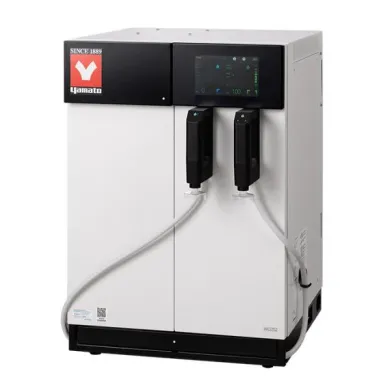
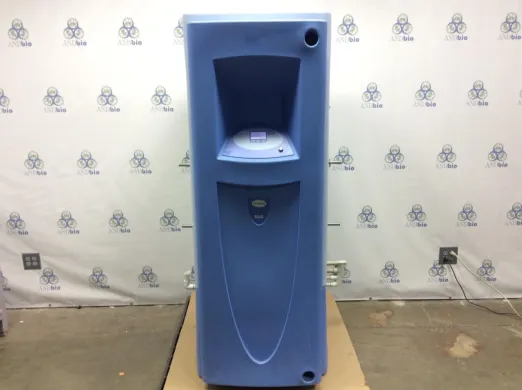
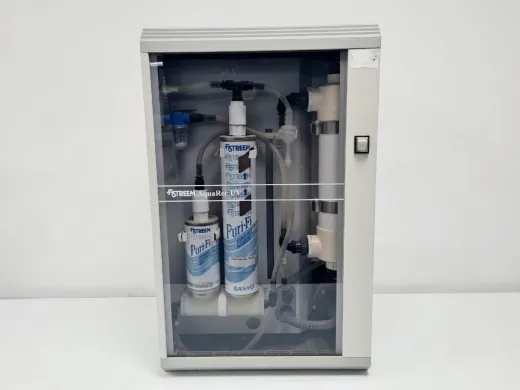
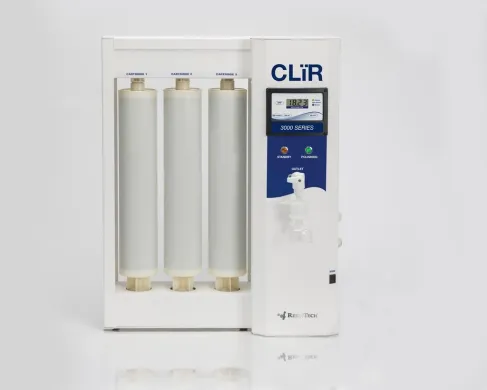
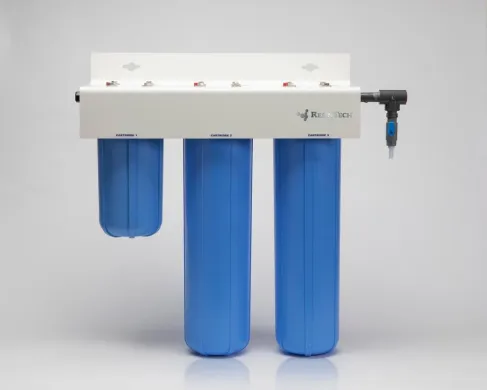
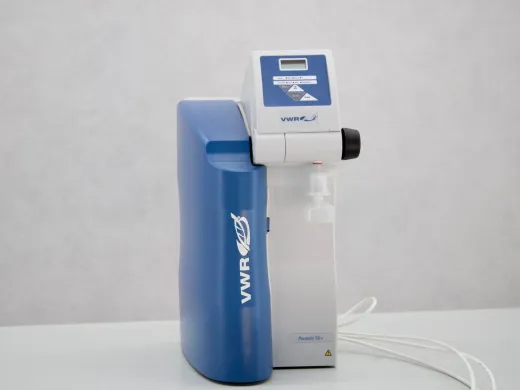
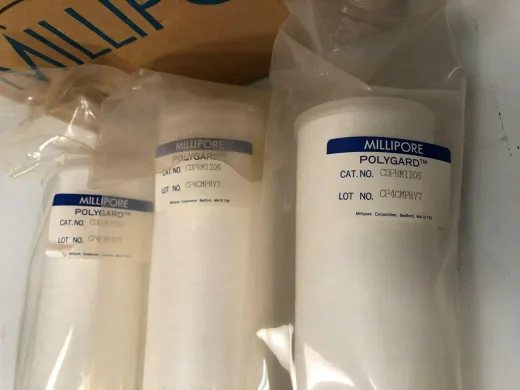
Not the exact instrument you need?
Tell our scientists what you are after. We track it down, including off-market supply.
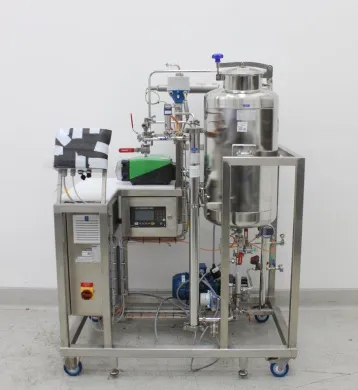
Showing 1–40 of 97 listings
Show 40 more listingsBuying guide
The specification that settles a water filtration purchase is the water grade the instrument is built to deliver, because everything downstream of it follows from that one figure. Laboratory water is classified by resistivity and by the level of total organic carbon, and a unit sized for Type III wash water is a different machine from one polishing to the 18.2 MΩcm of Type I ultrapure. A buyer who matches the grade to the actual application, cell culture and HPLC need ultrapure, a glassware washer does not, avoids paying for polishing stages that the work never uses. Daily volume is the second half of the same decision: a unit rated for the right grade but the wrong throughput either runs dry or cycles constantly, and the cartridge replacement interval scales with both.
On a used system the parts that wear are consumables, and their state is what a buyer has to verify before committing. Filtration cartridges, reverse-osmosis membranes and polishing packs have a finite life measured in litres processed or months in service, and a unit sold without its service history is a unit whose remaining capacity is unknown. The figure to establish is when the current consumables were last changed and whether replacements are still manufactured for that model, since an obsolete cartridge format can cost more over a year than the instrument did. Any resistivity or TOC monitor built into the unit also drifts and benefits from recalibration, so confirm whether the readout has been checked against a reference.
Where the price band sits is visible in the catalogue itself: listings range from EUR 9 to EUR 28.409, with an average around EUR 3.846. The low end covers cartridges, replacement parts and simple deionising columns; the high end is reserved for complete ultrapure systems with integrated monitoring and large-volume reservoirs. For a buyer working to a fixed budget, the used share of the catalogue is where most of the affordable stock sits, since units listed for sale second-hand cost less than their new equivalents. The brands behind the range are Yamato, Millipore, Hach, Hydra, ELGA, which span the whole spectrum from monitoring instruments to full purification trains, so the cost of a given unit tracks its grade and throughput rather than the name on it.
Types of Water filtration equipment
Which water filtration systems are listed here?
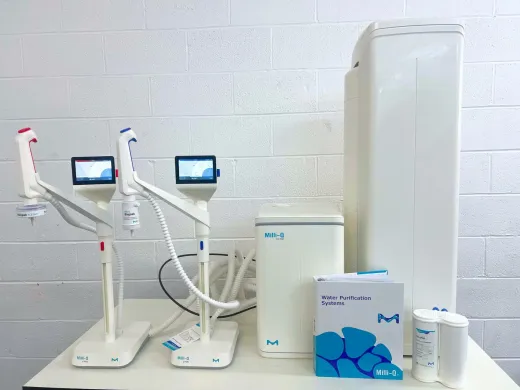
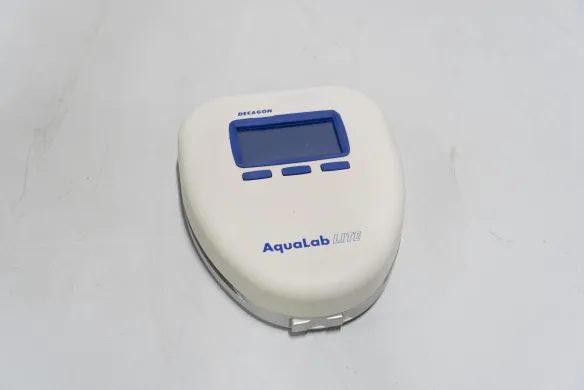
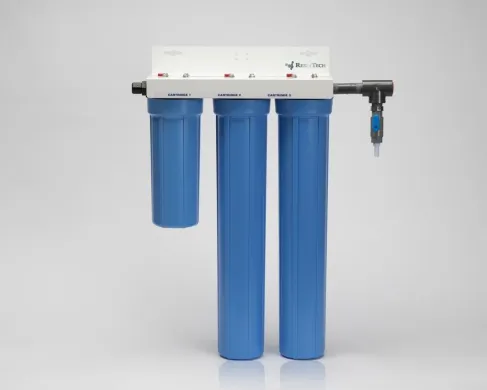
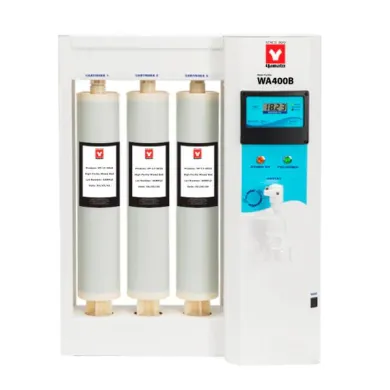
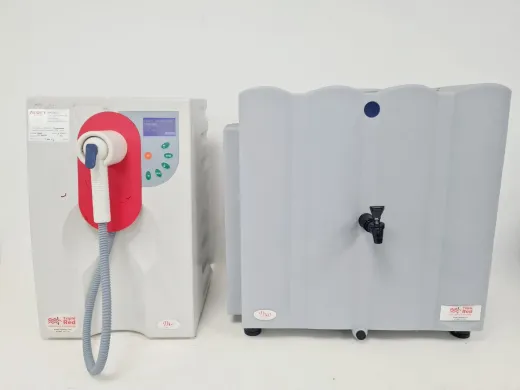
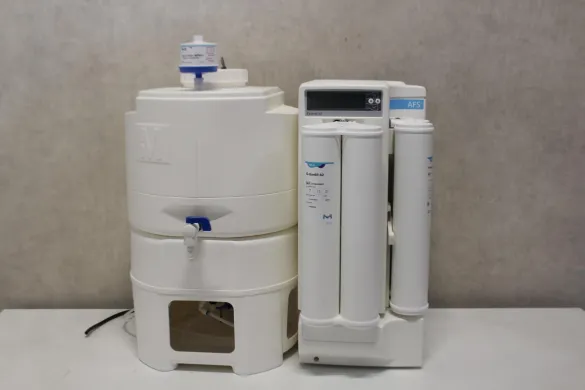
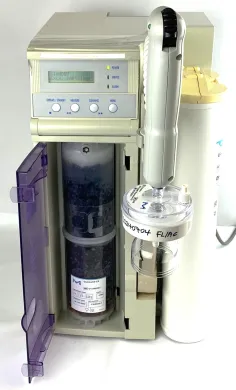
Among the listings that specify a type, the most common are water purification system, ultrapure water system, laboratory water purification system, water quality monitoring system, deionized water system, ultrapure water purification system. These separate along the purity grade they target. A general water purification system produces reagent-grade water for routine rinsing, media preparation and feeding autoclaves. An ultrapure water system, sometimes listed as an ultrapure water purification system, polishes that output to the highest resistivity and the lowest organic carbon, the water demanded by sensitive instrumental work. A deionized water system strips ions through ion-exchange resin and sits between the two on both price and performance. The laboratory water purification system is the integrated unit that combines pretreatment, reverse osmosis and polishing in one cabinet.
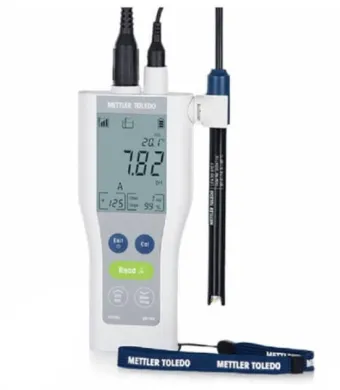
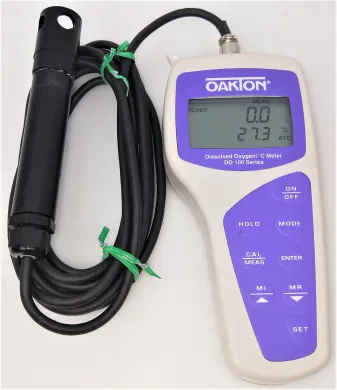
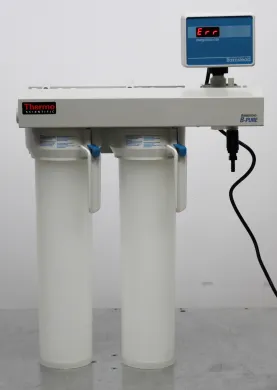
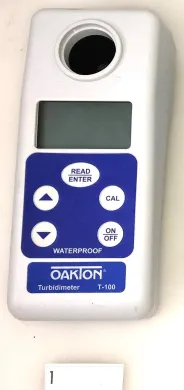
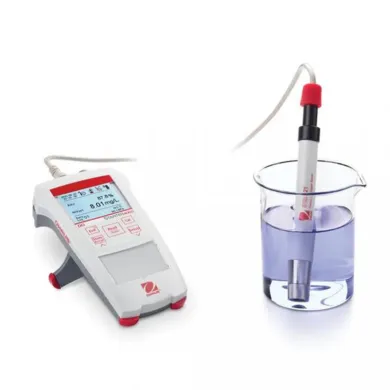
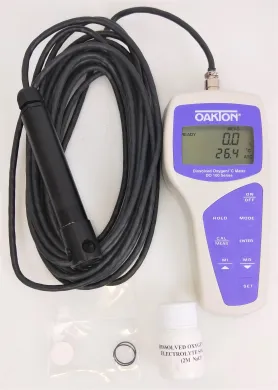
Ultrapure water underpins a great deal of molecular biology, because trace ions and nucleases in feed water ruin the result: it is the make-up water for buffers in protein purification, for the mobile phase in chromatography, and for the reagents in genomics and proteomics workflows. Type I water is also used for mammalian cell culture media and for the wash steps in an immunoassay, where any contaminant carries straight into the readout. The water quality monitoring system is the instrument class that confirms this: inline resistivity and TOC meters that verify the water meets specification before it reaches a diagnostic or molecular diagnostics assay. Laboratory water purification for cell culture and ultrapure water systems for HPLC are the two applications that drive most of the demand at the top of this range.
The brands behind the water filtration listings
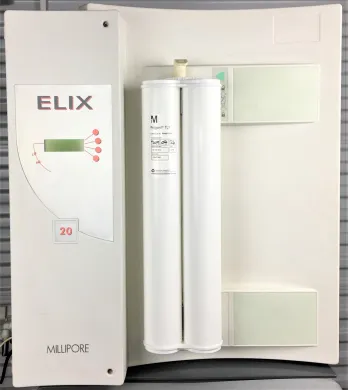
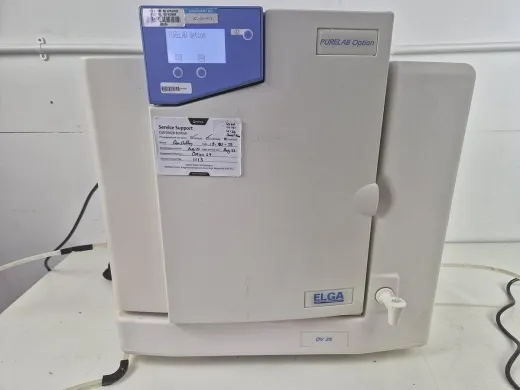
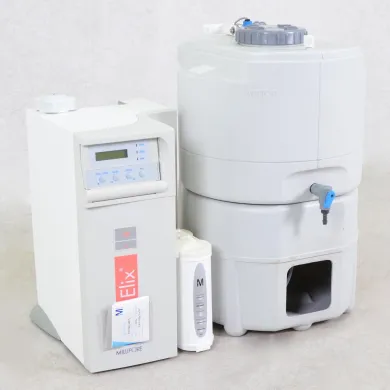
The catalogue is led by Yamato, Millipore, Hach, Hydra, ELGA. Their presence shapes what a buyer can do with a listing. Millipore and ELGA are purification specialists whose systems are widely documented, so a given model is easy to compare against its datasheet and its consumables are a known quantity. Hach sits on the monitoring side, supplying the meters that check water quality rather than produce it. Yamato and Hydra broaden the range into general-purpose units. Because these names recur across the listings, replacement cartridges and membranes for them are more readily sourced, and a buyer can line up two used units of the same family and compare them on throughput and grade rather than guessing.
What a used water filtration system costs here
Of the listings, 80 percent are used. Prices range from EUR 9 to EUR 28.409. That spread covers everything from a single consumable to a complete multi-stage purification train, which is why the average of EUR 3.846 says more about the mix than about any one unit. Units listed for sale second-hand are priced below their new equivalents, and most of the stock in the catalogue is used, so a buyer working to a budget has the widest choice there.
Frequently asked questions
What is water filtration equipment?
It is the class of laboratory apparatus that removes dissolved ions, organic compounds, particulates and microorganisms from feed water to produce water at a defined purity grade. It ranges from benchtop purifiers to ultrapure polishing units and the monitoring instruments that confirm the water meets its specification.
What does water filtration equipment mean in a lab context?
In a laboratory it refers to the units that condition feed water into a usable grade, classified by resistivity and total organic carbon. The term covers both the machines that produce the water and the inline meters that verify it.
How does water filtration equipment work?
Feed water passes through stages such as pretreatment, reverse osmosis, ion-exchange resin and final polishing, each removing a different class of contaminant. A unit targeting ultrapure water adds a polishing step to reach the highest resistivity and lowest organic carbon, while a deionising system relies mainly on ion-exchange resin.
What types of water filtration equipment are there?
The types listed here include water purification system, ultrapure water system, laboratory water purification system, water quality monitoring system, deionized water system and ultrapure water purification system. They separate by the purity grade they target, from reagent-grade water for routine work to Type I ultrapure for sensitive instrumental analysis.
What is water filtration equipment used for?
It produces water for rinsing, media preparation, buffers, chromatography mobile phases and reagents across molecular biology, genomics and cell culture. Ultrapure water is the make-up water for applications where trace ions or nucleases would ruin the result, such as HPLC and cell culture media, while monitoring systems confirm the water meets spec before use.
How do I choose water filtration equipment?
Start with the water grade your application actually needs, since cell culture and HPLC require ultrapure while a glassware washer does not, and match that to your daily volume. A unit rated for the right grade but the wrong throughput either runs dry or cycles constantly, so size both together.
What is the difference between refurbished and used water filtration equipment?
Used describes a unit sold in its current condition, while refurbished implies some work has been done to return it to function. Both are listed below the price of their new equivalents; check the individual listing for the condition described and the state of its consumables.
How much does water filtration equipment cost?
Prices in the catalogue run from EUR 9 to EUR 28.409, with an average around EUR 3.846. That spread separates a single replacement cartridge from a complete multi-stage purification system, so the average reflects the mix rather than any one unit.
Which brands make water filtration equipment?
The catalogue is led by Yamato, Millipore, Hach, Hydra and ELGA. Millipore and ELGA are purification specialists, Hach supplies water quality monitoring meters, and Yamato and Hydra broaden the range into general-purpose units.
Is there a warranty on refurbished water filtration equipment?
A warranty is often possible and is arranged in consultation for the specific listing. Terms are not set centrally, so check the listing you are considering.
Can I still get parts for these systems?
Filtration cartridges, reverse-osmosis membranes and polishing packs can be sourced via Questpair. Before buying a used unit, confirm whether replacement consumables are still manufactured for that model, since an obsolete cartridge format can cost more over a year than the instrument did.
How long does water filtration equipment last?
The main unit can run for many years, but the consumables inside it have a finite life measured in litres processed or months in service. Cartridges, membranes and polishing packs are the parts that wear, and their replacement interval scales with grade and throughput.
Should I buy new or used water filtration equipment?
Used and refurbished units are listed at lower prices than new, and the used share is where the widest budget choice sits. Where you have to weigh the two, compare the individual listing, verify the state of its consumables, and note that warranty is arranged in consultation.
Where can I buy water filtration equipment?
The Questpair catalogue holds 136 listings from 15 verified suppliers and distributors across 8 countries, in new, used and refurbished condition. You can compare units of the same family on throughput and grade within the catalogue.
What is the lead time and shipping on these units?
Lead time and shipping depend on the individual supplier and the listing, so they vary across the catalogue. For a specific unit, contact Questpair and specialists respond within one hour.
What calibration and maintenance does water filtration equipment need?
Consumables need periodic replacement on a schedule tied to litres processed or time in service, and any built-in resistivity or TOC monitor drifts and benefits from recalibration against a reference. On a used unit, confirm when the current consumables were last changed and whether the readout has been checked.
Which types are listed most here, and who reaches for which?
The common types are water purification system, ultrapure water system, laboratory water purification system, water quality monitoring system, deionized water system and ultrapure water purification system. A general purification system suits routine rinsing and media prep, ultrapure units serve molecular biology, chromatography and cell culture, deionised systems sit between the two, and monitoring systems are chosen by labs that need to verify the grade before an assay.
Which brands dominate this category and what does that mean for a buyer?
Yamato, Millipore, Hach, Hydra and ELGA recur across the listings. Because these names come up repeatedly, their cartridges and membranes are more readily sourced, and a buyer can line up two used units of the same family and compare them on documented throughput and grade rather than guessing.
What separates the bottom of the price band here from the top?
The low end covers cartridges, replacement parts and simple deionising columns, while the high end is reserved for complete ultrapure systems with integrated monitoring and large-volume reservoirs. The cost of a given unit tracks its grade and throughput rather than the name on it.