

Ultraviolet systems
We personally find you the right used, refurbished and new ultraviolet systems from verified suppliers.
Ultraviolet systems are laboratory instruments that generate or apply ultraviolet light for a defined purpose, most often to bond nucleic acids to a membrane, to visualise them in a gel, or to sterilise a surface. The category spans benchtop crosslinkers, transilluminators and hand-held UV lamps, and across the Questpair catalogue 218 of them are listed from 14 verified suppliers and distributors in 10 countries. New, used and refurbished units all appear here. Among the current listings, 99 percent are used. Prices stretch from EUR 1 to EUR 6.500, which separates a replacement bulb from a complete instrument. The dominant brands are UVP, Analytik Jena, Keyence, Stratagene, Spectroline.
Updated:
Ultraviolet systems product list


Not the exact instrument you need?
Tell our scientists what you are after. We track it down, including off-market supply.
Not the exact instrument you need?
Tell our scientists what you are after. We track it down, including off-market supply.
Showing 1–40 of 121 listings
Show 40 more listingsBuying guide
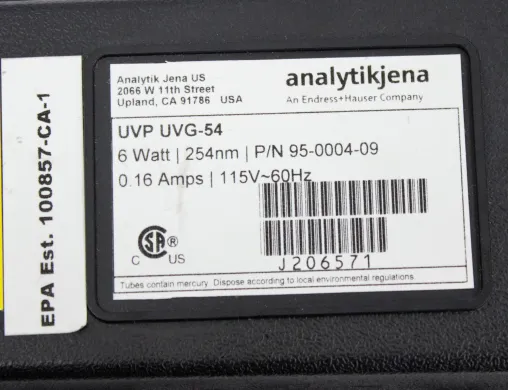
The wavelength a unit produces is the specification that decides most purchases, because it is fixed by the bulb and the work has to match it. Short-wave UV at 254 nanometres is what crosslinks nucleic acids to a membrane and what sterilises; 302 and 365 nanometres are the transillumination and fluorescence bands, where ethidium bromide and most gel stains excite. A crosslinker and a transilluminator are not interchangeable on wavelength alone, so confirm the emission band against the protocol before anything else, and check whether the unit delivers a timed energy dose in millijoules or simply runs for a set time, since a crosslinking protocol is written in energy, not minutes.
On a used unit the lamp is the part that ages, and it ages whether or not the instrument is run. UV output falls over the hours of use and bulbs lose intensity long before they fail outright, so a crosslinker that no longer reaches its stated dose will under-bind a membrane without any visible fault. Ask for lamp hours where a counter exists, and treat a replacement bulb as a near-certain first cost on an older instrument. The filter glass on a transilluminator scratches and yellows, which dims the image, and that glass is worth inspecting because it is not always a stocked spare. Parts can be sourced via Questpair where a replacement is needed.
Price reflects what you are buying rather than condition alone. A hand-held lamp or a loose bulb sits near the floor of the range, a benchtop crosslinker or transilluminator in the middle, and a complete imaging station with a camera and enclosure toward the top. The budget a buyer sets should therefore follow the type, not an average across all of them. Units listed for sale used are more affordable than new, which is the whole of why this catalogue runs so heavily toward used stock, and the brands that fill it, UVP, Stratagene and Spectroline among them, keep resale values predictable because their models are well documented and easy to compare. Warranty, where wanted, is arranged in consultation for the specific listing.
Types of Ultraviolet systems
Which ultraviolet systems are listed here?
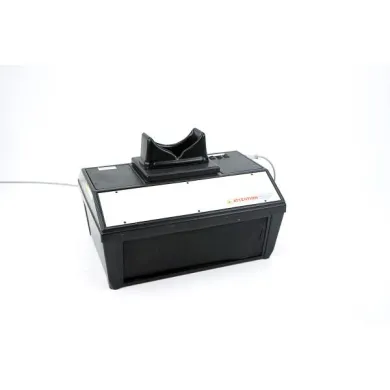
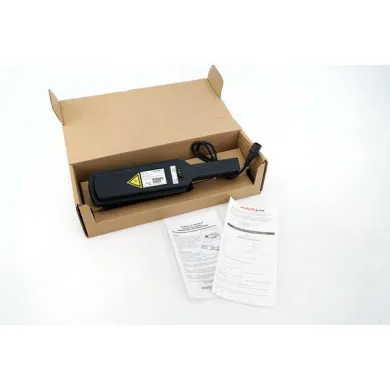
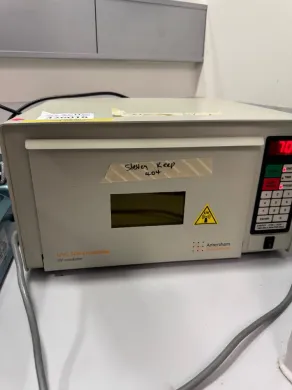
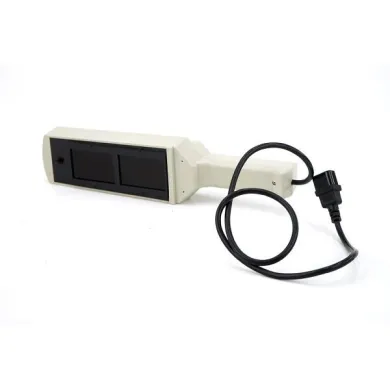
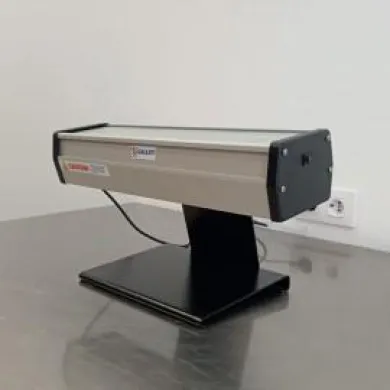
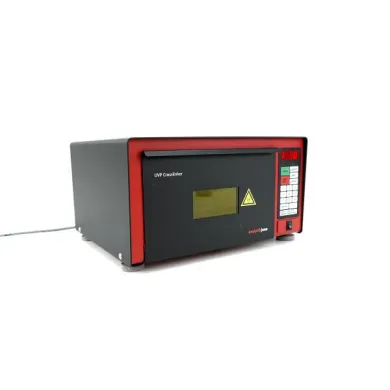
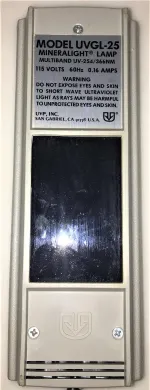
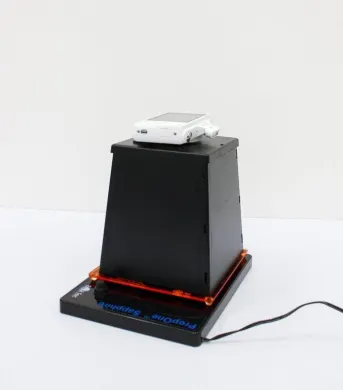
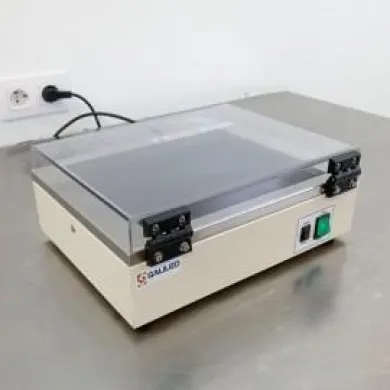
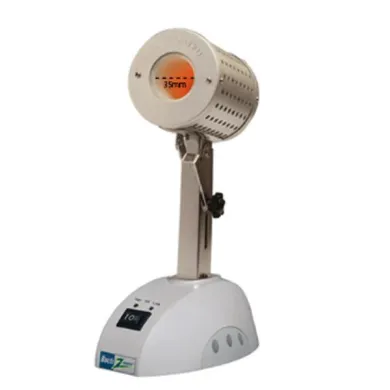
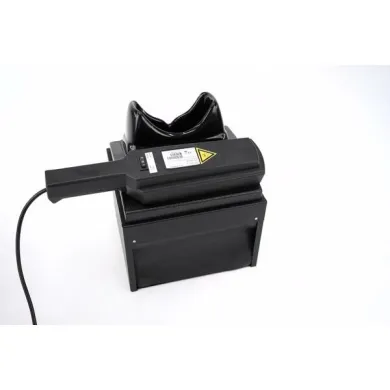
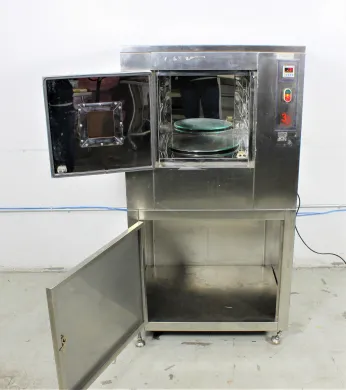
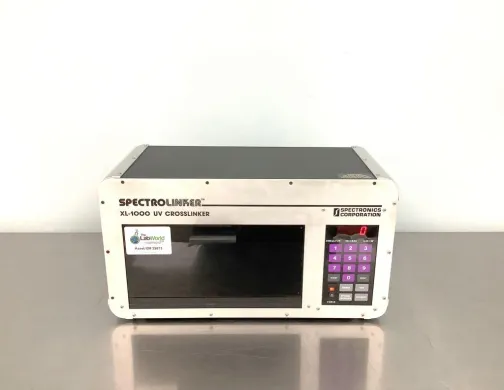
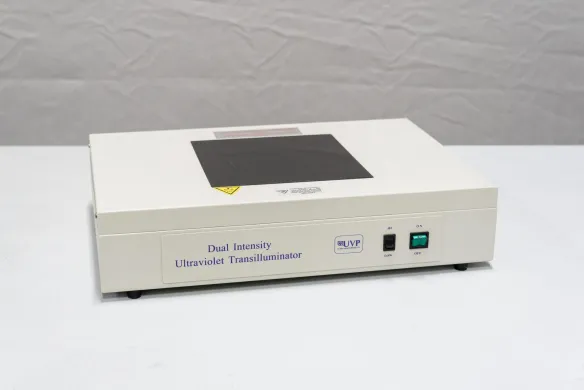
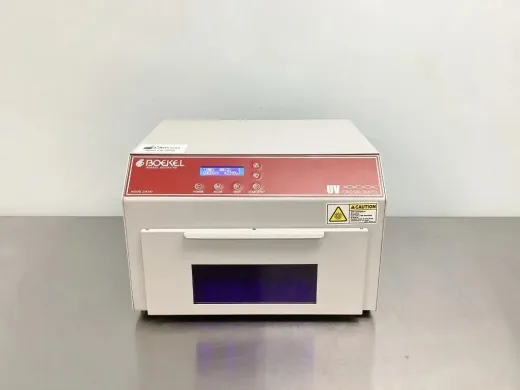
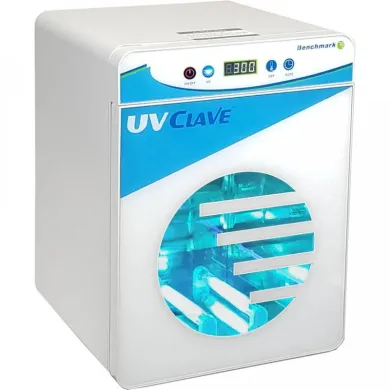
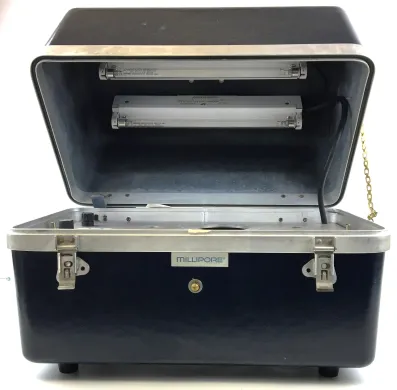
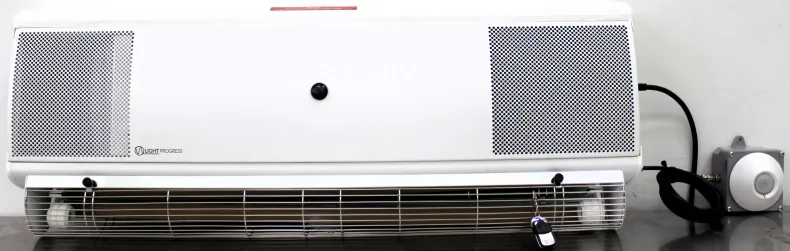
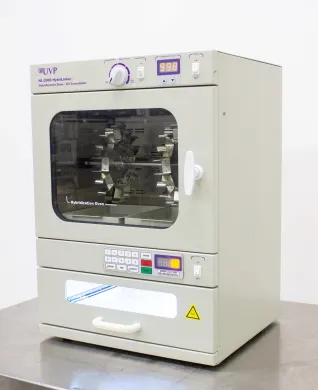
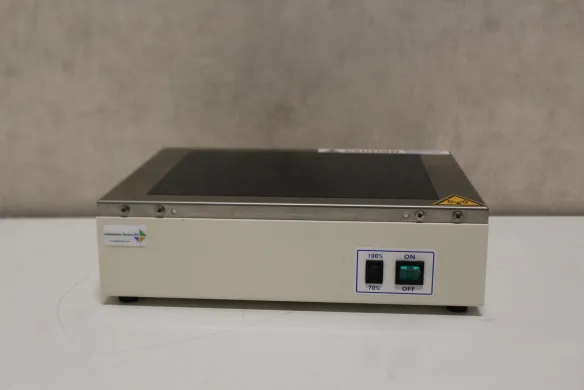
Among the listings that specify a type, the catalogue divides into a few recognisable groups. UV crosslinkers are enclosed chambers that deliver a measured dose of 254 nanometre light to fix DNA or RNA onto a nylon or nitrocellulose membrane after transfer; they are the instrument of Southern, northern and dot blotting, and the listings here also appear under nucleic acid crosslinker and DNA/RNA crosslinker, which describe the same machine by the work it does. UV transilluminators are flat light boxes that shine 302 or 365 nanometre light up through a gel so stained bands fluoresce for photography, the standard read-out step in gel electrophoresis. UV lamps are the simpler tools, hand-held or stand-mounted sources used for spot inspection, fluorescence checks and small-scale sterilisation. The grouping labelled molecular biology equipment collects the chambered instruments whose main job is nucleic acid work.
These instruments do the quiet handling steps of molecular biology rather than the measurement. A crosslinker is where a membrane is made ready for hybridisation, so UV crosslinking for nucleic acid blotting is part of nearly every gene expression and genomics workflow that runs a blot. A transilluminator is the imaging end of DNA gel electrophoresis, also used for protein gels stained with UV-excitable dyes and for checking PCR products before a cloning step. Short-wave UV sources are also used for sterilising small working surfaces in cell culture and microbiology, where a brief 254 nanometre exposure decontaminates a cabinet interior. None of these is a detector in its own right; they prepare or illuminate the sample so another instrument, or a camera, can record it.
The brands behind the ultraviolet listings
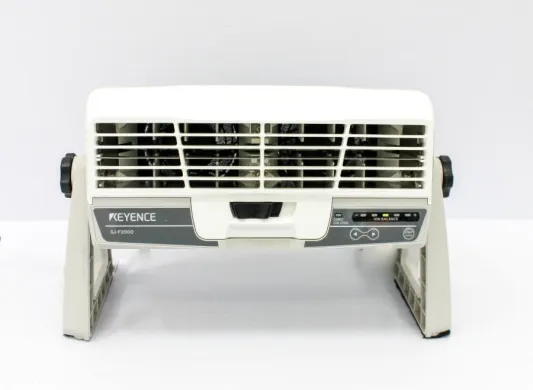
The names that recur are UVP, Analytik Jena, Keyence, Stratagene, Spectroline. For a buyer this concentration is useful: UVP and Spectroline crosslinkers and transilluminators are common enough that bulbs and filter glass circulate as spares, Stratagene crosslinkers are a long-established reference that many protocols were written around, and Analytik Jena now carries the former UVP line, which keeps documentation and part numbers traceable. Keyence appears for the inspection and fluorescence end of the catalogue. A well-represented model is an easier model to compare on price and to match to an existing protocol, which matters more on used equipment than on new.
What a used ultraviolet system costs here
New, used and refurbished units are all listed, and 99 percent of the listings are used. Prices run from EUR 1 to EUR 6.500. That spread covers everything from a single replacement bulb at the low end to a complete imaging enclosure at the high end, with the chambered crosslinkers and benchtop transilluminators sitting between them.
Frequently asked questions
What is an ultraviolet system?
An ultraviolet system is a laboratory instrument that generates or applies ultraviolet light for a defined task, such as bonding nucleic acids to a membrane, visualising DNA bands in a gel, or sterilising a surface. The category includes benchtop crosslinkers, transilluminators and hand-held UV lamps.
What does ultraviolet system mean in a lab context?
It refers to any benchtop or hand-held instrument whose function is to emit UV light at a specific wavelength for molecular biology or decontamination work. The term covers crosslinkers, transilluminators and UV lamps rather than any single machine.
How do ultraviolet systems work?
They use a UV bulb that emits light at a fixed wavelength, typically 254 nanometres for crosslinking and sterilisation or 302 and 365 nanometres for transillumination and fluorescence. A crosslinker delivers a measured energy dose in millijoules to fix nucleic acids to a membrane, while a transilluminator shines light up through a gel so stained bands fluoresce.
What types of ultraviolet systems are there?
The main groups are UV crosslinkers (also listed as nucleic acid crosslinkers and DNA/RNA crosslinkers), UV transilluminators, and UV lamps. A broader grouping labelled molecular biology equipment collects the chambered instruments used for nucleic acid work.
What are ultraviolet systems used for?
Crosslinkers prepare a membrane for hybridisation in Southern, northern and dot blotting; transilluminators image stained DNA gels and check PCR products; and hand-held UV lamps handle spot inspection, fluorescence checks and small-scale sterilisation of surfaces such as a cabinet interior. None of them is a detector, so they prepare or illuminate a sample that another instrument or camera then records.
How do I choose an ultraviolet system?
Start with the wavelength, since it is fixed by the bulb and must match the work: 254 nanometres for crosslinking and sterilisation, 302 or 365 nanometres for transillumination and fluorescence. For a crosslinker, also confirm whether it delivers a timed energy dose in millijoules rather than just running for a set time, because crosslinking protocols are written in energy.
What is the difference between refurbished and used ultraviolet systems?
A used unit is sold in its current working condition, while a refurbished unit has been checked and brought back toward working order before sale. Both are listed here at lower prices than new; check the individual listing for the condition described and what it includes.
How much does an ultraviolet system cost?
Prices across the catalogue range from EUR 1 to EUR 6.500, with an average of EUR 655. The low end is a replacement bulb or hand-held lamp, the middle is a benchtop crosslinker or transilluminator, and the top is a complete imaging enclosure.
Which brands of ultraviolet systems are available?
The recurring names are UVP, Analytik Jena, Keyence, Stratagene and Spectroline. UVP and Spectroline cover crosslinkers and transilluminators, Stratagene crosslinkers are a long-established protocol reference, Analytik Jena now carries the former UVP line, and Keyence appears at the inspection and fluorescence end.
Is there a warranty on a refurbished ultraviolet system?
A warranty is often possible and is arranged in consultation for the specific listing. Check the listing itself and confirm terms before purchase.
Can I still get parts for these instruments?
Bulbs and filter glass for well-represented models such as UVP and Spectroline circulate as spares, which is one reason those lines are easier to keep running. Parts can be sourced via Questpair where a replacement is needed.
How long does an ultraviolet system last?
The instrument body lasts for years, but the UV bulb is the consumable part and loses intensity over its hours of use, degrading even when idle. A transilluminator's filter glass also scratches and yellows over time, which dims the image.
New versus refurbished: which should I buy?
Used and refurbished units are listed at lower prices than new, which is the main practical difference to weigh. On any older unit, budget for a replacement bulb as a likely first cost, and for warranty refer to the specific listing since terms are arranged in consultation.
Where can I buy an ultraviolet system?
They are listed on Questpair from 14 verified suppliers and distributors across 10 countries, with 218 units in the catalogue. New, used and refurbished options all appear.
What are the lead time and shipping like?
Lead time and shipping depend on the individual listing, the supplier and the destination country. Check the listing for its details, or contact Questpair specialists, who respond within one hour.
How are these systems calibrated and maintained?
Maintenance centres on the bulb, since UV output falls before a bulb fails outright and a crosslinker that no longer reaches its stated dose will under-bind a membrane without a visible fault. Ask for lamp hours where a counter exists, and inspect transilluminator filter glass for scratches and yellowing, as that glass is not always a stocked spare.
Which types here are most listed, and who reaches for each?
UV crosslinkers (also labelled nucleic acid and DNA/RNA crosslinkers) are chosen by anyone running blots in gene expression and genomics work, transilluminators go to labs imaging DNA gels and checking PCR products, and hand-held UV lamps suit spot inspection and small-scale sterilisation. The molecular biology equipment grouping collects the chambered crosslinkers.
Which brands dominate this category and what does that mean for a buyer?
UVP, Stratagene and Spectroline fill much of the catalogue, with Analytik Jena carrying the former UVP line and Keyence at the inspection end. A well-represented model is easier to compare on price, match to an existing protocol, and find spare bulbs or filter glass for, which matters more on used equipment than on new.
What separates the cheapest ultraviolet systems from the most expensive here?
The gap reflects what you are buying rather than condition alone. A loose bulb or hand-held lamp sits near EUR 1, a benchtop crosslinker or transilluminator in the middle, and a complete imaging station with a camera and enclosure toward EUR 6.500.