Price on request
In stock
Can't find what you're looking for?
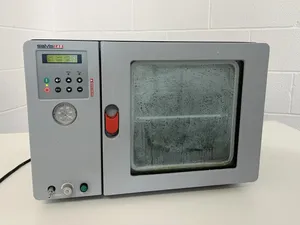
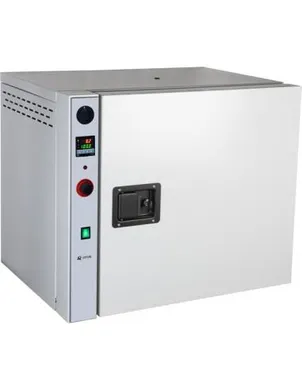
SalvisLab VC-20 vacuum oven for heat-sensitive sample drying, with 20 L chamber, 200 °C maximum temperature and one aluminium shelf.
The SalvisLab VC-20 vacuum oven is a benchtop drying oven for heat-sensitive products in a dust-free vacuum atmosphere. It is suited to chemical and electrical engineering applications and is also used for sample drying in life sciences laboratories.
The oven includes one aluminium shelf. The removable shelf supports sample placement and cleaning. The 20 litre chamber can accommodate up to three shelves.
The used unit has a temperature range from 5 °C above ambient to 200 °C. Fuzzy-logic temperature ramping controls heating uniformity and helps reduce thermal shock. A double-glazed window provides visibility into the chamber. The spring-loaded door latch opens slightly if over-pressure occurs.
The SalvisLab VC-20 is a compact benchtop vacuum oven for drying heat-sensitive products in a dust-free vacuum atmosphere. It is suited to chemical and electrical engineering and is also used for sample drying in life sciences laboratories.
The unit is used and includes one aluminium shelf.
The temperature range begins at 5 °C above ambient, which supports drying of heat-sensitive products without sub-ambient operation. The 200 °C upper limit covers elevated-temperature drying within the stated range.
The removable shelf supports cleaning between processes. The chamber accommodates up to three shelves, allowing shelf positions to be configured for separate loads within the 20 litre interior.
Lab equipment markets are fragmented. Buyers spend weeks calling distributors, comparing quotes, and verifying supplier reliability. Sellers struggle to reach global research labs.
We built Questpair to fix this. Every supplier on the platform is verified before listing. Every quote you receive comes from a real, vetted seller. AI prepares your case in minutes, then a real specialist takes over.
We're an independent team based in The Netherlands, working with research labs and procurement teams across Europe and worldwide.
With a service contract, ten to fifteen years is normal for most benchtop instruments. Detectors and pumps are the parts that wear first.
Often, yes. Verified suppliers frequently work with service partners converting the instrument. If applicable, we can list servicing options alongside the offer.
Ask a scientist through the request button. Parts are often available even when the instrument itself is discontinued.
Two to six weeks, depending on refurbishment scope and whether calibration is included.
We ship to 38 countries. Crating and customs handling are quoted with the instrument.
Tell us what you need and a scientist finds it for you, usually within the hour.
Last updated 28 November 2026
Questpair lists 274 similar items in Ovens, going up to around €14,000.