Price on request
In stock
Can't find what you're looking for?
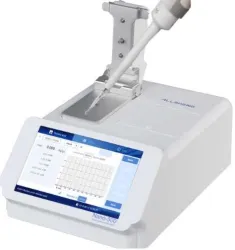
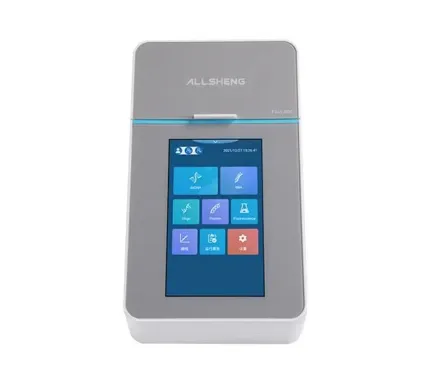
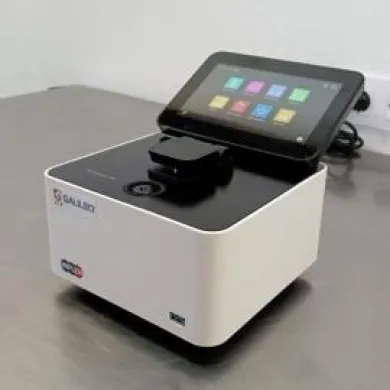
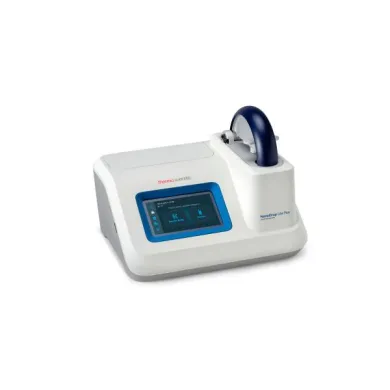
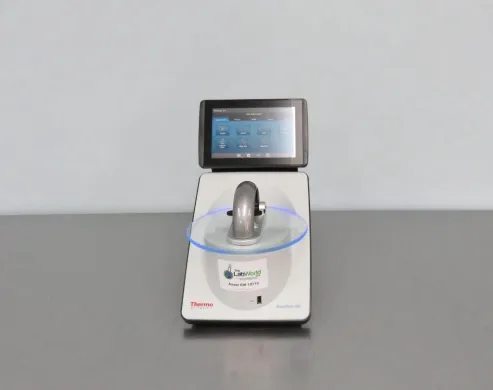
ALLSHENG Nano-500B microvolume fluorometer and spectrophotometer with UV-Vis 200 to 800 nm range, fluorescence, and 0.5 to 2 μL samples.
The ALLSHENG Nano-500B microvolume fluorometer and spectrophotometer measures UV-Vis absorbance and fluorescence for nucleic acid quantification, molecular biology laboratories, and OD600 cell density measurements.
The Nano-500B uses microvolume and combi-cuvette measurement formats. Its fluorescence configuration uses 460 ± 20 nm excitation and 525 to 570 nm emission wavelengths.
The unit is offered as used. It is described as new equipment in its original packaging and has a 2023 manufacturing year.
The ALLSHENG Nano-500B combines microvolume UV-Vis spectrophotometry, cuvette measurements, and fluorescence analysis in one benchtop instrument. It is suited to nucleic acid quantification, dsDNA analysis, and OD600 measurements used in molecular biology laboratories.
The specification also lists a xenon flash lamp under light source and life.
The unit is offered as used, is described as new equipment in its original packaging, and was manufactured in 2023.
The 0.5 to 2 μL minimum sample size supports measurements where sample volume is limited. The recommended 2 μL volume provides the specified operating reference for microvolume analysis.
The 200 to 800 nm wavelength range covers UV-Vis measurements, while the fluorescence configuration targets blue excitation and green to yellow emission. The dsDNA detection range of 2 to 15,000 ng/μL supports both low and high concentration nucleic acid samples.
A detection time below 6 seconds supports rapid absorbance or fluorescence readings. The instrument also provides OD600 measurements across an absorbance range of 0 to 4.000 Abs for cell density analysis.
Lab equipment markets are fragmented. Buyers spend weeks calling distributors, comparing quotes, and verifying supplier reliability. Sellers struggle to reach global research labs.
We built Questpair to fix this. Every supplier on the platform is verified before listing. Every quote you receive comes from a real, vetted seller. AI prepares your case in minutes, then a real specialist takes over.
We're an independent team based in The Netherlands, working with research labs and procurement teams across Europe and worldwide.
With a service contract, ten to fifteen years is normal for most benchtop instruments. Detectors and pumps are the parts that wear first.
Often, yes. Verified suppliers frequently work with service partners converting the instrument. If applicable, we can list servicing options alongside the offer.
Ask a scientist through the request button. Parts are often available even when the instrument itself is discontinued.
Two to six weeks, depending on refurbishment scope and whether calibration is included.
We ship to 38 countries. Crating and customs handling are quoted with the instrument.
Tell us what you need and a scientist finds it for you, usually within the hour.
Last updated 7 November 2026
The middle half of the 400 with a price runs from €285 to €5,199.