

Objectives
We personally find you the right used, refurbished and new objectives instruments & equipment from verified suppliers.
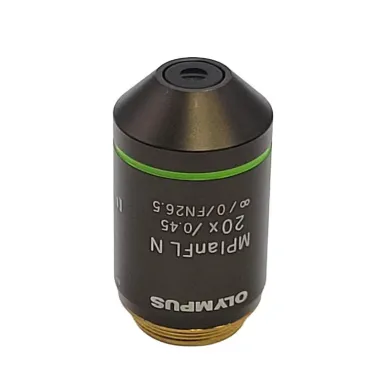
Objectives are the lens assemblies at the business end of a microscope, the component that gathers light from the specimen and forms the magnified image the eyepiece or camera then relays. An objective is defined by three numbers engraved on its barrel: magnification, numerical aperture, which sets resolving power and light collection, and the tube length or infinity marking it was computed for. The Questpair catalogue holds 272 objective listings from 10 verified suppliers across 5 countries, offered new, used and refurbished for laboratory microscopy. Of those, 98 percent of the listings are used. Prices range from EUR 40 to EUR 23.500, a spread that separates a single achromat from a complete apochromatic set.
Updated:
Objectives product list
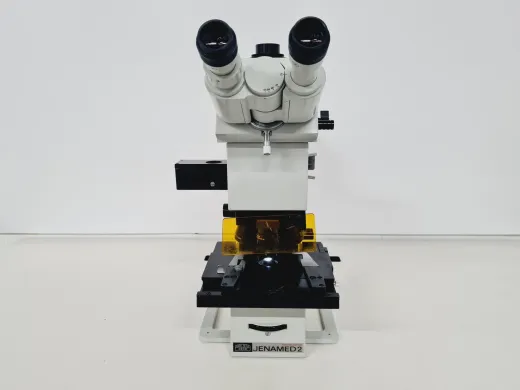
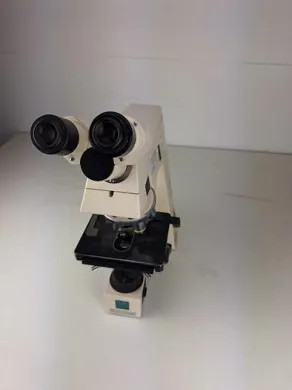
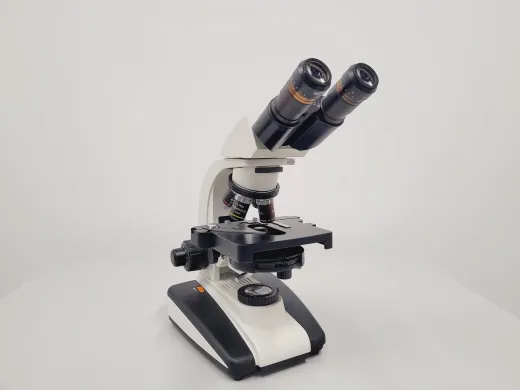
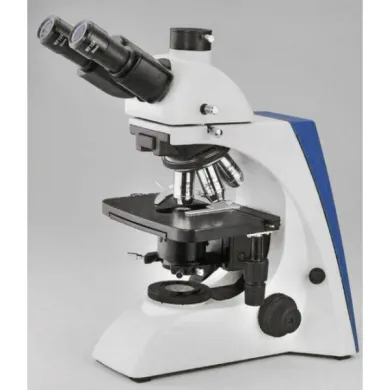
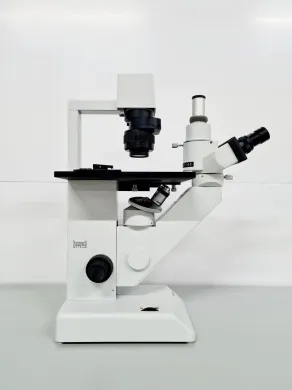
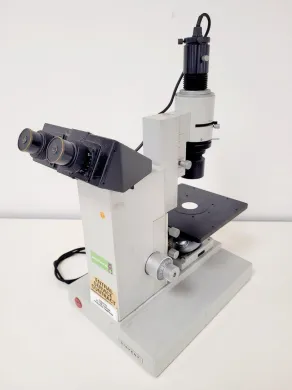
Carl Zeiss Jenamed 2 Microscope with 5 Objectives
- Category
- Objectives
- Brand
- Zeiss
- Suppliers
- 1 verified
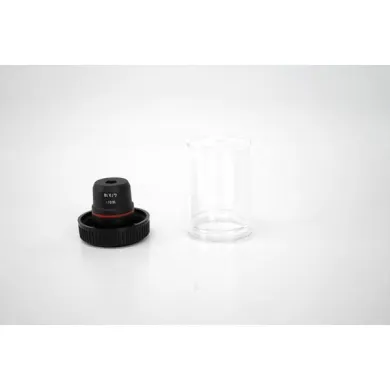
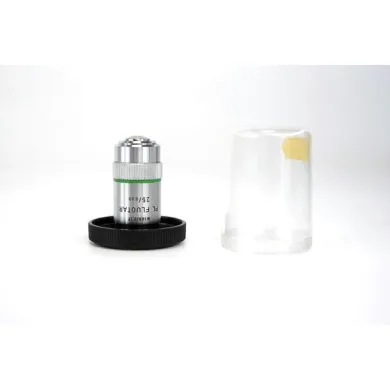
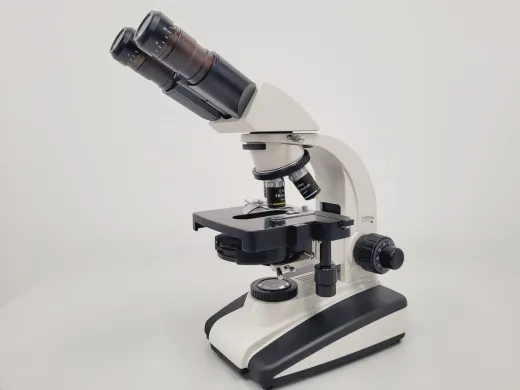


Not the exact instrument you need?
Tell our scientists what you are after. We track it down, including off-market supply.
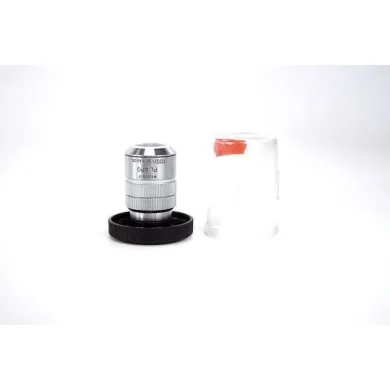
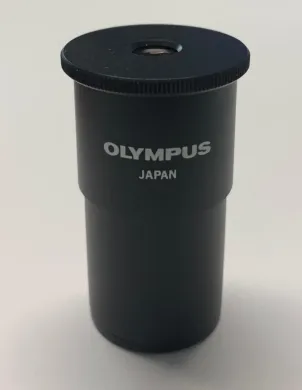
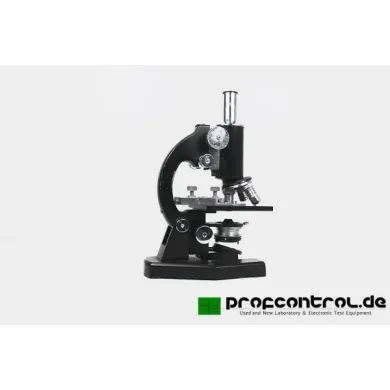
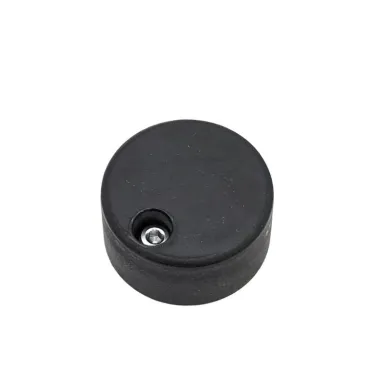
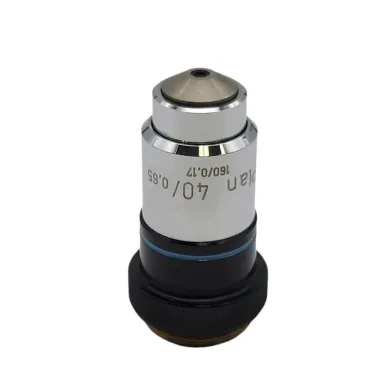
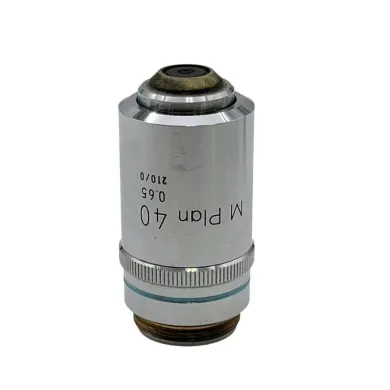
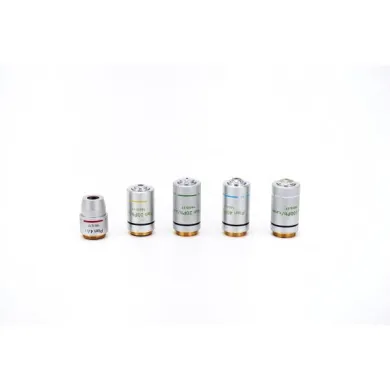
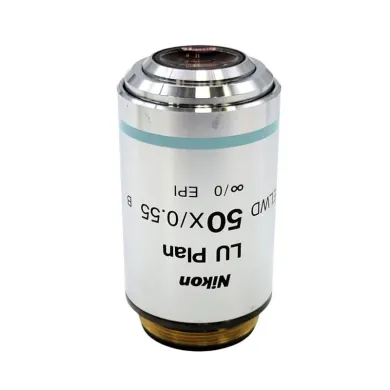
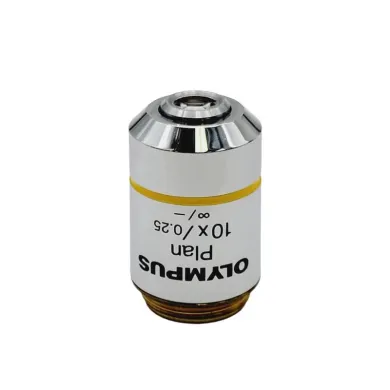
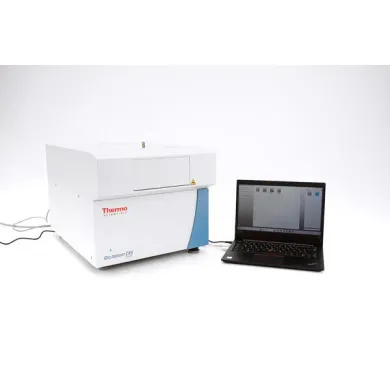
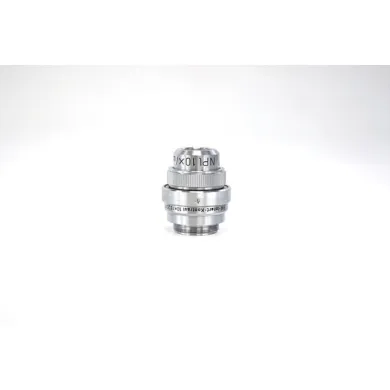
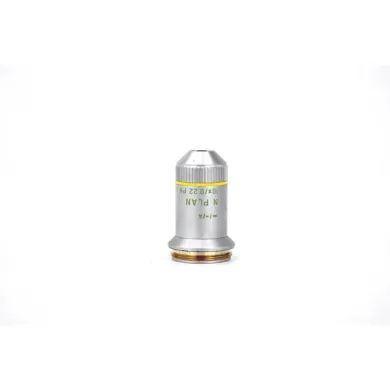
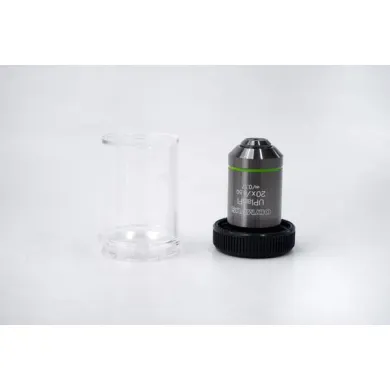
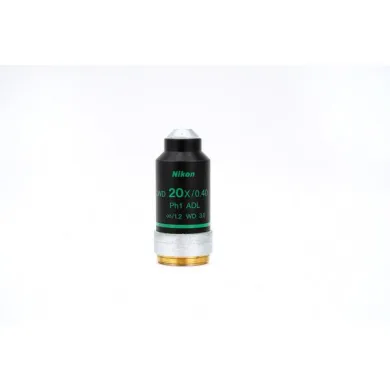
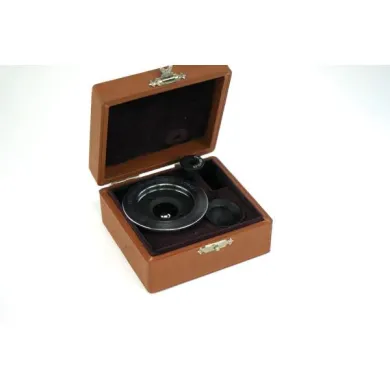
Leitz Wetzlar D 0.80/Oel 100 + D1.20 Lens
- Category
- Objectives
- Brand
- Leica
- Suppliers
- 1 verified
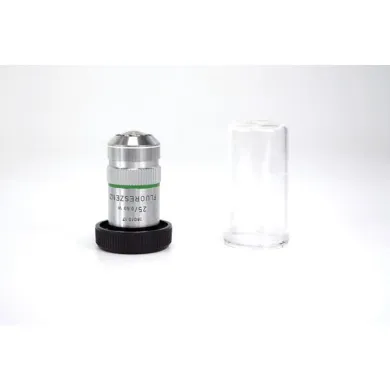
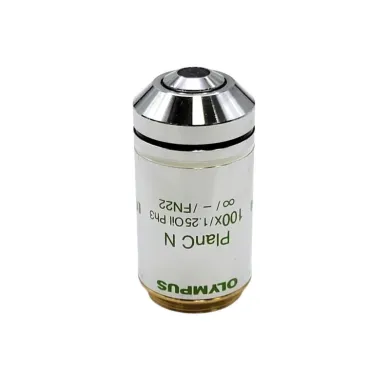
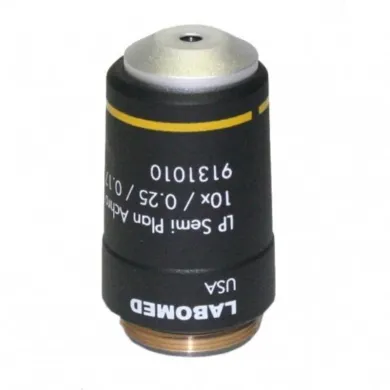
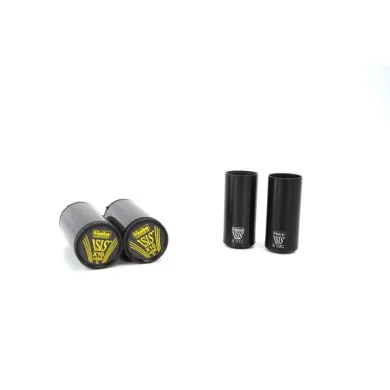
Not the exact instrument you need?
Tell our scientists what you are after. We track it down, including off-market supply.
Showing 1–40 of 504 listings
Show 40 more listingsBuying guide
What settles an objective purchase is the optical correction class, because it dictates both the image a buyer gets and the price paid. An achromat corrects for two wavelengths and suits routine brightfield work; a plan achromat flattens the field so the edges stay sharp, which matters for photomicrography; an apochromat corrects three or more wavelengths and carries a high numerical aperture for demanding fluorescence and oil-immersion imaging. Reading the engraving tells a buyer which they are looking at, and a mismatch here cannot be corrected downstream, so the correction class is the first thing to pin down.
Mount and optical system come next, and this is where a used objective most often goes wrong. Objectives are not universally interchangeable: an objective computed for a 160 mm finite tube length will not focus correctly on an infinity-corrected stand, and the thread or bayonet mount has to match the nosepiece. Zeiss, Olympus, Nikon and Leica each ran their own standards across generations, so a bare objective bought without its parent microscope in mind can prove optically incompatible even when it threads in physically. On a used unit, verify the front lens and internal elements are free of fungus, separation and scratches, that the correction collar and iris, where fitted, still move, and that any immersion objective has not had its front element etched by dried oil. The engraving should still be legible, since an unreadable magnification or numerical aperture leaves a buyer guessing.
The 98 percent used share is what makes the price band wide, running from EUR 40 to EUR 23.500 with an average near EUR 1.173. What a basic achromat costs sits at the low end; a modern plan apochromat or a matched set occupies the upper reaches, and the brands that dominate this range are Zeiss, Olympus, Nikon, Leica, Leitz Wetzlar. A refurbished objective, cleaned and inspected, listed for sale here is more affordable than new while carrying the same optical formula, which is why used units fit a constrained budget without forcing a compromise on correction class. Warranty is arranged in consultation for the specific listing, so a buyer weighing two comparable objectives should read what each individual seller offers rather than assume a blanket term.
Types of Objectives
Which objective types are listed here?
Among the listings that specify a type, the catalogue leans toward objectives fitted to a particular class of stand rather than to a particular discipline. Optical and compound microscope objectives make up the general-purpose bulk, the lenses that thread into a conventional upright or inverted nosepiece. Laboratory and biological microscope objectives overlap heavily with these but are specified for transmitted-light work on stained or wet specimens, the kind of imaging that underpins histology, microbiology and cell culture screening. Research microscope objectives sit a tier up: higher numerical aperture, apochromatic correction, and the immersion designs used in fluorescence microscopy and cell imaging. A buyer working in molecular diagnostics or genomics reaches for these when counting fluorophores rather than reading morphology. The microscope objective lens entries cover bare or replacement optics sold without a host instrument. These objectives for fluorescence microscopy and oil-immersion biological microscopy are where the life-sciences work concentrates, from protein localisation to live-cell imaging, and the field form, microscopy, is what ties every one of these types together.
The brands behind the objective listings
The listings are dominated by Zeiss, Olympus, Nikon, Leica, Leitz Wetzlar. For a buyer, that concentration is useful rather than incidental. These five makers set the optical standards that everyone else matched, so documentation and spare front lenses are more findable for them, parts can be sourced via Questpair, and one Zeiss or Olympus objective can be compared against another of the same series with confidence. It also means mount and tube-length conventions cluster into a handful of known systems, which narrows the compatibility question a buyer has to answer. Leitz Wetzlar optics, the older Leica lineage, turn up as the vintage end of that same spread.
What a used objective costs here
The condition mix is heavily weighted: 98 percent of the listings are used. Prices run from EUR 40 to EUR 23.500. That spread covers everything from a single finite-tube achromat to a matched apochromatic set still in its case, and the average near EUR 1.173 sits well below the top because the catalogue is built from individual pre-owned optics rather than new sets. Verified suppliers and distributors across 5 countries supply the listings, and used objectives are offered at lower prices than new, which is what gives a buyer on a fixed budget access to apochromatic correction that would otherwise price out.
Frequently asked questions
What is an objective on a microscope?
An objective is the lens assembly closest to the specimen that gathers light and forms the magnified image the eyepiece or camera then relays. It is defined by three engraved values: magnification, numerical aperture, and the tube length or infinity marking it was computed for.
What does the numerical aperture on an objective mean?
Numerical aperture, engraved on the barrel next to the magnification, sets the resolving power and the amount of light the objective collects. A higher numerical aperture resolves finer detail and gathers more light, which is why demanding fluorescence and immersion work relies on high-NA optics.
How do microscope objectives work?
Light passing through or reflecting off the specimen enters the objective's front element, and the internal lens group corrects aberrations and projects a magnified real image up the tube. The correction class and numerical aperture determine how faithfully that image reproduces colour, field flatness and fine detail.
What types of objectives are listed in this category?
The catalogue covers optical microscope, laboratory microscope, biological microscope, research microscope, compound microscope objectives and bare microscope objective lenses. Optical and compound objectives are the general-purpose bulk, laboratory and biological objectives are specified for transmitted-light work, and research objectives carry higher numerical aperture and apochromatic correction for fluorescence and immersion imaging.
What are microscope objectives used for?
They provide the primary magnification for brightfield, transmitted-light, fluorescence and oil-immersion microscopy. Routine achromats serve histology, microbiology and cell culture screening, while high-NA apochromats support fluorophore counting, protein localisation and live-cell imaging in molecular diagnostics and genomics.
How do I choose the right objective?
Start with the optical correction class, since it dictates both image quality and price and cannot be fixed downstream. Then confirm the mount and the optical system match your stand, because an objective computed for a 160 mm finite tube will not focus on an infinity-corrected microscope even if it threads in.
What is the difference between an achromat, a plan achromat and an apochromat?
An achromat corrects for two wavelengths and suits routine brightfield work. A plan achromat adds a flat field so edges stay sharp for photomicrography, and an apochromat corrects three or more wavelengths with a high numerical aperture for fluorescence and oil-immersion imaging. The engraving tells you which class you are looking at.
What is the difference between a refurbished and a used objective?
A used objective is sold in its existing condition, while a refurbished one has been cleaned and inspected before listing. Both carry the same optical formula as when new, and both are listed at lower prices than new units.
How much does an objective cost?
Listings range from EUR 40 to EUR 23.500, with an average near EUR 1.173. A single finite-tube achromat sits at the low end, while a modern plan apochromat or a matched set occupies the upper reaches.
Which brands dominate the objective listings?
The listings are dominated by Zeiss, Olympus, Nikon, Leica and Leitz Wetzlar. Leitz Wetzlar optics represent the older Leica lineage and turn up at the vintage end of the range.
Is a warranty available on a refurbished objective?
A warranty is often possible and is arranged in consultation for the specific listing. Because terms differ between sellers, read what each individual listing offers when weighing two comparable objectives.
Can I get spare parts or a replacement front lens for an objective?
Parts, including spare front lenses, can be sourced via Questpair, and documentation for the dominant brands is more findable because they set the optical standards others matched. Contact Questpair and specialists respond within one hour.
How long does a microscope objective last?
An objective with intact glass and functioning mechanics can remain serviceable for decades, which is why vintage lenses still appear in the listings. Lifespan is cut short by fungus, element separation, scratches on the front lens, or an immersion front etched by dried oil, so condition matters more than age.
Should I buy a new or a used objective?
Used and refurbished objectives are listed at lower prices than new ones while carrying the same optical formula, which gives a buyer on a fixed budget access to apochromatic correction that might otherwise price out. For either, warranty is arranged in consultation for the specific listing, so compare what each seller offers.
Where can I buy an objective?
The Questpair catalogue holds 272 objective listings from 10 verified suppliers and distributors across 5 countries. They are offered new, used and refurbished for laboratory microscopy.
What are the lead time and shipping on an objective?
Lead time and shipping depend on the individual supplier and the country the listing ships from, and the catalogue spans suppliers across 5 countries. Check the specific listing or contact Questpair, where specialists respond within one hour.
How do I maintain and check the calibration of a used objective?
Before buying, verify the front lens and internal elements are free of fungus, separation and scratches, that any correction collar and iris still move, and that an immersion front has not been etched by dried oil. Confirm the engraving is legible, since an unreadable magnification or numerical aperture leaves you guessing about the optics.
Which objective types are listed most and who reaches for each?
Optical and compound microscope objectives form the general-purpose bulk for upright and inverted nosepieces. Laboratory and biological objectives go to histology, microbiology and cell culture screening on transmitted light, while research objectives with high NA and apochromatic correction are what molecular diagnostics and genomics users reach for when counting fluorophores rather than reading morphology.
What separates the cheapest objectives here from the most expensive?
The low end is a single finite-tube achromat corrected for two wavelengths; the high end is a plan apochromat or a complete matched set with three-or-more-wavelength correction and high numerical aperture. Correction class and whether the lens is sold singly or as a set account for most of the spread between EUR 40 and EUR 23.500.