

Microscope accessories
We personally find you the right used, refurbished and new microscope accessories instruments & equipment from verified suppliers.
Microscope accessories are the lenses, mounts, illumination parts and add-on components that extend or adapt a microscope rather than function as a standalone instrument. The category spans new, used and refurbished items, with 3930 laboratory listings from 21 verified suppliers and distributors across 12 countries. Of those, 97 percent are used and the remainder new, which tells a buyer that the market here runs heavily on second-hand optics and parts. Objective lenses make up the largest single group, followed by replacement parts and complete scopes offered for the components they carry. Prices run from EUR 4 to EUR 174.929, a spread that reflects everything from a single eyepiece to a fully optioned research stand.
Updated:
Microscope accessories product list


Not the exact instrument you need?
Tell our scientists what you are after. We track it down, including off-market supply.
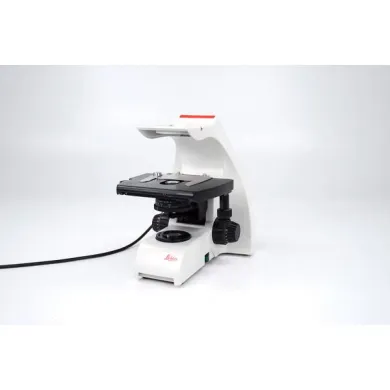
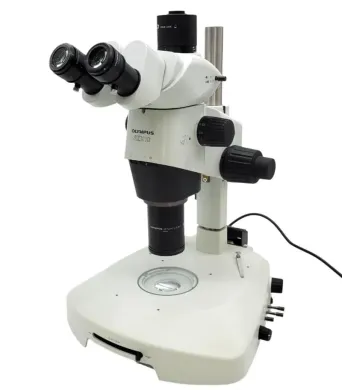
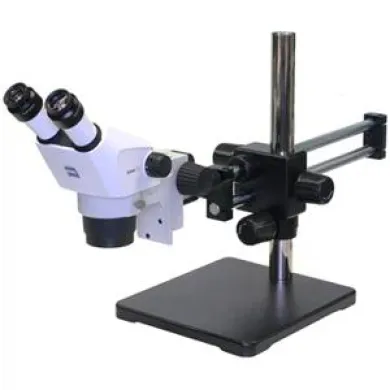
Not the exact instrument you need?
Tell our scientists what you are after. We track it down, including off-market supply.
Showing 1–40 of 4,621 listings
Show 40 more listingsBuying guide
The first thing to settle is optical compatibility, because an accessory that does not match the host instrument is worthless however good its condition. Objective lenses carry a thread standard and a parfocal distance, and a lens cut for one maker's tube length will not focus correctly on another's. Before anything else, a buyer confirms the mount, the magnification and the correction grade (achromat, plan, apochromat) against the scope it has to serve. Once compatibility is fixed, everything downstream follows from it.
Condition carries unusual weight in this category, more than it would for a sealed electronic instrument, because the value sits in glass and coatings that degrade with handling. A used objective can show fungus, delamination or internal haze that no photograph reveals, and a stage or focus mechanism can develop play that only shows under load. What to verify, then, is the optical surface under light, the smoothness of any moving part, and whether the item is complete: a condenser missing its diaphragm or an eyepiece missing its locking ring is a repair, not a bargain. Where a listing allows it, ask for images through the lens rather than of it.
Price sits across an exceptionally wide band, and knowing where a type falls in it saves time. A single eyepiece or a simple adapter costs little, while a fully corrected apochromatic objective or a complete motorised stand reaches the top of the range; the average of EUR 2.448 sits well below the ceiling because the catalogue is dominated by individual components rather than whole systems. The brands that occupy the upper tiers, Olympus, Nikon, Zeiss, Leica, Globe Scientific, hold their value on the second-hand market, so a used Zeiss or Leica objective still commands a real price. For a buyer working to a fixed budget, refurbished and used units are listed for sale at prices below new, and the sheer depth of used stock here means a specific lens or part is usually findable without paying new-equipment cost. Warranty, where it matters, is arranged in consultation for the individual listing rather than set across the category.
Types of Microscope accessories
Which microscope accessory types are listed?
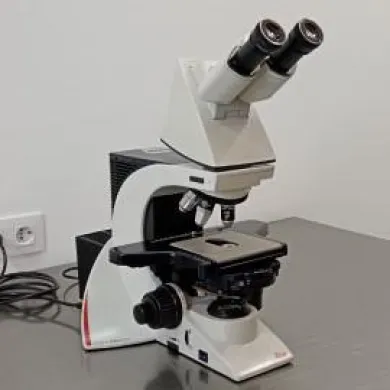
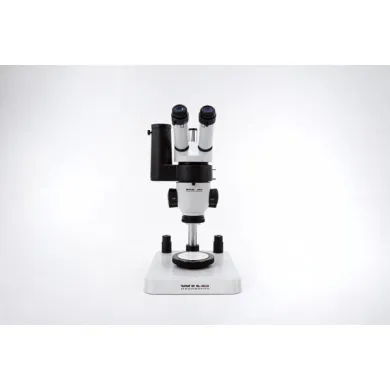
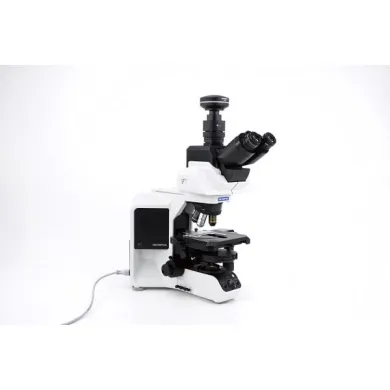
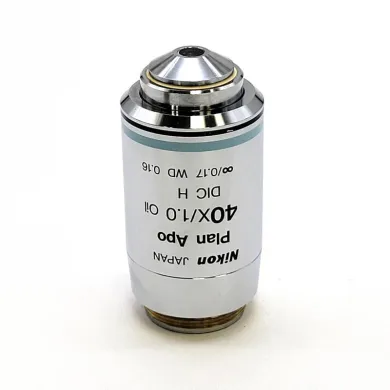
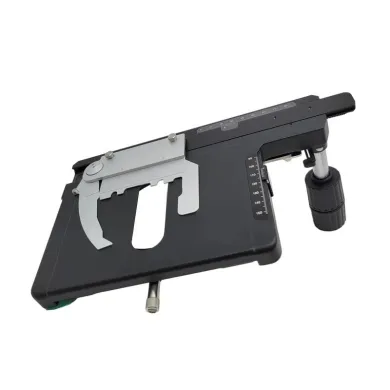
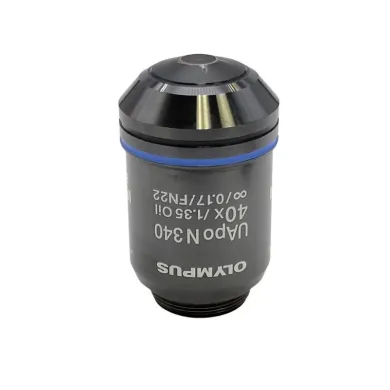
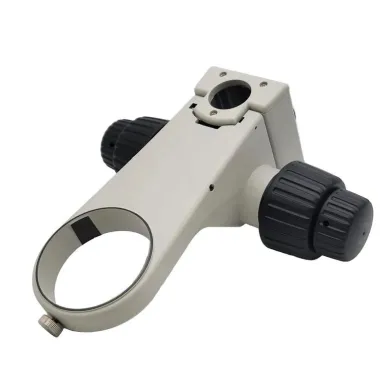
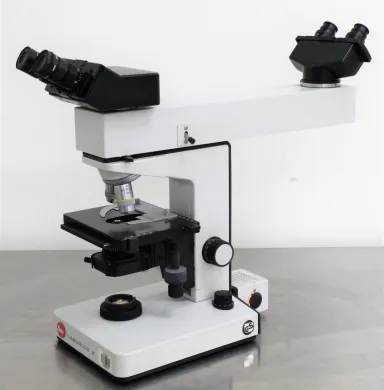
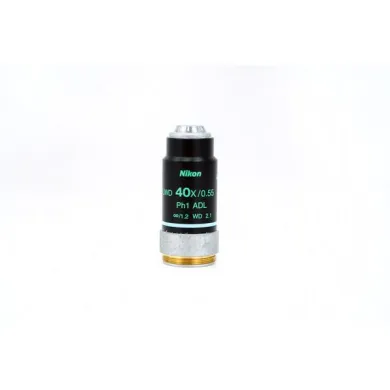
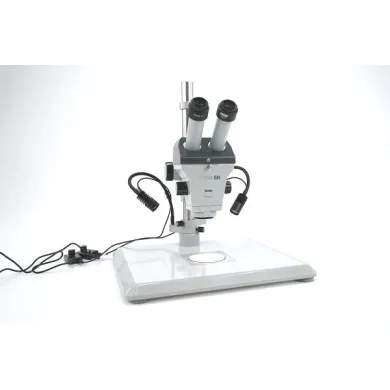
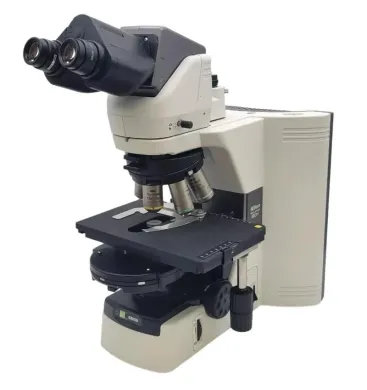
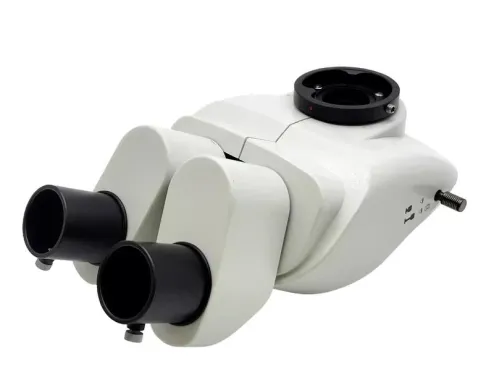
Among the listings that specify a type, objective lenses form the largest group, and they are the component most buyers come here for. An objective sets the resolution and the working distance of the whole optical train, so it is specified by magnification, numerical aperture and correction class. Alongside the bare lenses sit general accessory parts: condensers, eyepieces, stages, illuminators and adapters that let one body accept another maker's optics. A substantial share of the catalogue is whole instruments, binocular and trinocular microscopes, offered as much for their mountable parts as for the complete stand. Trinocular bodies in particular are sought for cell imaging and microscopy work that needs a camera port, where the third tube carries the sensor while both eyepieces stay free for the operator.
The optical microscope and brightfield microscope entries describe the host instruments these parts fit, and they anchor the category in laboratory microscopy across histology, microbiology and cell culture. A brightfield stand paired with the right objective does the routine slide reading that underpins histology and clinical microbiology; a trinocular optical microscope with a digital port supports documented cell imaging in molecular biology and genomics labs. These stands are also used for materials inspection and quality control outside the life sciences, so the same objective that serves a pathology bench can equip an industrial scope.
The brands behind the microscope accessory listings
The dominant names are Olympus, Nikon, Zeiss, Leica, Globe Scientific. For a buyer, that concentration is useful on three counts. Parts availability is highest for the makers with the deepest installed base, so a used Olympus or Nikon objective is easier to source and to match than a lens from an orphan brand. Price level tracks the name, with Zeiss and Leica optics holding value at the top and volume suppliers such as Globe Scientific filling the accessible tier. And comparison is simpler within a maker's own range, where thread standards and parfocal distances are consistent, than it is across brands, where an adapter may be the price of entry. These are observations for the buyer; the companies themselves are covered on their own brand pages.
What a used microscope accessory costs here
The split is stark: 97 percent of the listings are used and the balance new, so this is overwhelmingly a second-hand market. Prices run from EUR 4 to EUR 174.929, a range that covers a lone eyepiece at one end and a complete corrected research stand at the other, with the average of EUR 2.448 sitting low because single components outnumber whole systems. Used and refurbished optics are listed below new-equipment prices, which is what makes a specific high-grade objective reachable here that would be costly bought new.
Frequently asked questions
What are microscope accessories?
Microscope accessories are the lenses, mounts, illumination parts and add-on components that extend or adapt a microscope rather than work as a standalone instrument. The category also includes complete scopes offered for the components they carry.
What does the term microscope accessory mean?
It covers any part that attaches to or equips a microscope: objective lenses, condensers, eyepieces, stages, illuminators and adapters. The term separates these components from the host instrument they fit.
How do microscope accessories work?
Each part serves a point in the optical train: an objective sets resolution and working distance, a condenser shapes the illumination, eyepieces magnify the intermediate image, and adapters let one body accept another maker's optics. They only function correctly when matched to a compatible host instrument.
What types of microscope accessories are there?
The listed types include microscope objective lenses, general accessory parts, binocular microscopes, trinocular microscopes, optical microscopes and brightfield microscopes. Objective lenses form the largest single group, with whole instruments often offered for their mountable parts.
What are microscope accessories used for?
They equip microscopes for slide reading in histology and clinical microbiology, documented cell imaging in molecular biology, and materials inspection and quality control outside the life sciences. The same objective that serves a pathology bench can equip an industrial scope.
How do I choose the right microscope accessory?
Start with optical compatibility: confirm the mount, thread standard, parfocal distance, magnification and correction grade against the scope it has to serve. Then check condition, because value sits in glass and coatings that degrade with handling.
What is the difference between refurbished and used accessories?
Used items are sold in their existing condition, while refurbished items have been reconditioned before listing. Both are listed below new-equipment prices, and the exact condition is described in the individual listing.
How much do microscope accessories cost?
Prices range from EUR 4 to EUR 174.929, with an average of EUR 2.448. A single eyepiece or simple adapter sits at the low end, while a fully corrected apochromatic objective or a complete motorised stand reaches the top.
Which brands are most common for microscope accessories?
The dominant names are Olympus, Nikon, Zeiss, Leica and Globe Scientific. Parts availability is highest for makers with the deepest installed base, so a used Olympus or Nikon objective is easier to source and match.
Is there a warranty on refurbished accessories?
A warranty is often possible and is arranged in consultation for the specific listing. Terms are not set across the category, so check the individual listing you are interested in.
Can I get parts for a microscope accessory?
Parts can be sourced via Questpair. Availability is wider for the brands with the largest installed base, where thread standards and parfocal distances stay consistent within a maker's own range.
How long do microscope accessories last?
Optical components can last for decades when stored and handled well, but coatings and glass degrade with fungus, delamination or internal haze. Mechanical parts such as stages and focus mechanisms can develop play over time, so condition matters more than age.
Should I buy new or refurbished?
Used and refurbished accessories are listed at lower prices than new, which is what makes a specific high-grade objective reachable here that would be costly bought new. Where warranty matters, point to the individual listing, since it is arranged in consultation.
Where can I buy microscope accessories?
They are available through the Questpair catalogue, which lists 3930 laboratory listings from 21 verified suppliers and distributors across 12 countries. The depth of used stock means a specific lens or part is usually findable.
What are the lead time and shipping like?
Lead time and shipping depend on the individual supplier and the item, and both are stated or arranged through the specific listing. For a precise timeframe, contact Questpair; specialists respond within one hour.
How are microscope accessories calibrated and maintained?
Objectives and optics are checked for surface condition, cleanliness and parfocality against the host instrument, while moving parts are checked for smooth travel under load. Questpair does not offer servicing, so verify optical surfaces under light and ask for images through the lens where a listing allows it.
Which accessory types are listed most, and who reaches for which?
Objective lenses form the largest single group and are the component most buyers come here for, specified by magnification, numerical aperture and correction class. Trinocular bodies are sought for cell imaging that needs a camera port, while brightfield stands do routine slide reading in histology and clinical microbiology.
Which brands dominate this category, and what does that mean for a buyer?
Olympus, Nikon, Zeiss, Leica and Globe Scientific lead the listings. Zeiss and Leica optics hold value at the top of the range, volume suppliers such as Globe Scientific fill the accessible tier, and the wide installed base of Olympus and Nikon makes their used parts easier to source and match.
What separates the cheapest accessories from the most expensive?
At the bottom sit single eyepieces, simple adapters and basic parts; at the top sit fully corrected apochromatic objectives and complete motorised research stands. Correction grade, numerical aperture, completeness and brand drive the spread, with Zeiss and Leica optics holding a real price even used.