Price on request
In stock
Can't find what you're looking for?
Pre-Owned
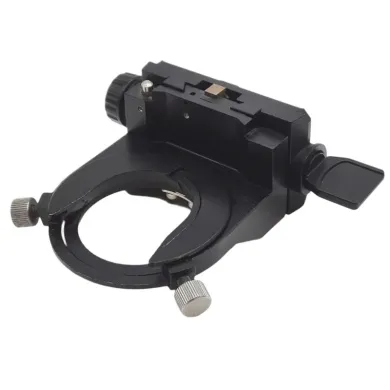
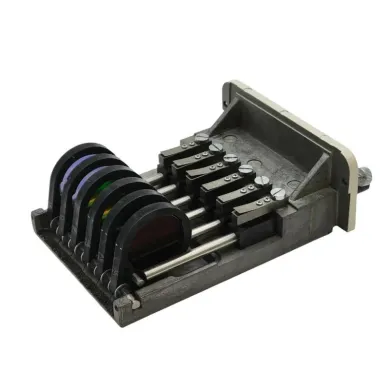
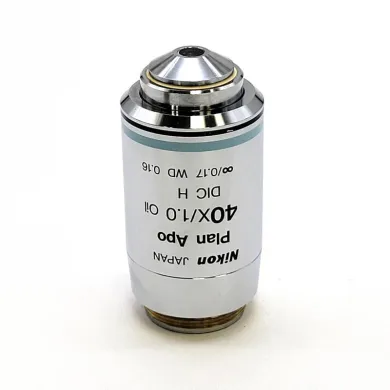
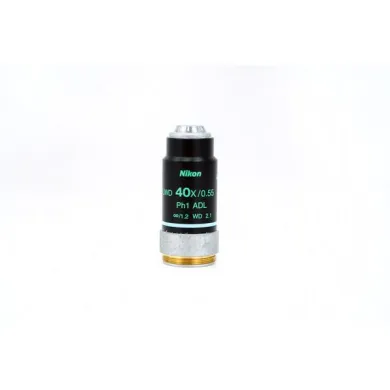
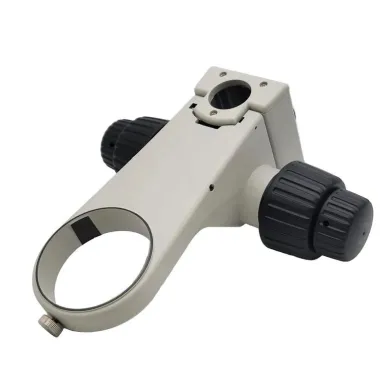
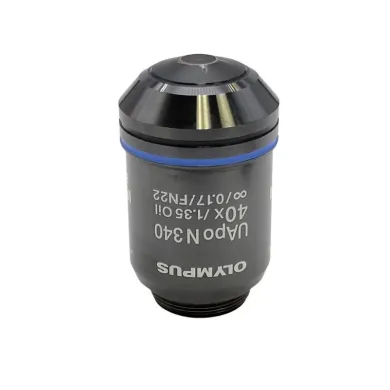
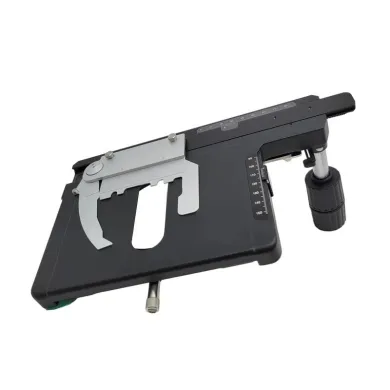
Fully manual Nikon Eclipse Ti-U inverted fluorescence microscope with phase contrast and brightfield capabilities, 6-position filter turret, 100W HBO lamp.
The Nikon Eclipse Ti-U is a versatile inverted fluorescence microscope optimized for advanced biological and materials science research, providing essential capabilities for fluorescence imaging, phase contrast microscopy, and brightfield observation. It features a mechanical 6-position fluorescence filter cube turret compatible with multiple new filter sets (including DAPI, FITC, Texas Red, and Cy5 options), enabling precise excitation/emission wavelength selection for diverse fluorochromes widely used in molecular diagnostics, biotechnology, and cellular imaging workflows.
Key technical specifications include:
The inverted design facilitates observation of thick, live specimens in culture vessels, supporting live-cell fluorescence imaging and dynamic cellular process monitoring. The microscope is widely adopted in neuroscience, cell biology, and pharmacology research due to its manual precision and flexibility.
This pre-owned unit is fully serviced, with optical systems carefully inspected for distortion and fluorescence intensity verified at the specimen plane. A 180-day USA warranty (extendable to one year) and remote training on hardware and software are included, ensuring reliable operation and integration into existing research workflows.
In summary, the Nikon Eclipse Ti-U inverted fluorescence phase contrast microscope is a technically robust imaging platform essential for researchers requiring adaptable fluorescence and phase contrast microscopy solutions, particularly in biotechnology, molecular biology, and clinical research domains. Its capability to combine brightfield, fluorescence, and phase contrast modalities makes it an indispensable tool for in-depth cellular and molecular analysis.
Lab equipment markets are fragmented. Buyers spend weeks calling distributors, comparing quotes, and verifying supplier reliability. Sellers struggle to reach global research labs.
We built Questpair to fix this. Every supplier on the platform is verified before listing. Every quote you receive comes from a real, vetted seller. AI prepares your case in minutes, then a real specialist takes over.
We're an independent team based in The Netherlands, working with research labs and procurement teams across Europe and worldwide.
With a service contract, ten to fifteen years is normal for most benchtop instruments. Detectors and pumps are the parts that wear first.
Often, yes. Verified suppliers frequently work with service partners converting the instrument. If applicable, we can list servicing options alongside the offer.
Ask a scientist through the request button. Parts are often available even when the instrument itself is discontinued.
Two to six weeks, depending on refurbishment scope and whether calibration is included.
We ship to 38 countries. Crating and customs handling are quoted with the instrument.
Tell us what you need and a scientist finds it for you, usually within the hour.
Last updated 9 November 2026
The middle half of the 3,387 with a price runs from €300 to €1,993.
2 other listings of this model are available.