51k+ listingsShips to NLResponse within one hour+31 73 711 4717info@questpair.com
Procurable · sourced on request

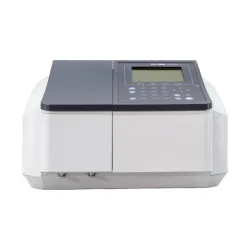
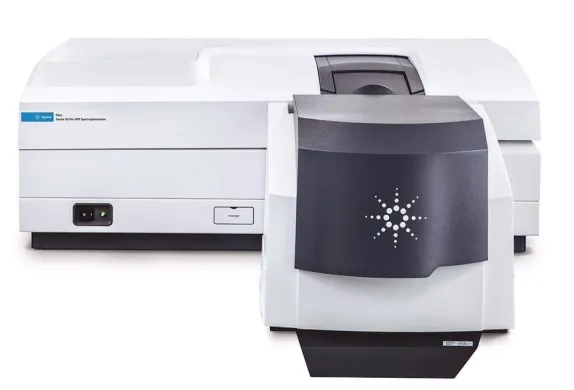
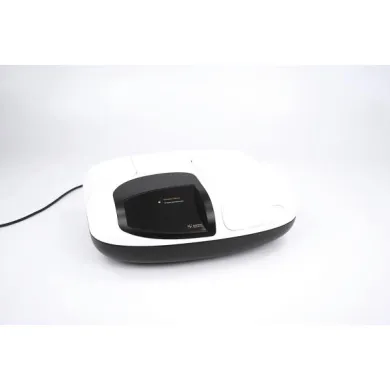
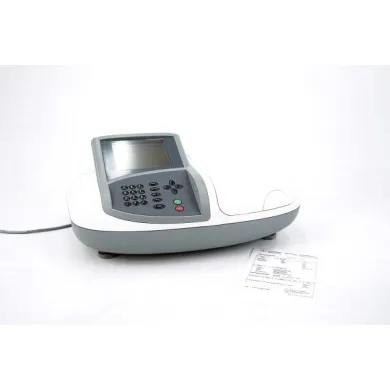
Shimadzu UV-1800

UsedShimadzuOptical detectorsNetherlands
Procurable

Not in stock, available to order through our sourcing team

Not in stock, but we can get it for you

We source this model through our supplier network. Request a quote and we'll come back within one hour.

  1. Request a quote
  2. We confirm price and lead time
  3. You approve, we ship to you
Spectral Resolution
1 nm
Wavelength Range
190 to 1100 nm
Wavelength Accuracy
±0.1 nm at 656.1 nm
Wavelength Repeatability
±0.1 nm
Photometric Range (Absorbance)
-4 to 4 Abs
Availability
Procurable
Lead time
Confirmed with your quote
All 24 specifications
  • Ships to NL
  • Response within 1 hour
  • Warranty available. Buy without worry
  • Support from a scientist

Specifications 24

Brands
Shimadzu
New/Used
Used
Spectral Resolution
1 nm
Wavelength Range
190 to 1100 nm
Wavelength Accuracy
±0.1 nm at 656.1 nm
Wavelength Repeatability
±0.1 nm
Photometric Range (Absorbance)
-4 to 4 Abs
Photometric Range (Transmittance)
0% to 400%
Photometric Accuracy at 0.5 Abs
±0.002 Abs
Photometric Repeatability at 0.5 Abs
±0.001 Abs
Baseline Stability at 700 nm
< 0.0003 Abs/h
Stray Light at 220 nm (NaI)
< 0.02% T
Stray Light at 340 nm (NaNO2)
< 0.02% T
Stray Light at 198 nm (KCl)
< 1.0% T
Dimensions (W x D x H)
450 x 490 x 270 mm
Weight
15 kg
Light Sources
Deuterium lamp and 20 W halogen lamp
Power Supply
AC 100, 120, 220, 230, 240 V, 50/60 Hz
Power Consumption
140 VA
Operating Temperature Range
15°C to 35°C
Operating Humidity Range
30% to 80% (without condensation; 70% max. at 30°C or higher)
USB Connectivity
Yes
Availability
Procurable
Lead time
Confirmed with your quote

Product description

High-resolution UV-Vis spectrophotometer with 1 nm spectral resolution and multiple measurement modes.

The Shimadzu UV-1800 is a high-performance UV-Vis spectrophotometer designed for precise spectral analysis across various scientific disciplines. With a spectral resolution of 1 nm—the highest in its class—it meets the stringent requirements of both the European and Japanese Pharmacopoeias.

Key features include:

  • High-resolution optics: Utilises a Czerny-Turner monochromator with a blazed holographic grating for enhanced light throughput and reduced stray light.
  • Compact design: Measuring 450 mm in width and 490 mm in depth, it occupies approximately 15% less space than its predecessor, making it suitable for laboratories with limited bench space.
  • Versatile measurement modes: Offers photometric, spectrum, quantitation, kinetics, time-scan, multi-component quantitation, and biomethod modes, catering to diverse analytical needs.
  • User-friendly interface: Equipped with USB connectivity for seamless data transfer and compatibility with the UVProbe software, facilitating efficient data analysis and reporting.
  • Regulatory compliance: Features automated security, instrument validation, and maintenance functions to ensure consistent performance and adherence to quality standards.

This spectrophotometer is widely utilised in fields such as biotechnology, pharmaceutical research, environmental analysis, and food quality control. Its applications range from protein and DNA quantification to monitoring enzymatic reactions and assessing water quality.

Commonly found in university laboratories, biomedical research centres, pharmaceutical companies, and environmental testing facilities, the UV-1800 has been a reliable instrument since its release in 2007.

Why Questpair exists

Lab equipment markets are fragmented. Buyers spend weeks calling distributors, comparing quotes, and verifying supplier reliability. Sellers struggle to reach global research labs.

We built Questpair to fix this. Every supplier on the platform is verified before listing. Every quote you receive comes from a real, vetted seller. AI prepares your case in minutes, then a real specialist takes over.

We're an independent team based in The Netherlands, working with research labs and procurement teams across Europe and worldwide.

Frequently asked questions

How long does laboratory equipment typically last?

With a service contract, ten to fifteen years is normal for most benchtop instruments. Detectors and pumps are the parts that wear first.

Can I get service for older equipment?

Often, yes. Verified suppliers frequently work with service partners converting the instrument. If applicable, we can list servicing options alongside the offer.

Where can I buy parts?

Ask a scientist through the request button. Parts are often available even when the instrument itself is discontinued.

What is the typical lead time for refurbished equipment?

Two to six weeks, depending on refurbishment scope and whether calibration is included.

Does laboratory equipment ship internationally?

We ship to 38 countries. Crating and customs handling are quoted with the instrument.

Reply in one hour

Can't find the exact configuration?

Tell us what you need and a scientist finds it for you, usually within the hour.

Last updated 15 November 2026