52k+ listingsShips to NLResponse within one hour+31 73 711 4717info@questpair.com

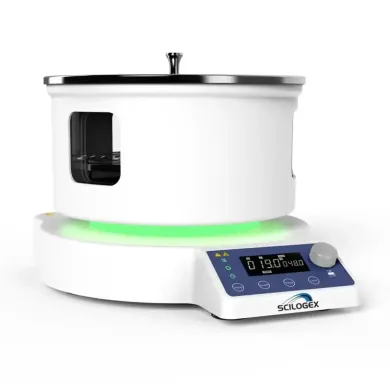
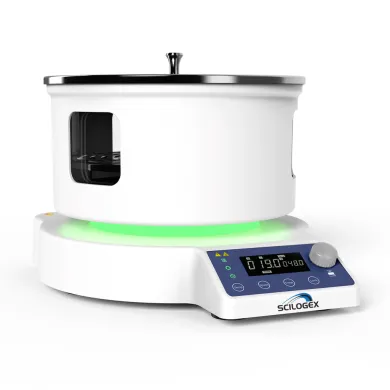
SCILOGEX SCIP5-Mini LED Recirculating Chiller with PID Temperature Control (-20°C to Ambient)

From€4,047.37excl. VAT

In stock

Can't find what you're looking for?

Range of temperature control
-20°C to Room Temperature
Temperature adjustment accuracy
0.1°C
Temperature control accuracy
±0.3°C (0°C a 20°C typical value)
Reservoir capacity
4.5L
Range of temperature adjustment
-30°C։30°C
All 19 specifications
  • Ships to NL
  • Response within 1 hour
  • Warranty available. Buy without worry
  • Support from a scientist

Specifications 19

Brands
Scilogex
New/Used
New
Range of temperature control
-20°C to Room Temperature
Temperature adjustment accuracy
0.1°C
Temperature control accuracy
±0.3°C (0°C a 20°C typical value)
Reservoir capacity
4.5L
Range of temperature adjustment
-30°C։30°C
Temperature display
LED
Type of temperature sensor
PT1000
Compressor refrigerant
R290
Circulating pump throughput
22L/min
Circulating pump head
6m
Pump pressure
0.3bar
Pump suction
0.2bar
Power/Cooling Power
700W / -20 degC 0.2kw.
Maximum overall dimensions
220*420*495 (mm)
Weight
30Kg
Power supply
110V/60Hz
Operating environment
10°C։4 0°C RH ≤ 80%

Product description

Precision recirculating chiller with PID control, -20°C to ambient, LED display, and corrosion-resistant liquid pathway.

The SCILOGEX SCIP5-Mini LED Recirculating Chiller is engineered for precise temperature regulation in laboratory applications, spanning from -20°C to ambient temperature. It is equipped with an advanced PID temperature controller and a built-in PT1000 temperature sensor, enabling high-accuracy temperature control crucial for demanding experiments in biotechnology, molecular diagnostics, and bioprocessing workflows.

Key technical specifications and features include:

  • Temperature range: -20°C to room temperature, suitable for cold trap cooling and molecular biology applications requiring stable low temperatures.
  • LED display: Crystal-clear, dynamic switching between set temperature and real-time temperature monitoring for user-friendly operation.
  • Material construction: Liquid pathways crafted from stainless steel and corrosion-resistant components for durability and compatibility with diverse coolant fluids.
  • Refrigerant: Uses environmentally friendly R290 refrigerant, aligning with eco-conscious laboratory standards.
  • Protection features: Comprehensive safeguards against short circuit, over-current, overload, and delayed restart, enhancing operational safety in continuous biomanufacturing or synthetic biology systems.
  • Integrated drainage: Innovative design combining drain and water outlets facilitates easy maintenance and fluid replacement.
  • Reservoir: Large-volume open reservoir supports extended cooling cycles and is ideal for cold trap experiments in cell imaging and fluorescence analysis.
  • Power supply: Designed for 110V, 60Hz electrical systems common in research labs.

This model is widely adopted in clinical diagnostics, pharmaceutical research, and biotechnology laboratories, providing reliable and consistent cooling essential for gene editing workflows and live-cell imaging setups. Its precision and rugged design make it critical equipment for laboratories focused on bioprocessing, molecular cloning, and synthetic biology research requiring stable thermal environments.

Why Questpair exists

Lab equipment markets are fragmented. Buyers spend weeks calling distributors, comparing quotes, and verifying supplier reliability. Sellers struggle to reach global research labs.

We built Questpair to fix this. Every supplier on the platform is verified before listing. Every quote you receive comes from a real, vetted seller. AI prepares your case in minutes, then a real specialist takes over.

We're an independent team based in The Netherlands, working with research labs and procurement teams across Europe and worldwide.

Frequently asked questions

How long does laboratory equipment typically last?

With a service contract, ten to fifteen years is normal for most benchtop instruments. Detectors and pumps are the parts that wear first.

Can I get service for older equipment?

Often, yes. Verified suppliers frequently work with service partners converting the instrument. If applicable, we can list servicing options alongside the offer.

Where can I buy parts?

Ask a scientist through the request button. Parts are often available even when the instrument itself is discontinued.

What is the typical lead time for refurbished equipment?

Two to six weeks, depending on refurbishment scope and whether calibration is included.

Does laboratory equipment ship internationally?

We ship to 38 countries. Crating and customs handling are quoted with the instrument.

Reply in one hour

Can't find the exact configuration?

Tell us what you need and a scientist finds it for you, usually within the hour.

Last updated 7 November 2026