Price on request
In stock
Can't find what you're looking for?
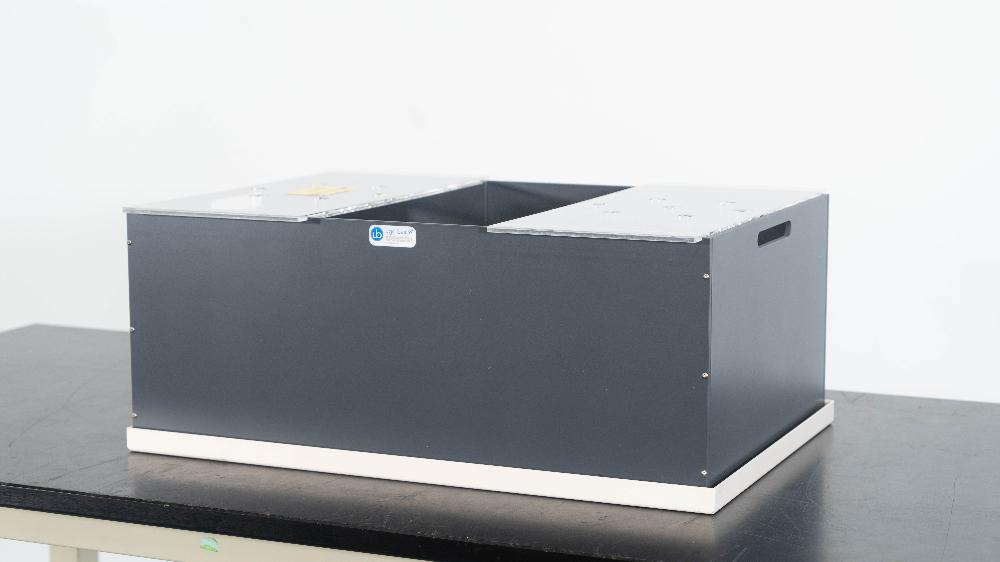
Precise Coulbourn Light Aversion Assay system for measuring photophobia and sensory aversion in preclinical neuroscience.
The Coulbourn Light Aversion Assay is a specialized behavioral testing system designed for preclinical neuroscience and biomedical research focused on sensory response and photophobia assessment. This assay apparatus provides a controlled environment to evaluate light aversion behavior in animal models, making it an essential tool in neuroimaging studies and neurological disorder research.
Key features include:
This equipment supports long-tail biotechnology applications such as *critical behavioral phenotyping in gene-edited models* and is popular among researchers working on the mechanisms of sensory processing and neurodegenerative diseases. The Coulbourn Light Aversion Assay fulfills the needs of laboratories specializing in biomedical engineering and synthetic biology applications where precise behavioral quantification is paramount.
Lab equipment markets are fragmented. Buyers spend weeks calling distributors, comparing quotes, and verifying supplier reliability. Sellers struggle to reach global research labs.
We built Questpair to fix this. Every supplier on the platform is verified before listing. Every quote you receive comes from a real, vetted seller. AI prepares your case in minutes, then a real specialist takes over.
We're an independent team based in The Netherlands, working with research labs and procurement teams across Europe and worldwide.
With a service contract, ten to fifteen years is normal for most benchtop instruments. Detectors and pumps are the parts that wear first.
Yes. Every verified supplier states which service partners cover the instrument, and we list that alongside the offer.
Ask a scientist through the request button. Parts are often available even when the instrument itself is discontinued.
Two to six weeks, depending on refurbishment scope and whether calibration is included.
We ship to 38 countries. Crating and customs handling are quoted with the instrument.
Tell us what you need and a scientist finds it for you, usually within the hour.
Last updated 19 October 2026