58k+ listingsShips to NLResponse within one hour+31 73 711 4717info@questpair.com

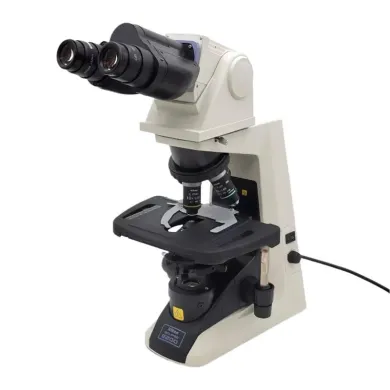
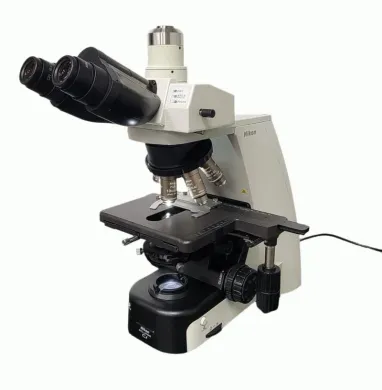
Nikon Eclipse 80i Research Fluorescence Microscope with Digital Imaging Head and CFI60 Optics

UsedNikonMicroscopesUnited States

Price on request

In stock

Can't find what you're looking for?

Optical System
CFI60 Infinity Optical System (Chrome-free)
Illumination (Transmitted)
12V-100W Halogen lamp with “Fly-eye” optics
Focusing
Coaxial coarse/fine focusing with 1µm minimum reading and focus clamp
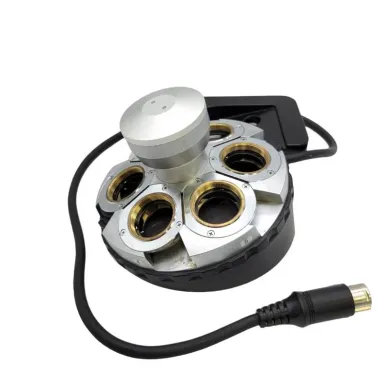
Nosepiece
6 position
Light Source
Nikon 75W Xenon high-pressure arc lamp
All 15 specifications
  • Ships to NL
  • Response within 1 hour
  • Warranty available. Buy without worry
  • Support from a scientist

Specifications 15

Brands
Nikon
New/Used
Used
Optical System
CFI60 Infinity Optical System (Chrome-free)
Illumination (Transmitted)
12V-100W Halogen lamp with “Fly-eye” optics
Focusing
Coaxial coarse/fine focusing with 1µm minimum reading and focus clamp
Nosepiece
6 position
Light Source
Nikon 75W Xenon high-pressure arc lamp
Filter Turret
6 position manual universal epi-fluorescence illuminator
Filter Cubes Installed
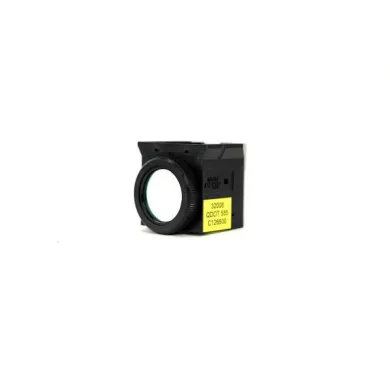
FITC (Nikon 96320): Excitation 465-495nm / Emission 515-555nm (Green) R NX/TRITC (Nikon 96321): Excitation 540-550nm / Emission 575-625nm (Orange/Red) Cy5 (Nikon 96324): Excitation 620-650nm / Emission 670-730nm (Far Red)
Internal Filters
NCB11 (Color balance) ND8 (Neutral density 3 stop light reduction) ND32 (Neutral density 5 stop light reduction)
Viewing Head
Trinocular tube with adjustable inclination
Capture Software
Amscope X64 4.12
Dimensions
26x12x25” with computer and power supply
Weight
27 lbs
Electrical
100-230v, 50/60Hz, 6A Total

Product description

Research Nikon Eclipse 80i fluorescence microscope with epi-fluorescence, brightfield, and digital imaging, featuring CFI60 optics.

The Nikon Eclipse 80i is a versatile research-grade fluorescence microscope designed for both brightfield microscopy and multi-channel epi-fluorescence imaging. Equipped with Nikon’s CFI60 infinity optical system, it integrates a 12V 100W halogen transmitted-light source alongside a 75W xenon high-pressure arc fluorescence light source, facilitating high-quality imaging for biomedical engineering, synthetic biology, and molecular diagnostics applications.

Key technical features include:

  • Epi-fluorescence illumination with a six-position manual filter turret supporting installed filter cubes for *FITC* (green, 465-495nm excitation), *TRITC* (orange/red, 540-550nm excitation), and *Cy5* (far-red, 620-650nm excitation), enabling multi-channel fluorescence analyses essential in gene editing and live-cell imaging workflows.
  • Trinocular viewing head with adjustable inclination for ergonomic binocular and camera-based observation, critical for detailed fluorescence documentation.
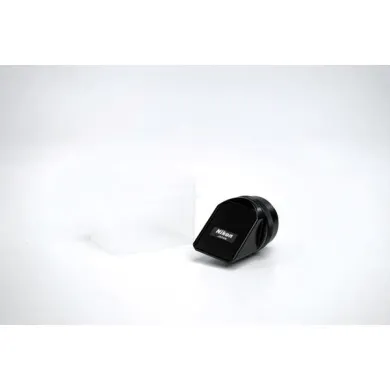
  • Integrated Nikon DIH digital imaging head with a six-position cube turret, built-in shutter, and optical routing, coupled with two AmScope MU500-HS 5.1 MP digital cameras and a wired remote shutter, streamlining image acquisition in molecular biology and bioprocessing research.
  • Precision coaxial coarse/fine focusing with a 1µm minimum reading and focus clamp, suitable for demanding clinical diagnostics and cell imaging tasks.
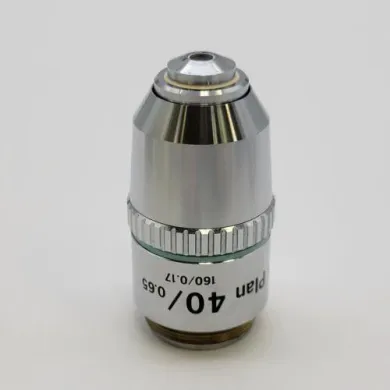
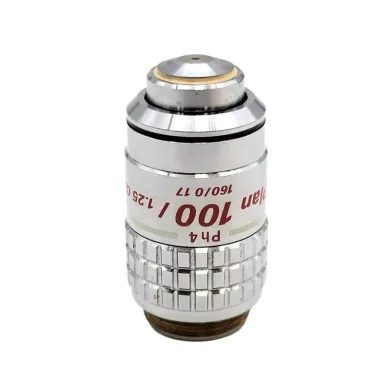
  • A comprehensive set of Nikon Plan Fluor objectives (4x/0.13, 10x/0.30, 20x/0.50, 40x/0.75, 60x/0.85) and neutral density filters (ND4, ND8, ND16, ND32), supporting controlled illumination for fluorescence intensity modulation critical in sensitive biopharmaceutical production pipelines.

Included with the system are all necessary power supplies, communication cables, Nikon CFI 10x/22 eyepieces, fluorescence filters, software (Amscope X64 4.12), and user manual. The microscope operates on 100-230 V (50/60 Hz) power and weighs approximately 27 lbs.

This configuration is optimized for laboratories requiring a robust platform for fluorescence-based cell imaging, molecular diagnostics, and synthetic biology experiments, providing reliable performance for advanced biotechnological research and biomedical engineering applications.

Why Questpair exists

Lab equipment markets are fragmented. Buyers spend weeks calling distributors, comparing quotes, and verifying supplier reliability. Sellers struggle to reach global research labs.

We built Questpair to fix this. Every supplier on the platform is verified before listing. Every quote you receive comes from a real, vetted seller. AI prepares your case in minutes, then a real specialist takes over.

We're an independent team based in The Netherlands, working with research labs and procurement teams across Europe and worldwide.

Frequently asked questions

How long does laboratory equipment typically last?

With a service contract, ten to fifteen years is normal for most benchtop instruments. Detectors and pumps are the parts that wear first.

Can I get service for older equipment?

Often, yes. Verified suppliers frequently work with service partners converting the instrument. If applicable, we can list servicing options alongside the offer.

Where can I buy parts?

Ask a scientist through the request button. Parts are often available even when the instrument itself is discontinued.

What is the typical lead time for refurbished equipment?

Two to six weeks, depending on refurbishment scope and whether calibration is included.

Does laboratory equipment ship internationally?

We ship to 38 countries. Crating and customs handling are quoted with the instrument.

Reply in one hour

Can't find the exact configuration?

Tell us what you need and a scientist finds it for you, usually within the hour.

Last updated 24 October 2026