51k+ listingsShips to NLResponse within one hour+31 73 711 4717info@questpair.com

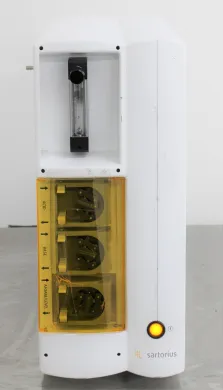
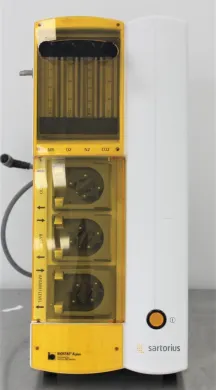
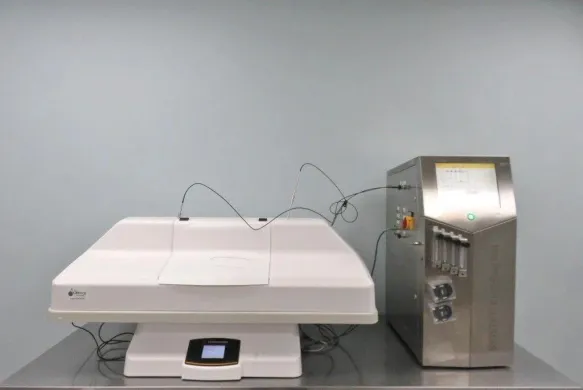
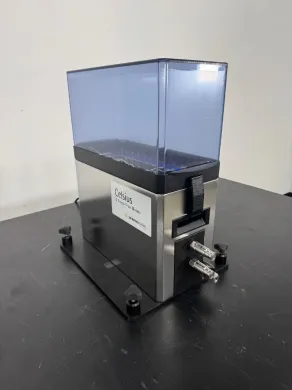
Sartorius Incucyte S3 Live-Cell Imaging System for Real-Time Cell Culture Analysis

Price on request

In stock

Can't find what you're looking for?

Description
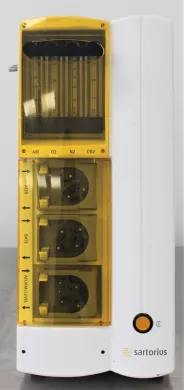
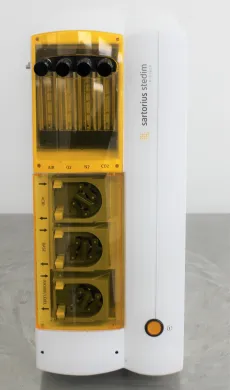
Model: S3. This unit includes the IncuStore S data storage module. Voltage: 100-240 V. Frequency: 50/60 Hz. Power consumption: 200 W. Fuse rating: 5 A. Software version: N/A. Configuration includes the Incucyte S3 imaging system and the IncuStore S storage module. No visible serial number or manufacturing year available.
Technical Data
Model: S3 Serial Number: N/A Voltage: 100-240 V Frequency: 50/60 Hz Power Consumption: 200 W Fuse Rating: 5 A Software Version: N/A Configuration: Incucyte S3 imaging system, IncuStore S storage module Manufacturing Year: N/A
Voltage
100-240 V
Frequency
50/60 Hz
Power Consumption
200 W
All 14 specifications
  • Ships to NL
  • Response within 1 hour
  • Warranty available. Buy without worry
  • Support from a scientist

Specifications 14

Brands
Sartorius
New/Used
Used
Description
Model: S3. This unit includes the IncuStore S data storage module. Voltage: 100-240 V. Frequency: 50/60 Hz. Power consumption: 200 W. Fuse rating: 5 A. Software version: N/A. Configuration includes the Incucyte S3 imaging system and the IncuStore S storage module. No visible serial number or manufacturing year available.
Technical Data
Model: S3 Serial Number: N/A Voltage: 100-240 V Frequency: 50/60 Hz Power Consumption: 200 W Fuse Rating: 5 A Software Version: N/A Configuration: Incucyte S3 imaging system, IncuStore S storage module Manufacturing Year: N/A
Voltage
100-240 V
Frequency
50/60 Hz
Power Consumption
200 W
Fuse Rating
5 A
Software Version
N/A
Configuration
Incucyte S3 imaging system, IncuStore S storage module
Manufacturing Year
N/A
Accessories
IncuStore S data storage module
Dimensions
19.0 x 17.0 x 6.0 inches (approximate rackmount size)
Weight
N/A

Product description

Automated Incucyte S3 system enabling continuous live-cell imaging and analysis inside standard incubators.

The Sartorius Incucyte S3 is an advanced live-cell imaging system engineered for continuous, non-invasive monitoring of cell cultures directly within standard laboratory incubators. This system supports real-time cell analysis and dynamic imaging, facilitating comprehensive quantitative assessment of cell biology workflows critical in biotechnology, molecular diagnostics, and cellular research.

Key technical features include:

  • Integration inside standard CO₂ incubators ensuring physiological culture conditions during imaging
  • Automated time-lapse microscopy capturing cellular processes such as proliferation, migration, and apoptosis over extended periods
  • Supports a wide range of cellular assays essential for bioprocessing and synthetic biology research
  • Enables continuous monitoring ideal for gene editing validation, live-cell tracking, and biopharmaceutical production pipelines
  • Designed to seamlessly fit into molecular biology and cellular imaging laboratories focusing on fluorescence analysis and cellular phenotyping

Although specific parameters such as voltage, power consumption, and software version are unspecified, the Incucyte S3 remains an indispensable tool widely adopted in biomedical engineering and live-cell assay applications requiring robust, automated, and high-content data acquisition in biotechnological and clinical research environments.

Why Questpair exists

Lab equipment markets are fragmented. Buyers spend weeks calling distributors, comparing quotes, and verifying supplier reliability. Sellers struggle to reach global research labs.

We built Questpair to fix this. Every supplier on the platform is verified before listing. Every quote you receive comes from a real, vetted seller. AI prepares your case in minutes, then a real specialist takes over.

We're an independent team based in The Netherlands, working with research labs and procurement teams across Europe and worldwide.

Frequently asked questions

How long does laboratory equipment typically last?

With a service contract, ten to fifteen years is normal for most benchtop instruments. Detectors and pumps are the parts that wear first.

Can I get service for older equipment?

Often, yes. Verified suppliers frequently work with service partners converting the instrument. If applicable, we can list servicing options alongside the offer.

Where can I buy parts?

Ask a scientist through the request button. Parts are often available even when the instrument itself is discontinued.

What is the typical lead time for refurbished equipment?

Two to six weeks, depending on refurbishment scope and whether calibration is included.

Does laboratory equipment ship internationally?

We ship to 38 countries. Crating and customs handling are quoted with the instrument.

Reply in one hour

Can't find the exact configuration?

Tell us what you need and a scientist finds it for you, usually within the hour.

Last updated 11 November 2026