58k+ listingsShips to NLResponse within one hour+31 73 711 4717info@questpair.com
Procurable · sourced on request

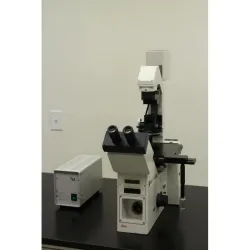
Leica IRB

UsedLeicaMicroscope accessoriesNetherlands
Procurable

Not in stock, available to order through our sourcing team

Not in stock, but we can get it for you

We source this model through our supplier network. Request a quote and we'll come back within one hour.

  1. Request a quote
  2. We confirm price and lead time
  3. You approve, we ship to you
Mains voltage
90–250 V
Frequency
50–60 Hz
Power consumption
160 W
Overvoltage category
II
Contamination class
2
Availability
Procurable
Lead time
Confirmed with your quote
All 25 specifications
  • Ships to NL
  • Response within 1 hour
  • Warranty available. Buy without worry
  • Support from a scientist

Specifications 25

Brands
Leica
New/Used
Used
Mains voltage
90–250 V
Frequency
50–60 Hz
Power consumption
160 W
Overvoltage category
II
Contamination class
2
Lamp voltage
2.5–12 V
Lamp current
8.5 A
Lamp voltage setting
Potentiometer 5 kΩ
Lamp voltage drift
<2% over 10 min
Efficiency
approx. 75%
Lamp lifespan
>50,000 hours
Ambient temperature
10–36 °C
Relative humidity
0–80% up to 30 °C
Condenser numerical aperture for darkfield
up to 0.75
Condenser numerical aperture for phase contrast and DIC
up to 0.40
Condenser numerical aperture for brightfield
up to 0.40
Condenser numerical aperture for polarization contrast
up to 0.40
Condenser numerical aperture for transmitted light interference contrast
up to 0.40
Condenser numerical aperture for transmitted light darkfield
up to 0.75
Condenser numerical aperture for transmitted light brightfield
up to 0.40
Condenser numerical aperture for transmitted light polarization contrast
up to 0.40
Availability
Procurable
Lead time
Confirmed with your quote

Product description

Inverted microscope with infinity-corrected optics supporting diverse contrast methods including fluorescence and DIC.

The Leica DM IRB is an inverted research microscope renowned for its versatility and precision in life science applications. Designed to accommodate a wide array of contrasting techniques, this instrument is ideal for detailed examination of cells and tissues, as well as advanced procedures like micromanipulation and microinjection.

Key features:

  • Comprehensive contrast methods: Supports brightfield, darkfield, phase contrast, differential interference contrast (DIC), fluorescence, and Hoffmann modulation contrast, enabling diverse imaging capabilities.
  • Infinity-corrected optical system: Ensures exceptional image quality with high contrast and resolution across a broad field of view.
  • Modular design: Allows for quick adaptation to specific research needs, with compatibility across various Leica microscope accessories.
  • Ergonomic operation: Features optimised ergonomics for comfortable and precise use during extended sessions.
  • Advanced illumination: Equipped with variable illumination and imaging light paths, facilitating optimal adaptation to different sample types.

Applications:

  • Live-cell imaging: Facilitates real-time observation of cellular processes, crucial for understanding dynamic biological events.
  • Fluorescence microscopy: Enables the detection and analysis of specific biomolecules within complex samples.
  • Phase contrast microscopy: Ideal for examining transparent specimens without the need for staining.
  • Differential interference contrast (DIC) microscopy: Provides high-resolution imaging of fine cellular structures.
  • Cell and tissue culture studies: Supports a range of applications in cell biology and tissue engineering.
  • Neuroscience and developmental biology: Widely used for studying neural networks and developmental processes.

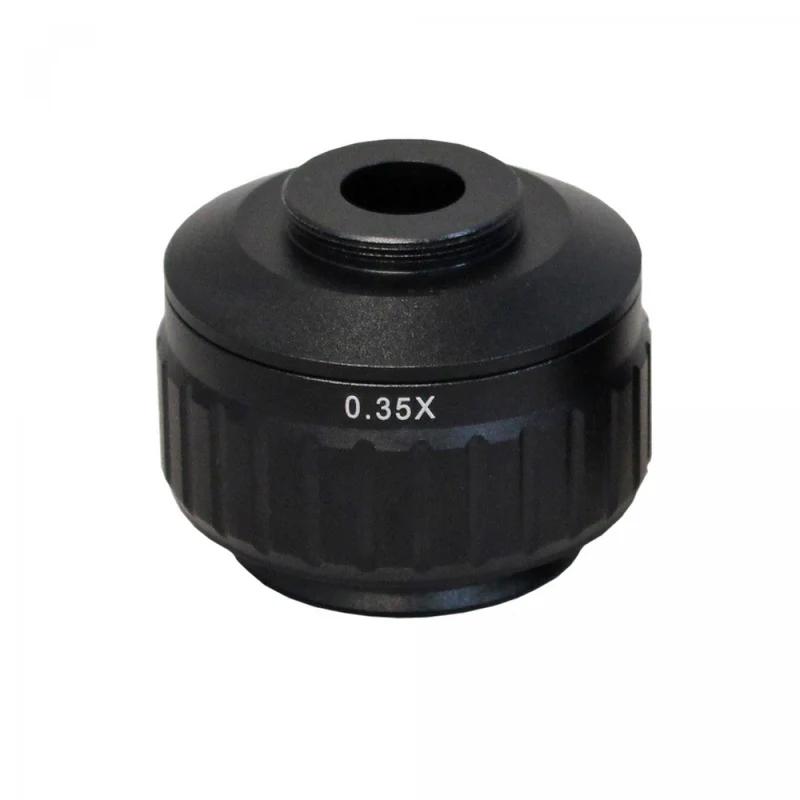
The Leica DM IRB is commonly utilised in university laboratories, biomedical research centres, and clinical environments, reflecting its broad applicability in the scientific community. Introduced in the 1990s, this microscope remains relevant today, especially when enhanced with modern digital adapters for photomicrography, ensuring its continued utility in contemporary research settings.

Why Questpair exists

Lab equipment markets are fragmented. Buyers spend weeks calling distributors, comparing quotes, and verifying supplier reliability. Sellers struggle to reach global research labs.

We built Questpair to fix this. Every supplier on the platform is verified before listing. Every quote you receive comes from a real, vetted seller. AI prepares your case in minutes, then a real specialist takes over.

We're an independent team based in The Netherlands, working with research labs and procurement teams across Europe and worldwide.

Frequently asked questions

How long does laboratory equipment typically last?

With a service contract, ten to fifteen years is normal for most benchtop instruments. Detectors and pumps are the parts that wear first.

Can I get service for older equipment?

Yes. Every verified supplier states which service partners cover the instrument, and we list that alongside the offer.

Where can I buy parts?

Ask a scientist through the request button. Parts are often available even when the instrument itself is discontinued.

What is the typical lead time for refurbished equipment?

Two to six weeks, depending on refurbishment scope and whether calibration is included.

Does laboratory equipment ship internationally?

We ship to 38 countries. Crating and customs handling are quoted with the instrument.

Reply in one hour

Can't find the exact configuration?

Tell us what you need and a scientist finds it for you, usually within the hour.

Last updated 19 October 2026