Can't find what you're looking for?
| Specification | 0.35x€478 | 0.50x€478 | 0.65x€478 | 1x€238 | Photo Tube€258 |
|---|---|---|---|---|---|
| Price (excl. VAT) | €478 | €478 | €478 | €238 | €258 |
| Availability | In stock | In stock | In stock | Unavailable | Unavailable |
| Type | 0.35x | 0.50x | 0.65x | 1x | Photo Tube |
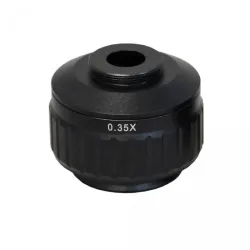
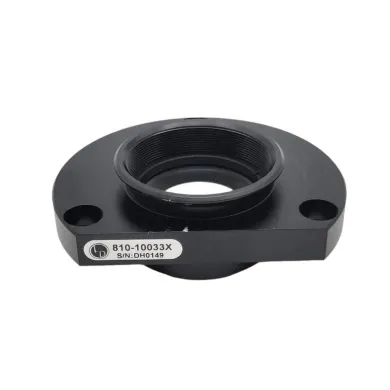
Accu-Scope EXC-400 camera adapters provide C-mount camera coupling for clinical microscopy, parfocal imaging, pathology and documentation.
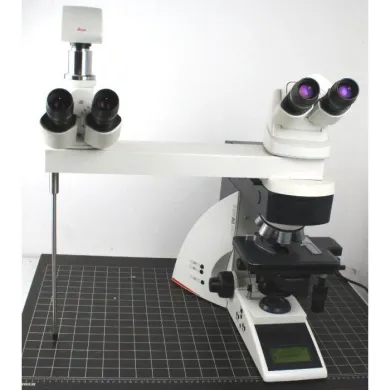
The Accu-Scope EXC-400 C-mount camera adapter is an imaging accessory for the clinical dual-view microscope. It couples USB, HDMI, 4K and other C-mount cameras to the microscope for clinical microscopy, pathology documentation and teaching.
Available configurations include 0.35x, 0.50x, 0.65x and 1x magnification adapters. A Photo Tube version provides direct camera coupling.
The adapter is new. It is machined from metal for stable, low-vibration mounting and maintains parfocal alignment with the microscope eyepieces. The EXC-400 model, mounting port and selected variant require confirmation before use.
The Accu-Scope EXC-400 C-mount camera adapters connect compatible cameras to the clinical dual-view microscope for image capture and documentation. They support C-mount cameras including USB, HDMI and 4K camera systems.
The adapters are machined from metal for stable, low-vibration mounting and maintain parfocal alignment with the eyepieces. Applications include clinical microscopy, pathology documentation, teaching and microscope imaging in clinical laboratories. This unit is new. Confirm the EXC-400 microscope model, mounting port and selected adapter variant before ordering, and verify parfocal adjustment.
The C-mount interface determines compatibility between the adapter and the camera. The microscope model and mounting port must also match the Accu-Scope EXC-400 configuration. The selected 0.35x, 0.50x, 0.65x or 1x adapter determines the available camera magnification option, while the Photo Tube version provides direct coupling.
Lab equipment markets are fragmented. Buyers spend weeks calling distributors, comparing quotes, and verifying supplier reliability. Sellers struggle to reach global research labs.
We built Questpair to fix this. Every supplier on the platform is verified before listing. Every quote you receive comes from a real, vetted seller. AI prepares your case in minutes, then a real specialist takes over.
We're an independent team based in The Netherlands, working with research labs and procurement teams across Europe and worldwide.
With a service contract, ten to fifteen years is normal for most benchtop instruments. Detectors and pumps are the parts that wear first.
Often, yes. Verified suppliers frequently work with service partners converting the instrument. If applicable, we can list servicing options alongside the offer.
Ask a scientist through the request button. Parts are often available even when the instrument itself is discontinued.
Two to six weeks, depending on refurbishment scope and whether calibration is included.
We ship to 38 countries. Crating and customs handling are quoted with the instrument.
Tell us what you need and a scientist finds it for you, usually within the hour.
Last updated 29 November 2026
Questpair lists 3,636 similar items in Microscope accessories, going up to around €7,500.
4 other listings of this model are available.