58k+ listingsShips to NLResponse within one hour+31 73 711 4717info@questpair.com
Sold · specialists can find another

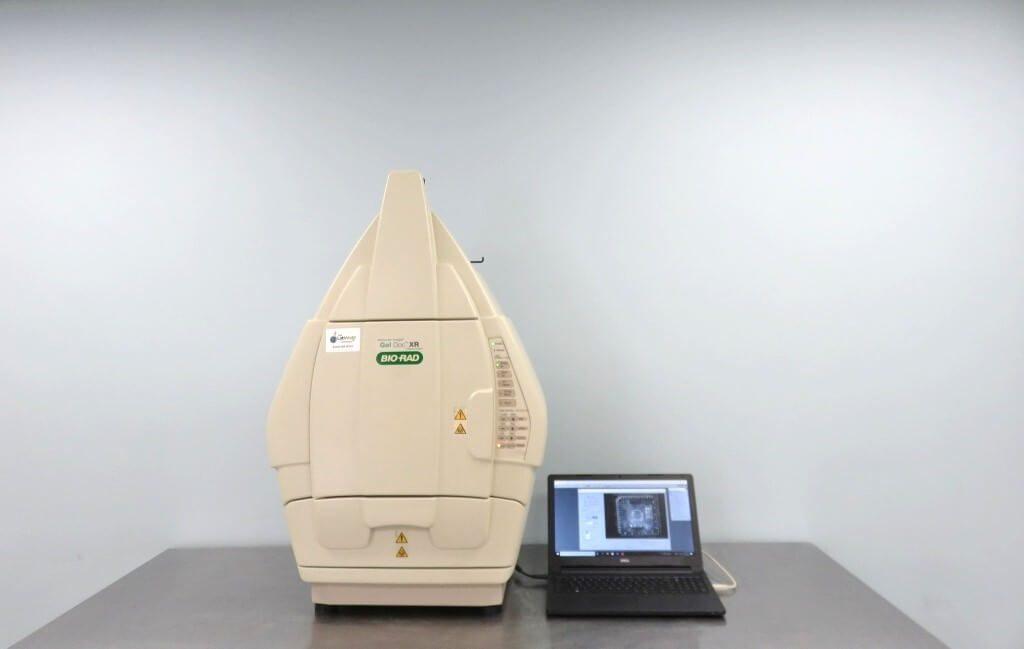
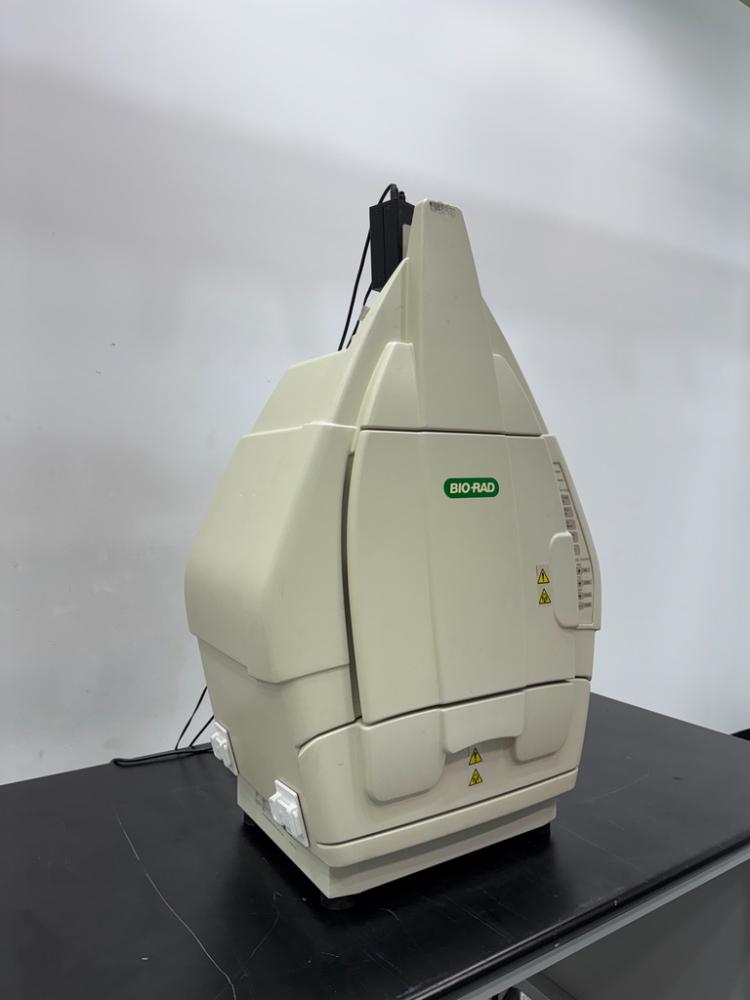
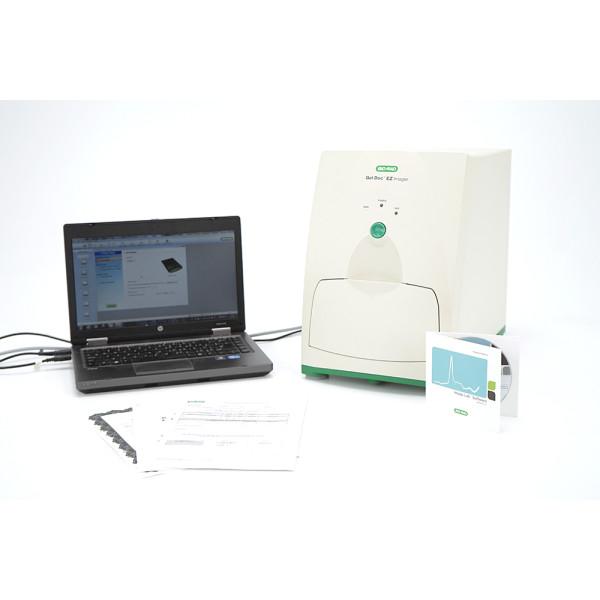
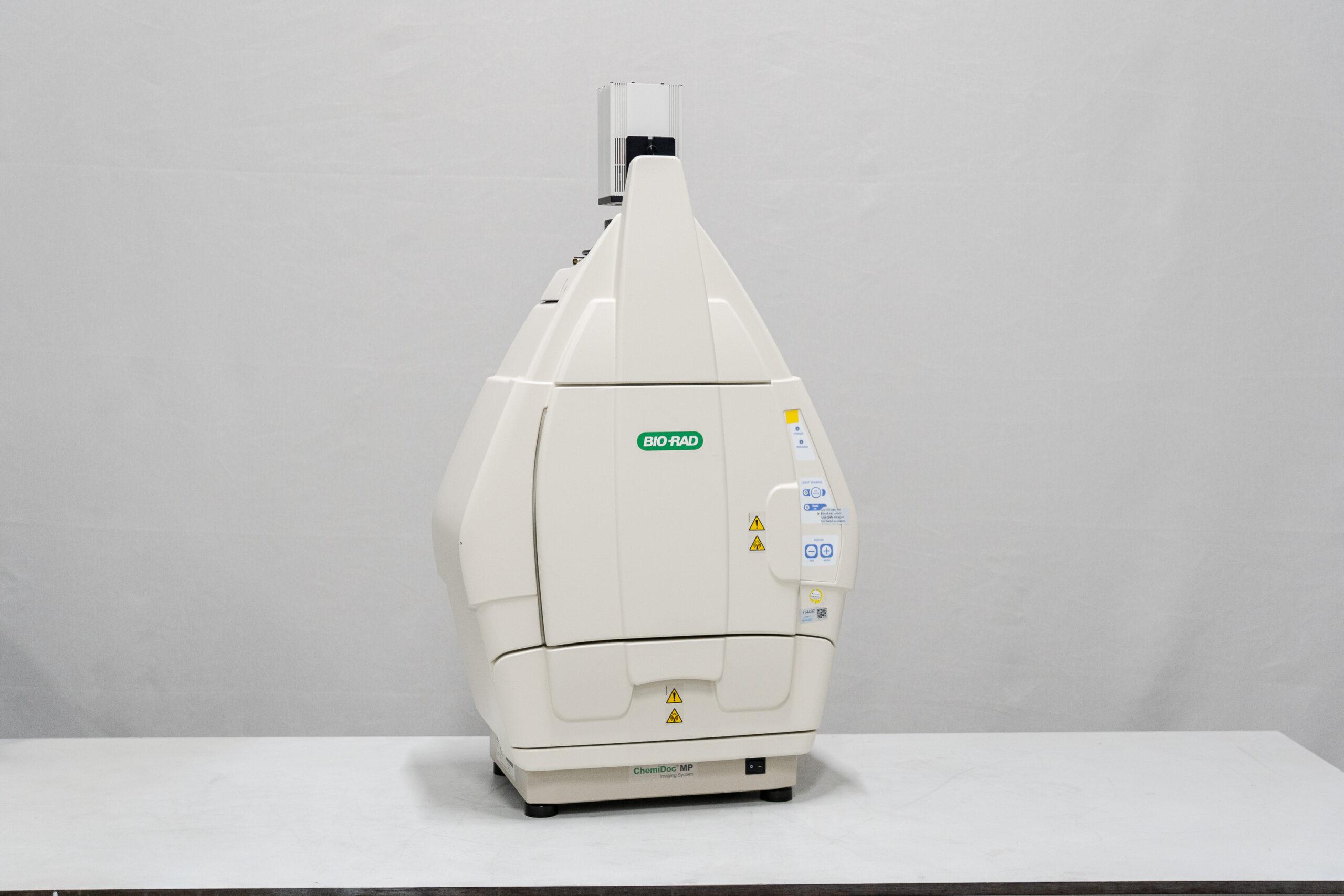
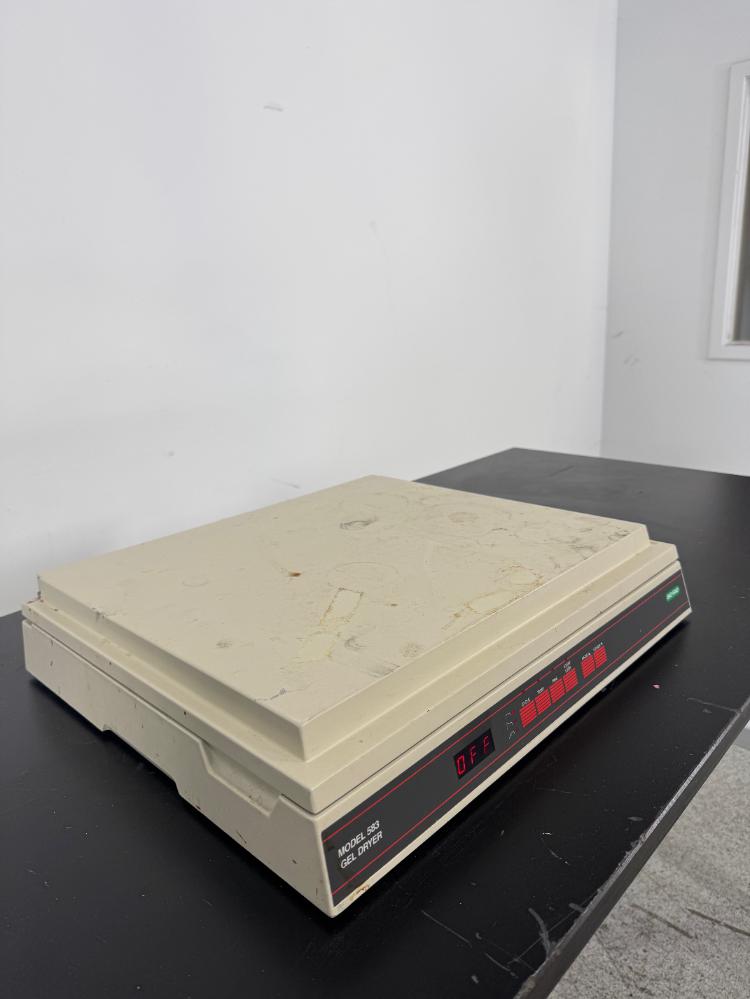
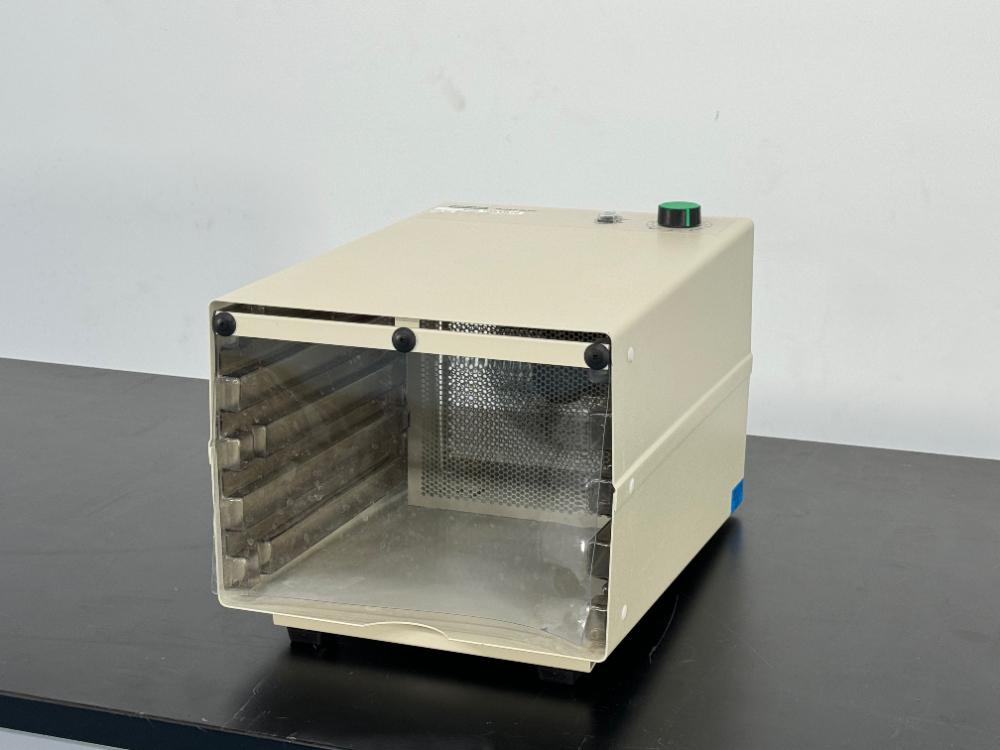
Bio-Rad Gel Doc XR+ Gel Documentation and Imaging System

UsedBio-RadGel dryerUnited States

Sold

This item is sold

Our specialists can find you another one, the same model or a close equivalent, and send you a quote within one hour.

Chemiluminescence
No
Fluorescence
Yes Note: Use the optional XcitaBlue kit if performing SYBR® Safe DNA applications, because the UV to blue conversion screen allows you to visualize DNA samples while protecting against UV damage.
Colorimetry/densitometry
Yes
Gel documentation
Yes
Maximum sample size
28 x 36 cm
Availability
Sold
All 22 specifications
  • Ships to NL
  • Response within 1 hour
  • Warranty available. Buy without worry
  • Support from a scientist

Specifications 22

Brands
Bio-Rad
New/Used
Used
Chemiluminescence
No
Fluorescence
Yes Note: Use the optional XcitaBlue kit if performing SYBR® Safe DNA applications, because the UV to blue conversion screen allows you to visualize DNA samples while protecting against UV damage.
Colorimetry/densitometry
Yes
Gel documentation
Yes
Maximum sample size
28 x 36 cm
Maximum image area
19.4 x 26 cm
Excitation source
Epi-white light and trans-UV (302 nm) are standard (optional 365 nm lamp available); optional trans-white conversion screen and XcitaBlue™ UV/blue conversion screen available
Illumination control
3 modes (trans-UV, trans white, epi-white)
Detector
CCD
Pixel size (H x V)
4.65 x 4.65 µm
Filter holder
3 positions (2 for filters, 1 without filter)
Emission filters
1 included (standard), 3 optional
Dynamic range
>3.0 orders of magnitude
Pixel density (gray levels)
4,096
Dynamic flat fielding
Application specific, for all applications
Instrument size (L x W x H)
36 x 60 x 96 cm
Instrument weight
32 kg
Operating voltage
110/115/230 V AC nominal
Operating temperature
10–28°C (21°C recommended)
Operating humidity
<70% noncondensing

Product description

High-performance Gel Doc system with CCD camera, motorized zoom, and Image Lab software for gel imaging and quantitation.

Bio-Rad Gel Doc XR+ Imaging System

  • Applications:
  • Fluorescence imaging
  • Colorimetric/Densitometry analysis
  • Gel documentation
  • Pixel Size (H x V): 4.65 x 4.65 µm
  • Filter Holder: 3 positions (2 filters, 1 without filter)
  • Key Technical Features:
  • Real-time image capture for precise sample positioning and focusing
  • Compact integrated darkroom with UV transilluminator workstation
  • CCD camera coupled with motorized zoom lens
  • Iris, zoom, and focus adjustable via software or instrument control panel
  • Automated routines enabling quick, accurate gel and blot imaging without training
  • Ability to save and recall workflows for reproducible results
  • Flat field correction and automatic artifact correction applied consistently
  • Supports comprehensive automated quantitative analysis for protein and DNA samples
  • Wide range of applications with accessories that preserve sample integrity and user safety
  • Images remain in focus regardless of zoom level or sample position
  • Outputs publication-quality annotated images rapidly
  • Uses Image Lab software for image optimization, annotation, analysis, and report creation
  • Quality Assurance:
  • Fully factory-tested to ensure performance meets specification before shipping

Why Questpair exists

Lab equipment markets are fragmented. Buyers spend weeks calling distributors, comparing quotes, and verifying supplier reliability. Sellers struggle to reach global research labs.

We built Questpair to fix this. Every supplier on the platform is verified before listing. Every quote you receive comes from a real, vetted seller. AI prepares your case in minutes, then a real specialist takes over.

We're an independent team based in The Netherlands, working with research labs and procurement teams across Europe and worldwide.

Frequently asked questions

How long does laboratory equipment typically last?

With a service contract, ten to fifteen years is normal for most benchtop instruments. Detectors and pumps are the parts that wear first.

Can I get service for older equipment?

Yes. Every verified supplier states which service partners cover the instrument, and we list that alongside the offer.

Where can I buy parts?

Ask a scientist through the request button. Parts are often available even when the instrument itself is discontinued.

What is the typical lead time for refurbished equipment?

Two to six weeks, depending on refurbishment scope and whether calibration is included.

Does laboratory equipment ship internationally?

We ship to 38 countries. Crating and customs handling are quoted with the instrument.

Reply in one hour

Can't find the exact configuration?

Tell us what you need and a scientist finds it for you, usually within the hour.

Last updated 20 October 2026