58k+ listingsShips to NLResponse within one hour+31 73 711 4717info@questpair.com

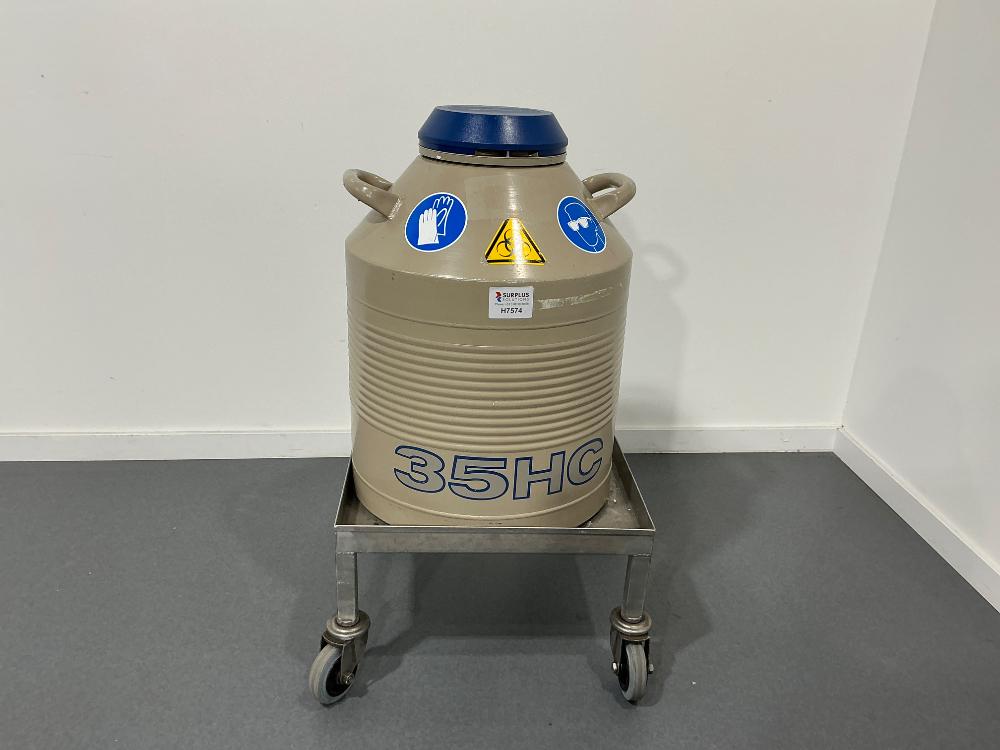
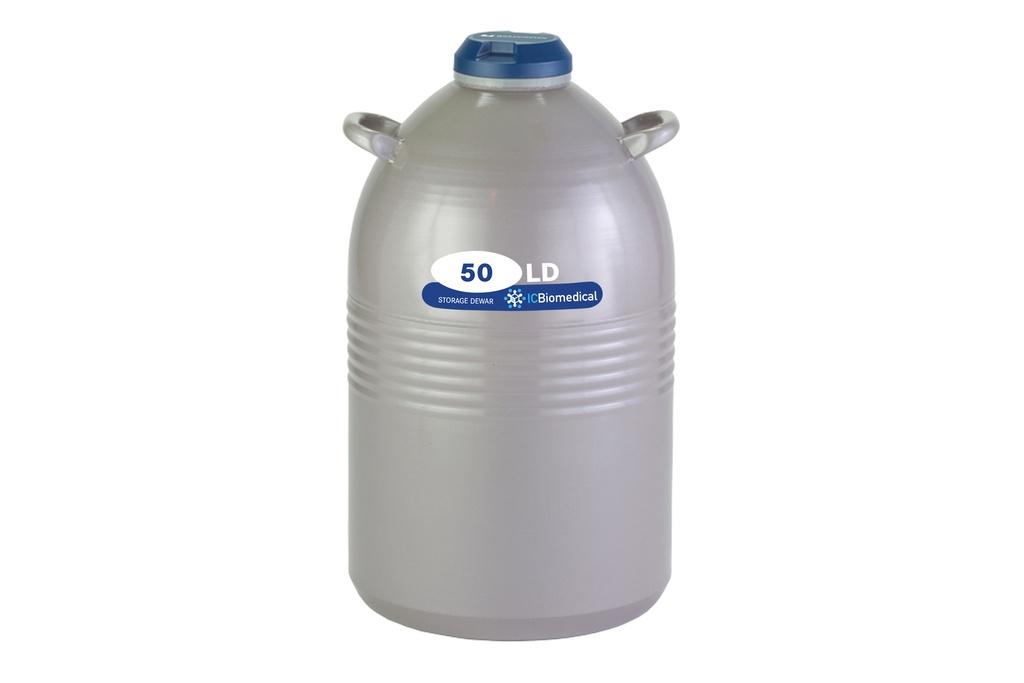
Taylor Wharton XT20 Cryogenic Sample Storage Dewar with 6 x 5" Canisters, 180 x 2.0 ml Vial Capacity

NewTaylor-WhartonCryogenicsUnited States

From€1,134.48excl. VAT

In stock

Can't find what you're looking for?

Capacity (Ltrs.)
20.7
Empty Weight
26 lbs. (11.8 kg)
Full Weight
62.8 lbs. (28.6 kg)
Neck Diameter
2.0" (51mm)
Outer Diameter
15.6" (396mm)
All 16 specifications
  • Ships to NL
  • Response within 1 hour
  • Warranty available. Buy without worry
  • Support from a scientist

Specifications 16

Brands
Taylor-Wharton
New/Used
New
Capacity (Ltrs.)
20.7
Empty Weight
26 lbs. (11.8 kg)
Full Weight
62.8 lbs. (28.6 kg)
Neck Diameter
2.0" (51mm)
Outer Diameter
15.6" (396mm)
Total Height
25.8" (655mm)
Static Evaporation Loss Rate (Liters/day)
0.09
Static Holding Time (Days)
230
Canister O.D.
0.866" (22mm)
Canister Height
5" (127mm)
No. of Canisters (No.)
6
Straw Holding Capacity Single Level (0.5ml/0.25ml)
36/81
Straw Holding Capacity Double Level (0.5ml/0.25ml)
N/A
Warranty
5 years vacuum

Product description

XT20 cryogenic LN2 dewar for long-term storage of 180 cryovials with superior vacuum insulation and durable aluminum body.

The Taylor Wharton XT20 cryogenic sample storage dewar is engineered for long-term cryogenic storage of biological samples, ideal for applications in molecular diagnostics, bioprocessing, and synthetic biology. This LN2 dewar features a rugged ribbed aluminum body and magniformed necktube design to optimize durability and minimize weight, enhancing portability and sample safety.

Key features include:

  • Capacity: Supports storage of up to 180 x 2.0 ml cryovials within (6) 5" canisters, enabling organized sample management critical for biomedical engineering and biomanufacturing workflows.
  • Superior vacuum insulation with super insulation technology ensures extended static holding times, reducing LN2 consumption and maintaining cryogenic temperatures essential for preserving cell viability and integrity.
  • Versatile storage system: Incorporates a tapered internal spider and a convenient canister index ring for efficient identification and retrieval of samples, supporting workflow efficiency in gene editing and cell imaging labs.
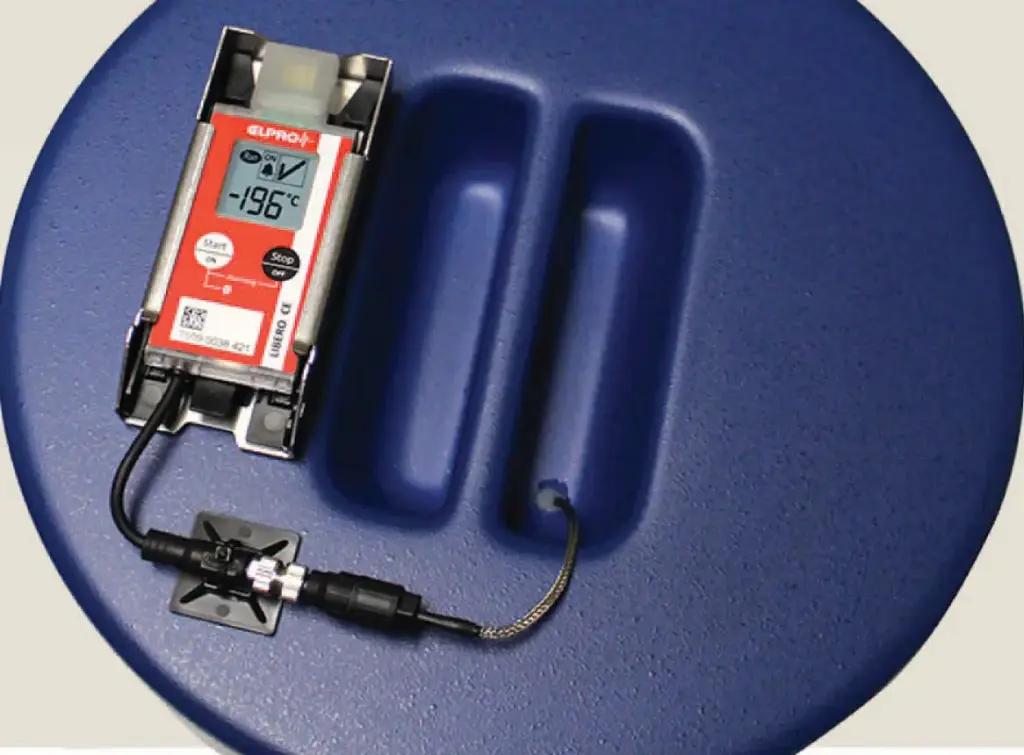
  • Security features: Lockable lids protect stored materials, while an optional accessory low-level LN2 alarm with remote monitoring capability safeguards valuable samples from temperature deviations.
  • Mobility: Optional roller base facilitates transport within laboratory environments and cryostorage facilities.
  • Warranty: Backed by a 5-year vacuum warranty, ensuring reliability for critical molecular cloning and biopharmaceutical production applications.

The XT20 does not include straws, canes, or vials but comes complete with necktube core and canisters. Its robust construction combined with precise vacuum performance makes it widely adopted in research domains where stable, long-term storage of frozen samples is essential. This cryogenic storage unit is fundamental in clinical diagnostics, live-cell imaging, and neuroimaging research requiring secure preservation at liquid nitrogen temperatures.

Why Questpair exists

Lab equipment markets are fragmented. Buyers spend weeks calling distributors, comparing quotes, and verifying supplier reliability. Sellers struggle to reach global research labs.

We built Questpair to fix this. Every supplier on the platform is verified before listing. Every quote you receive comes from a real, vetted seller. AI prepares your case in minutes, then a real specialist takes over.

We're an independent team based in The Netherlands, working with research labs and procurement teams across Europe and worldwide.

Frequently asked questions

How long does laboratory equipment typically last?

With a service contract, ten to fifteen years is normal for most benchtop instruments. Detectors and pumps are the parts that wear first.

Can I get service for older equipment?

Yes. Every verified supplier states which service partners cover the instrument, and we list that alongside the offer.

Where can I buy parts?

Ask a scientist through the request button. Parts are often available even when the instrument itself is discontinued.

What is the typical lead time for refurbished equipment?

Two to six weeks, depending on refurbishment scope and whether calibration is included.

Does laboratory equipment ship internationally?

We ship to 38 countries. Crating and customs handling are quoted with the instrument.

Reply in one hour

Can't find the exact configuration?

Tell us what you need and a scientist finds it for you, usually within the hour.

Last updated 19 October 2026