Price on request
In stock
Can't find what you're looking for?
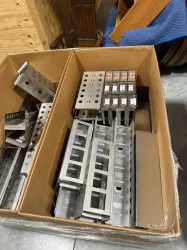
Durable stainless steel freezer racks designed for corrosion-resistant sample storage in low-temperature lab environments.
Stainless steel laboratory freezer racks are engineered for efficient sample organization and storage in low-temperature environments typical of biomedical research, molecular diagnostics, and bioprocessing labs. Constructed from corrosion-resistant stainless steel, these freezer racks provide reliable durability in cryogenic and refrigerated freezers. Their perforated design allows optimal airflow and temperature uniformity critical for maintaining sample integrity during long-term storage.
These stainless steel freezer racks are a fundamental tool widely used in biotechnology and biomedical engineering fields for maintaining sample viability during storage, making them essential for laboratory cold storage management and cryopreservation protocols.
Lab equipment markets are fragmented. Buyers spend weeks calling distributors, comparing quotes, and verifying supplier reliability. Sellers struggle to reach global research labs.
We built Questpair to fix this. Every supplier on the platform is verified before listing. Every quote you receive comes from a real, vetted seller. AI prepares your case in minutes, then a real specialist takes over.
We're an independent team based in The Netherlands, working with research labs and procurement teams across Europe and worldwide.
With a service contract, ten to fifteen years is normal for most benchtop instruments. Detectors and pumps are the parts that wear first.
Yes. Every verified supplier states which service partners cover the instrument, and we list that alongside the offer.
Ask a scientist through the request button. Parts are often available even when the instrument itself is discontinued.
Two to six weeks, depending on refurbishment scope and whether calibration is included.
We ship to 38 countries. Crating and customs handling are quoted with the instrument.
Tell us what you need and a scientist finds it for you, usually within the hour.
Last updated 19 October 2026