Price on request
In stock
Can't find what you're looking for?
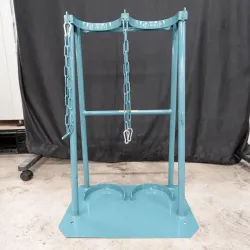
Double gas cylinder rack for 1500L cylinders, size W450×D300×H700mm, used for secure gas storage
This double gas cylinder rack stand (model 1500-2-S) by Panasonic Vehicle Industry Co., Ltd. is designed for secure and organized storage of two 1500-liter gas cylinders. Constructed with a footprint measuring 450 mm width × 300 mm depth × 700 mm height, it supports safe handling and storage within laboratory or industrial gas management settings. Ideal for biotechnology laboratories and bioprocessing facilities where regulated gas supplies are critical, it ensures stable placement of large gas cylinders. Sold in used condition as-is, it may not retain original manufacturer performance or function. Suitable for medical gas storage, chemical laboratories, and facilities engaged in molecular diagnostics or synthetic biology workflows requiring controlled gas cylinder management.
Lab equipment markets are fragmented. Buyers spend weeks calling distributors, comparing quotes, and verifying supplier reliability. Sellers struggle to reach global research labs.
We built Questpair to fix this. Every supplier on the platform is verified before listing. Every quote you receive comes from a real, vetted seller. AI prepares your case in minutes, then a real specialist takes over.
We're an independent team based in The Netherlands, working with research labs and procurement teams across Europe and worldwide.
With a service contract, ten to fifteen years is normal for most benchtop instruments. Detectors and pumps are the parts that wear first.
Yes. Every verified supplier states which service partners cover the instrument, and we list that alongside the offer.
Ask a scientist through the request button. Parts are often available even when the instrument itself is discontinued.
Two to six weeks, depending on refurbishment scope and whether calibration is included.
We ship to 38 countries. Crating and customs handling are quoted with the instrument.
Tell us what you need and a scientist finds it for you, usually within the hour.
Last updated 19 October 2026