Price on request
In stock
Can't find what you're looking for?
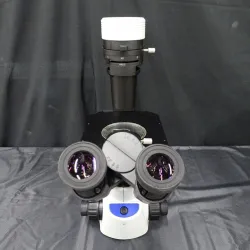
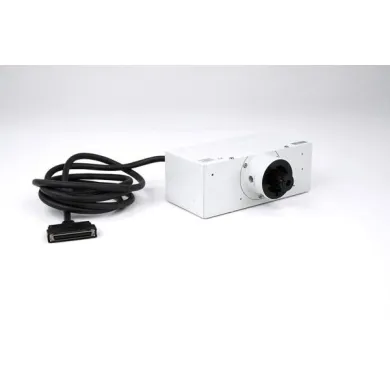
Olympus CKX53 inverted microscope offers high-contrast live cell imaging with LED illumination and fluorescence capability.
The Olympus CKX53 is a specialized inverted cell culture microscope designed for high-contrast live cell imaging in biotechnology and biomedical research. Featuring a long-life LED illumination system with 4000K color temperature, it delivers clear and high-contrast images essential for cell viability assessments, sampling, and fluorescence analysis. The microscope incorporates an innovative Inverted Phase Contrast (IVC) system, providing enhanced three-dimensional imaging beyond traditional phase contrast modalities.
Its compact and lightweight frame allows easy placement inside clean benches, optimizing workflows under sterile conditions. The large stage accommodates culture flasks up to 190 mm in height without condenser removal, supporting varied bioprocessing needs. Fluorescence observation is enabled via Olympus mirror units covering a broad wavelength range, enhancing detection sensitivity for weak fluorescent signals such as fluorescent protein expression, critical in molecular diagnostics and synthetic biology applications.
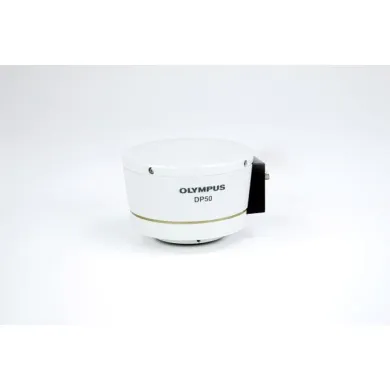
Additional highlights include a standard camera port for integrating Olympus cameras to capture brightfield, phase contrast, and fluorescence images, facilitating comprehensive documentation of live-cell experiments. The microscope optics feature eyepieces with 10× magnification (field number 22) and objectives supporting 2×, 4×, 10×, and 20× magnifications with improved contrast, enhancing detailed cellular imaging in gene editing, biomanufacturing research, and molecular cloning workflows.
This model is widely adopted in live-cell imaging settings, neuroscience, and clinical diagnostics labs, benefiting researchers requiring reliable, high-performance microscopy for fluorescent and phase contrast applications in biotechnological development.
Lab equipment markets are fragmented. Buyers spend weeks calling distributors, comparing quotes, and verifying supplier reliability. Sellers struggle to reach global research labs.
We built Questpair to fix this. Every supplier on the platform is verified before listing. Every quote you receive comes from a real, vetted seller. AI prepares your case in minutes, then a real specialist takes over.
We're an independent team based in The Netherlands, working with research labs and procurement teams across Europe and worldwide.
With a service contract, ten to fifteen years is normal for most benchtop instruments. Detectors and pumps are the parts that wear first.
Often, yes. Verified suppliers frequently work with service partners converting the instrument. If applicable, we can list servicing options alongside the offer.
Ask a scientist through the request button. Parts are often available even when the instrument itself is discontinued.
Two to six weeks, depending on refurbishment scope and whether calibration is included.
We ship to 38 countries. Crating and customs handling are quoted with the instrument.
Tell us what you need and a scientist finds it for you, usually within the hour.
Last updated 2 November 2026
6 other listings of this model are available.